
Prefabricated Modular Unit Serves as Texas Residential Base

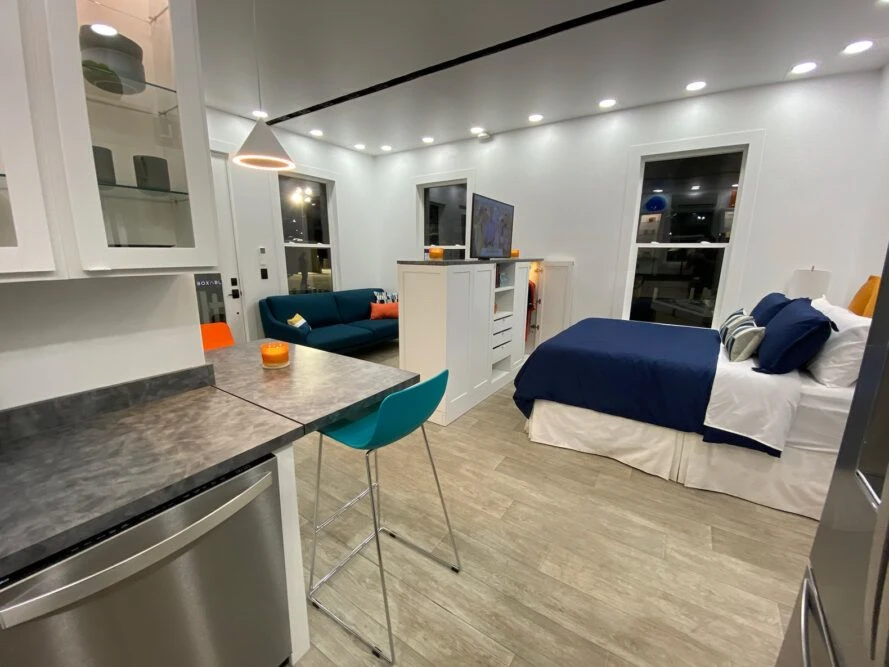
A 400-square-foot prefabricated residence in Boca Chica, Texas, continues to serve as a primary living space near the SpaceX Starbase facility. The modular structure, a Boxabl Casita, gained global attention following the June 12, 2024, SpaceX IPO which significantly increased the owner’s net worth. The project highlights a shift toward extreme spatial efficiency and proximity-based living within industrial and aerospace hubs.
The dwelling utilizes a 20-foot by 20-foot footprint to accommodate a kitchen, bathroom, bedroom, and living area. This architecture prioritizes functionality over square footage, utilizing a factory-built system that arrives on-site for rapid assembly. The design reduces construction waste and shortens the typical construction timeline through standardized manufacturing processes.
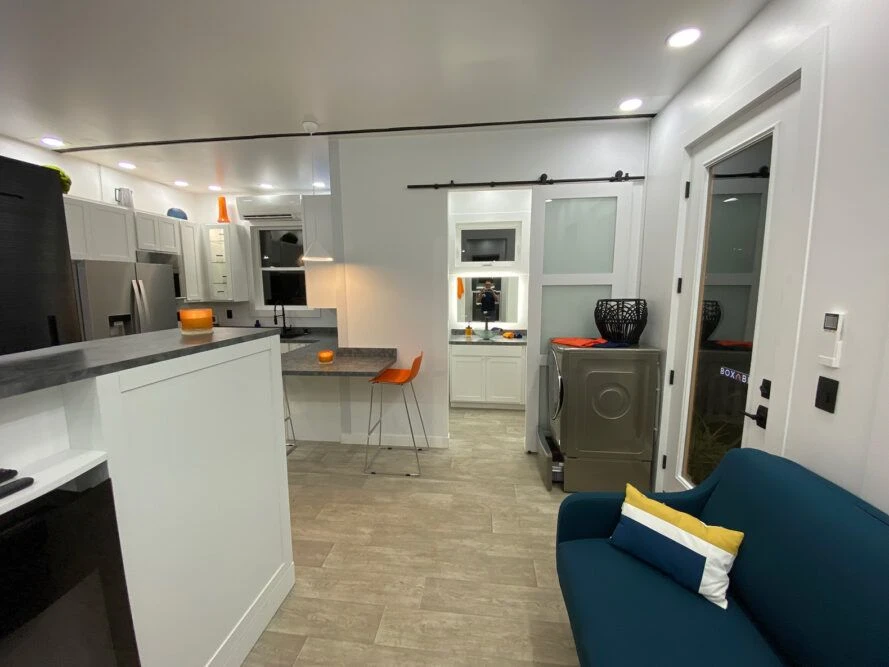
Modular systems optimize small-scale domesticity
Inside the unit, the layout emphasizes a work-focused environment through a minimalist material palette and multifunctional furniture. Integrated storage and a Murphy bed allow the interior design to adapt between resting and working configurations. These space-saving strategies demonstrate how contemporary buildings respond to the requirements of high-density or essential-use residential programing.
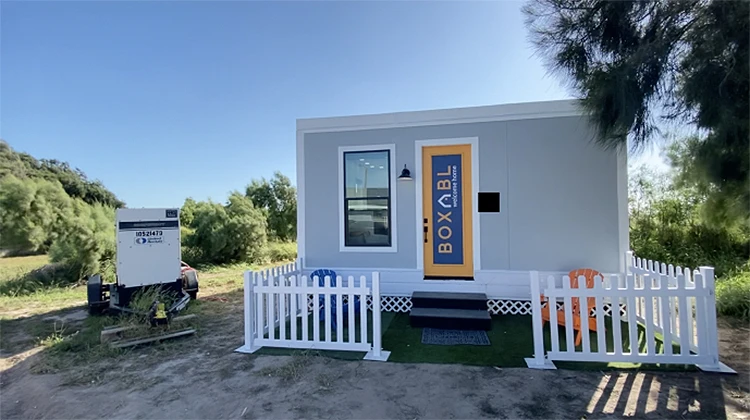
Energy-efficient systems maintain the climate within the compact envelope, reflecting broader trends in resource conservation. The placement of the house near the Starbase facility eliminates the need for long-distance commuting. This logistical decision embeds the residence directly into the operational landscape of the surrounding aerospace campus.
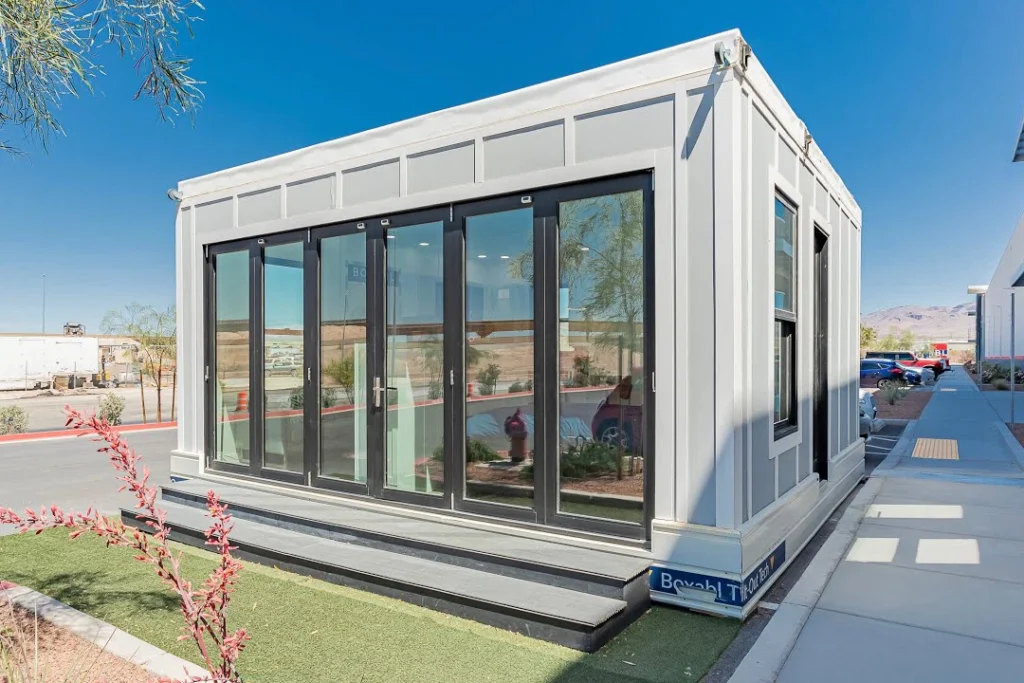
Infrastructure proximity dictates site selection
The project represents an intersection between rapid-deployment housing and industrial infrastructure. While the occupant has links to other properties in the region, this specific unit functions as a statement on adaptability and minimalist living. It challenges traditional notions of luxury by replacing expansive floor plans with operational efficiency and immediate access to work sites.
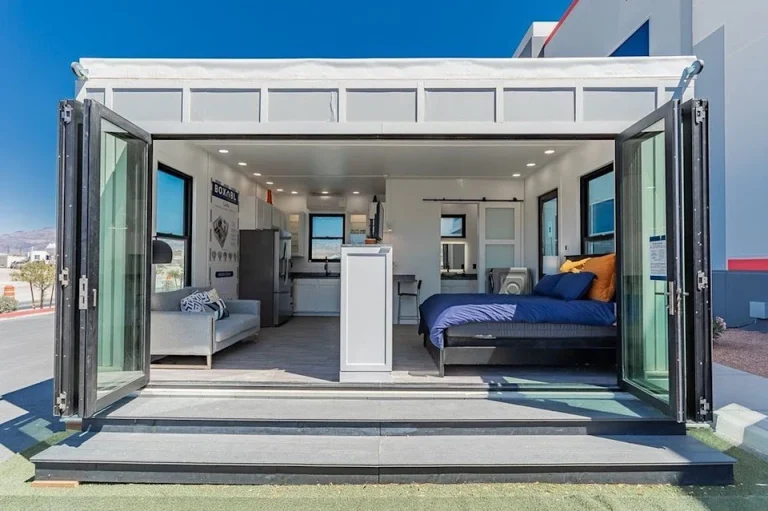
Architects and developers increasingly view such modular solutions as viable options for addressing housing affordability and urban density. In this context, the Texas residence serves as a technical case study for the Boxabl system. It proves that small-scale, factory-produced building materials can support even the most high-profile residential requirements.
Project Team: Boxabl (Manufacturer). Location: Boca Chica, Texas, USA.
Project Notes: Completed and occupied. The structure features a 400-square-foot modular design worth approximately $50,000.
✦ ArchUp Editorial Insight
This project highlights a radical prioritization of operational proximity over domestic sprawl, positioning the modular unit as a high-efficiency cell within an industrial machine. By deploying factory-built construction methods, the structure optimizes every cubic inch, transforming residential life into a streamlined support system for aerospace labor and logistical immediacy. It suggests that modern value resides in spatial utility and rapid adaptability rather than permanent monumentalism.
However, framing this choice as a visionary template for future cities ignores the reality of wealth-driven choice versus economic necessity. For the billionaire occupant, the tiny house serves as a curated performative asceticism, yet for the general public, such extreme downsizing often signifies a loss of agency within an escalating housing crisis. This modular efficiency risks rebranding austerity as a desirable architecture.




🟥 Editorial Note:
What exactly are we gaining, as a professional architectural platform, from covering this project in its current form? The article reads more as a lifestyle story than an architectural case study. The project itself is neither architecturally innovative nor significant enough to justify extensive coverage.
If this topic is to be published, it should be reframed around broader issues such as affordable housing, temporary housing, modular construction, workforce accommodation, or industrial proximity living. Those discussions provide genuine value to our readers. As it stands, the article focuses on an individual housing choice rather than a meaningful architectural or urban contribution.