Neighborhood School: Spatial Belonging and Architectural Form

Spatial Belonging as a Design Driver
The educational proposal is grounded in the idea of belonging to place as a guiding Design principle. Within this framework, open and interconnected spaces are shaped to enable the overlap of students’ activities with their immediate surroundings. The role of the school is also redefined to function as part of the urban Cities fabric, allowing its space to remain open for interaction with the surrounding community.
Engaging with the Historical Fabric
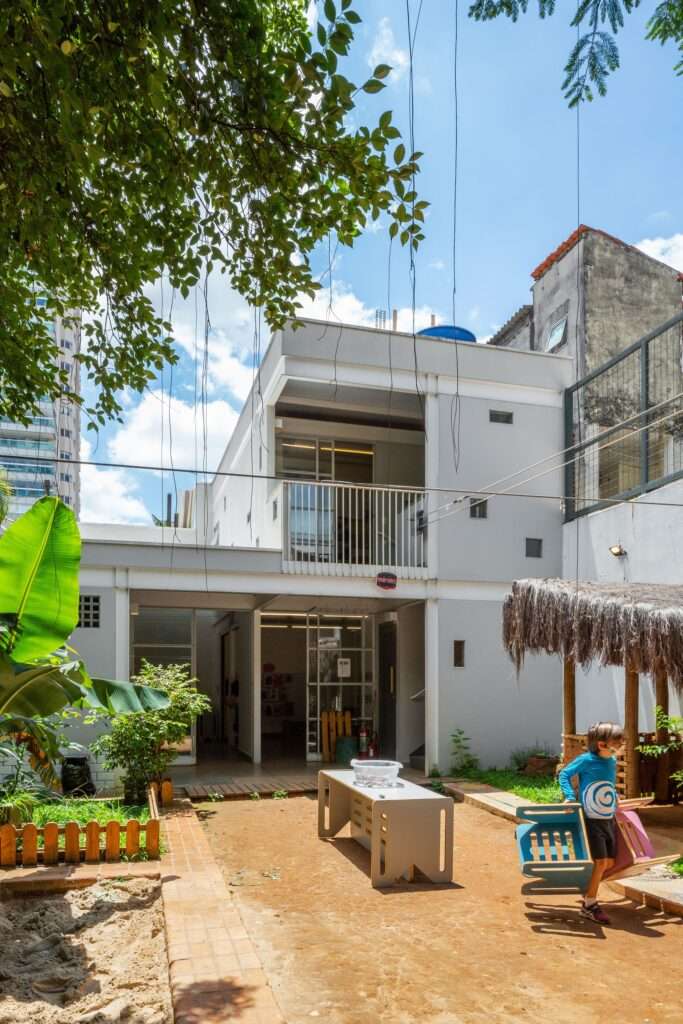
The project is located within an existing eclectic Buildings building, embedded in a historically rich context that strengthens its local presence. By removing later non-homogeneous additions, the original value of the building is revealed and emphasized. Furthermore, interior restoration works support the continuity of its use without compromising its symbolic character.
| Field | Value |
|---|---|
| Architects | Ateliê GR |
| Area | 100 m² |
| Year | 2020 |
| Photographs | André Scarpa |
| Lead Architect | Gabriel Rodrigues Grinspum |
| Category | Educational Architecture, Schools |
| Project Team | Isabel Sperry |
| General Construction | Jairo Gen |
Contemporary Addition and Functional Completion
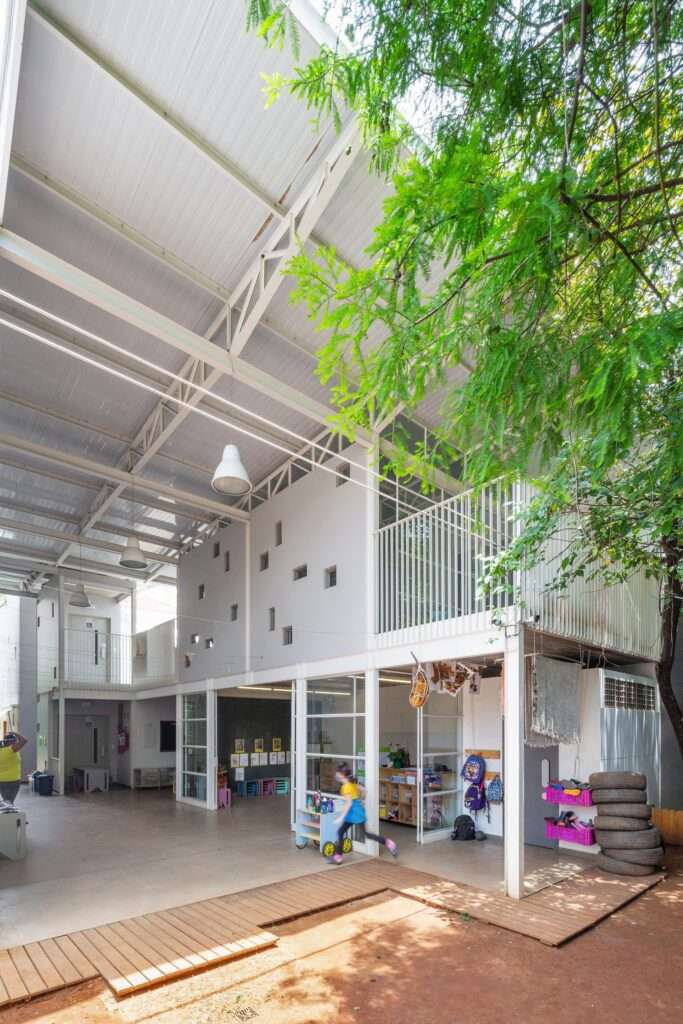
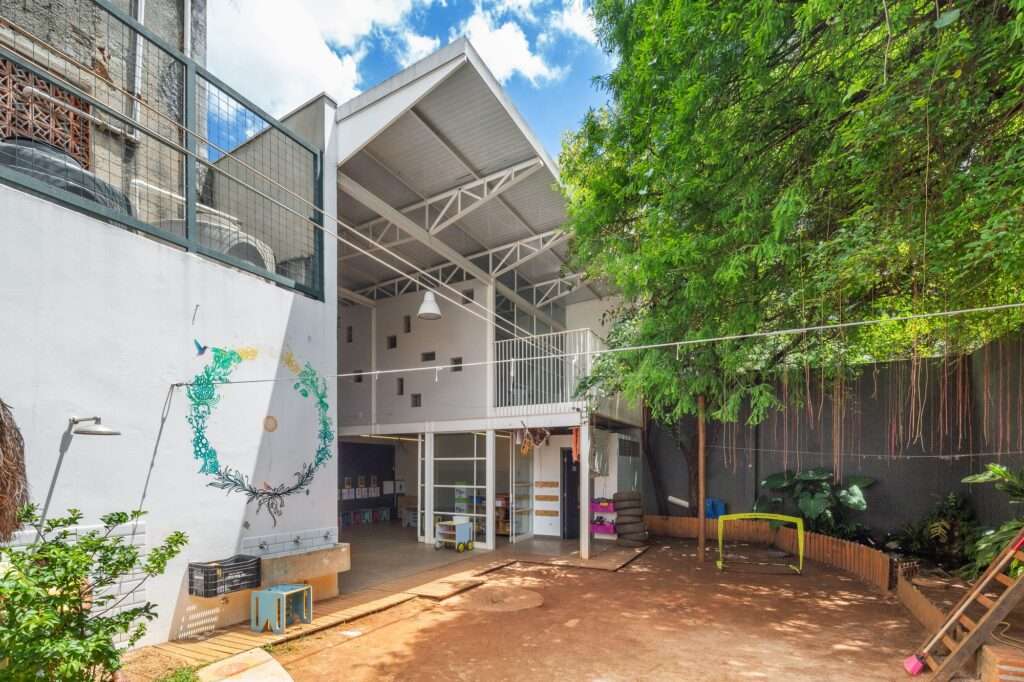
In contrast, a new pavilion has been introduced to meet the functional requirements of the institution. This extension is based on a lightweight and transparent structural system, creating a clear contrast with the existing building. As a result, the project emerges as a composition that merges the locally rooted dimension of the original structure with the contemporary expression of the new addition within the broader context of Construction.
Mass Organization and Courtyard Formation
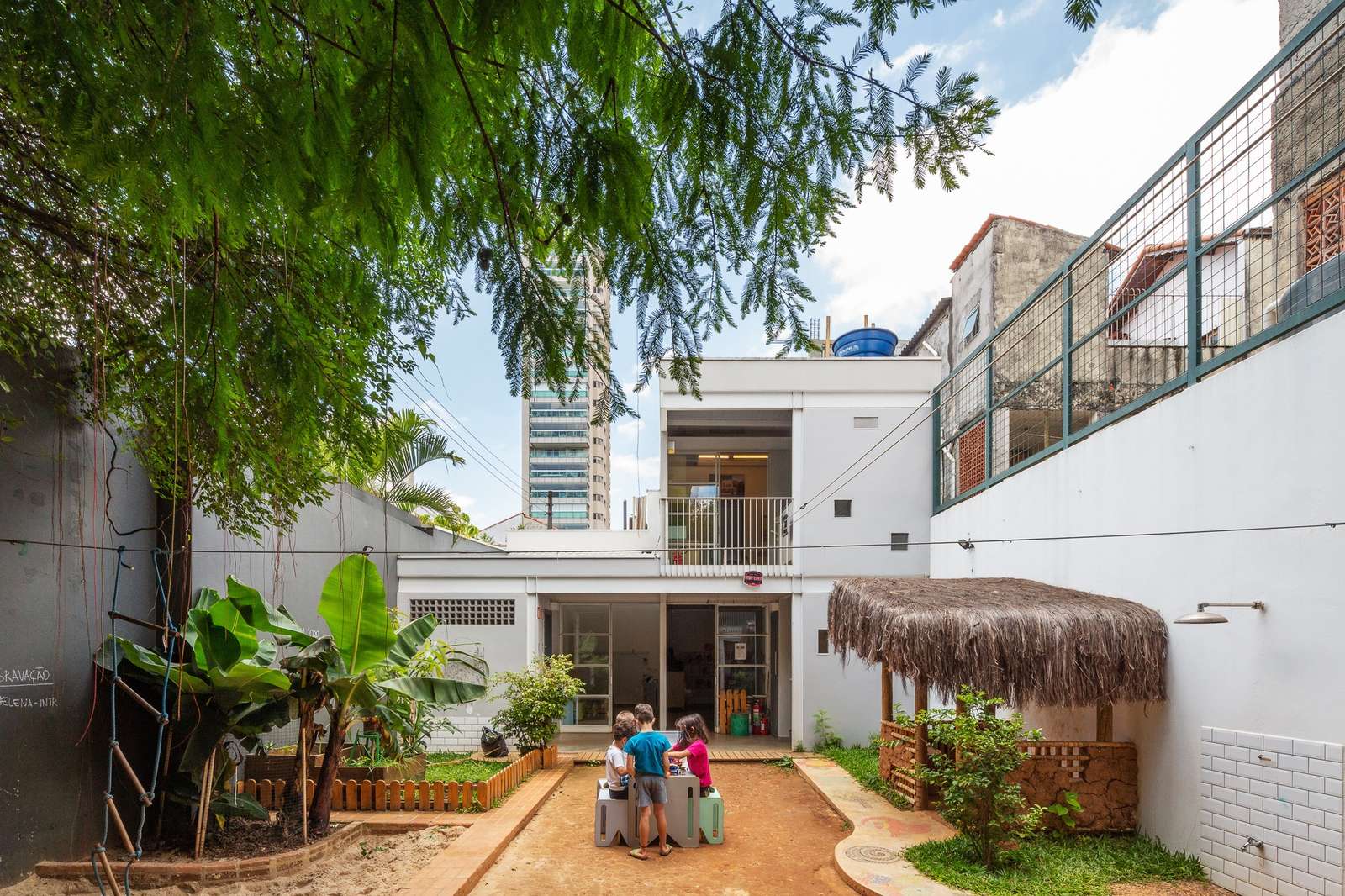
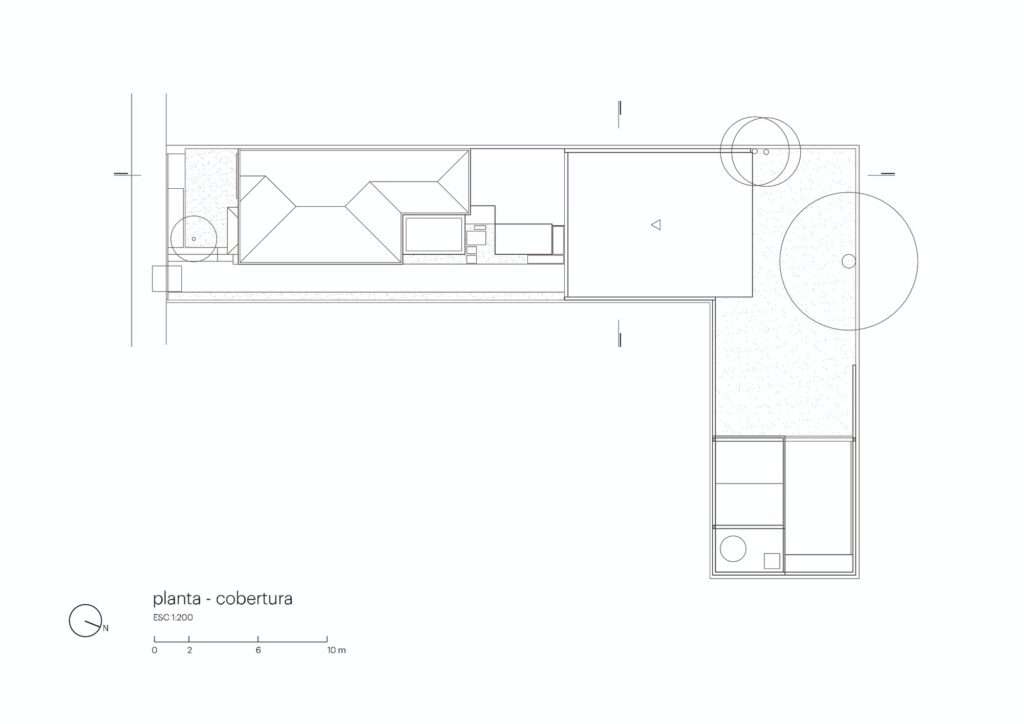
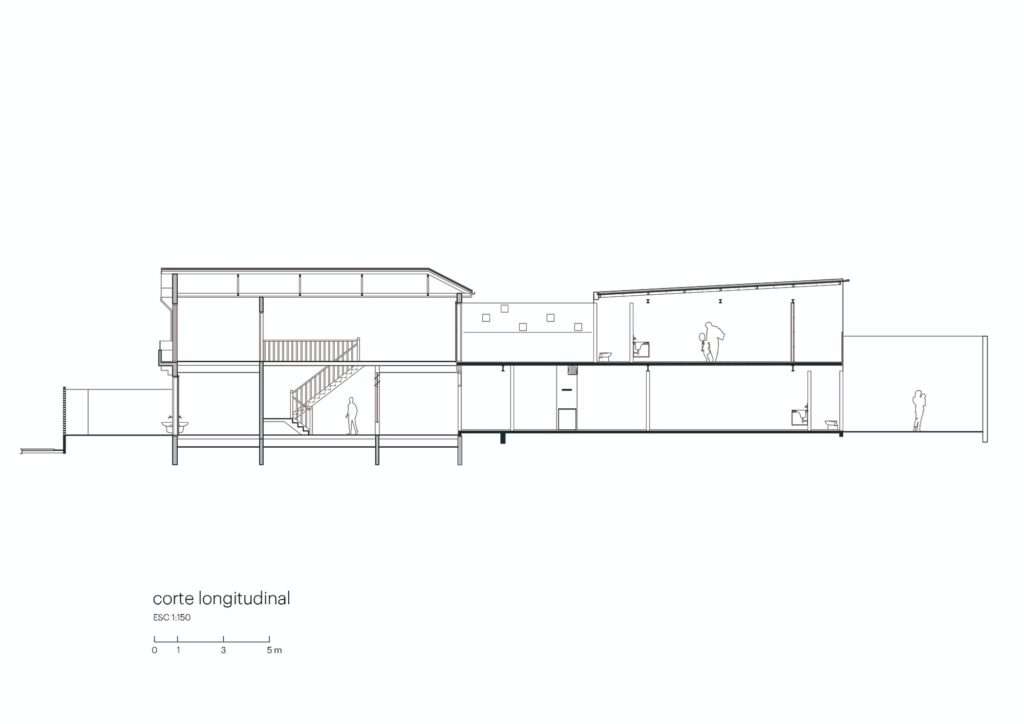
In the second phase of expansion, a rear wing in an “L” shape is added according to the master plan. This configuration helps define a central courtyard that becomes the core of activity within the school Projects. The open space is used for outdoor activities, while the new wing accommodates two classrooms on the ground floor, along with administrative functions and a resting area for children on the upper level.
Spatial Flexibility and Functional Integration
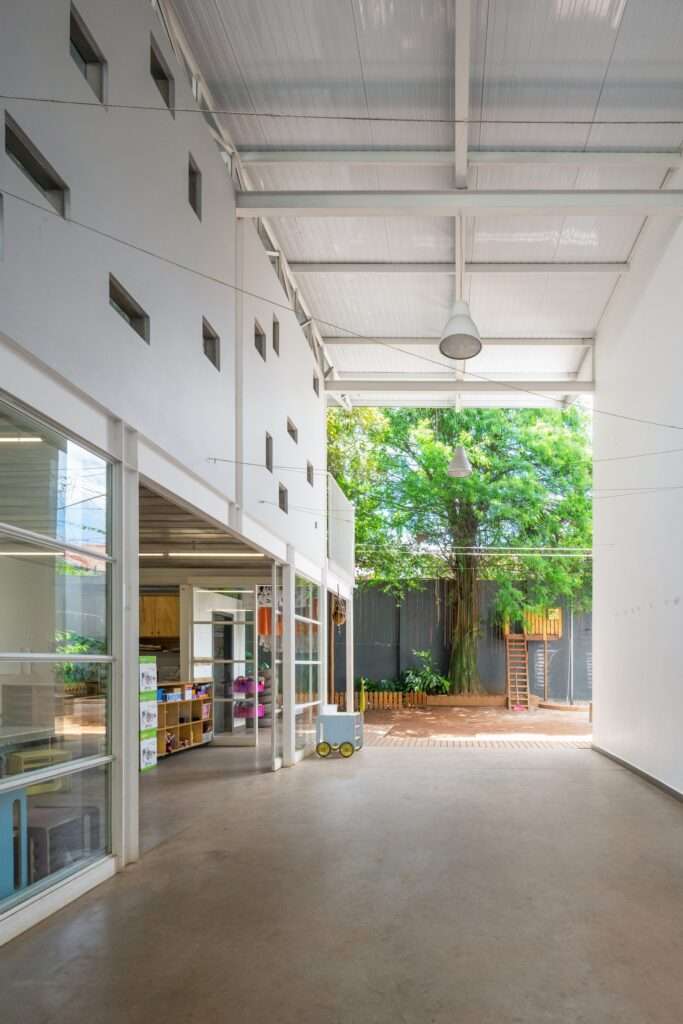
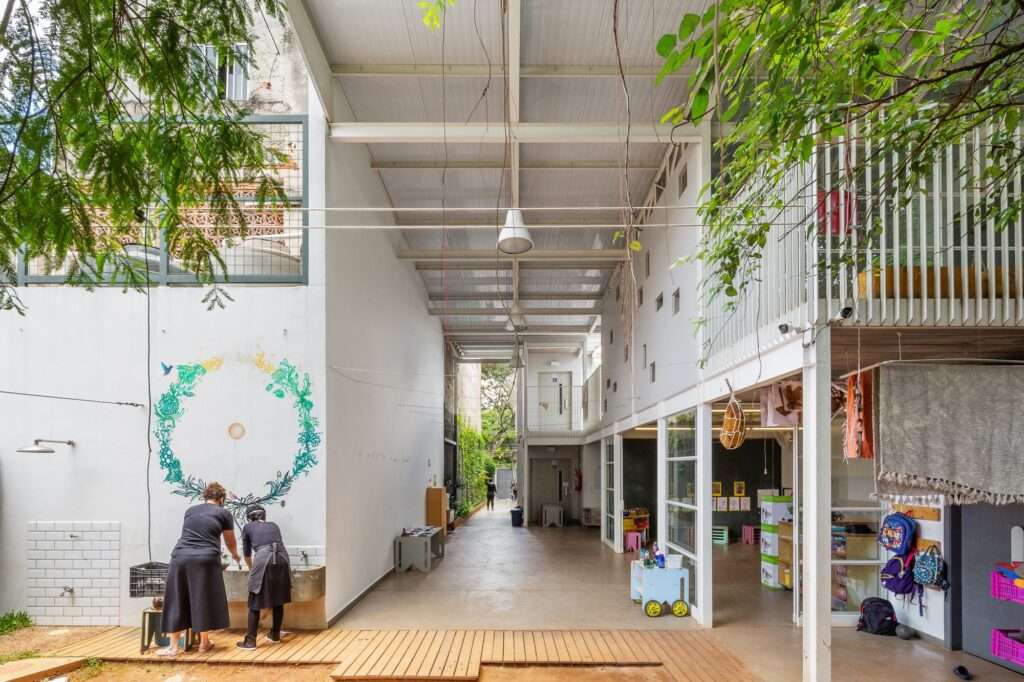
The educational spaces are based on the principle of multifunctionality, where large openings allow for a reconfiguration of the relationship between interior and exterior. These interventions also enable spaces to be connected or separated according to need, while incorporating elements that support educational use. Consequently, the scope of learning expands beyond the boundaries of the site, leveraging the urban environment as a complementary field for Research activities.
Urban Dimension and Continuity of Use
The project reflects an approach that integrates buildings from different time periods within a unified framework, while maintaining fluid circulation and diverse uses. The structure accommodates daily activities as well as events that bring together different user groups. At the same time, the continuity of outdoor spaces and massing strategy enhances openness toward the neighborhood, integrating natural elements within semi-open spaces that support interaction between the built environment and nature.
✦ ArchUp Editorial Insight
The Neighborhood School project emerges as a direct result of the intersection between heritage conservation policies, educational infrastructure requirements, and the constraints of optimizing limited land within a dense urban context. The primary driver is the obligation to preserve an existing eclectic building while reactivating it functionally, which necessitated the removal of later additions that were no longer compatible with usage requirements and maintenance efficiency. The main points of tension lie in limited public funding and the pressure to increase capacity without exceeding permitted building density thresholds. The outcome is a phased L-shaped spatial extension that redefines the courtyard as an organizational device for user circulation. The courtyard becomes an operational interface regulating human flows and the relationship between the school and the surrounding residential fabric, within a carefully calibrated administrative–spatial balance.