Roam Rider SL Camper: Natural Lighting and Interior Design


Natural Lighting and Structural System
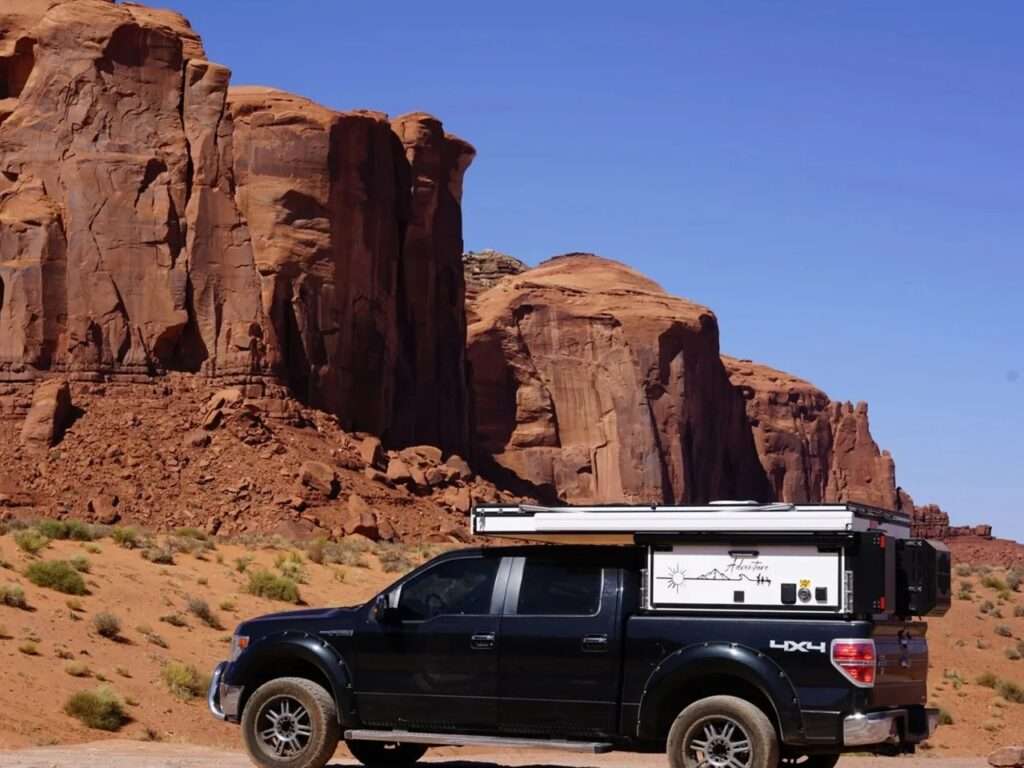
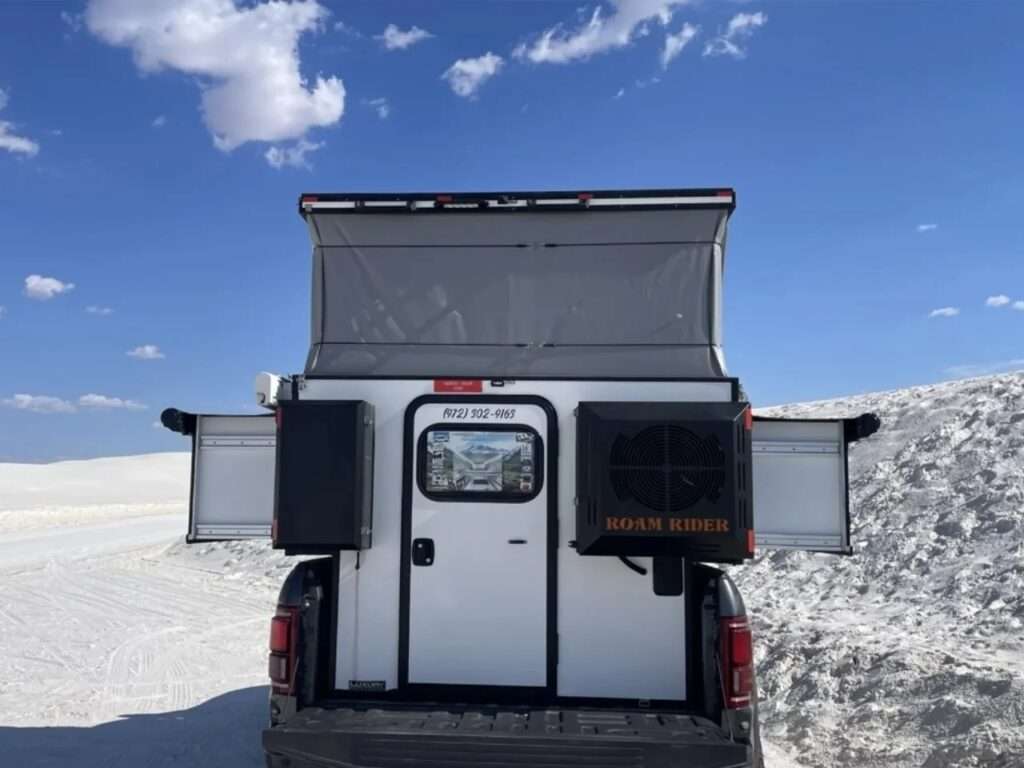
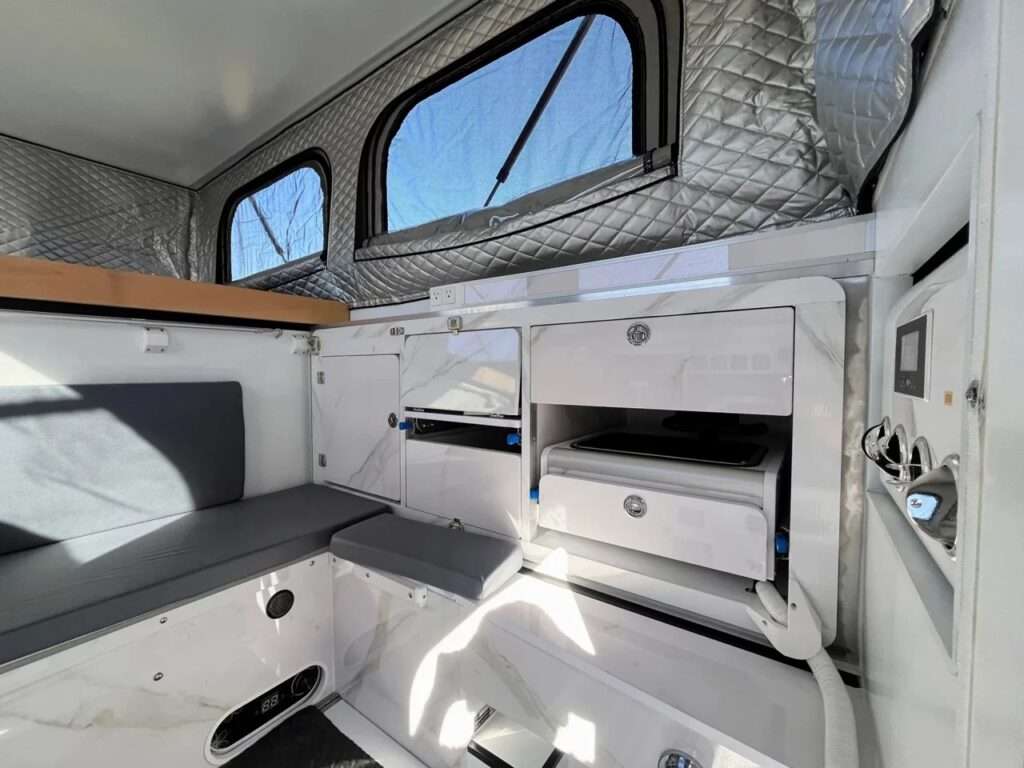
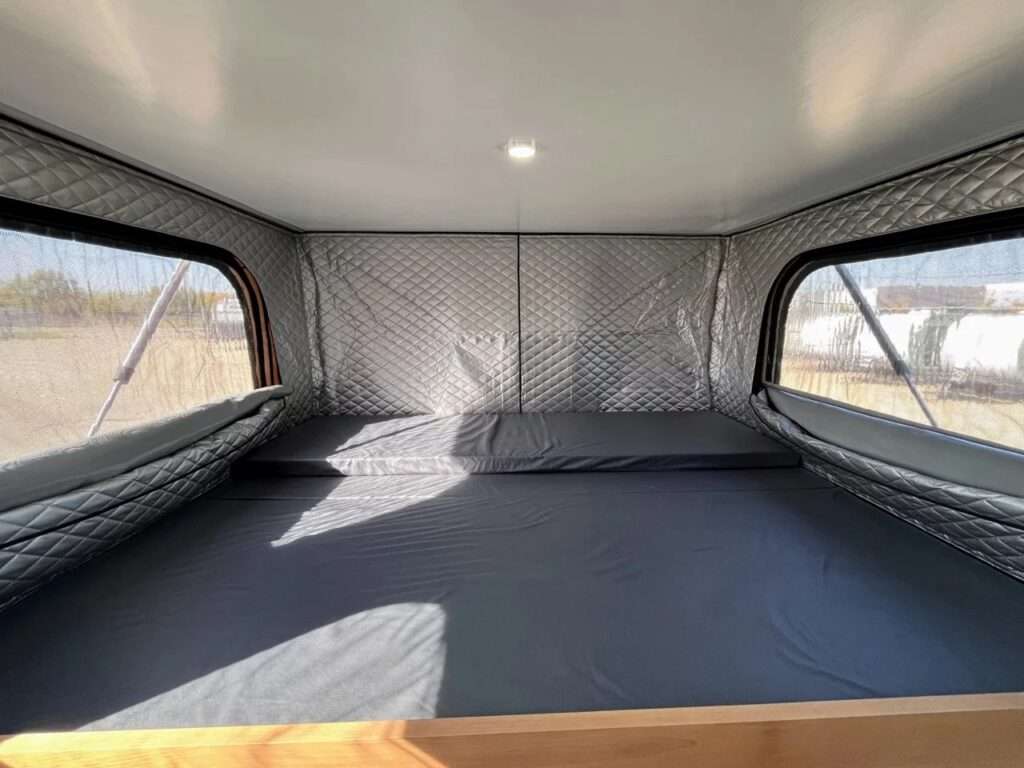
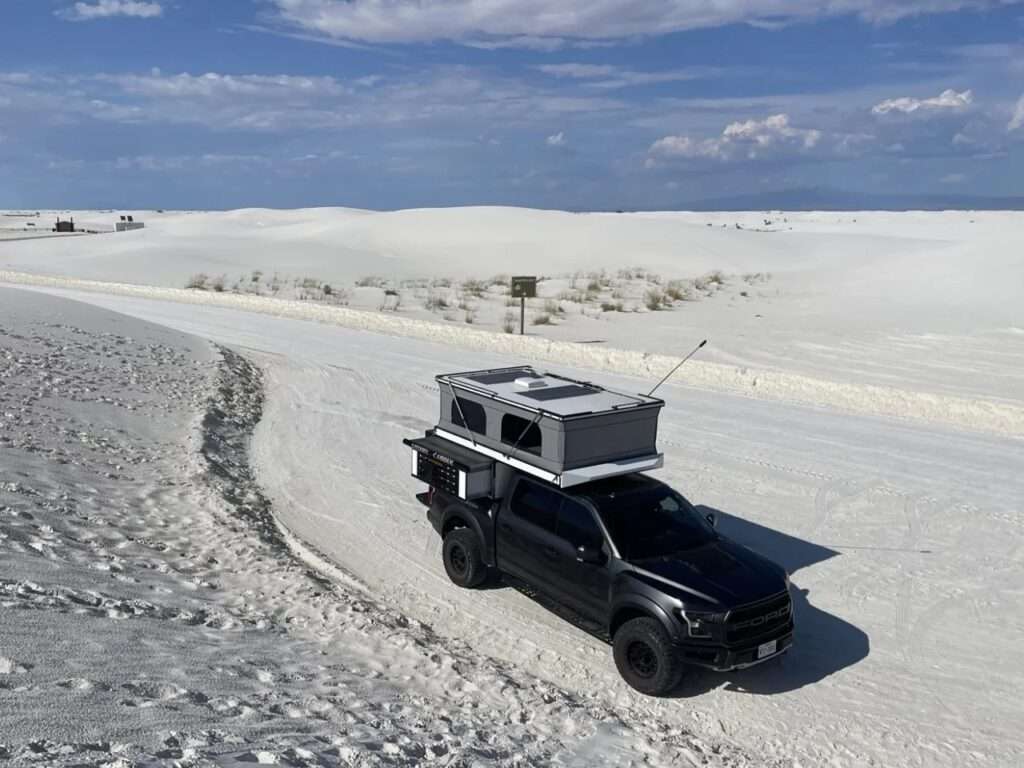
The interior space of the camper is designed to maximize Lighting through mesh windows distributed along both sides of the pop-up section. In addition, a fabric lift-up roof supported by stainless steel gas struts is utilized, allowing for flexible Structural System movement.
The cabin is fully insulated from the walls to the ceiling to ensure clear environmental separation. In contrast, the dual slide-out system on both sides introduces a different functional dimension, directly transforming the relationship between the interior and exterior spaces.
Interior Organization and Living Amenities
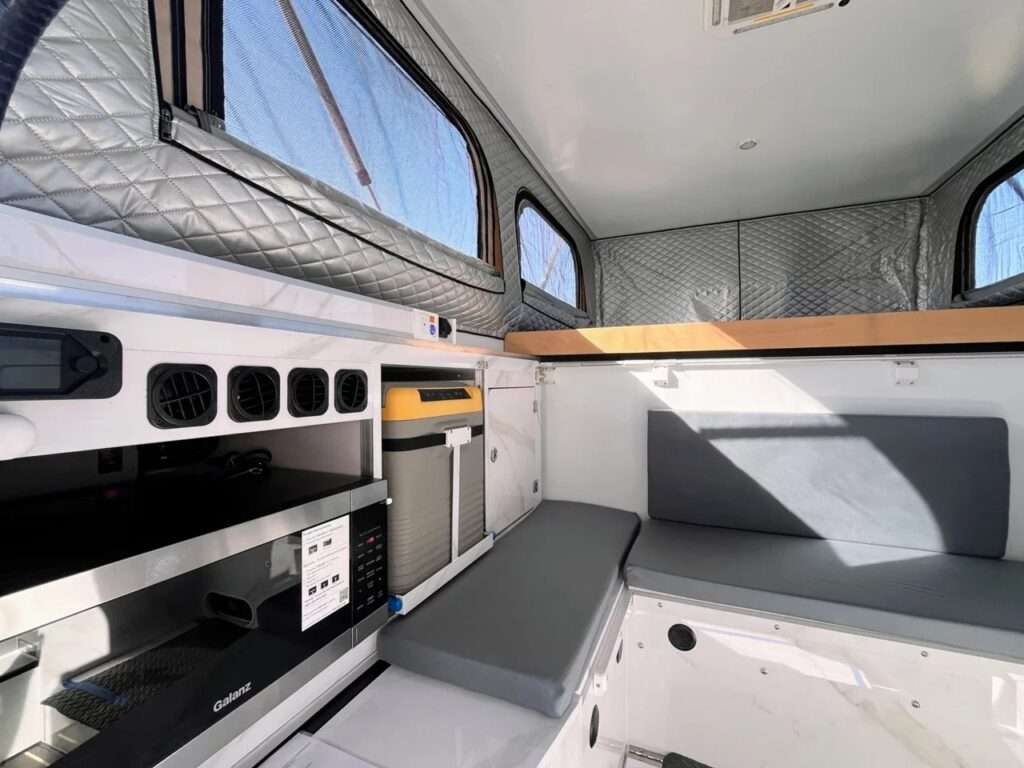
The interior layout is based on adaptable modules, including sliding shelves and convertible furniture, enabling the space to shift functions depending on whether the slide-out sections are open or closed within the Interior Organization.
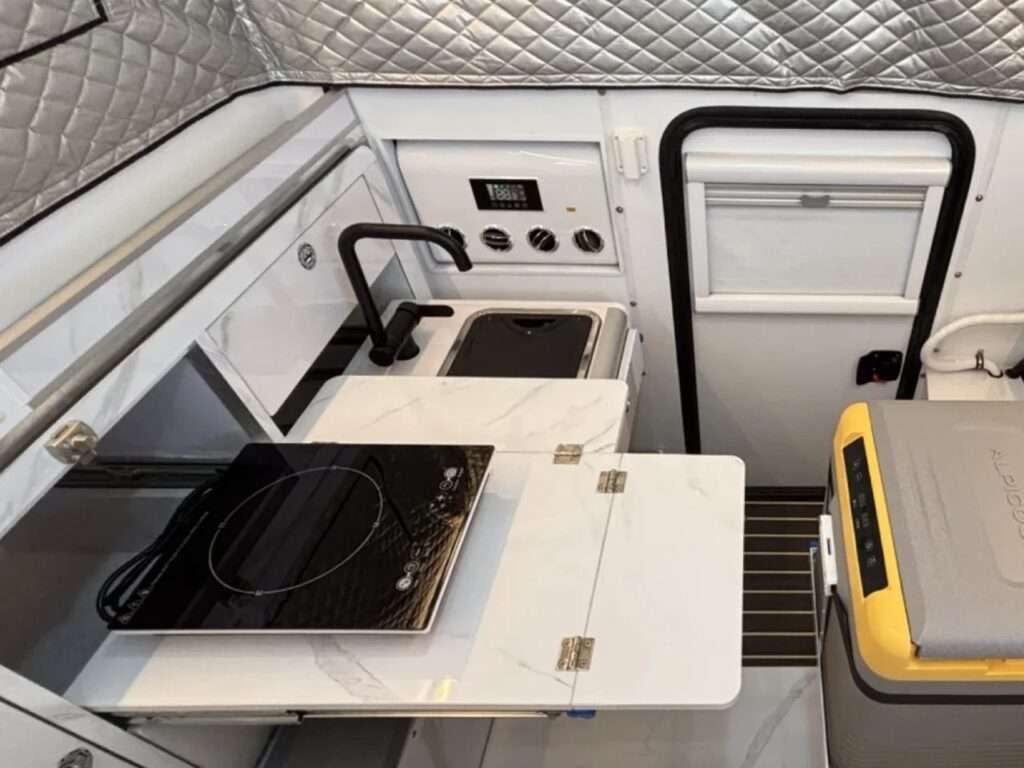
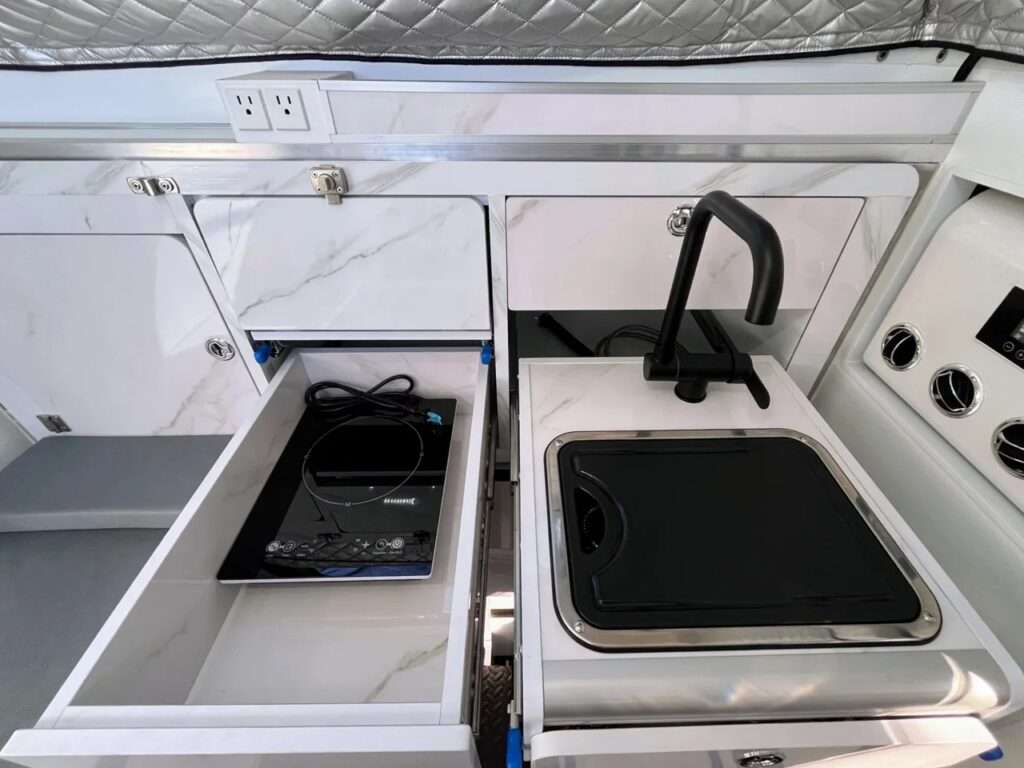
On the other hand, the living area integrates with functional kitchen equipment, including a 1500W induction cooktop mounted on a drop-down surface, and a dual-zone 12V refrigerator positioned on a sliding platform. The system also features a slide-out sink with a foldable faucet, in addition to a 24-gallon fresh water tank, forming essential Living Amenities.
Adjacent to these elements, a pull-out table can be used as a dining surface or a workspace, enhancing flexibility for Daily Use within a single spatial environment.

Sleeping Arrangement and Daily Use
The cabin is designed to accommodate Sleeping Arrangement for up to three people. The main slide-out bed is intended for a couple, while the second convertible bed accommodates one person.
During the day, this bed transforms into a cushioned seating area that can host up to four people, allowing the space to shift between sleeping and living functions in Daily Use.
Storage Systems Within the Cabin
The interior organization relies on a set of integrated Storage Systems, including two slide-in cabinets, two drawers, as well as a floor storage box and a vertical storage unit. This distribution maximizes the efficient use of limited space within the cabin through multifunctional strategies.
Operational Systems and Environmental Comfort
The camper is equipped to operate in various climate conditions through a 7500 BTU air conditioning system and a 17,000 BTU diesel heater, forming part of the Operational Systems.
Additionally, an external 4.8-gallon diesel tank supplies the heating system during extended winter trips. At the energy level, the system relies on a 400Ah LiFePO4 lithium battery supported by 320W solar panels, along with a 3000W pure sine wave inverter.
The setup also includes provisions for a shower system, contributing to overall Environmental Comfort, with no indication of a portable toilet being included in the configuration.

✦ ArchUp Editorial Insight
The Roam Rider SL emerges as a direct response to the growing mobile camping market driven by low-cost consumption models, shaped by income volatility and rising traditional accommodation costs. Within this context, the vehicle is redefined as a flexible productive unit operating within an unstable market geography.
Constraints related to payload weight, safety standards, and manufacturing costs have led to the adoption of modular sliding components, reflecting a logic aimed at minimizing operational risk while maximizing efficiency within strict limitations.
The result is a spatial configuration that acts as a negotiated balance between functional density pressures and mobility requirements, where space transforms into a reconfigurable system aligned with shifting occupancy patterns. This repetition of convertible models does not merely reflect a design preference, but rather indicates compliance with rigid financing structures that favor scalable solutions without deviation.