RAIM Museum: Parametric Architecture in Seoul

Parametric Architecture as a Design Methodology
Parametric Architecture as a Design Methodology Certain architectural projects are used as case studies to understand the evolution of parametric architecture, not only because of their form but also because of their methods of execution. In this context, the Seoul Robot and AI Museum (RAIM) stands out as an example that demonstrates how the construction process itself can become part of the architectural concept.
The Relationship Between Form and Structure
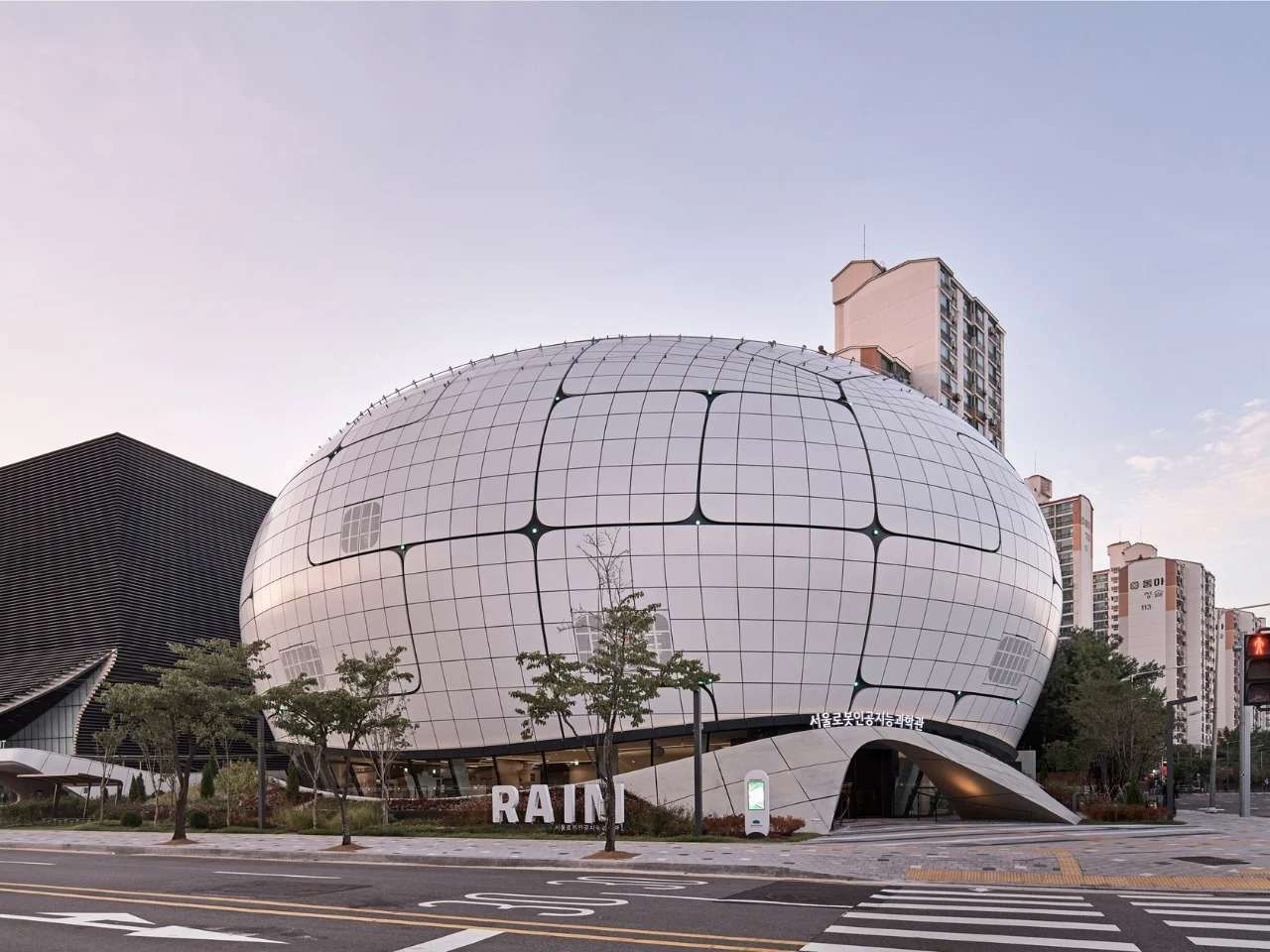
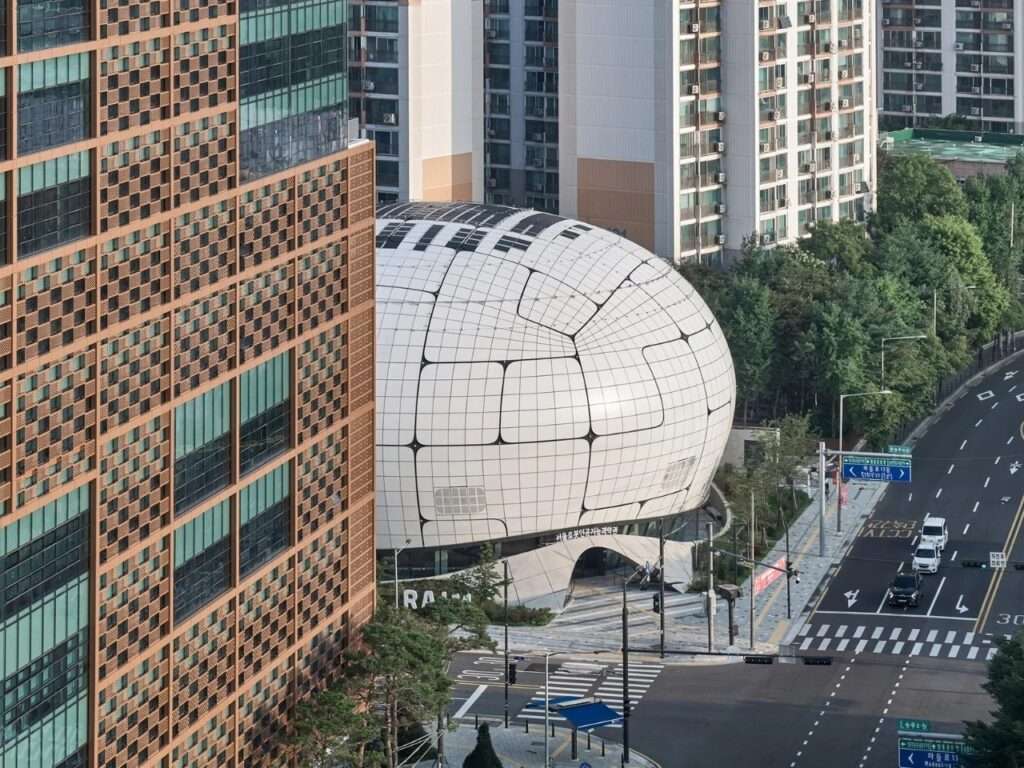
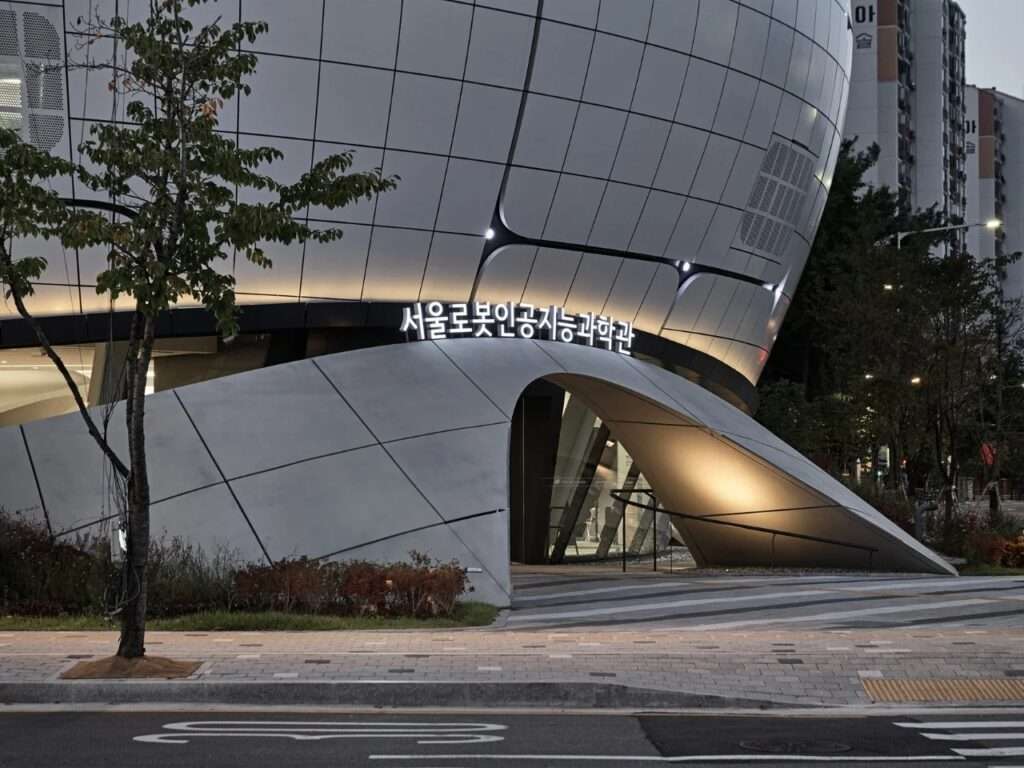
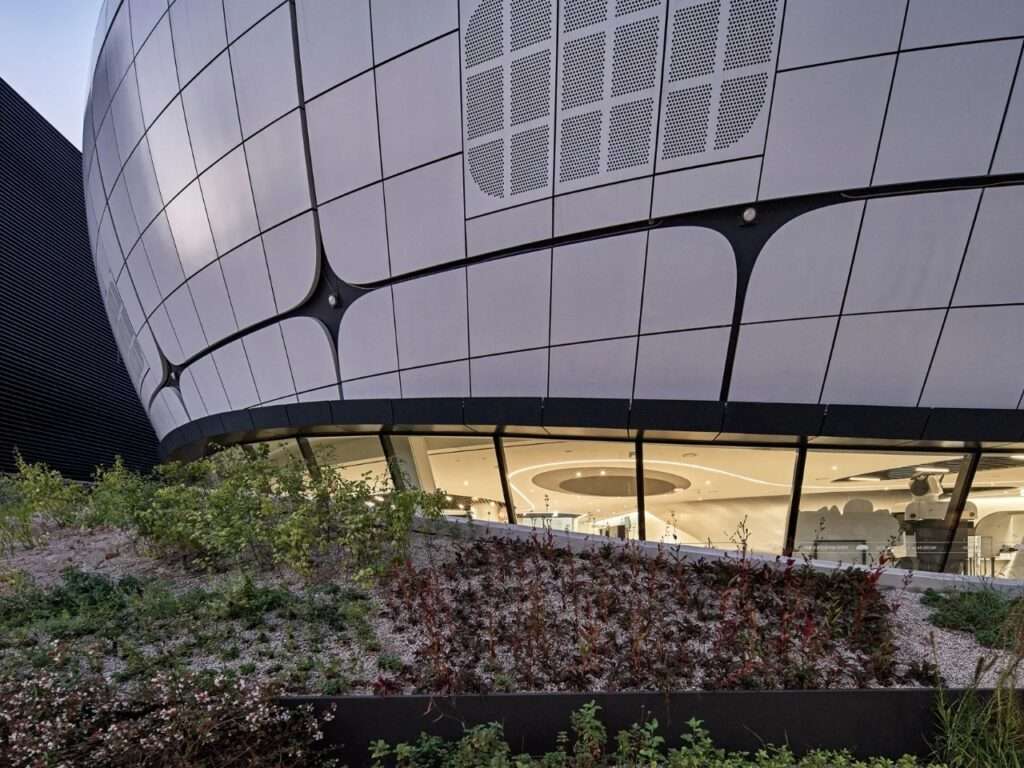
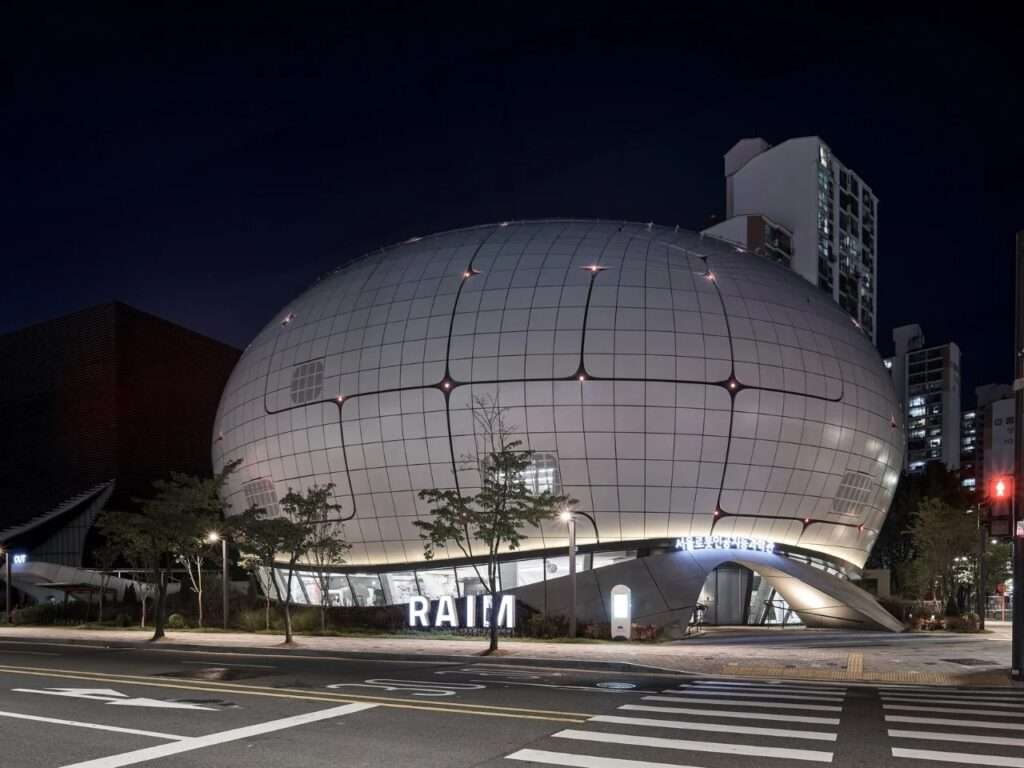
The museum opened in 2024 in the Chang-dong district in northeastern Seoul and was designed by Melike Altınışık Architects as a case study in design. The building is based on a spherical reflective shell that creates a visual presence distinct from conventional institutional forms, with a façade composed of 3,422 double-curved metal panels, each designed according to specific engineering requirements.
Revealing Structural Logic Through the Façade
The external grid pattern here does not function as a purely decorative element; instead, it is directly linked to the underlying steel structural system behind it. As a result, the structural system becomes readable through the building’s outer skin itself, creating an approach that directly connects architectural expression with structural logic.

From Parametric Design to Constructability
Some complex architectural forms do not emerge from traditional sketch-based design but from parametric, computation-driven models. In the case of the Seoul Robot and AI Museum, the form was developed digitally and then re-engineered to make the outer shell constructible. Historically, this phase has represented a recurring challenge in architecture, where double-curved elements were often simplified during construction due to cost and fabrication constraints.
Alignment Between Design and Production Processes
Melike Altınışık Architects adopted a DFMA (Design for Manufacturing and Assembly) methodology, an approach that develops form and production strategy in parallel rather than treating them as separate stages. In this way, the architectural form is not something that requires continuous modification during construction but becomes part of a production system conceived from the very beginning.
The Role of Automation in Execution Precision
Manufacturing relied on laser-based CNC cutting for the panels, while industrial robots handled welding operations, supported by on-site 3D scanning technologies to ensure high-precision alignment. As a result, the fabrication of double-curved metal panels became more feasible in mid-scale cultural projects, while automation helped maintain consistent accuracy across a large number of repetitive elements.
The Museum as a Cognitive and Experiential System
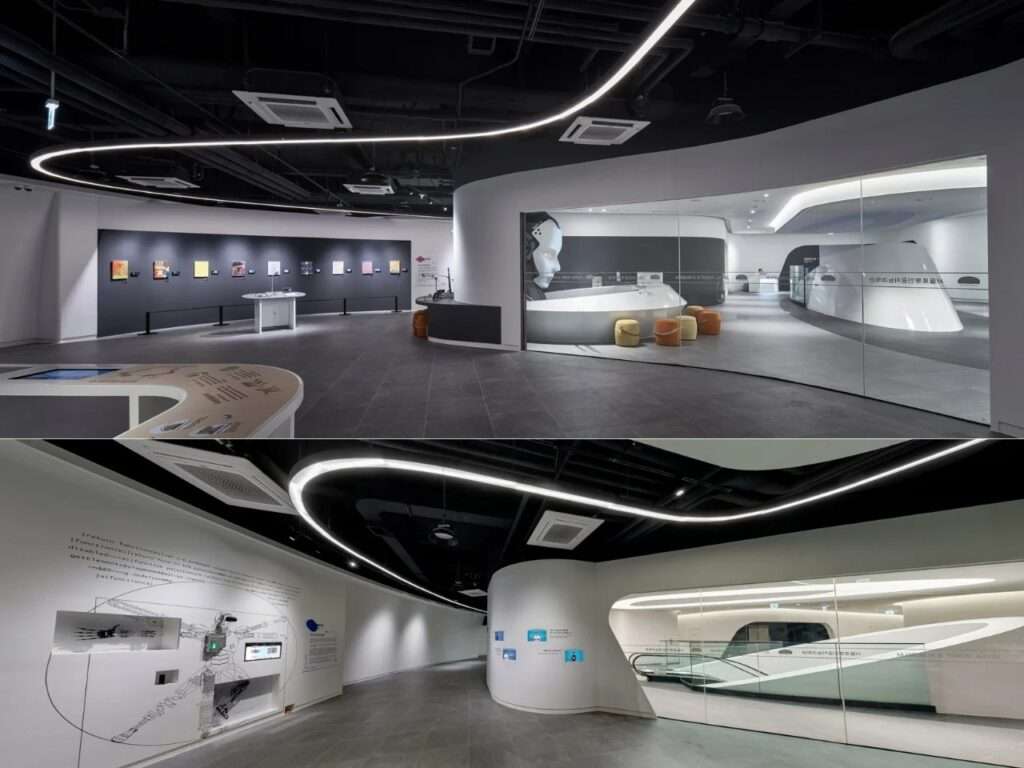
When the museum’s function is added into its architectural equation, RAIM becomes more than a parametric building. The museum is dedicated to robotics and artificial intelligence, and its permanent exhibitions trace the evolution of the field from predictive fraud detection systems to generative models. In this way, knowledge content becomes an integral part of the architectural concept rather than a separate layer.
The Intersection of Spatial Experience and Artificial Intelligence
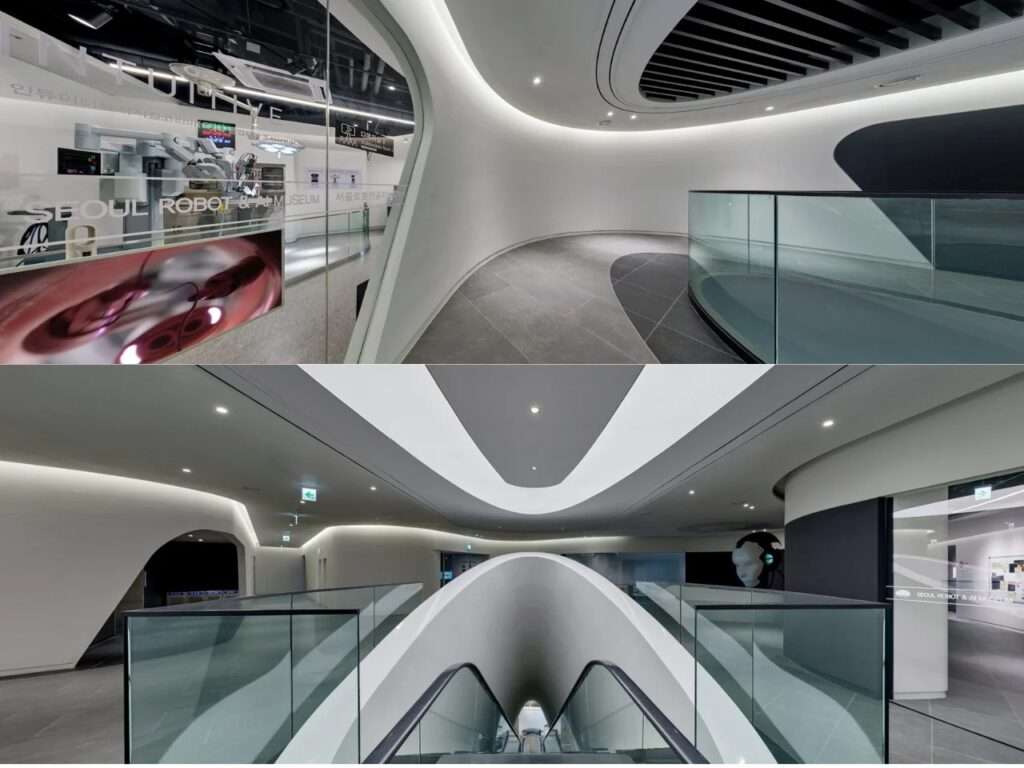
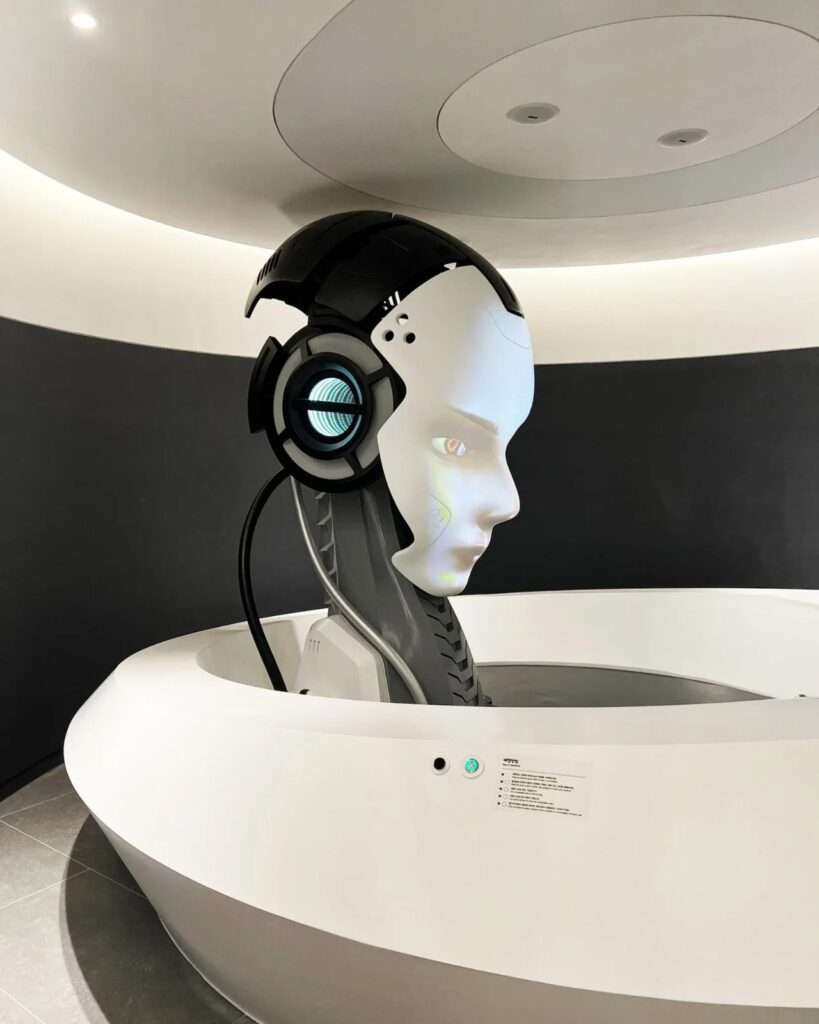
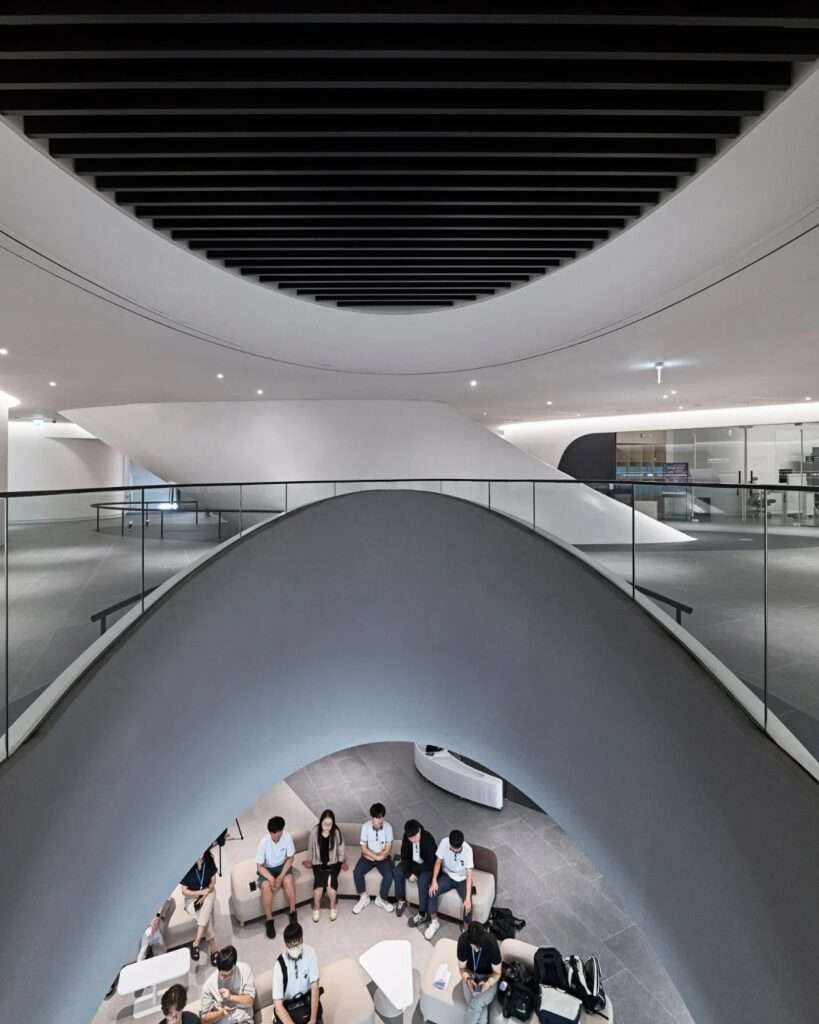
This integration is clearly visible in the interior experience, where robots greet visitors at the entrance, while the interior space takes on a spacecraft-like character. A vertical exhibition tunnel occupies the center of the building, creating a visual condition that blurs the boundaries between the physical world and the technological system on display. In this context, the realization that robots also participated in assembling the façade becomes a direct extension of the interior design idea itself.
From Building to Integrated Concept
This interplay between form, technology, and content reflects a broader shift in architectural discourse. Melike Altınışık Architects noted this dimension by stating that architecture can be “both a shelter and a learning medium at the same time.” As a result, the building does not merely house the concept of artificial intelligence but re-encodes it within its own structure. With the evolution of parametric architecture, RAIM becomes an example of a shift from the possibility of construction to the logic of its production and the actors involved in shaping it.
✦ ArchUp Editorial Insight
RAIM Museum in Seoul operates as a spatial outcome of the intersection between municipal cultural funding policies, robotics research investments, and construction automation incentives. Its primary driving force emerges from an institutional strategy aimed at transforming artificial intelligence infrastructure into cultural capital within the urban market. Friction points appear in insurance constraints for double-curved metal panels, fabrication precision, and labor cost pressures, challenges that were absorbed through DFMA methodologies and production chains based on CNC machinery and robotic welding. The spatial solution is embodied in a parametric shell that reveals the logic of buildings through the façade, turning the assembly process into visual content. The internal program reinforces this balance by integrating visitor movement with the robotic operational system within a unified workflow that dissolves the boundary between exhibition and production mechanism.