Repurposing Xiaomi Mi 8 as a Smart Speaker | Handmax Project

Stabilizing the Aesthetics of Smart Audio Devices
The home smart speaker market has shown a clear trend toward repetitive designs based on smooth cylindrical forms and matte finishes. The primary objective of this approach is to minimize the device’s presence within interior spaces by visually blending it into its surroundings. However, this direction has led to a high degree of similarity among different products, alongside a recurring cycle of internal hardware replacement over relatively short periods.
Repurposing Technical Hardware
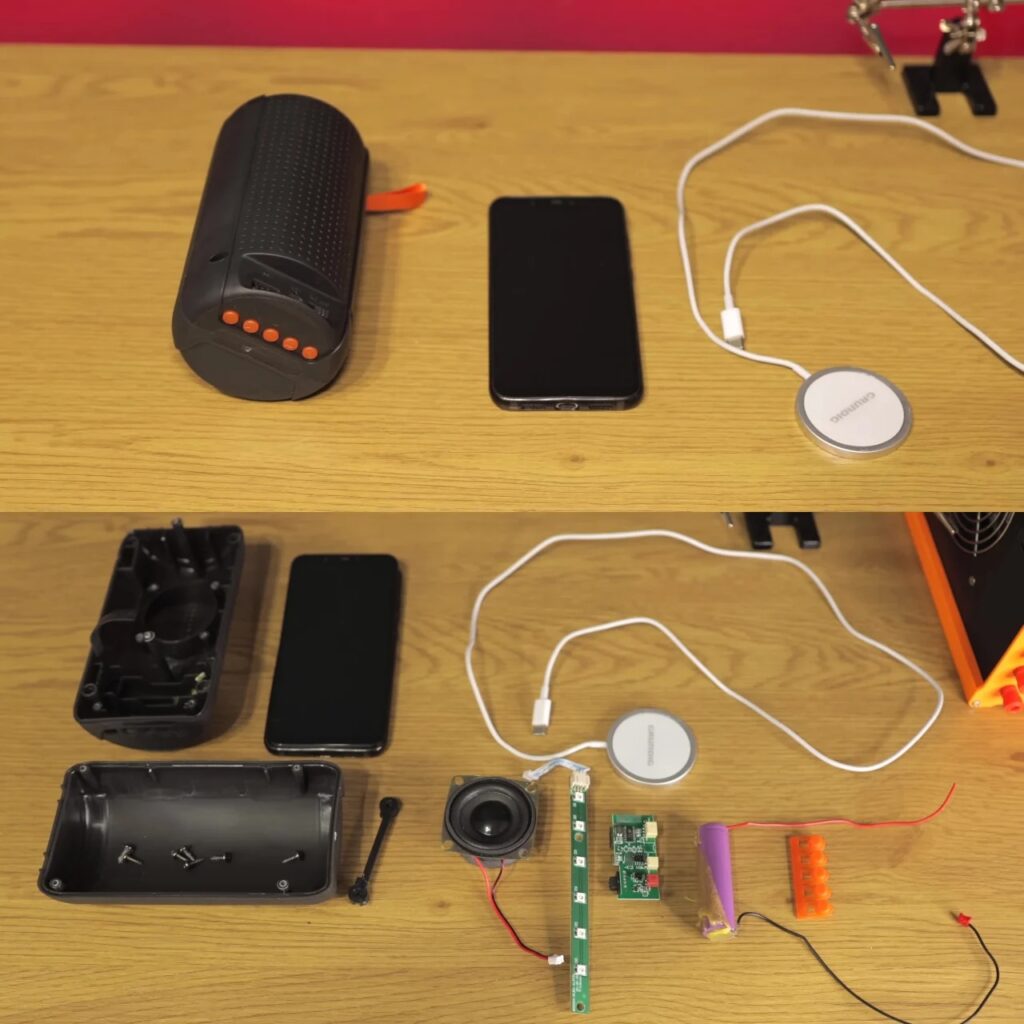
In this context, the Handmax workshop project adopts a different approach based on repurposing a Xiaomi Mi 8 smartphone after its operational condition has declined. Despite physical issues such as screen degradation, battery wear, and speaker malfunction, the processor and software capabilities remain viable. Accordingly, the focus shifts toward leveraging the still-functional components rather than replacing the entire device.
Form Treatment and Visual Identity
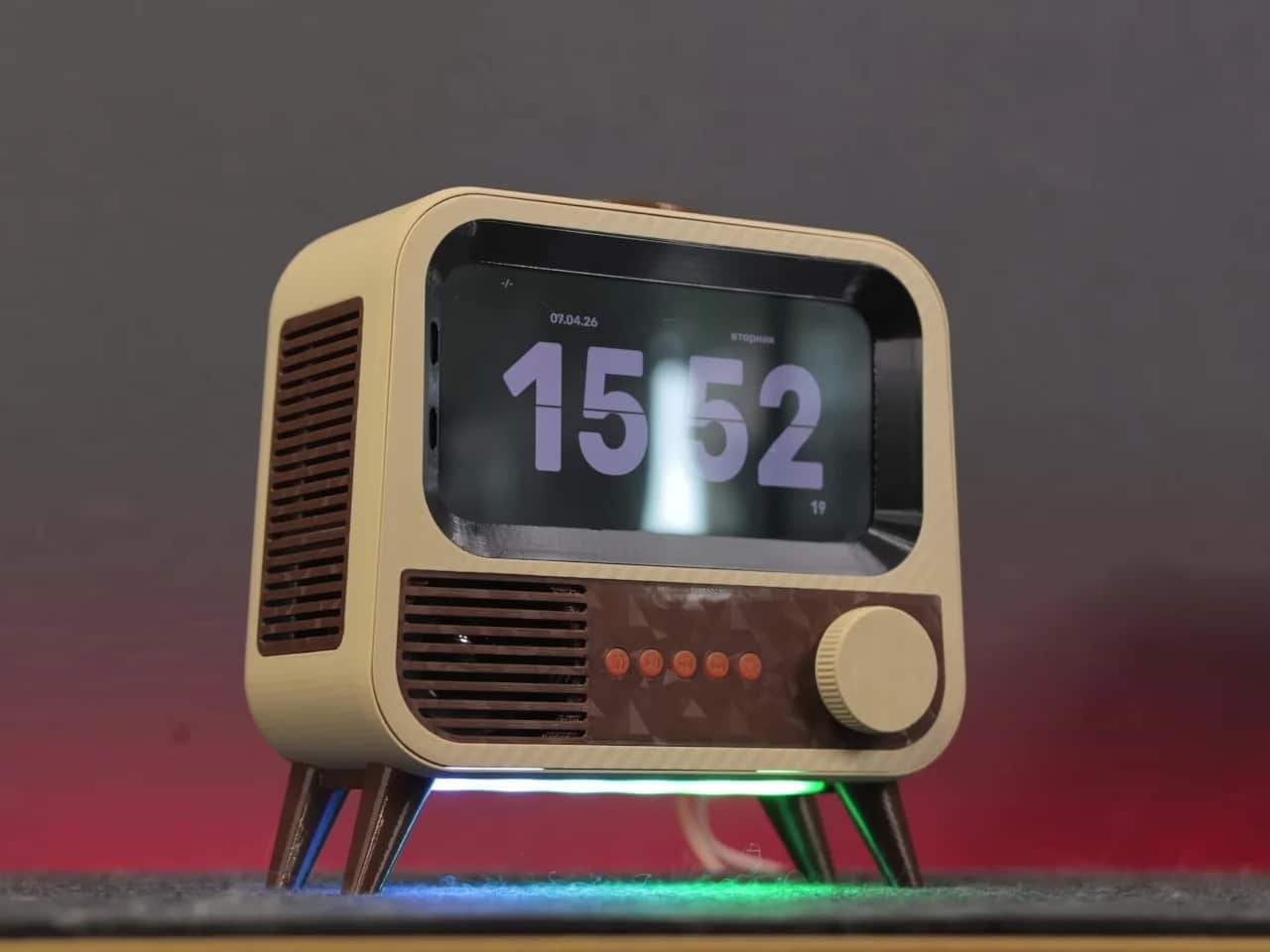
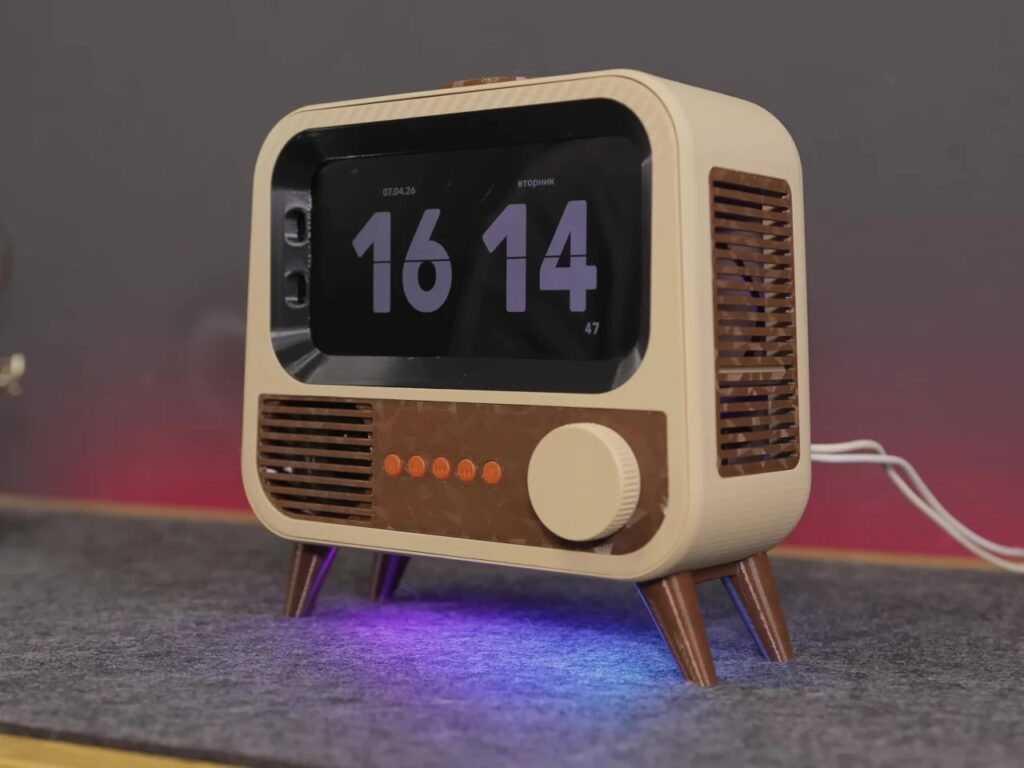
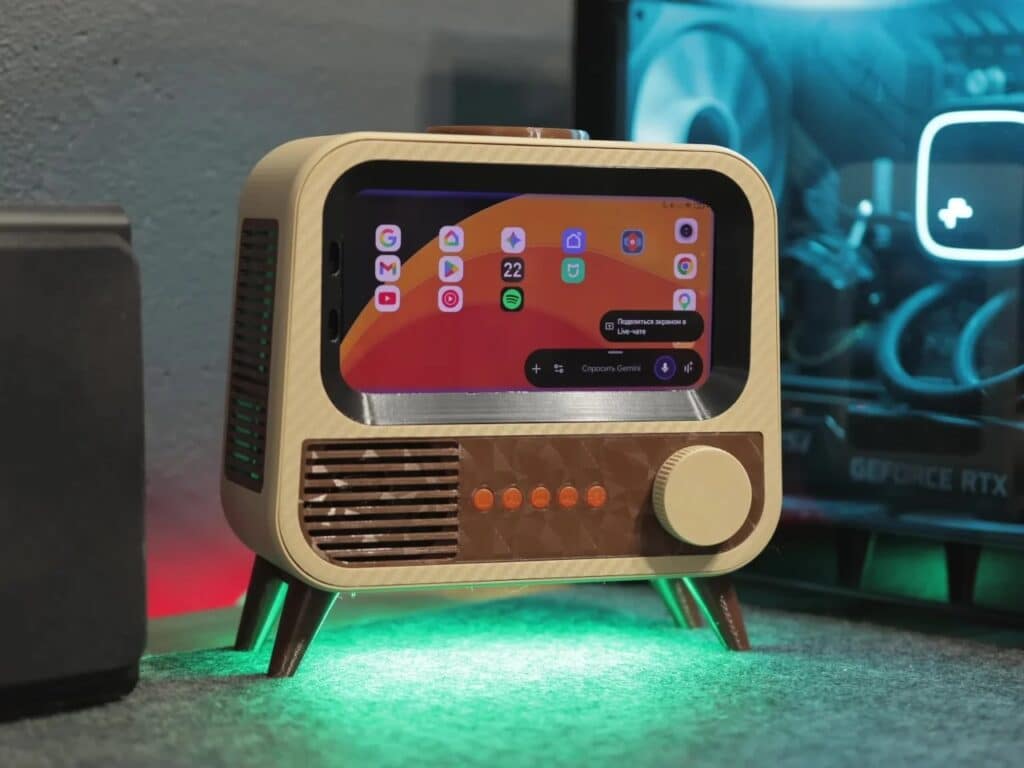
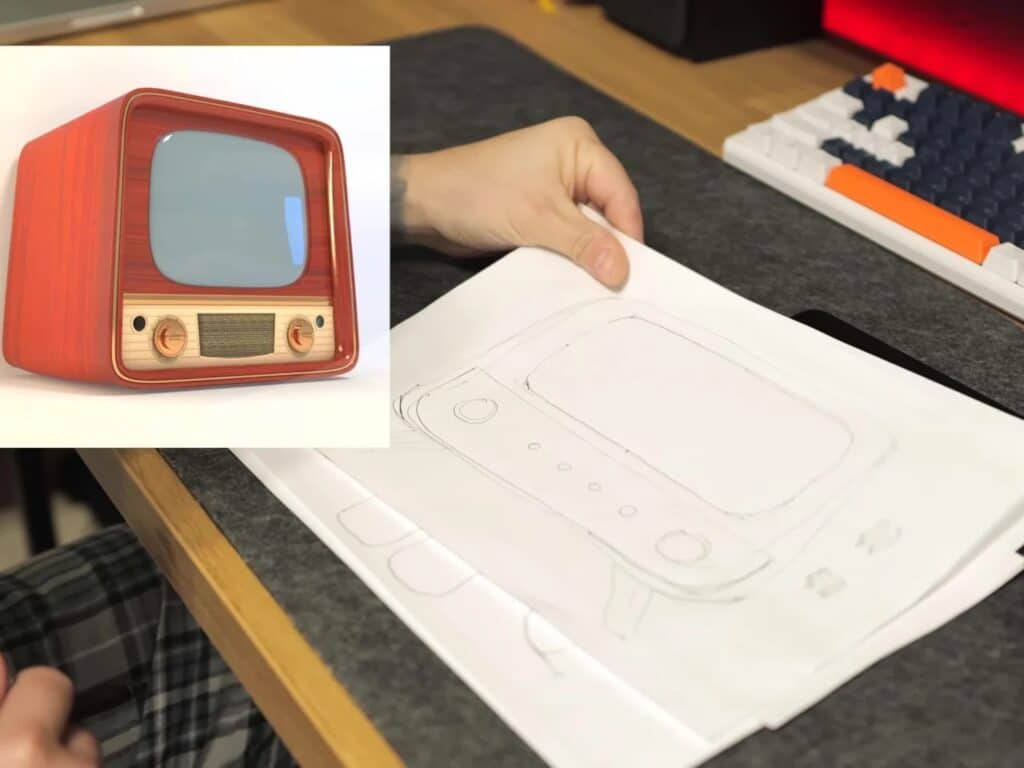
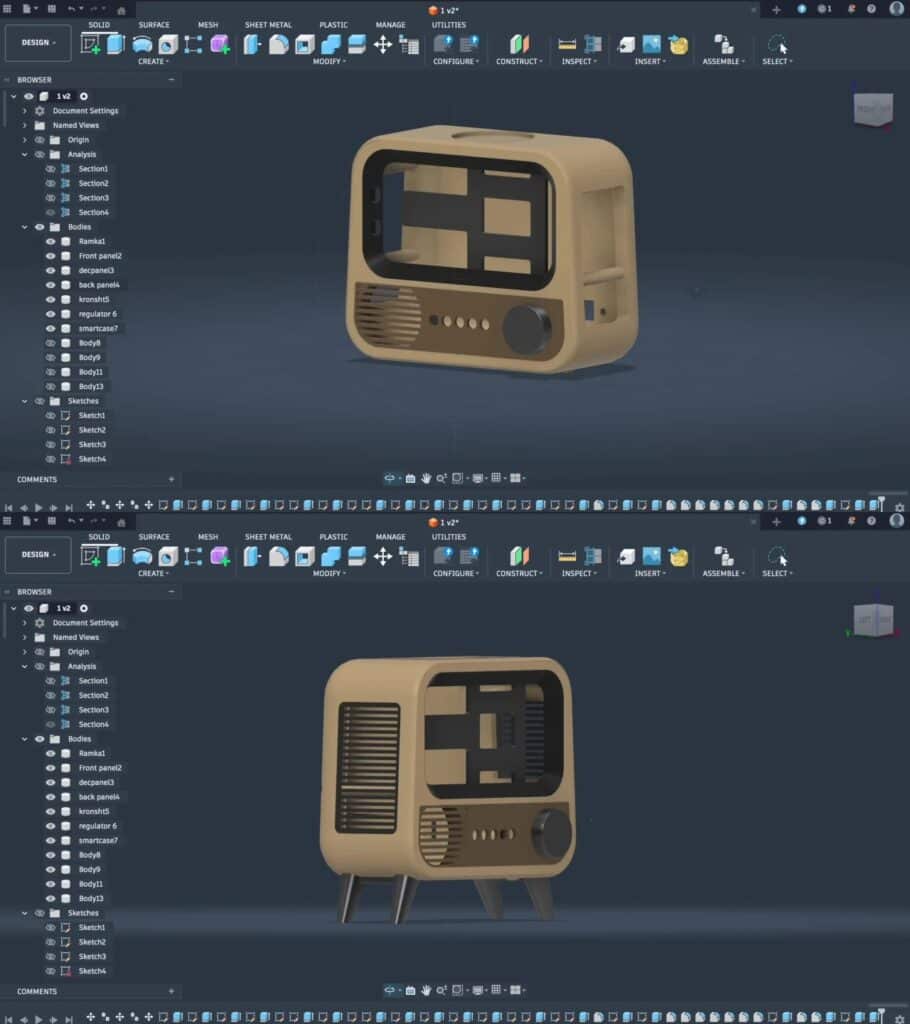
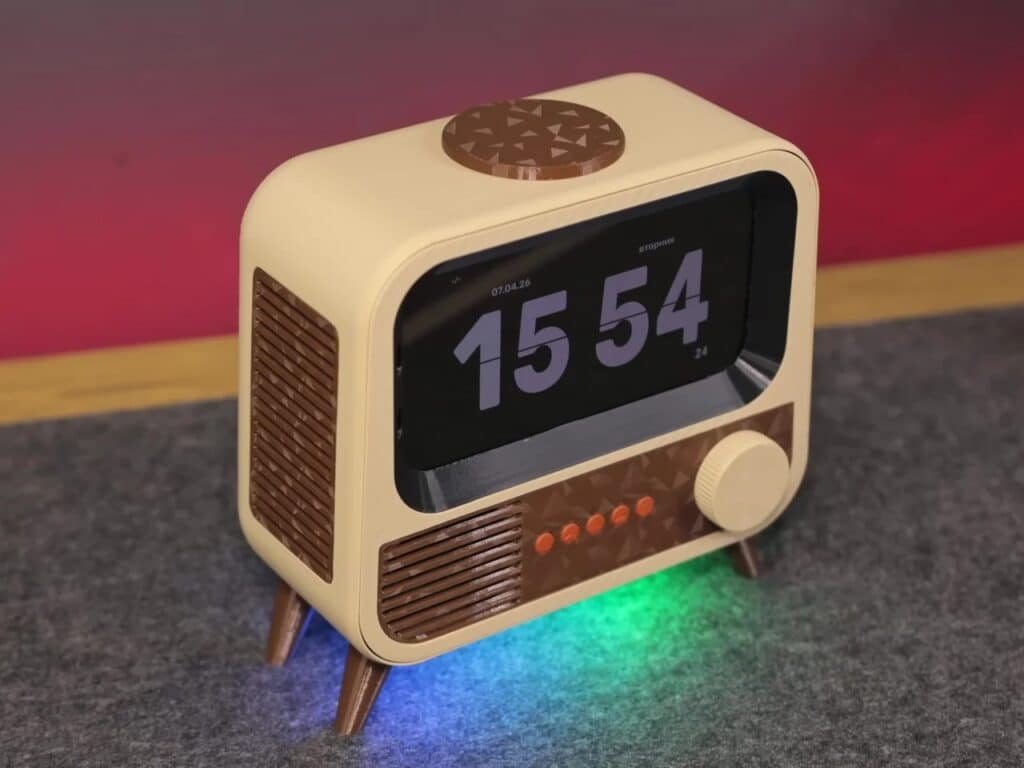
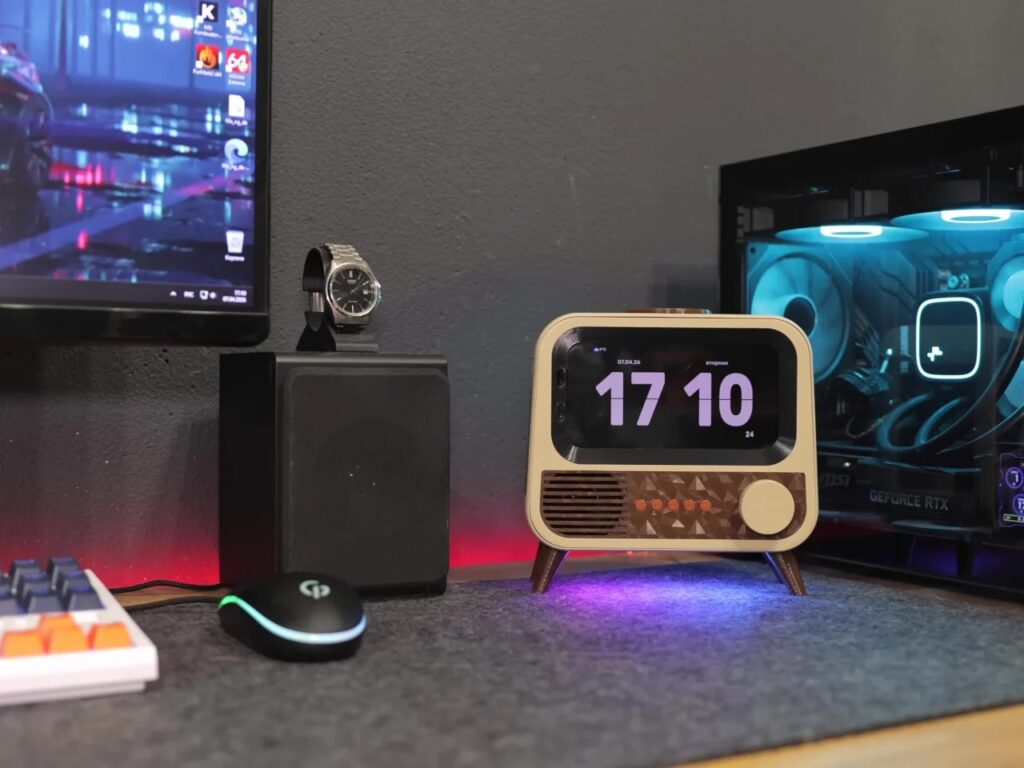
The external design relies on reinterpreting visual identity through inspiration drawn from vintage television sets, incorporating a front grille, physical control buttons, and decorative legs. In parallel, 3D-printed components are used to integrate the phone’s elements, such as sensors and the camera, into a unified structure, while preserving the intended visual character from multiple viewing angles.
Repurposing Hardware and Integrating Artificial Intelligence
The system is based on the idea of utilizing outdated hardware that has been phased out of conventional consumption contexts, transforming it into an alternative smart speaker. When queries are made, the Google Gemini model handles conversational interaction and generates responses, eliminating the need for a dedicated processor or a modern development board. In this way, the system operates on a hardware foundation that would otherwise be discarded, while maintaining computational functionality through a cloud-based artificial intelligence layer.
Integration with Smart Home Systems
Beyond its conversational function, the device is connected to the Google Home ecosystem to expand its role within the domestic environment. This integration enables control over connected smart devices, as well as the execution of pre-programmed routines via voice commands. As a result, lighting can be activated, temperature adjusted, or sequences of automated actions triggered, with voice inputs translated into operations within the smart home system through an interface that appears outwardly simple in form.

System Stability and Hardware Constraint Mitigation
Achieving operational stability was not entirely straightforward. It became evident that the Bluetooth module in the old phone would automatically shut down after approximately 20 minutes of inactivity, effectively disrupting the entire system. To address this, a technical workaround was implemented by continuously running an inaudible 6 Hz tone in the background, ensuring operational stability.
Expanding Functionality into Daily Use
Beyond its voice capabilities, the device is not limited to conversational interaction. It also functions as a wireless charger and a desktop display. This multifunctionality gives it a practical presence even when voice interaction is not in use.
Rethinking the Value of Technical Hardware
Through this model, the idea emerges that hardware dedicated to artificial intelligence does not necessarily depend on high cost or cutting-edge technology. In contrast, commercial devices often follow a short usage cycle that ends in replacement. Here, however, repurposing overlooked components within a visual framework inspired by classic television design creates a system that does not rely on conventional consumption logic, but rather on the functional recycling of hardware.

✦ ArchUp Editorial Insight
The Handmax workshop system emerges from the overlapping cycles of smartphone obsolescence and the relocation of computation to the cloud, where a discarded phone is redefined as a low-cost edge node within the Google Gemini and Google Home architecture. The primary driver is not design, but the misalignment between the residual hardware capacity of devices such as the Xiaomi Mi 8 and the demands of cloud-based artificial intelligence, prompting a shift of processing beyond the device itself. Points of friction surface in power management constraints and the Bluetooth module’s tendency to shut down after idle periods, necessitating the maintenance of system activity through a low-frequency signal to preserve operational state. The result is a reconfiguration of the domestic device as a compliance interface between residual physical hardware and cloud service infrastructure, where technological consumption is transformed into an extended operational layer rather than a cycle of full replacement.