Album Sprinter Camper Van: Multi-Functional Design

Design Principle and the Shift Toward Functionality
Mercedes-Benz Sprinter camper vans are built on a concept aimed at achieving a balance between practical use and the ability to travel. In this context, Vanspeed, as a case study, relies on the Sprinter platform to develop designs that focus on multi-functional performance rather than formal or decorative additions.
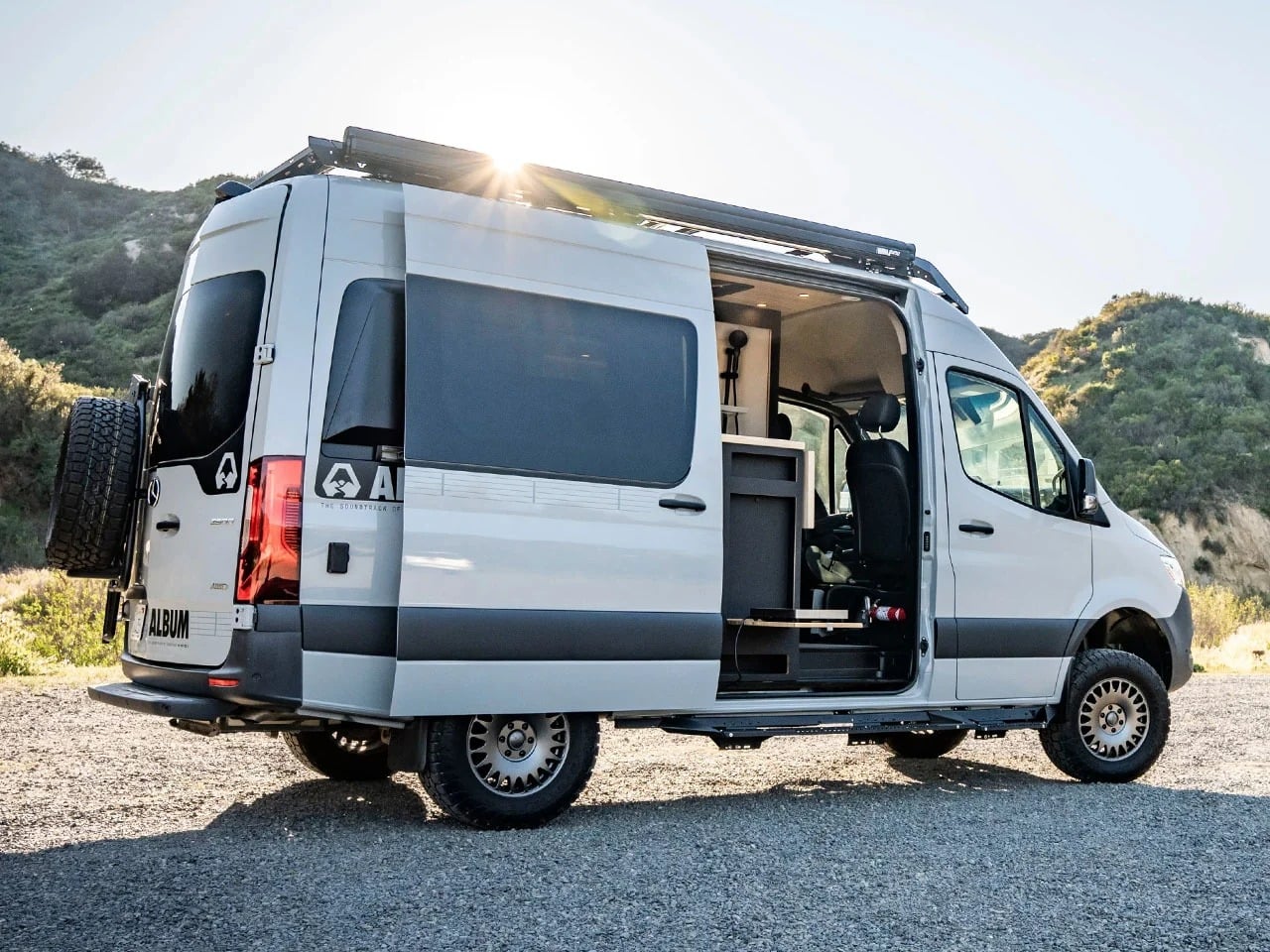
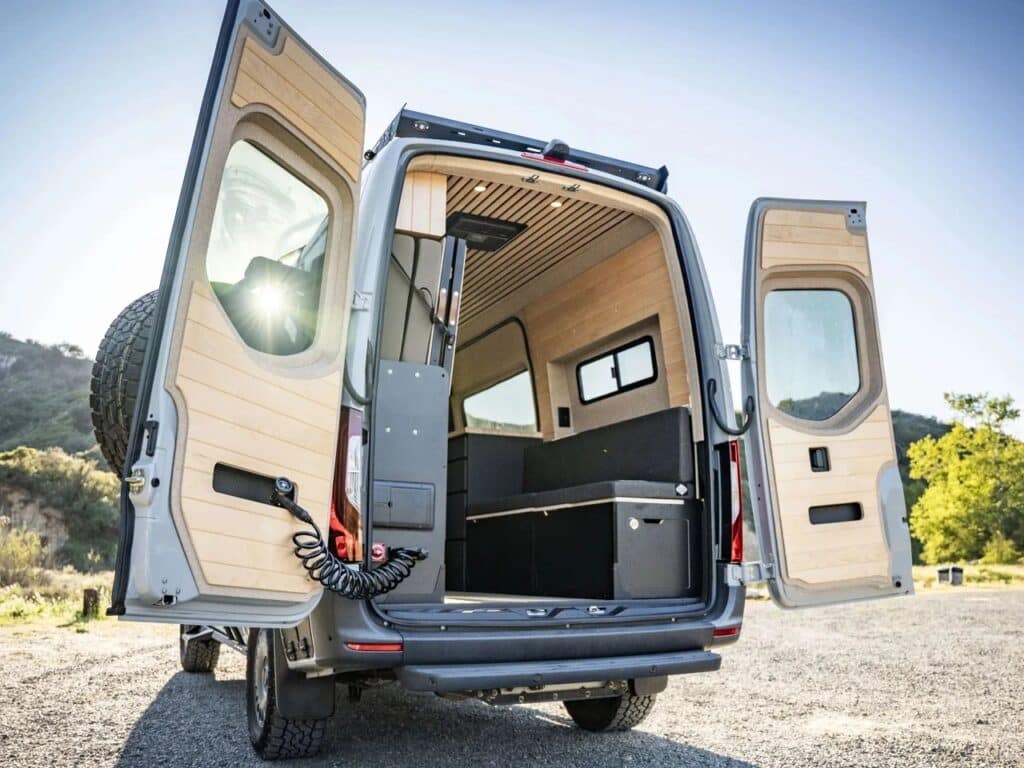
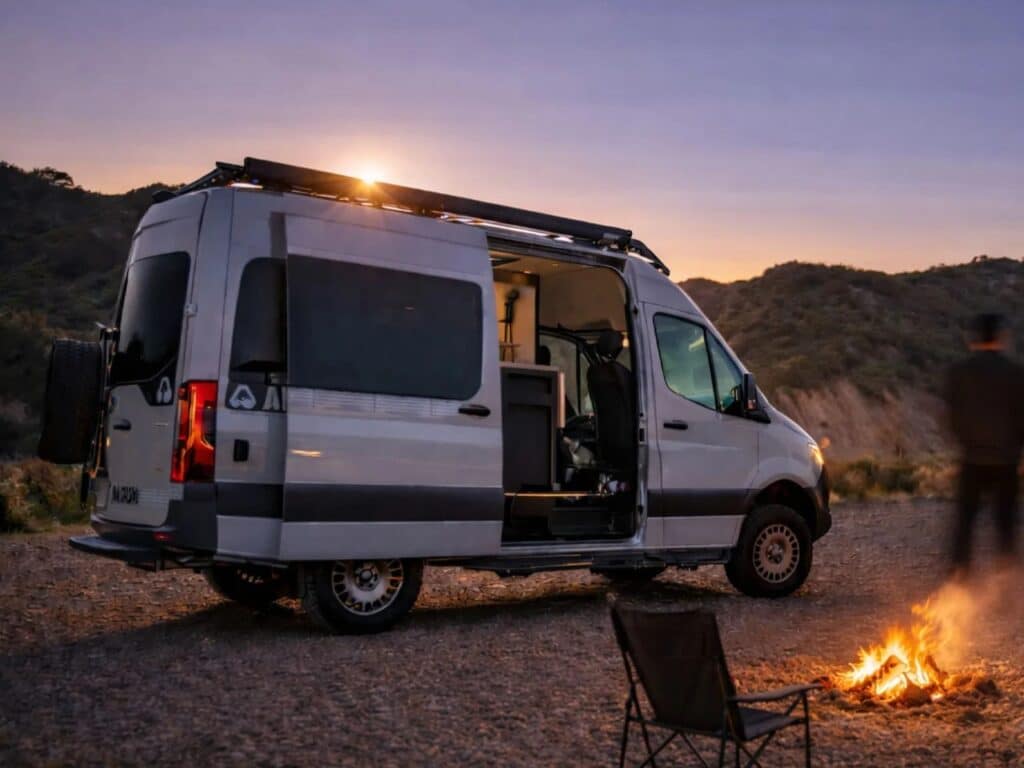
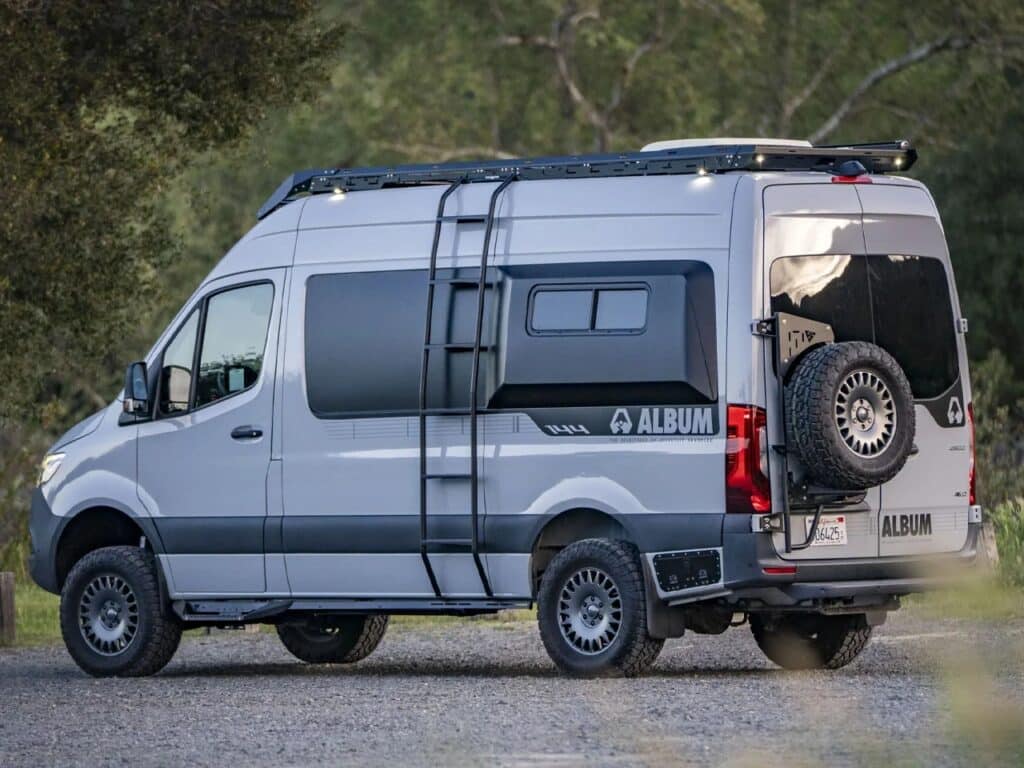
The Album camper van model is based on the Sprinter 144 AWD platform, with a design approach that preserves a simple exterior structure without any obvious additional visual elements, except for a side ladder used to access the extended roof rack.

Interior Spatial Organization and Functional Flexibility
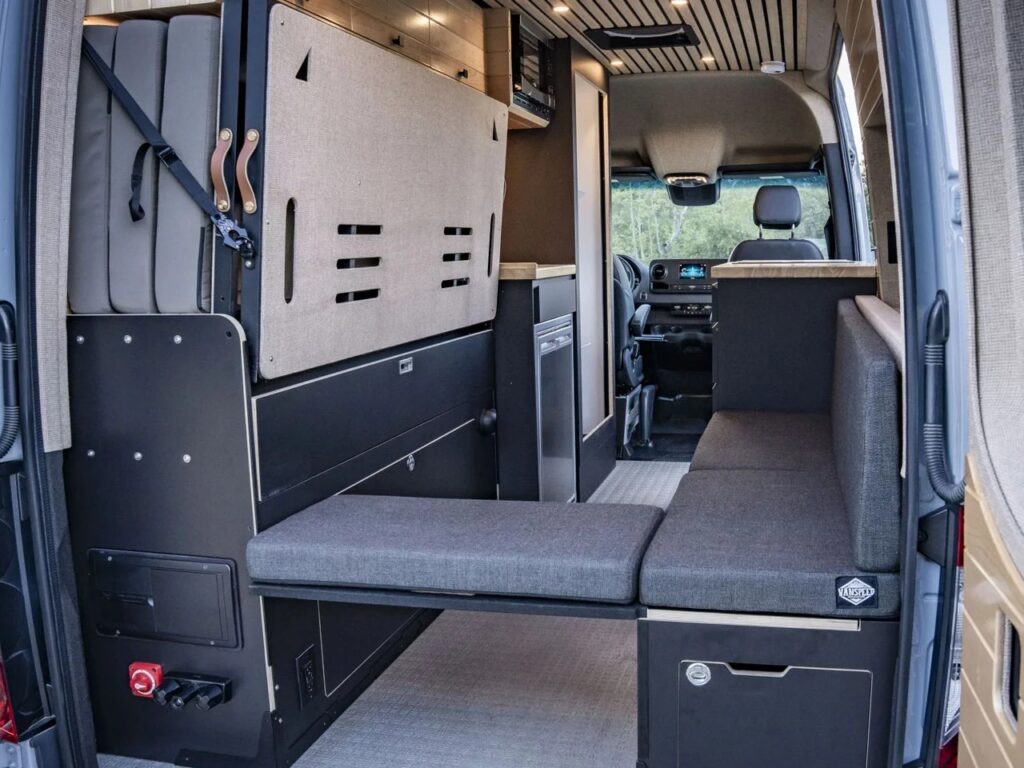
From the inside, the design reflects a clearly functional approach to space distribution. The interior system integrates adaptable elements suited for different uses, including a Murphy-style bed and the option to remove some or all of the seats.
As a result, the central aisle transforms into a flexible area that can be used for storage or for transporting equipment such as bicycles and surfboards, reinforcing the concept of multi-functionality within a limited space.
Materials and Interior Composition
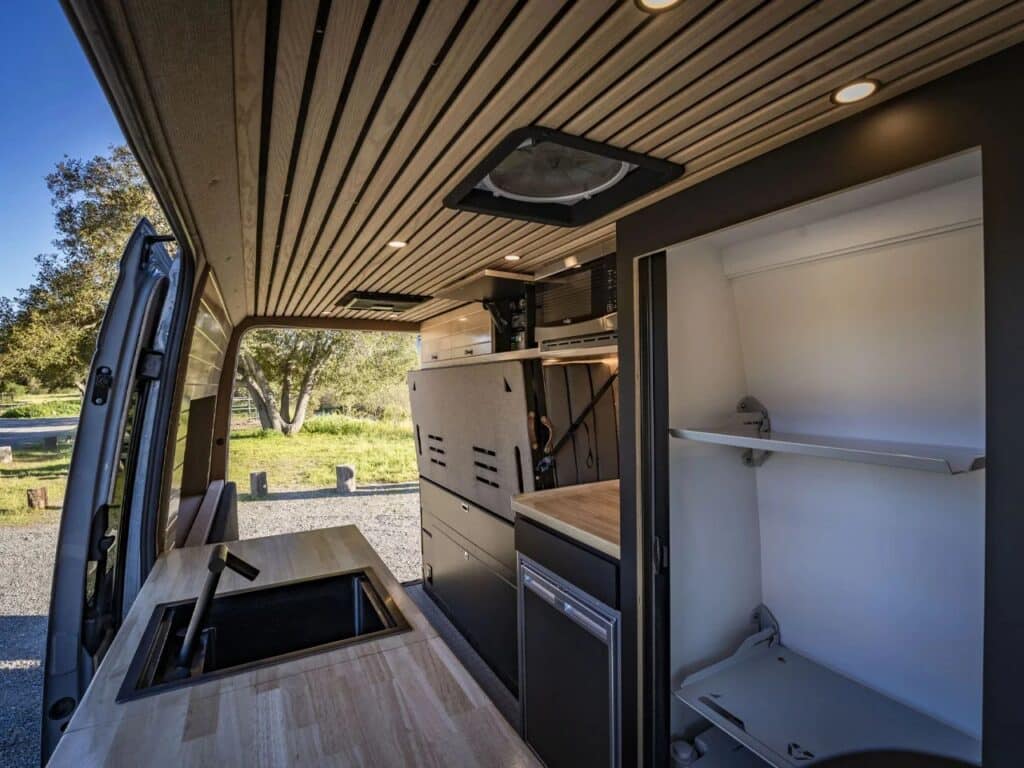
The interior design relies on full wooden cladding that covers the entire space, creating a unified visual character and enhancing the sense of warmth within a compact environment. At the same time, the interior elements are arranged in a functional manner that allows for multiple uses without visual clutter.
Functional Transformation of Space (Day/Night)
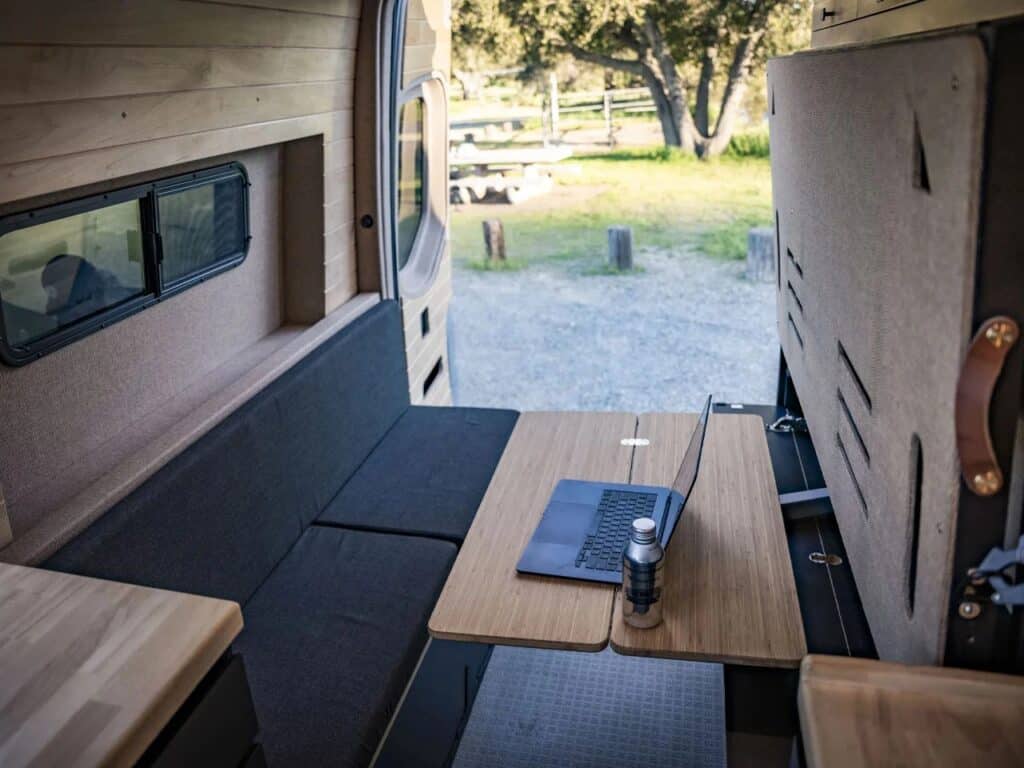
During the daytime, the Murphy bed folds up and is secured to the driver-side wall, freeing up the living space. The area can then be reconfigured using an L-shaped seating arrangement with a hidden swivel table that extends from an opposite storage unit, along with a detachable sofa that completes a fully integrated seating zone.
At night, the Murphy bed is lowered again to form a sleeping platform approximately 203 cm in length, supported by side brackets fixed to the walls, without affecting the storage units or the living space underneath.
Kitchen, Bathroom, and Power Systems
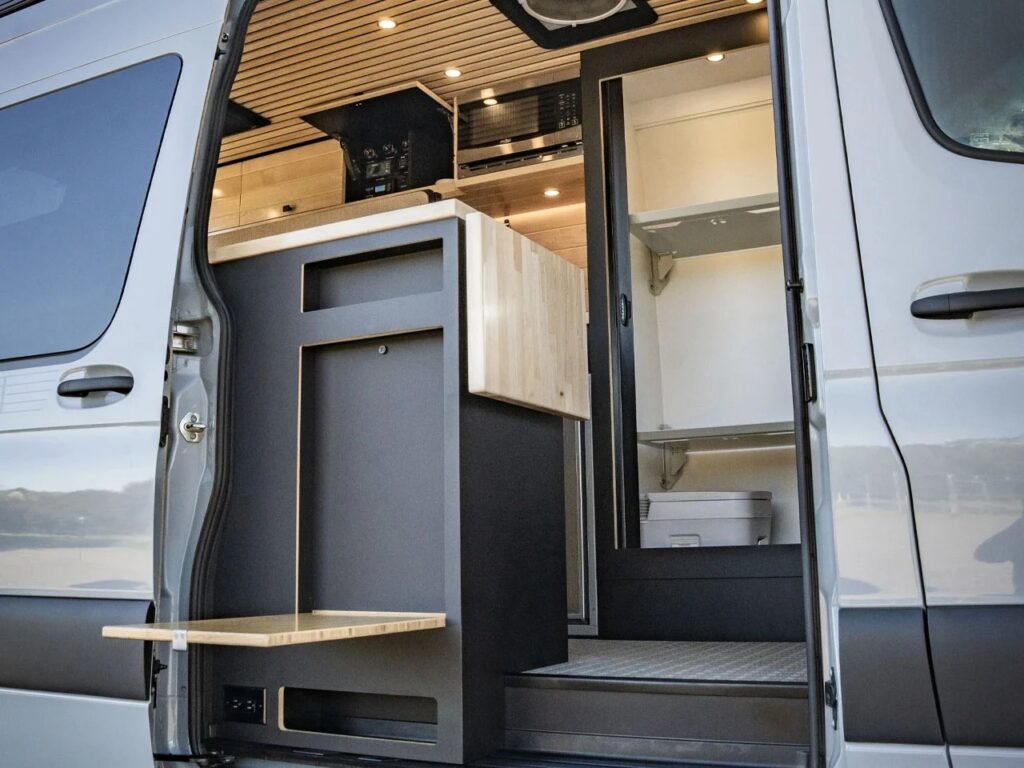
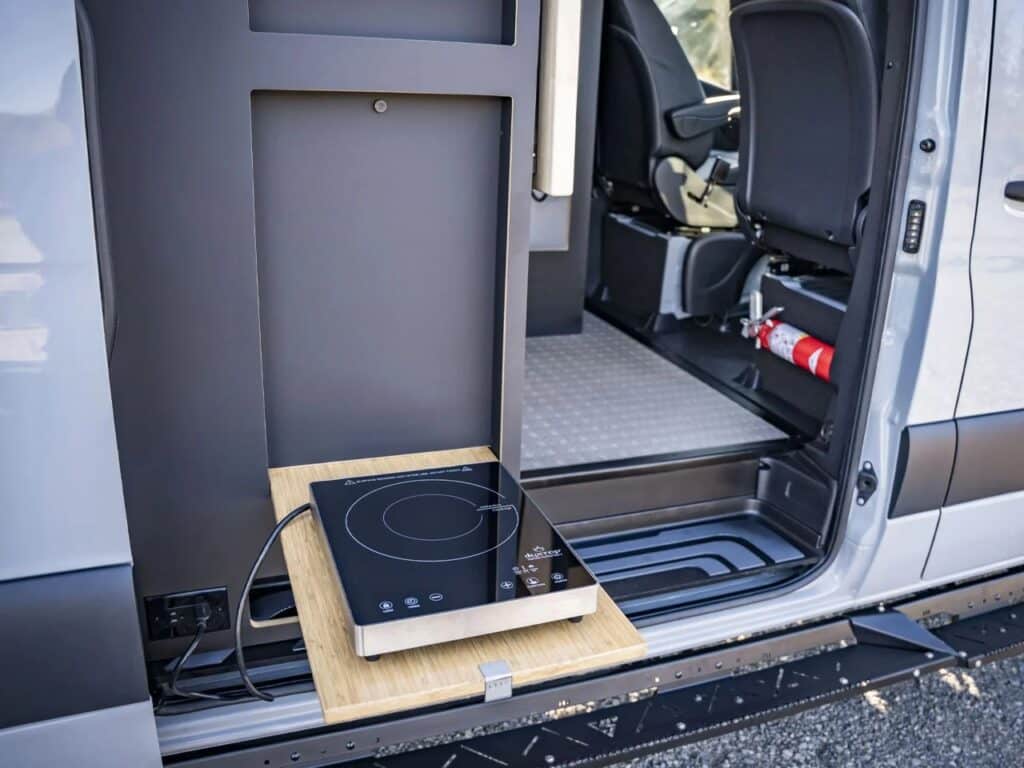
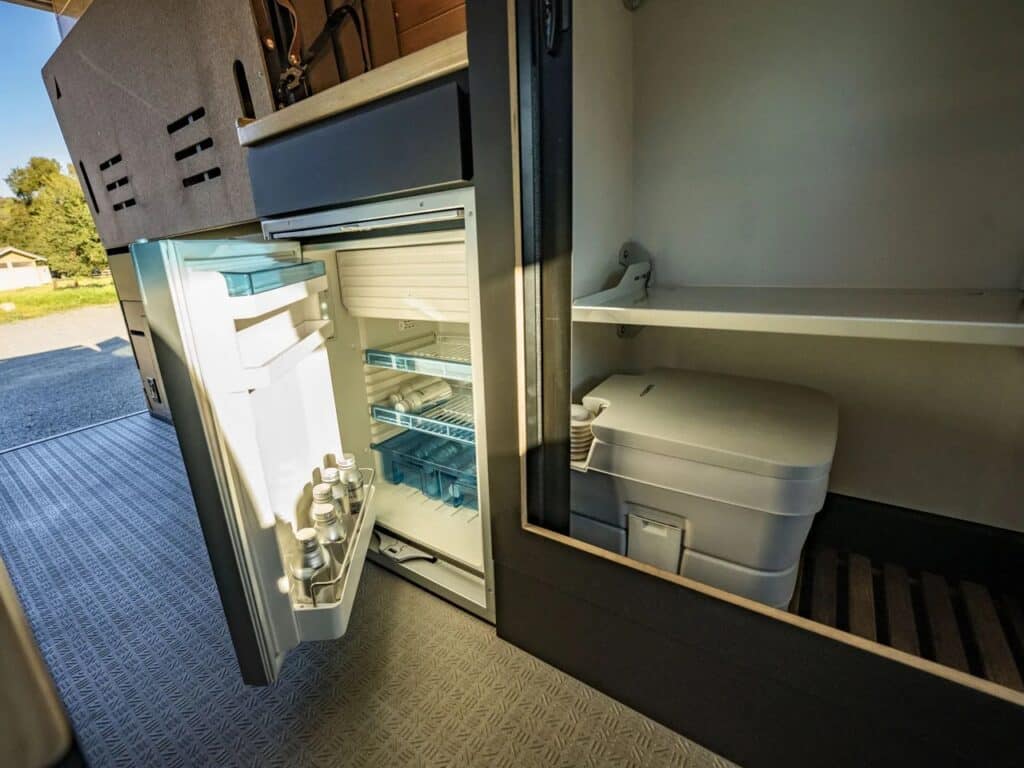
At the front section of the vehicle, there is a compact kitchen area accessible from the side entrance. It includes a portable induction stove and a refrigerator located beneath the work unit, along with an extendable surface for outdoor cooking use. Adjacent to this, the wet bathroom features a shower and a removable portable toilet, along with foldable storage units.
The operational system is powered by a lithium battery setup, enabling extended daily use beyond short-stay durations.


✦ ArchUp Editorial Insight
The Album camper van, built on the Mercedes-Benz Sprinter 144 AWD, functions as a delayed outcome of the light commercial vehicle conversion ecosystem, where value is generated through modular reconfiguration rather than the development of a new chassis. The primary driver emerges from the expansion of flexible mobility markets linked to remote work, recreational vehicle financing, and post-purchase customization systems. Regulatory compliance constraints, load distribution requirements, and multi-purpose usage conditions exert pressure that leads to a reduction of interior space and a preference for removable systems.
Insurance requirements and durability standards further push the design toward minimizing aesthetic variation and adopting standardized components such as Murphy beds, lithium power units, and prefabricated bathroom modules. The resulting interior space becomes a compromise between cargo logic and temporary habitation logic, where the system preserves the operational mindset of a commercial vehicle even in residential mode. This reflects the continued dominance of platform reuse models over genuine architectural or structural innovation.