The Bahrain Pavilion at the Venice Biennale examines the nature of refrigeration infrastructures

The Bahrain Pavilion at the Venice Biennale examines the nature of refrigeration infrastructures,
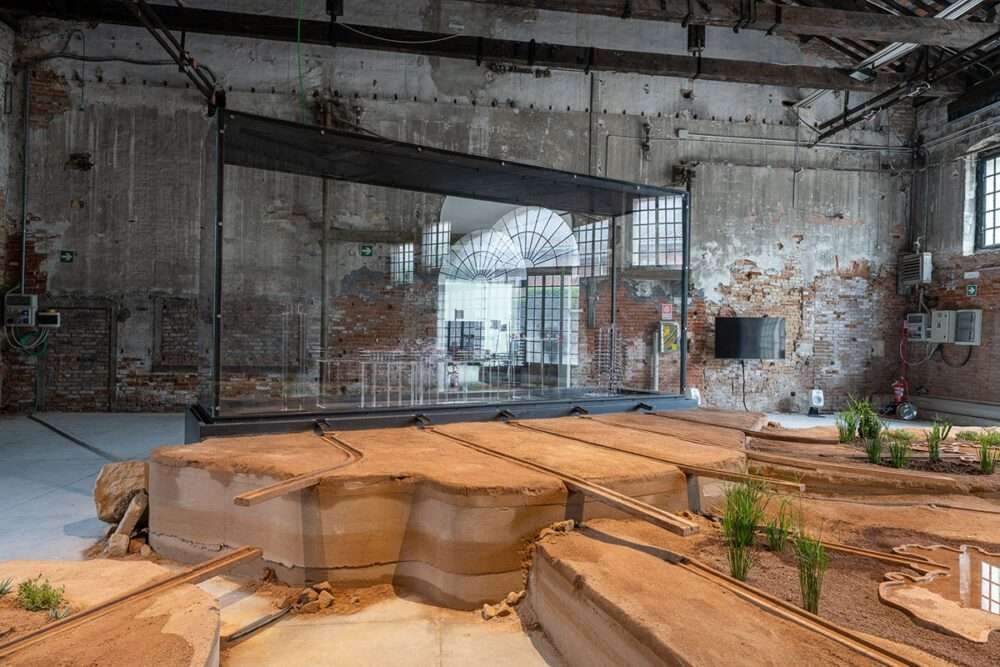
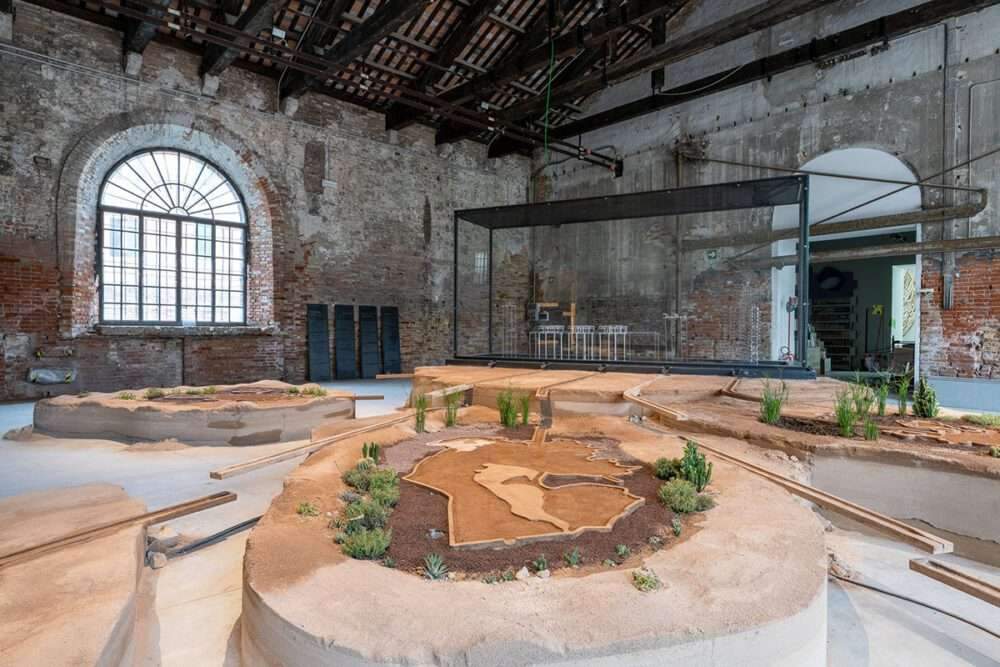
The Bahrain Pavilion installed a group of landscaped islands to explore the status of cooling infrastructures,
On broader ecosystems at this year’s Venice Architecture Biennale.
The exhibition is named Sweeting Assets,
It is located in the Place Arsenale and draws attention to the climatic conditions and the environment.
The exhibition was commissioned by His Excellency Sheikh Khalifa bin Ahmed Al Khalifa,
President of the Bahrain Authority for Culture and Antiquities.
By Latifa Al Khayyat Architects and Mariam Al Jumairi.
Sweeting Assets entails using existing systems to their best potential rather than starting over.
Our built environments, infrastructure, and relationships are a complex
and resource-rich landscape with offerings that are often overlooked.
Design features
In particular, this exhibition highlights the water generated through the interaction of cooling systems with Bahrain’s hot and humid climate.
Excessive use of air conditioners is not encouraged in any way.
And broader research reveals the potentials (rather than the solutions) that are made through their inevitable consumption.
The exhibition looks at the unique climatic conditions of extreme heat
and humidity combined with the current requirements for comfort in Bahrain.
The exhibition navigates scales – from local to regional,
and highlights the position of cooling infrastructure in relation to the broader ecosystem.
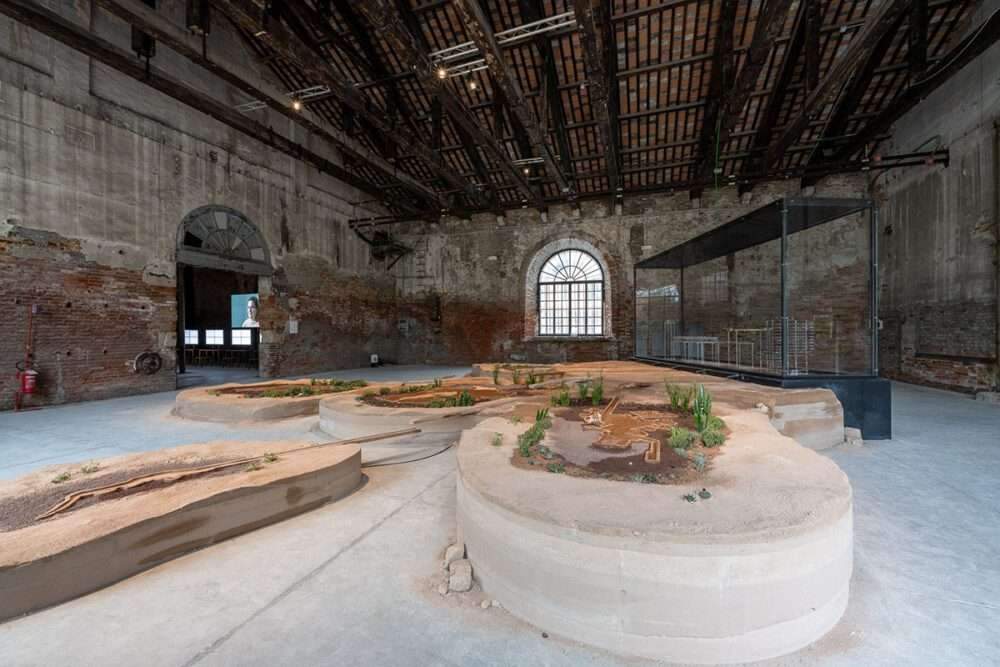
The curators evaluate the Sweating Assets exhibition from an adaptive resource management perspective,
and exploring ways to discover how to work with the best capabilities in existing systems rather than starting over.
The pavilion takes into account Bahrain’s extreme conditions of high temperature and humidity,
and shows that air conditioning produces relatively high condensate.
With this unintended by-product of human activity, loose ends are tied up,
and redirecting water to other parts within the larger environment.
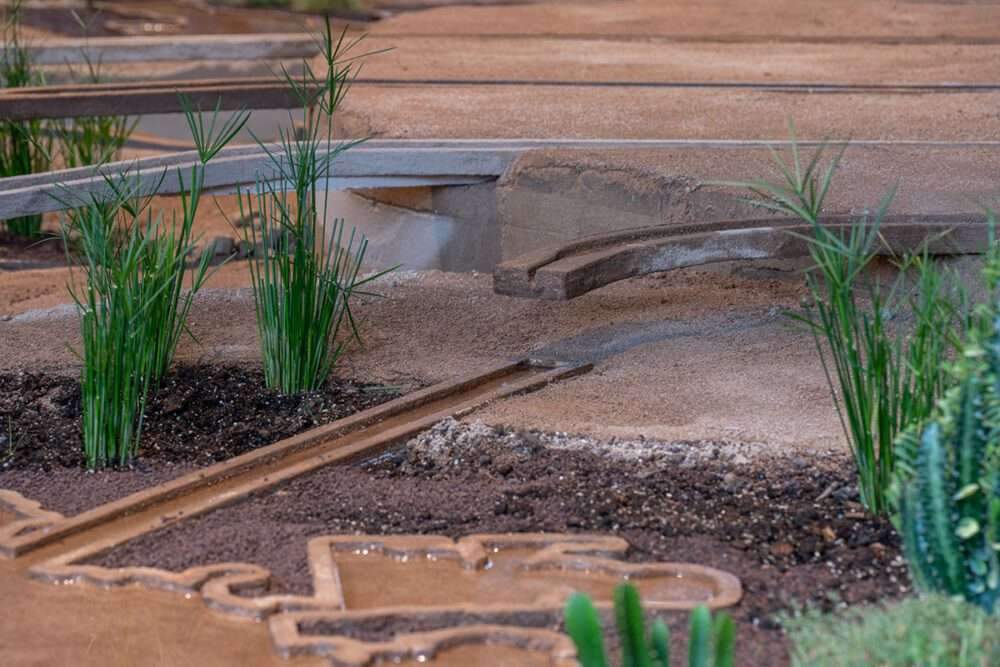
The exhibit displays a microenvironment of coordinated temperature, humidity, and condensation.
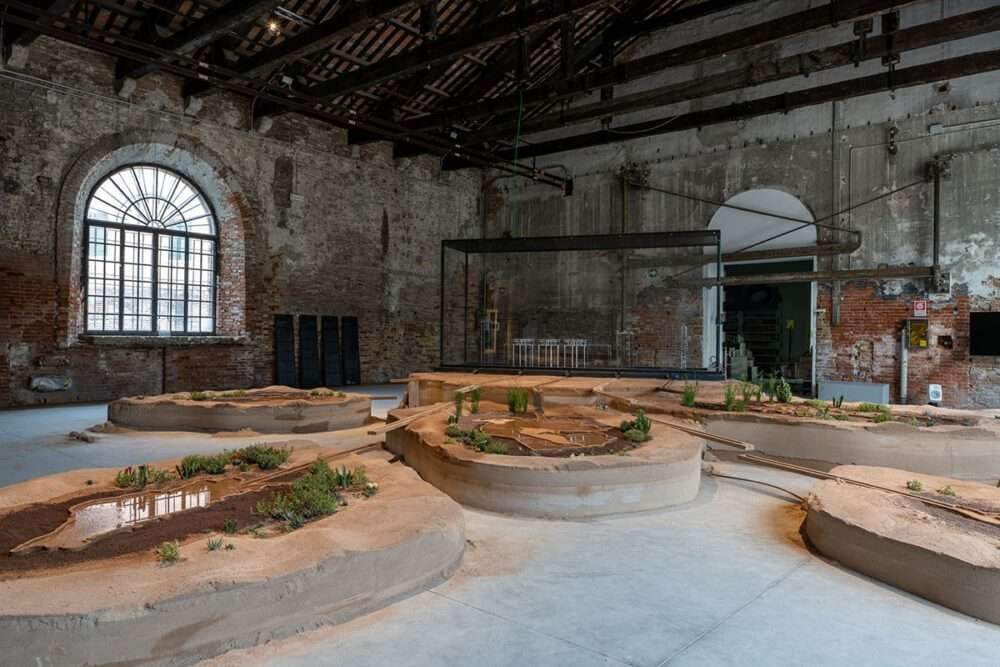
The suite conveys the omnipresent conditions and experiences of life on the island.
The pavilion stated that the completion of Climate Import is an invitation to collect
and redirect the occasional condensate reserves towards wetlands and agricultural areas that need regeneration.
The curators place a man-made landscape adjacent to a cold condensation volume,
Which indicates the division of industrial systems against transient environmental bases.
This volume is a symbol of the ever-chilled and intense living attachments.
When the dense air in the gun comes into contact with the volume,
at the dew point temperature, water continually shoots across its surface.