Versace Mansion in Miami: An architectural masterpiece that combines luxury and history


Introduction: A symbol of luxury that has become a global icon
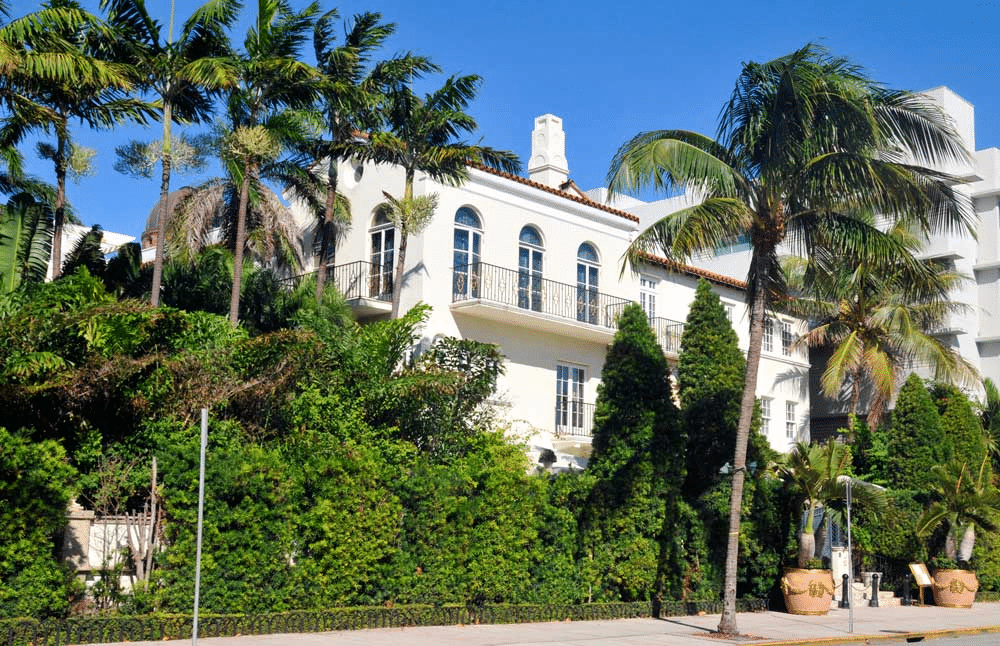
The Versace Mansion, officially known as Casa Casuarina, stands in the heart of Miami Beach as one of the most famous luxury landmarks in the United States. This mansion is not just a luxury home, but an architectural expression that embodies art and boldness in design, and is a testament to the vision of Gianni Versace, the iconic designer who transformed it into an artistic masterpiece that reflects his unique personality.
The mansion was built in 1930 by architect Alden Freeman, but it gained global fame when Gianni Versace purchased it in 1992 and transformed it into an unparalleled architectural landmark, using his bold style and luxurious touches. Today, the mansion has become a luxury hotel and a tourist site that attracts those interested in design and architecture from all over the world.
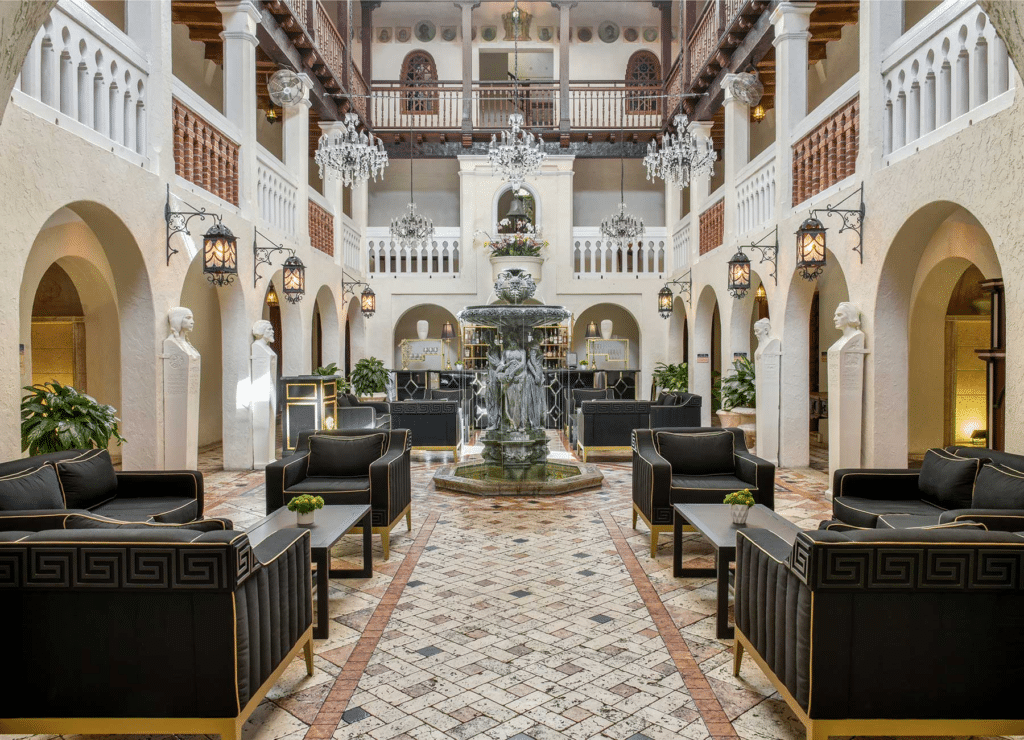
Architectural History: From Classic Villa to Versace’s Luxurious Mansion
Original Construction by Alden Freeman (1930)
- Freeman was inspired by Christopher Columbus’s home in Santo Domingo, giving it a classic European feel mixed with Mediterranean influences.
- The design relied on luxurious limestone, giving it a luxurious appearance that was durable in the face of Miami’s humid climate.
- The original version of the mansion contained 24 suites and decorations inspired by the Spanish Renaissance.
Redesigned by Gianni Versace (1992 – 1997)
When Versace purchased the mansion, he embarked on an ambitious project to transform it into a unique architectural masterpiece:
- He spent $33 million on major renovations to the mansion.
- He added a new southern wing, increasing the total area of the palace to 2,100 square meters.
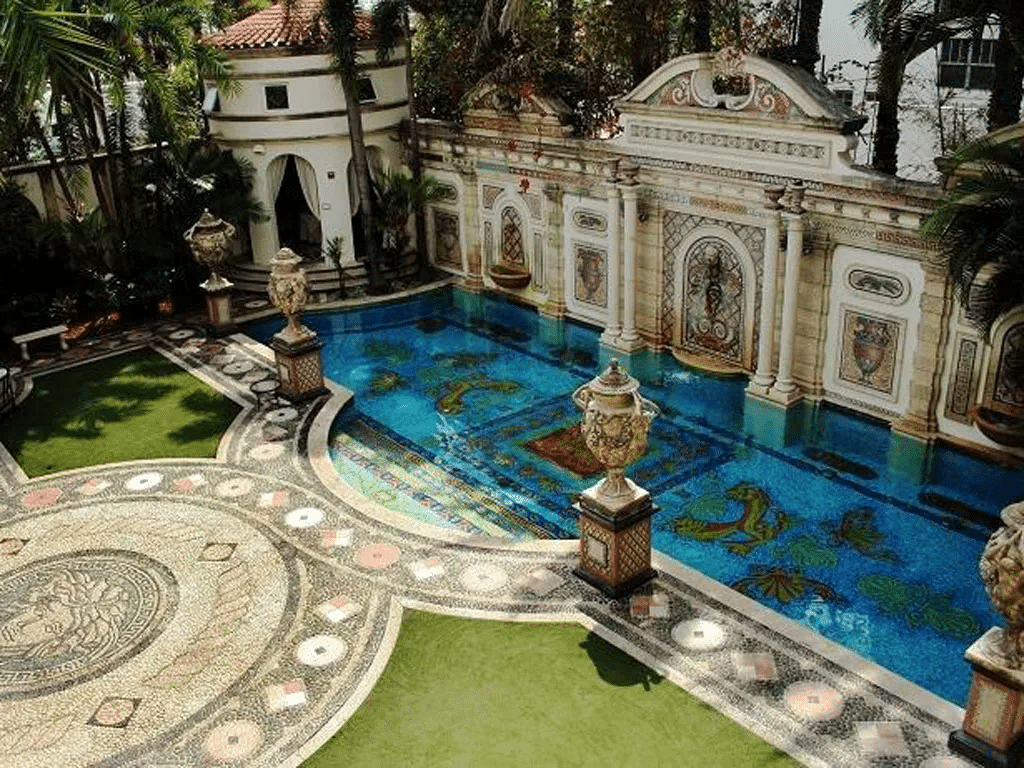
- He decorated the walls and corridors with mosaics inspired by ancient Roman and Greek art.
- He created a luxurious 16-meter-long swimming pool, covered in 24-karat gold, making it one of the most luxurious swimming pools in the world.
- He added elements of Baroque and Italian Classic, giving it a sense of luxurious royalty.
Architectural Style and Interior Design
Architectural Style:
Versace Palace represents a stunning blend of the following architectural styles:
- Italian Classical Style: Inspired by the Renaissance palaces of Florence and Rome.
- Spanish-Moorish Influences: Appeared in the arches, mosaics, and stucco decorations.
- Art Deco: Reflecting the golden age of Miami Beach in the 1920s.
Interior Design:
- Rooms are decorated with mosaics and gold, reflecting the luxury of the Versace brand.
- Floors are made of luxurious marble imported from Italy, Spain, and India
- The corridors are filled with colorful decorative murals that reflect the royal character of the Versace family.
- Luxurious marble columns and ornate decorations create a sense of majesty and sophistication.
Materials used in construction and renovation
1. Limestone and Granite:
- Freeman used solid limestone in the original construction.
- Versace added granite imported from Brazil and India to enhance the luxury of the interior design.
2. Italian and Spanish Marble:
- The white and black marble was imported from Carrara, Italy.
- Hand-carved Spanish marble was used in the interior corridors.
3. Gold and Mosaic:
- 24-karat gold leaf was used in the decoration of the pool and ceilings.
- The walls were decorated with hand-made mosaics made in Venice, adding a touch of elegance to the Romanesque.
Different views on the palace’s influence on the world of architecture and art
1. The view of architectural historians
Many historians see the Versace Palace as a transformation in luxury architecture, redefining the concept of palaces in the modern era, combining royal luxury and Italian elegance in a charming design.
**2. *Interior Design Experts Analysis*
The mansion is an example of how classic design can be combined with modern elements, as Versace did not adhere to the traditional design but added his own touch, which made it an inspiration for many luxury projects.
3. Architects’ View on Versace’s Influence on the Building
Architects believe that Versace’s vision for the mansion was not just an architectural renovation, but a reimagining of how old buildings can be transformed into contemporary cultural landmarks.
4. Public Opinion and Cultural Influence
The mansion has become a symbol of popular culture thanks to its association with the world of fashion, and has been used as a filming location for films and advertisements, making it one of the most famous buildings in Miami.

Conclusion: Versace Mansion – An Enduring Legacy in the World of Architecture
The Versace Mansion in Miami remains one of the greatest examples of the fusion of luxury and history. What Gianni Versace did with this palace was not just a restoration, but a complete architectural transformation that made it a global icon of luxury and design.
From its classic Italian architecture to its golden details, the palace is a testament to the fact that architecture is not just a building, but an art that reflects the personal and cultural identity of its builder.
Today, the palace continues to amaze its visitors, not only because of its fascinating history, but also because of its amazing details that combine authenticity and innovation, making it one of the most magnificent landmarks in the world of luxury architecture.
Explore more in-depth architectural content through our main sections:
- Competitions: Stay updated on the latest architectural competitions and opportunities from around the world.
- Events: Discover global architectural events and exhibitions to broaden your knowledge.
- News: Catch up with the latest updates and trends in the architectural industry.
- Building Materials: Dive into technical insights and data sheets on cutting-edge building materials.