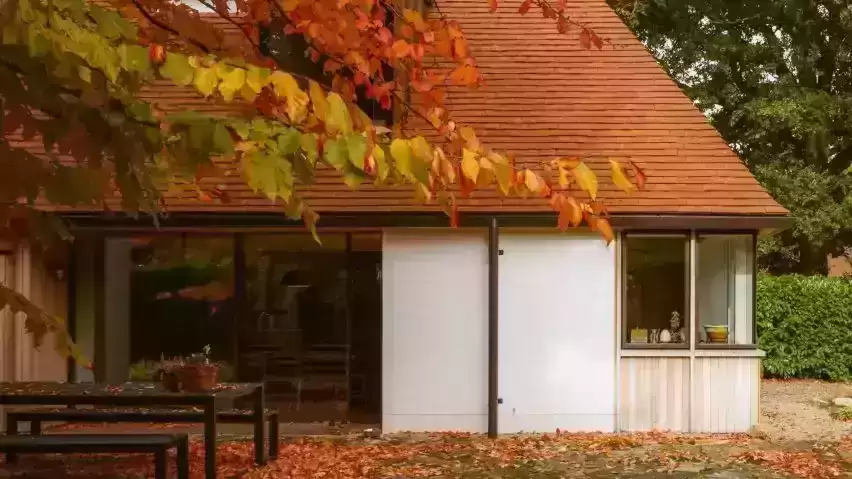
World Cities Day 2025 Towards People Centred Smart Cities

Introduction
Governments, organizations, and communities observe World Cities Day at the end of October each year, reflecting on urban transformations and opportunities for sustainable development in cities worldwide. The day highlights how urban planners and designers can create more inclusive, resilient, and human-centred cities, offering integrated and sustainable environments that improve residents’ quality of life.
Design Concept and Urban Approach
This year’s focus is on people-centred smart cities, where the core principle is integrating digital technology and artificial intelligence into urban planning to improve the everyday experience of residents. Cities are designed to respond effectively to their inhabitants’ needs, from mobility and transport to access to essential services.
Key urban design concepts include:
- Inclusivity and accessibility: Ensuring all social groups can use and navigate the city equally.
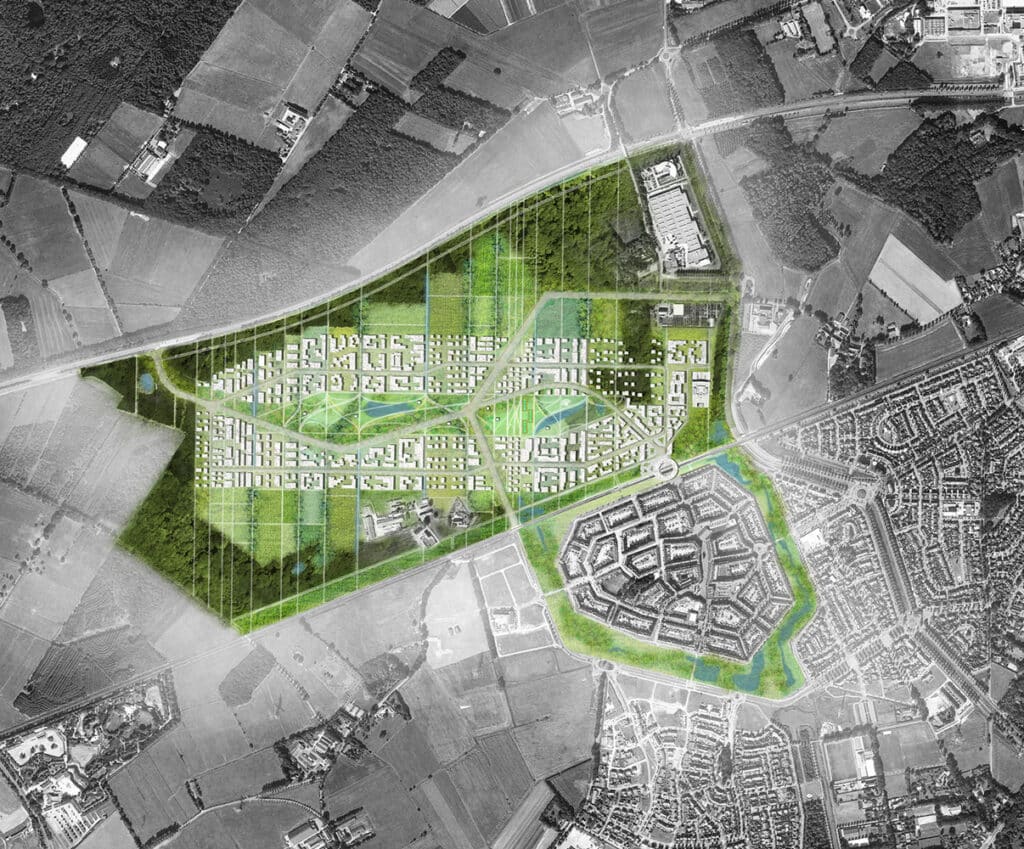
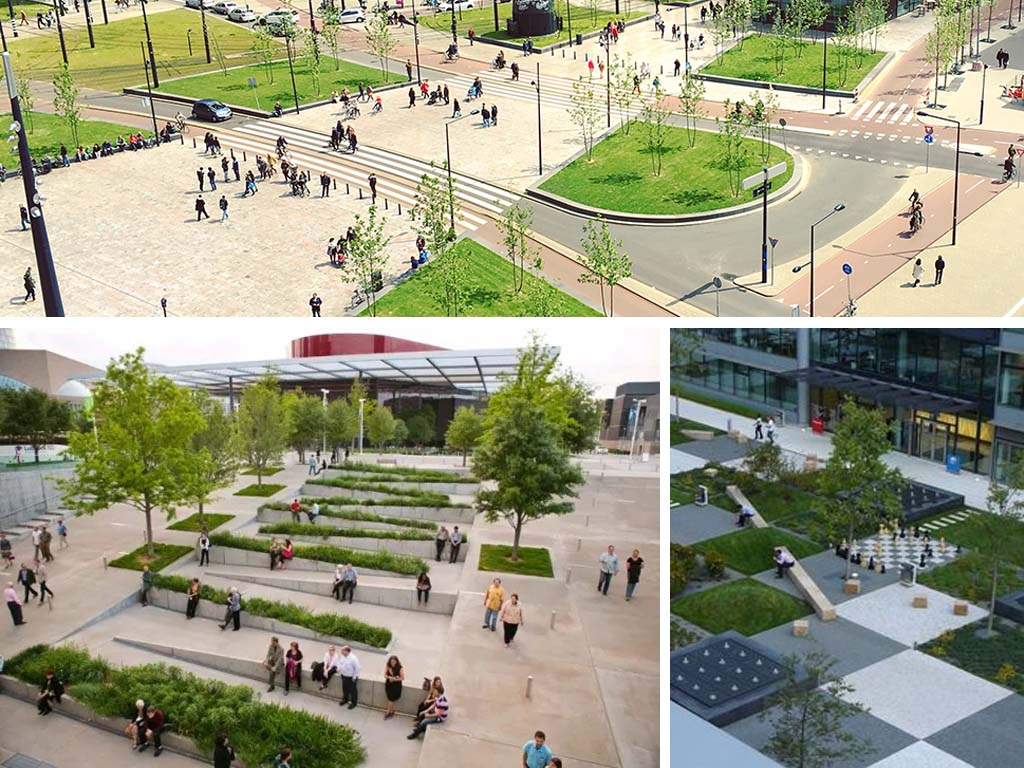
- Integration of natural and built environments: Combining green spaces, open pathways, and public areas within urban design.
- Data-driven planning: Utilizing digital information to monitor urban needs and optimize service delivery.
Sustainability and Environmental Interaction
People-centred smart cities rely on sustainable design and infrastructure solutions, such as:
- Developing flexible infrastructure that adapts to environmental and climate changes.
- Enhancing resource management—energy, water, and transport—through smart systems.
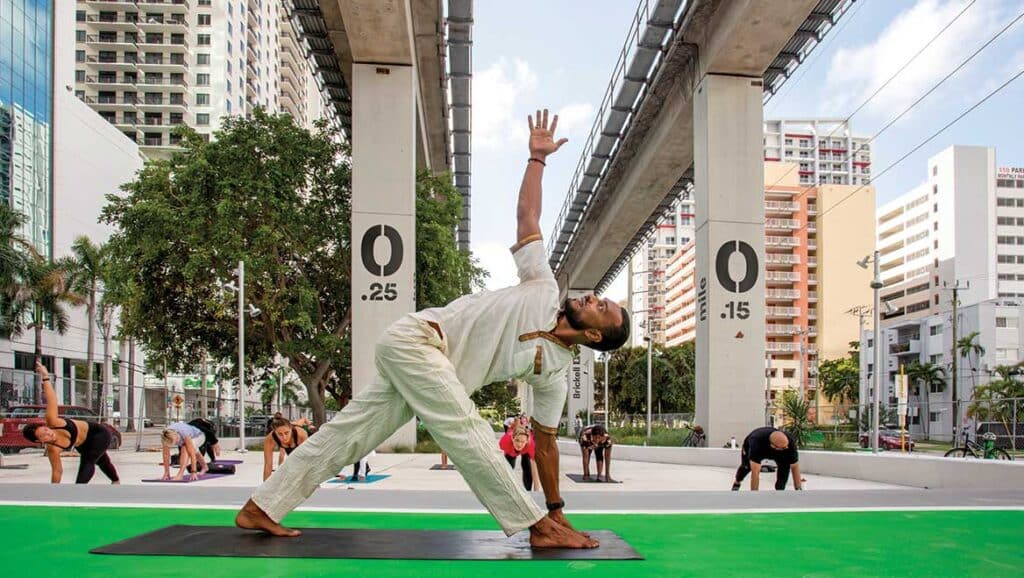
- Promoting community engagement and interaction to ensure urban decisions reflect local needs.
These initiatives reshape urban life, creating healthier, more efficient, and environmentally harmonious cities while maintaining high quality of life for all residents.
Urban Analysis
- Urban design prioritizes people over mere form or technology.
- Promotes social inclusion and reduces disparities between different urban areas.
- Links sustainable urban planning with global development goals, enabling cities to face present and future challenges.
- Reflects the transformative potential of urban resilience and adaptability in the face of environmental and social crises.
Summary Table: Key Points of World Cities Day 2025
| Dimension | Description |
|---|---|
| Design Focus | People-centred smart cities, integrating technology with residents’ needs |
| Objective | Enhance quality of life, promote inclusivity, manage resources efficiently |
| Design Elements | Green spaces, public pathways, integration of natural and built environments |
| Implementation Tools | Digital data, artificial intelligence, analytics-driven planning |
| Urban Benefit | Resilient and sustainable cities, reduced social gaps, improved services |
✦ ArchUp Editorial Insight
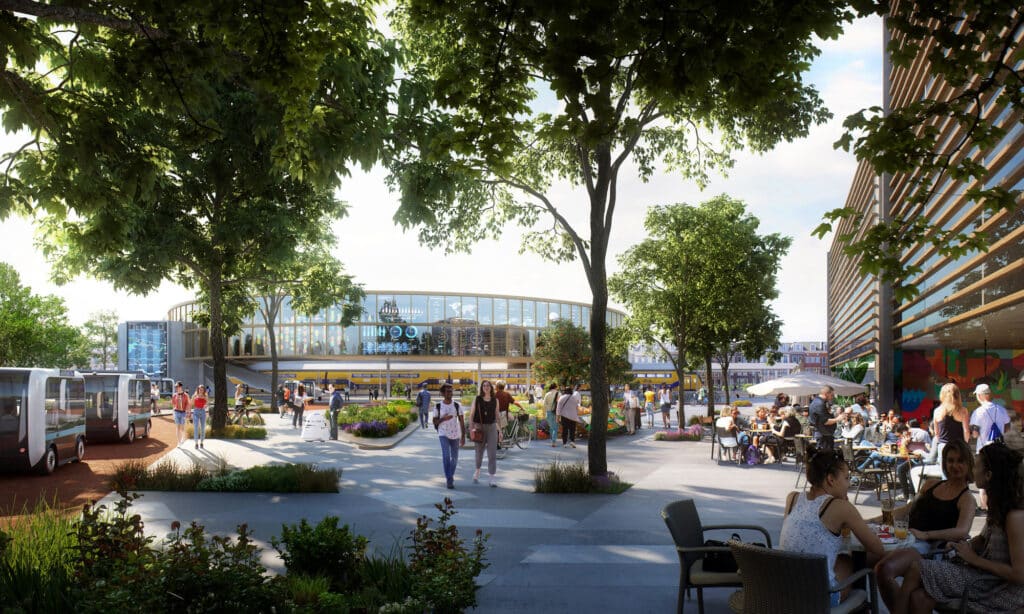
The design of the people-centred smart city exhibits a clear visual balance between infrastructure and open spaces, with public parks interwoven with pathways and plazas, while an intelligent transport network flows smoothly across neighborhoods. Buildings feature transparent façades and horizontal lines, harmonizing with the natural environment, complemented by lighting and environmental controls that enhance urban comfort. Critically, challenges arise in integrating technology without overcomplicating services, and extensive data use demands continuous administrative flexibility. Nonetheless, the project demonstrates clear value in creating a sustainable, inclusive urban environment that fosters social interaction and improves quality of life.
ArchUp provides an updated reference featuring key global architectural exhibitions and design forums, along with a dedicated space for competitions and results in a daily analytical context.