World Trade Center Biotic Brings Mixed-Use Framework to Brasília Technology District

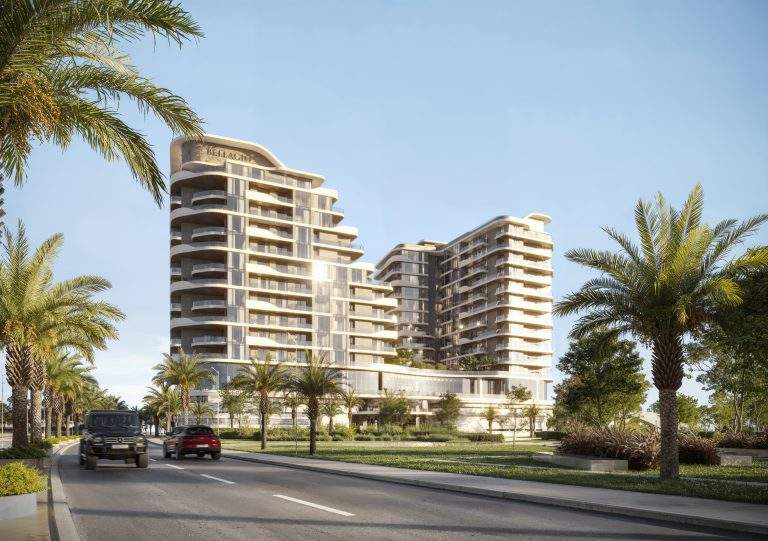
A new mixed-use complex is under development in Brasília’s Parque Tecnológico district. The World Trade Center Biotic integrates offices, housing, hospitality and retail into a single horizontal framework. The project supports urban expansion plans initiated by a 2020 master plan for the area.
Unified Framework Replaces Standalone Towers
The development occupies approximately 70,000 square meters of land. However, the built area will reach about 180,000 square meters when complete. Developers expect to finish 150,000 square meters by 2030.

The project consolidates multiple programs within one connected structure rather than separate buildings. This approach allows circulation, services and public areas to function collectively. Moreover, the complex creates continuous urban planning where different activities occur throughout the day.
Modular Grid Enables Long-Term Adaptability
The design centers on “reprogramming” conventional urban planning separations between living and working spaces. An 8-by-8-meter modular grid structures the entire complex. Therefore, interior layouts can shift while the structural system remains intact.

This modular logic streamlines construction processes and simplifies future maintenance. The grid also supports long-term program adjustments as tenant needs evolve. Meanwhile, the standardized framework rationalizes building materials usage across the development.
Horizontal Massing Responds to Landscape Conditions
The project adopts horizontal configuration instead of vertical towers. Individual volumes connect through a continuous architectural surface functioning as floor, wall and roof simultaneously. This surface organizes pedestrian movement while creating shaded transitional zones.

Environmental strategies combine passive and active systems throughout the complex. Solar orientation, natural ventilation and shading devices improve performance. Furthermore, reduced slab depths allow deeper daylight penetration into interior design spaces.
Continuous Surface Integrates Technology and Landscape
The architecture adapts to height and topography variations across the site. Photovoltaic panels occupy upper levels to maximize the horizontal extension. At ground level, the surface transitions into plazas, terraces and planted areas.

Pergolas and stepped terraces form an intermediate layer between interior and exterior environments. This zone mediates climate conditions while extending public space into the built form. The strategy reinforces relationships between construction and landscape infrastructure.
Recent news shows similar large-scale developments advancing globally. Skidmore, Owings & Merrill revealed Kazakhstan’s Gateway District with twin towers. Meanwhile, Snøhetta, BIG and MVRDV collaborate on an 84-hectare Istanbul neighborhood along the Black Sea coastline.
A Quick Architectural Snapshot
World Trade Center Biotic proposes a flexible urban framework where offices, housing and hospitality share infrastructure within Brasília’s technology district. An 8-meter modular grid supports program adaptability while horizontal massing maintains ground-level permeability. Continuous surfaces integrate photovoltaic systems, shaded terraces and landscape elements across 180,000 square meters of planned development.
✦ ArchUp Editorial Insight
The World Trade Center Biotic reflects a broader shift in how technology districts approach real estate development. Traditional tech parks isolate corporate functions from urban life, creating dormant zones outside working hours. This project responds to that failure by compressing multiple programs into shared infrastructure.
The 8-meter modular grid reveals developer priorities. Standardized dimensions reduce construction costs and accelerate timelines. They also enable future tenant turnover without structural intervention. Flexibility here serves investment logic more than architectural ambition.
Horizontal massing over vertical towers suggests land cost calculations specific to Brasília’s periphery. Dense urban cores demand height. Peripheral tech districts afford sprawl. The continuous surface strategy maximizes rentable area while distributing photovoltaic capacity across rooftops.
This project is the logical outcome of post-pandemic workplace uncertainty, peripheral land economics, and the tech sector’s demand for adaptable infrastructure that hedges against programmatic obsolescence.