Subterranean Extension Completes the ARoS Museum Expansion

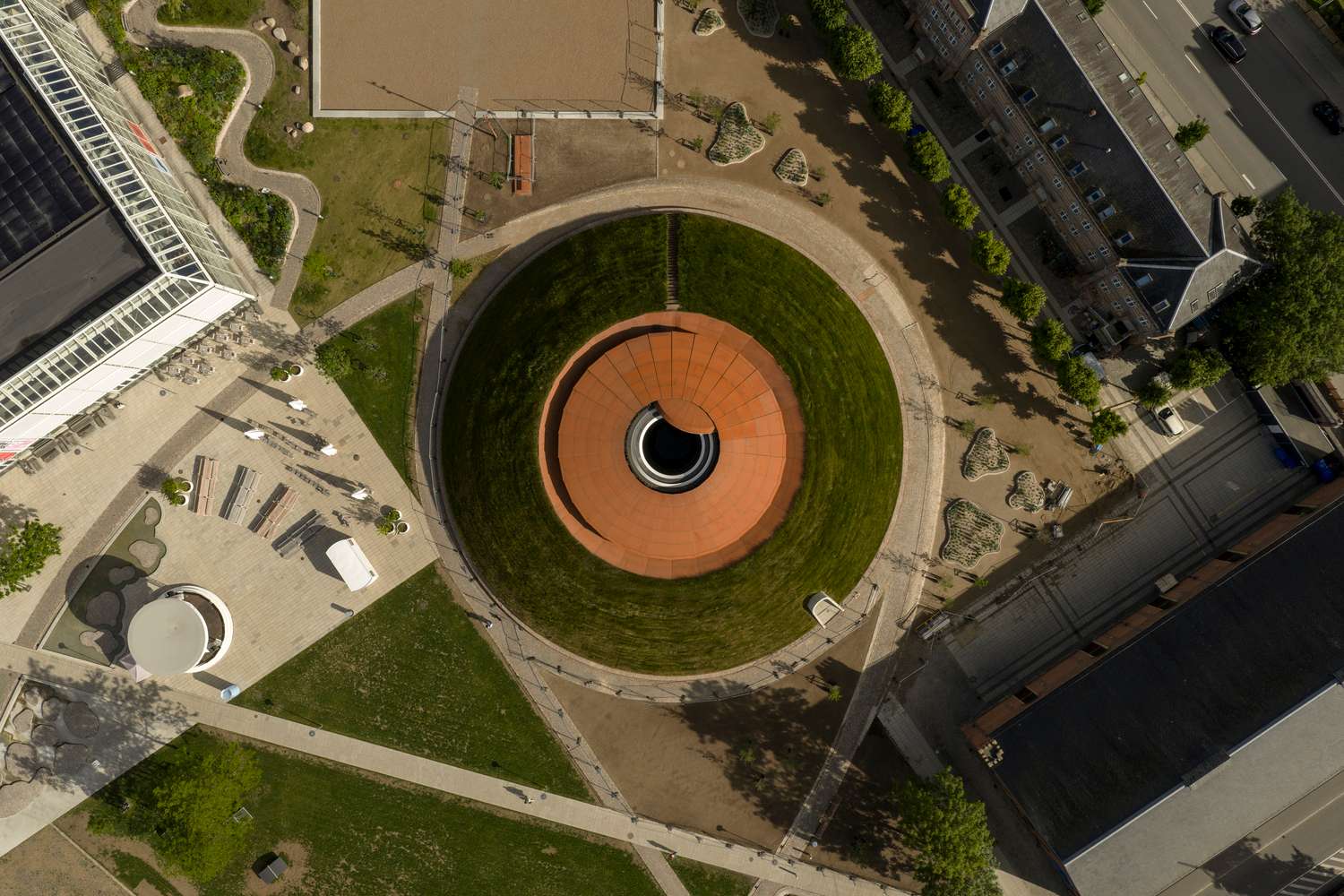
The ARoS Aarhus Art Museum recently opened a significant 4,000-square-meter underground expansion that redefines the institution’s urban presence in central Aarhus. This subterranean intervention introduces a new atmospheric sequence and structural scale to the architecture of the museum. The project centers on a massive domed installation that bridges the gap between underground buildings and the open sky.
Known as The Next Level, the project marks the final phase of a long-term master plan for the museum site. While the original museum structure emphasizes a vertical ascent through a central atrium, this expansion shifts the news focus toward a horizontal and subterranean interior design strategy. The intervention sits beneath the local Musikhusparken, effectively expanding the museum footprint without consuming additional surface-level park space.
The centerpiece of the expansion comprises a 16-meter-high dome with a diameter of 40 meters. This structure functions as a specialized light environment, utilizing an opening at the top to draw the exterior atmosphere into the heart of the underground gallery. The team synchronized the architectural framework and the light installation from the earliest phases of development, ensuring that the physical envelope and the intended sensory effects operate as a unified system.
Engineering this volume required high-precision construction for the interior surfaces to ensure uniform light distribution. The team integrated a movable roof element, spanning approximately 100 square meters, which allows for total enclosure of the dome when necessary. This mechanical component enables the museum to manipulate the interior lighting conditions independently of the weather or time of day, enhancing the programmatic flexibility of the site.
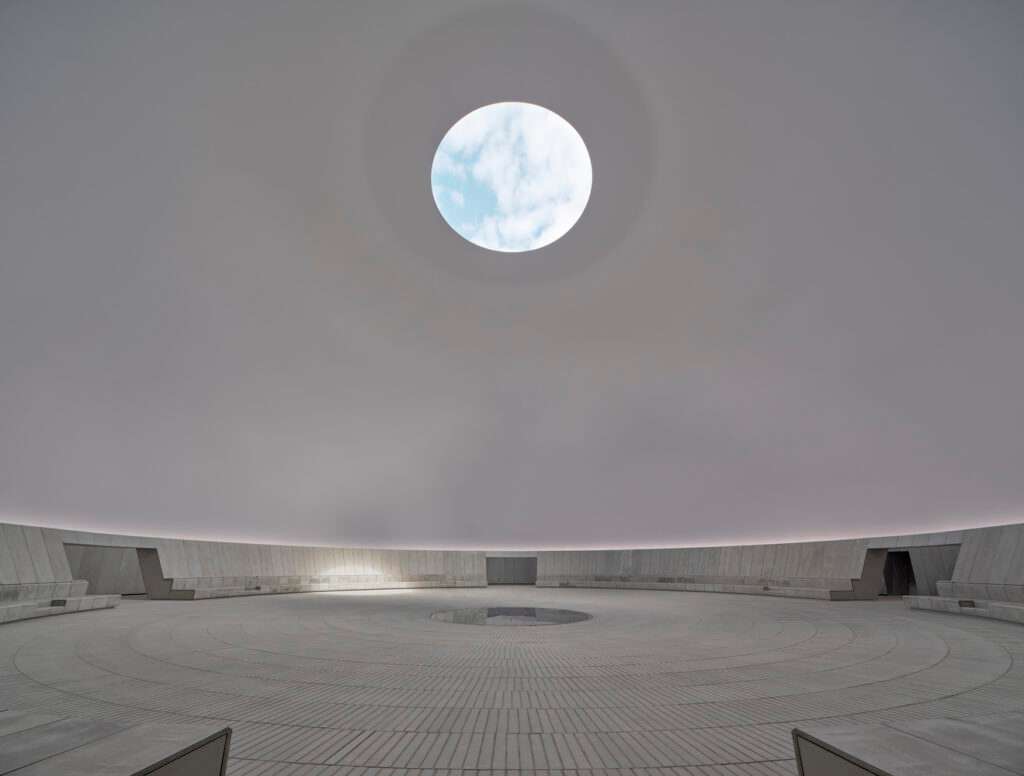
The architecture holds the sky close, so you recognize that the act of looking is the work itself. Here, light isn’t description, it’s the substance you stand within.
Technical infrastructure remains largely concealed to prioritize the spatial experience. A perimeter bench serves a dual purpose, providing seating for visitors while hiding the complex building materials and electrical systems required for the installation. This careful integration of services supports the minimalist aesthetic of the dome, focusing the visitor’s attention entirely on the geometry of the space and the framed view of the sky above.
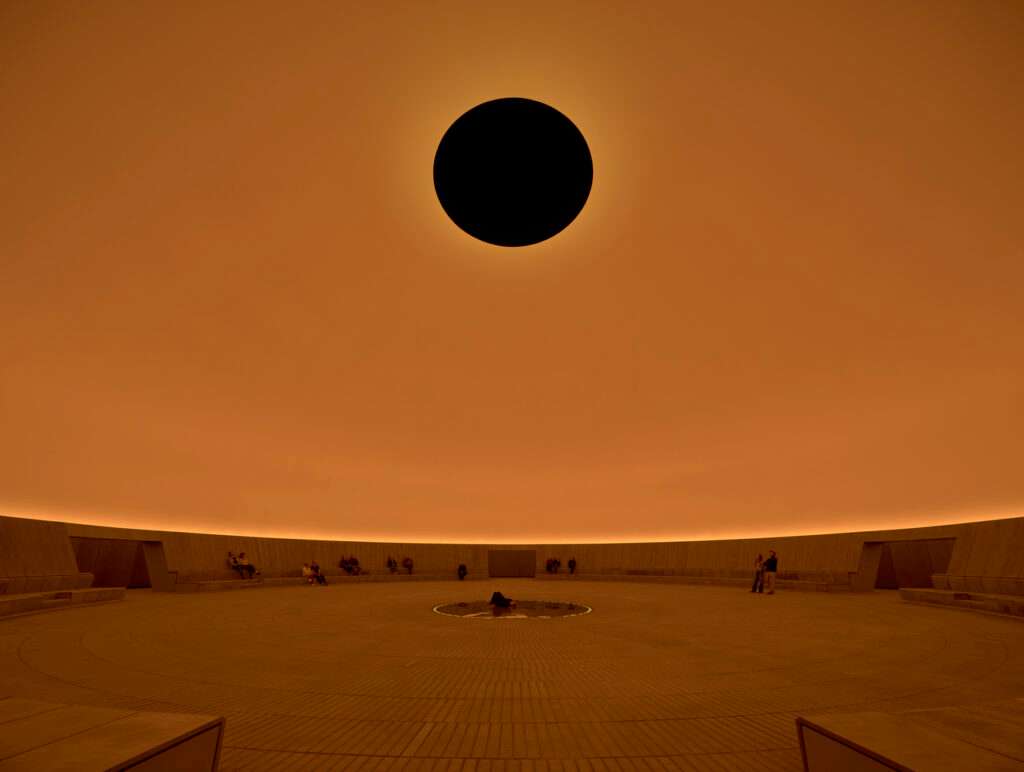
Circulation Hierarchy and Programmatic Intelligence
The project successfully reconfigures the museum’s circulation hierarchy by introducing a subterranean path that contrasts with the existing vertical atrium logic. By placing the expansion beneath the Musikhusparken, the design maintains urban density while expanding institutional capacity. The dome itself acts as a powerful architectural threshold, transitioning the visitor from the enclosure of the underground galleries to a direct, unmediated connection with the exterior environment. The structural resolution of the dome, specifically the precision of the apex opening and the integration of a massive retractable roof, demonstrates a high level of technical rigor. This intervention transforms the museum from a collection of galleries into a complex spatial sequence that utilizes light as a primary tectonic element.
✦ ArchUp Editorial Insight
The project concludes a long-term institutional master plan by burying 4,000 square meters of new gallery space beneath an existing urban park. This horizontal architecture shifts the museum’s core logic from vertical ascent to a subterranean passage, culminating in a colossal 40-meter dome that utilizes the sky as a primary tectonic material. It successfully expands cultural capacity without disrupting the surface-level public realm of the cities above. However, this heavy reliance on a singular, massive light installation risks reducing the expansion to a mono-functional spectacle that prioritizes atmospheric effect over programmatic flexibility. While the engineering is rigorous, the vast volume of the dome serves more as a static monument to sensory perception than a versatile environment for evolving artistic practices or demanding archival requirements.
Project Team: Schmidt Hammer Lassen (lead architect), James Turrell (artist). Location: Aarhus, Denmark.
Project Notes: The team completed construction in June 2026. The City of Aarhus and the ARoS Aarhus Art Museum acted as the primary clients for the 4,000-square-meter expansion.