
Who Sets the City’s Clock? Urban Rhythms, Attention and Social Coordination
How work schedules, football matches, public announcements and digital feeds organise urban presence: a critical research framework for time and planning.
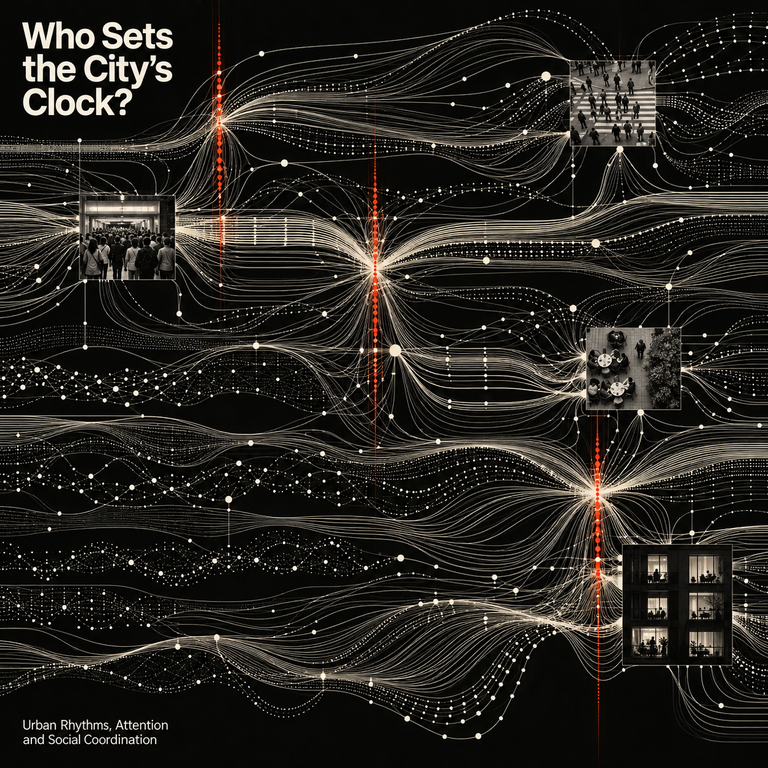
How work schedules, football matches, public announcements and digital feeds organise urban presence: a critical research framework for time and planning.

What surface studies can and cannot tell us about gym-floor hygiene, with a design and operations framework for comparing shared exercise spaces and homes.
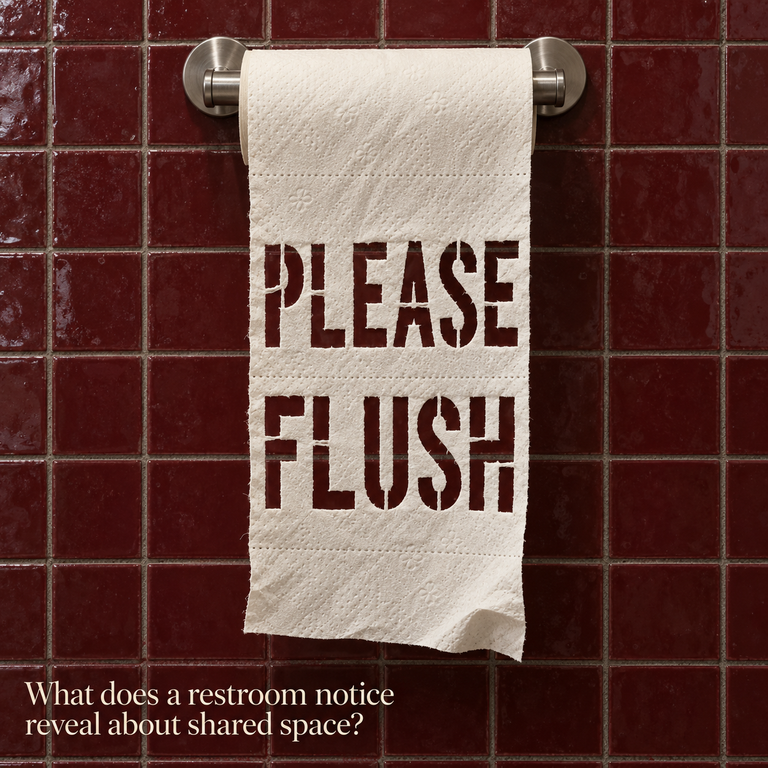
A research review of shared-restroom behaviour, signage and maintenance, separating user choices from failures of equipment, access and operations.
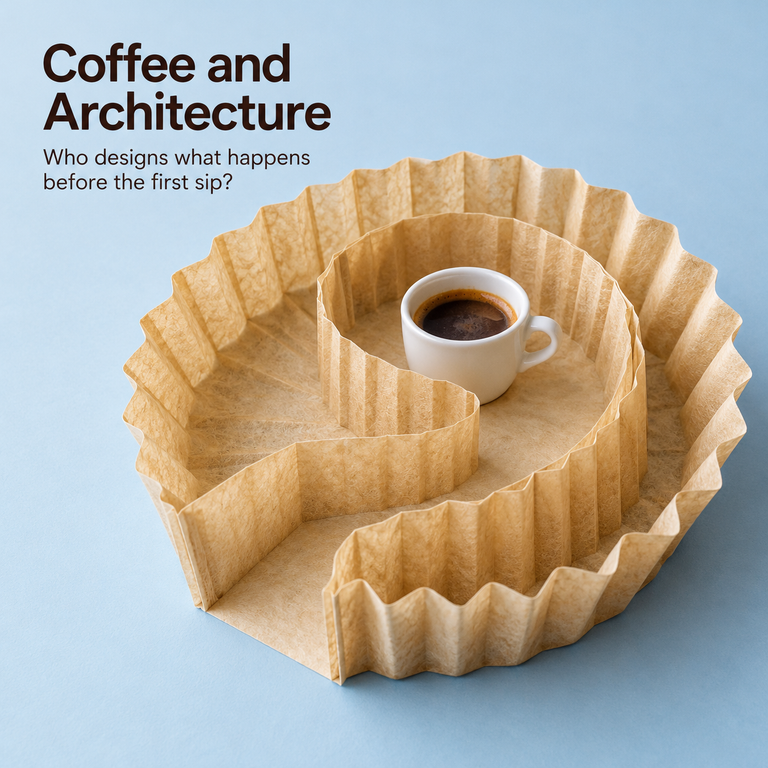
How cups, roasting equipment, service routes and seating shape coffee spaces: research evidence, operational trade-offs and a practical design evaluation.
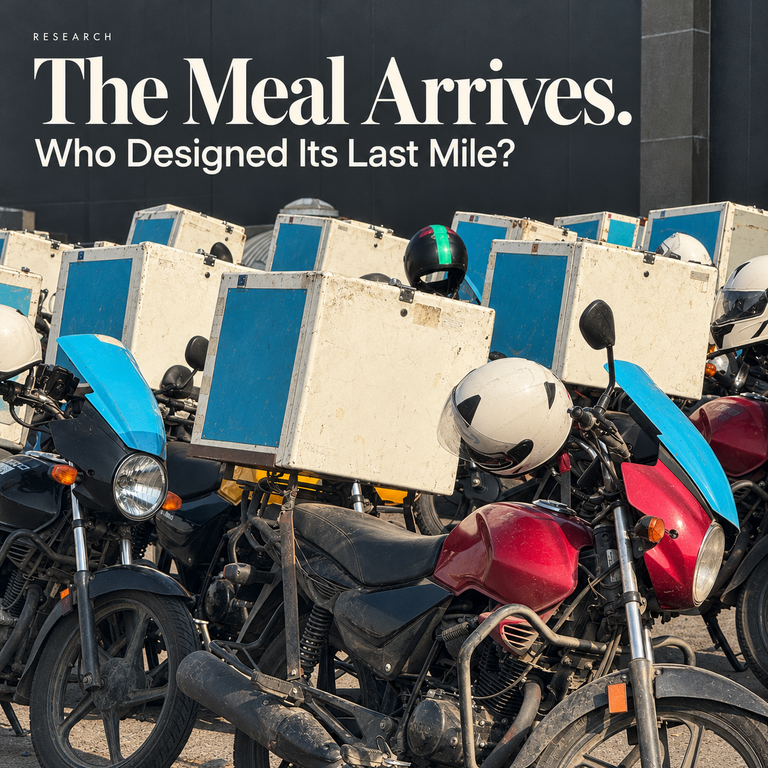
Food delivery links kitchens, couriers, streets and residential entrances. A planning review connects research evidence with Ibrahim Joharji’s Last Meal.
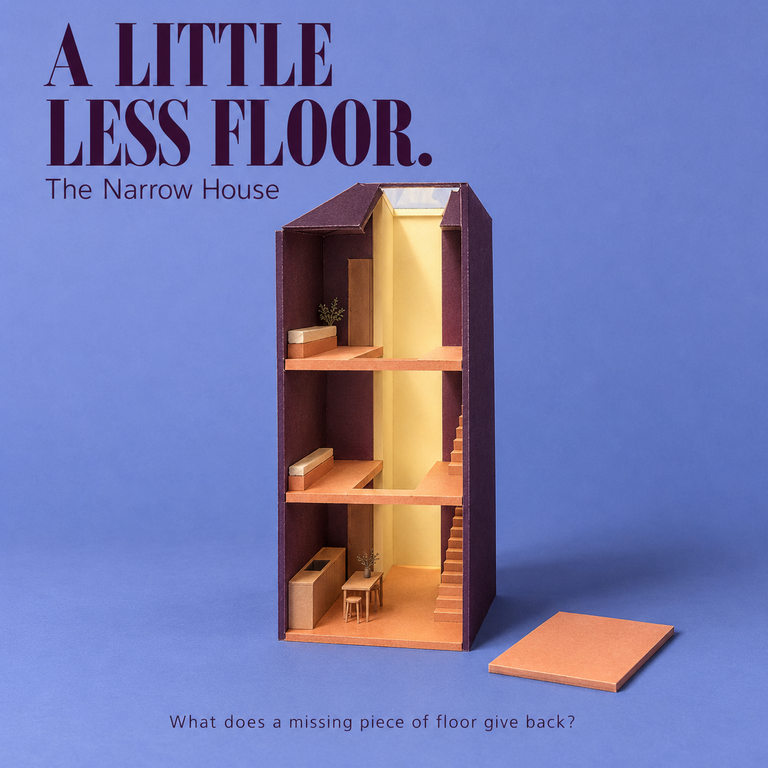
A small house presents an apparently straightforward problem: how much living can fit inside a limited footprint? Yet filling every…
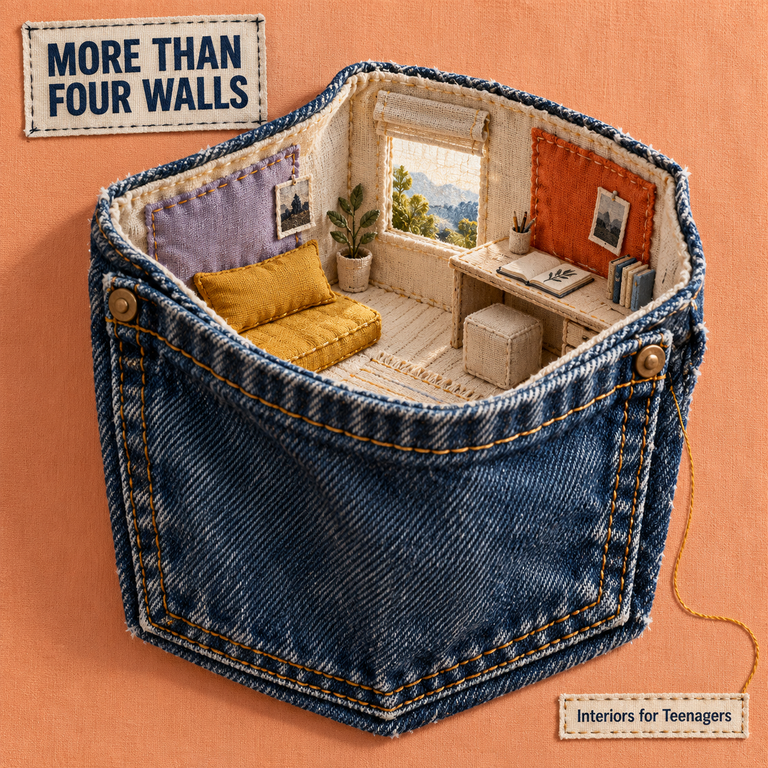
How research on school views and nature can inform teenage interiors, with clear limits on claims about mood, stress and climate anxiety.
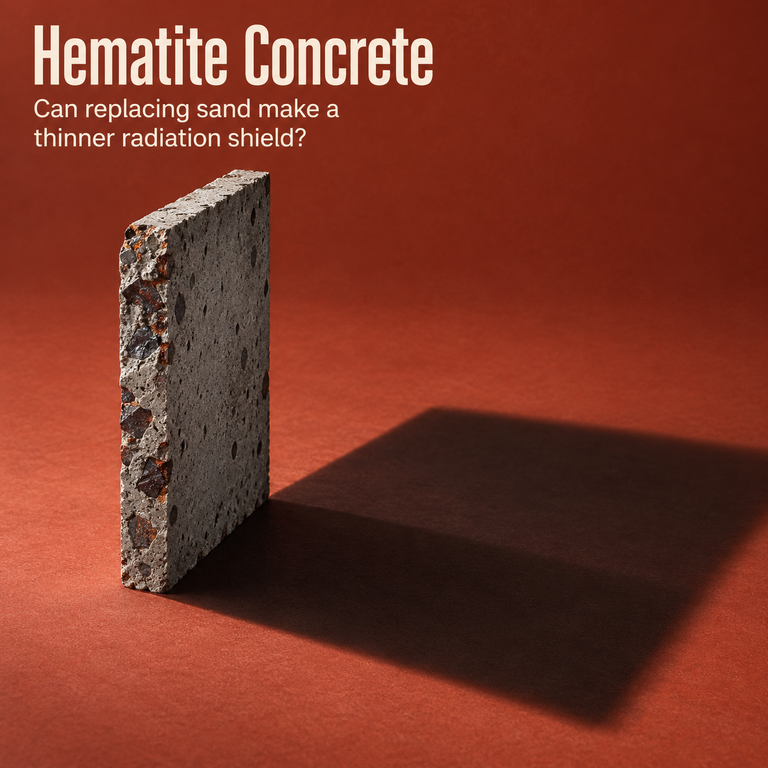
What research says about hematite replacing sand in radiation-shielding concrete, and why density, mix design and photon energy matter.
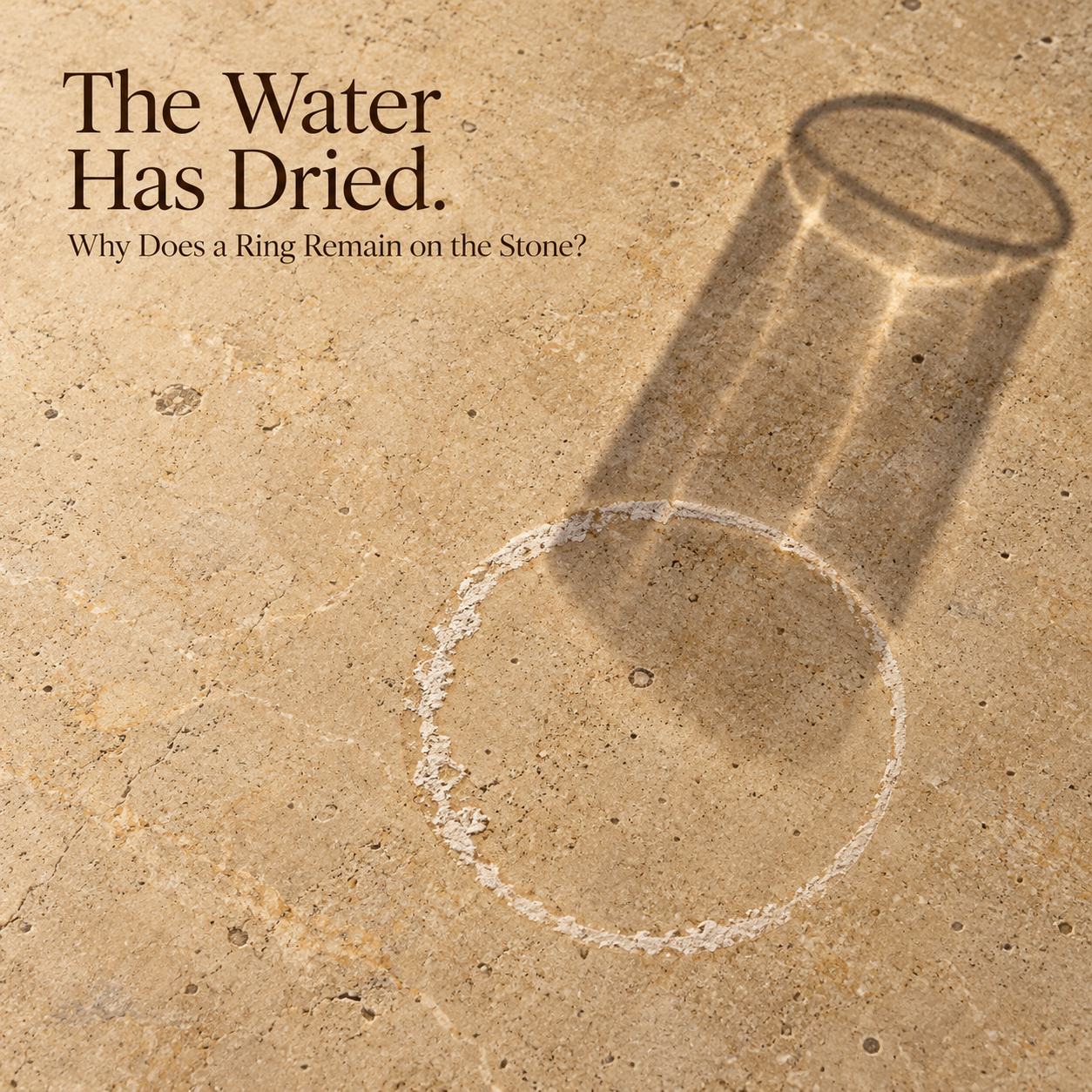
Droplet physics separates the shape of a stain from its cause. A research-led proposal for testing stone sills through wetting, drying and maintenance.

Two workplace field studies challenge the equation of openness with collaboration. What should architects specify—and verify—before removing office boundaries?

Nanoscale surface-discrimination research challenges visual-only finish approval, while keeping tactile similarity separate from comfort and grip safety.

Experiments on subtraction neglect suggest a testable way to broaden design-review options, without treating fewer building components as automatically better.

What tourism research reveals about social media, influencers and city promotion, and how to connect digital attention with the experience delivered on arrival.
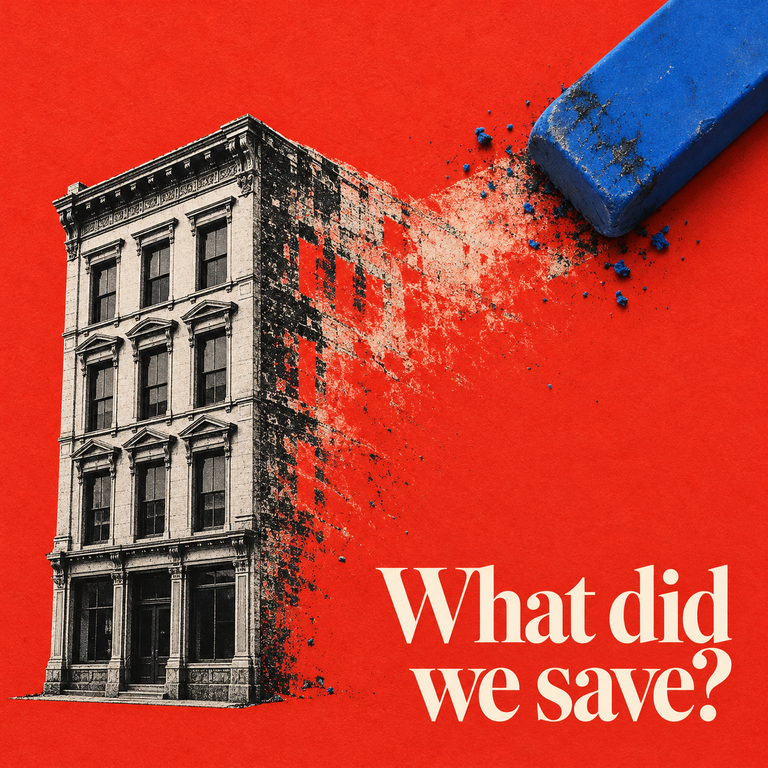
Six publications examine building reuse through retained materials, programme fit and life-cycle evidence, beyond the appearance of a preserved façade.
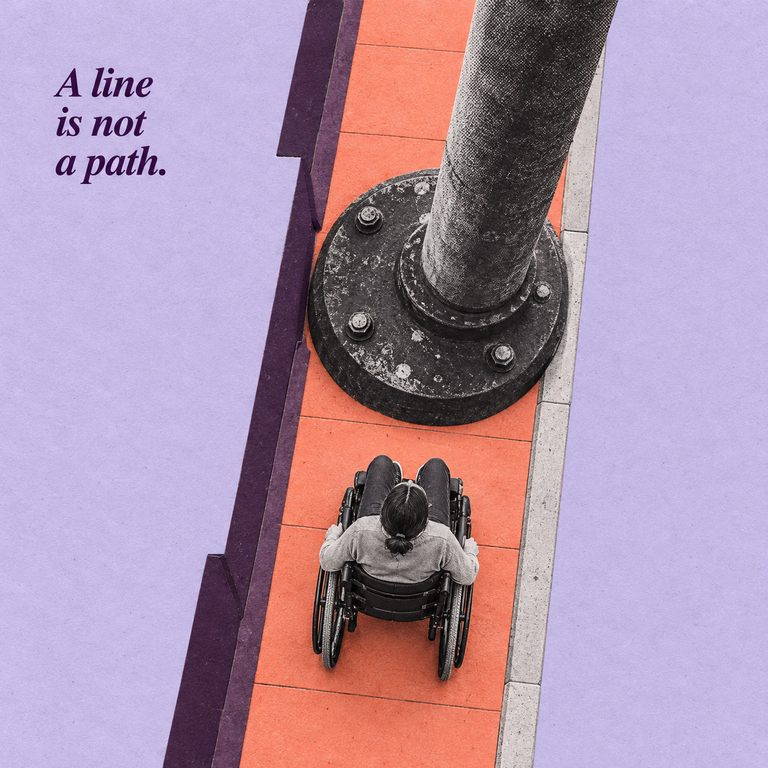
Six studies reveal how sidewalk obstructions, clear width and outdated imagery can turn a mapped pedestrian route into an inaccessible journey.

A textile study traces hot-pot compounds released by cotton, wool and polyester, then asks what kitchen capture, doors and wardrobe placement may change.
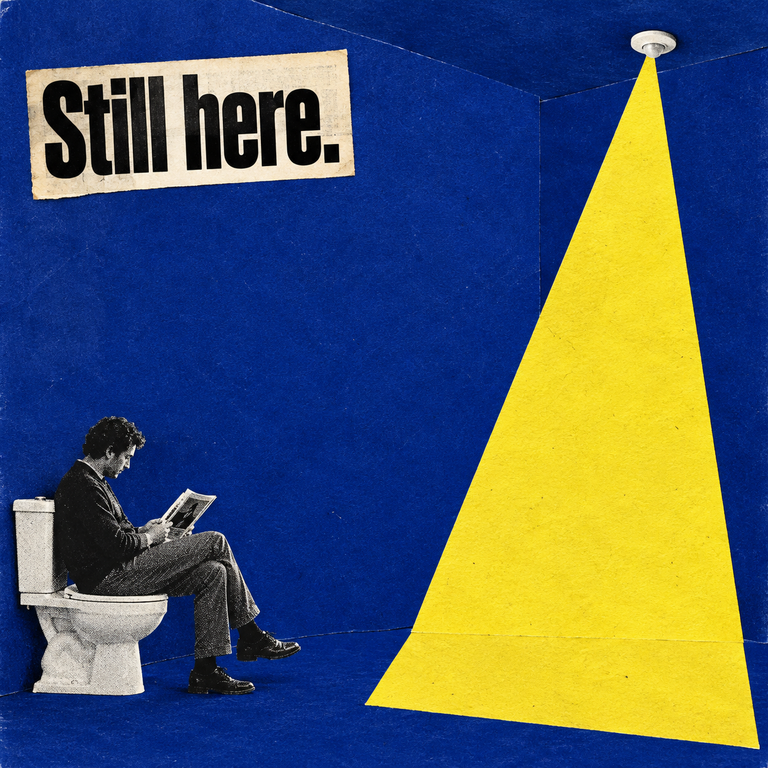
Research on PIR positioning shows why a seated user can disappear from an occupancy system, and how bathroom lighting can be tested before handover.
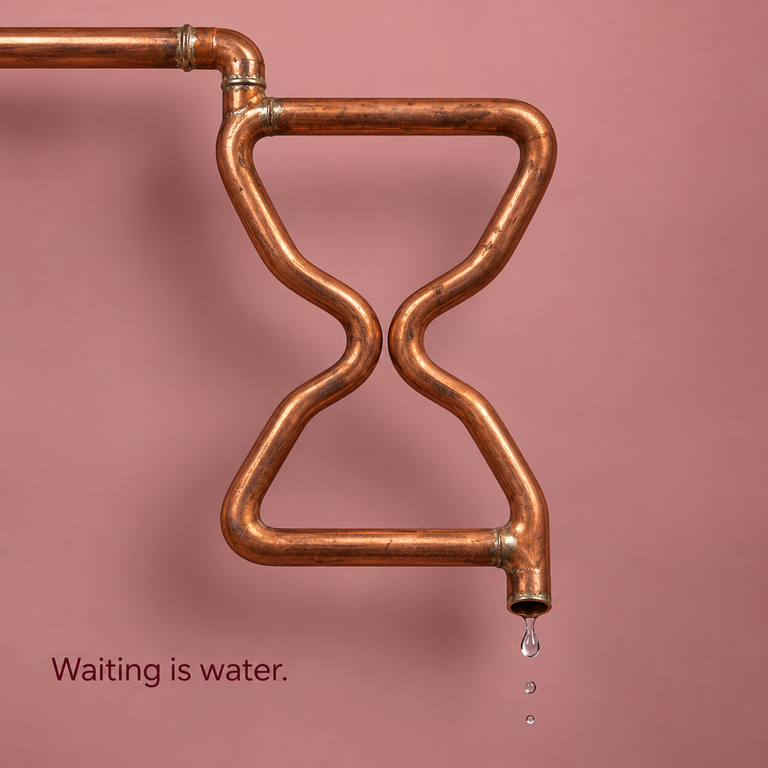
Research on hot-water delivery shows how branch length, internal diameter and cooling turn a hidden pipe volume into repeated waiting, water waste and commissioning risk.
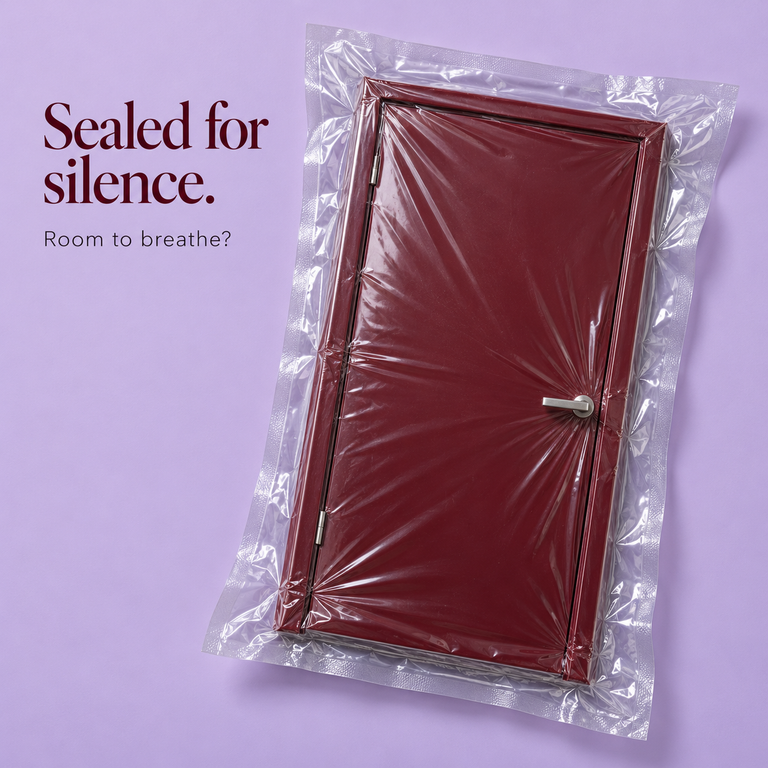
A measured study of door-bottom gaps shows why sound isolation and return-air flow must be commissioned as one room system, not two separate details.
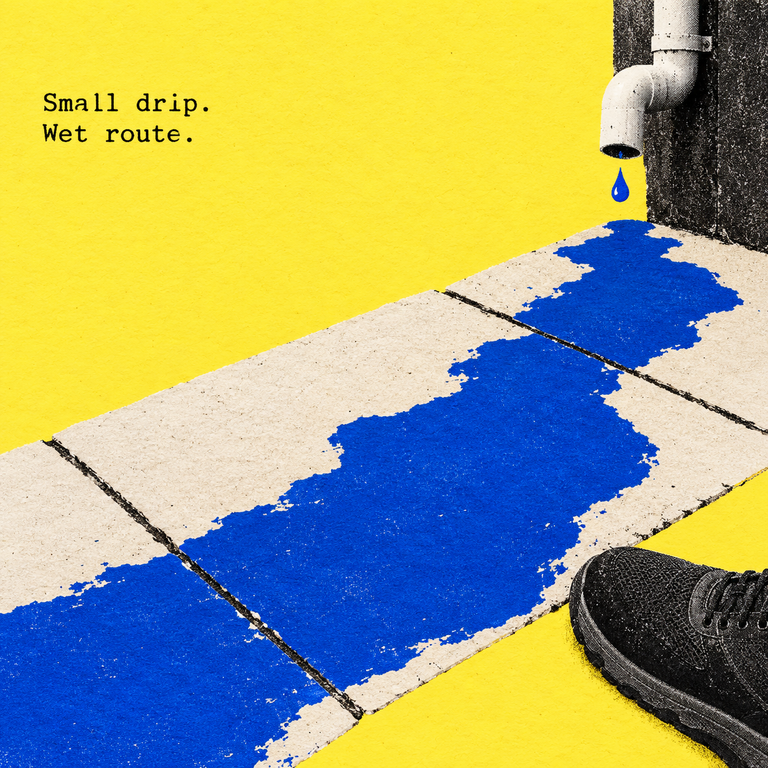
A study of wet-floor friction shows why an air-conditioner condensate outlet must be coordinated with the pavement, pedestrian route and commissioning process.
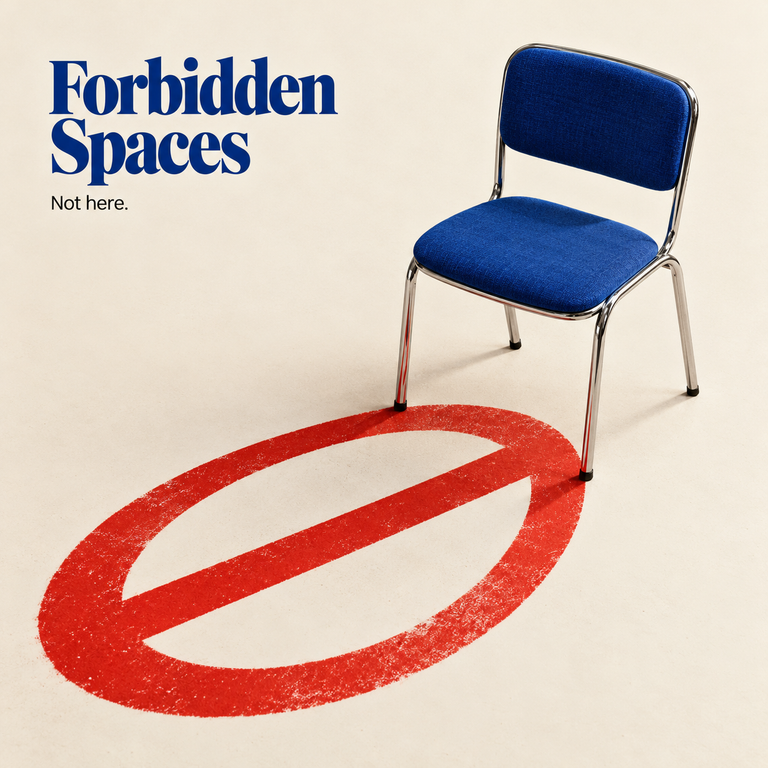
A comparative study across six countries examines how activity bans, zoning, exceptions and exclusion shape the spaces architects can design.