Beirut Design Event Activates Historic Architecture for 2027 Program

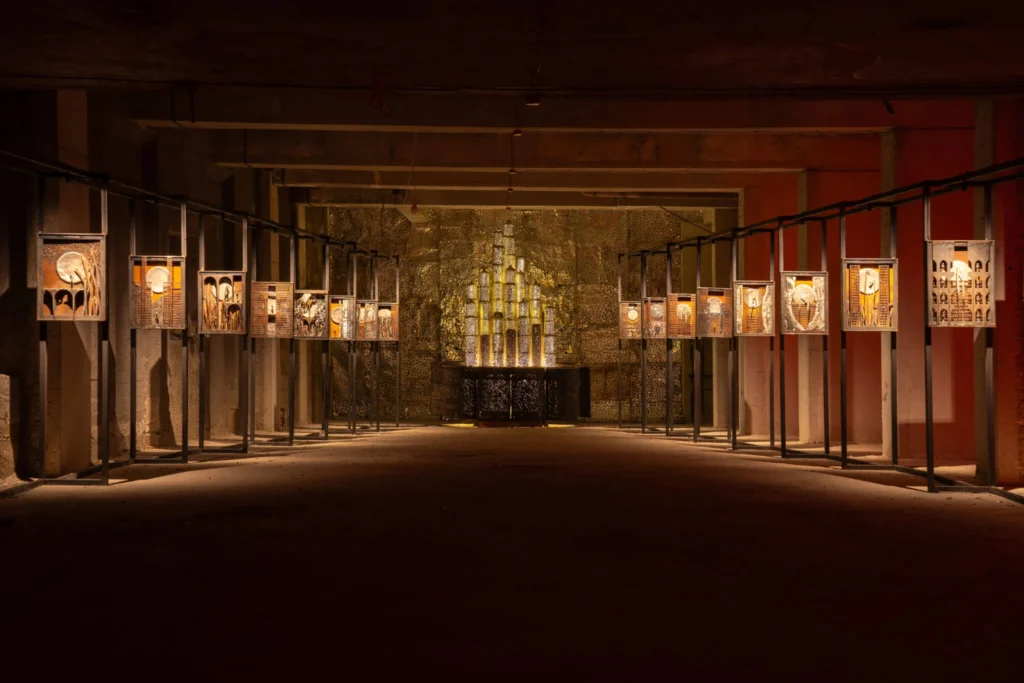
Organizers in Beirut have scheduled a major design gathering for May 2027 to highlight the city’s architectural heritage along the Mediterranean coast. The five-day event will open historic residential structures to the public for the first time while reactivating civic cultural venues. This spatial initiative connects urban preservation directly with contemporary design practices across the capital.
The third edition of the festival runs from May 26 through May 30, 2027, under a theme exploring coastal exchange and Mediterranean identity. The program includes eight central exhibitions, five panel discussions, and three guided architectural tours across key historic districts.
The initiative highlights adaptive reuse in architecture — the practice of renovating older structures for modern uses rather than demolishing them. For example, ongoing renovation work transforms the Union Building into a mixed-use complex containing offices and residential units. That structure previously served as an exhibition venue during earlier festival editions and now demonstrates permanent urban renewal.
Opening Closed Residential Landmarks to Public Access
Two prominent historic residences, Maison Tabet and Maison Rose, will welcome public visitors for the first time in their history. Maison Tabet will display photographic studies and product designs within its historic domestic spaces.
Meanwhile, Maison Rose will host a youth-focused exhibition that showcases architectural proposals from local and international students. This installation brings student projects into direct dialogue with traditional nineteenth-century residential forms. In addition, an exhibition at a historic private residence in the Manara neighborhood involves local public school students who explore identity and urban memory.
Integrating Design Institutions and Open Submissions
The festival returns to established venues such as PSLab, which hosted central exhibitions during earlier program iterations. The lighting design center will present multiple curated installations that explore material research and spatial installations.
Organizers have also launched an international open call to recruit emerging talent for the 2027 program. Submissions close on August 15, allowing the selection committee to integrate independent work alongside institutional exhibits.
By placing contemporary exhibits inside historic domestic structures, the event creates a temporary network of cultural sites across Beirut. Visitors navigate through distinct neighborhoods, experiencing both preserved residential spaces and active building conversions.
Spatial Logic and Urban Thresholds
The strategic distribution of exhibition sites across Beirut transforms private domestic interiors into accessible public thresholds. By inserting contemporary installations into vulnerable residential landmarks, the event turns static preservation into an active spatial sequence. The project utilizes temporary cultural programming to test long-term building reactivations without altering historic structural fabrics. These dispersed venues force visitors to cross varied urban contexts, linking disconnected residential neighborhoods with established commercial hubs. This decentralized strategy treats the entire city as a continuous exhibition layout, proving that cultural events can unlock forgotten architectural assets while serving broader civic networks.
✦ ArchUp Editorial Insight
Temporary cultural programming offers a vital strategy for reactivating neglected urban fabric and opening private heritage sites to public view. By occupying historic residences with contemporary installations, the initiative creates a dynamic spatial network that bridges past building traditions with current design practice. This approach demonstrates how decentralized events can generate genuine public interest in architectural preservation across recovering coastal cities. However, temporary exhibition access cannot substitute for permanent structural investment or long-term municipal urban policy. Brief cultural events risk converting historic houses into fleeting backdrop scenery without solving real estate pressures and maintenance costs that threaten heritage buildings year-round. Without lasting public funding or protective spatial regulations, these brief interventions remain decorative gestures within an increasingly speculative local property market.
Project Notes: Organizers host the third event edition May 26–30, 2027, under the theme “Love on the Mediterranean.” Open call submissions close August 15, 2026. Supporting entities include Luura Hotels and UNESCO.