Seoul’s Dongjak District Gets a Timber Pavilion Arts Centre Opening in 2028

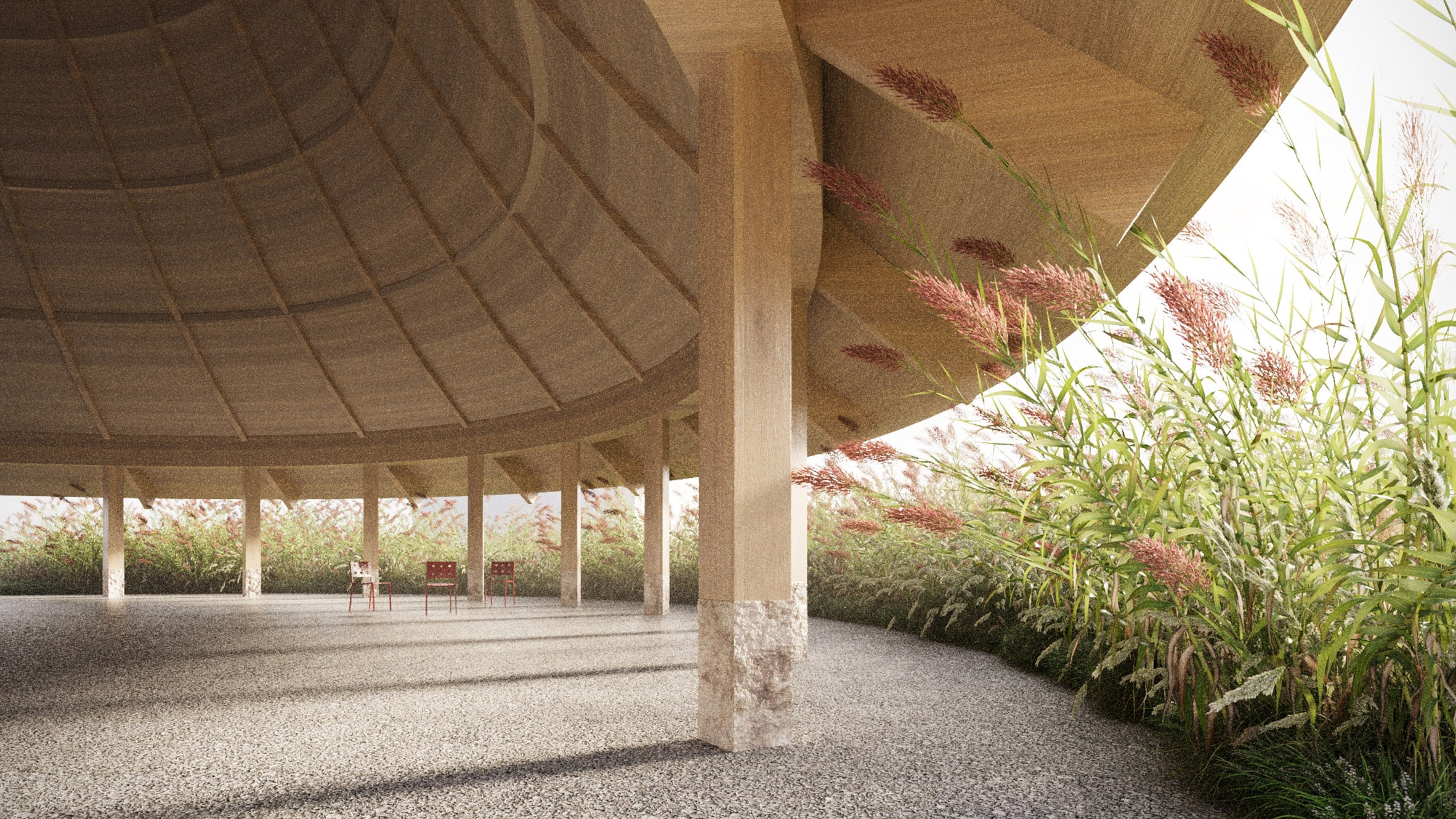
A 30-metre timber pavilion will anchor a new cultural complex in Seoul’s Dongjak District. The Dongjak Art Space will combine an open-air tower structure with a subterranean gallery hall. Construction begins in 2027, with the centre targeting a 2028 opening.
A Timber Tower Designed to Embrace the Elements
The project centres on a tapering timber pavilion that deliberately welcomes natural forces. Sun, wind, rain and snow will pass through the structure as part of the visitor experience. The architecture balances openness with inward focus, creating a dual spatial condition rarely seen in cultural buildings.
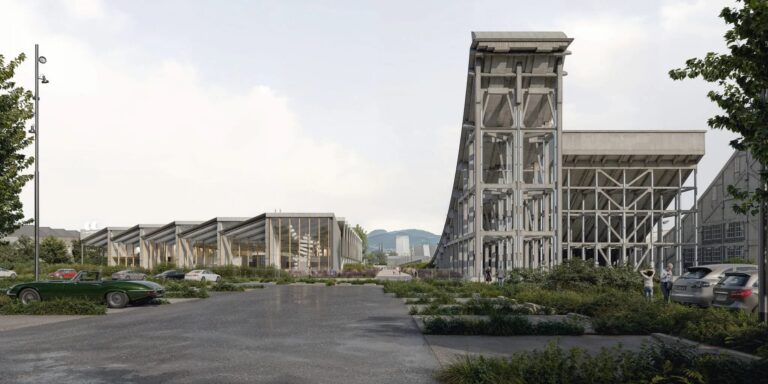
Moreover, the pavilion rises above a grassy garden and wraps in elongated tiles. Seen from a distance, the vertical form emerges above the surrounding trees. This visual presence positions the structure as a neighbourhood landmark with broad cultural appeal.

Underground Hall Anchors the Cultural Programme
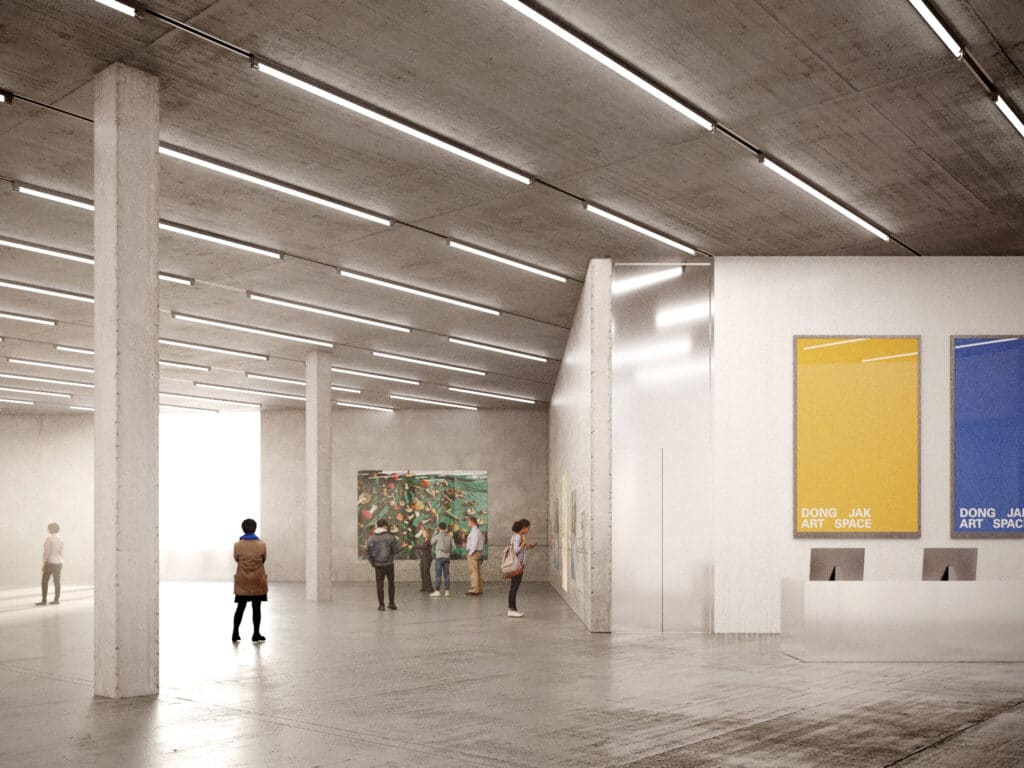
Below the garden sits a large flexible hall formed entirely from exposed concrete. This underground space will host exhibitions, performances, concerts, dining events and community gatherings. The interior design prioritises spatial openness while maintaining a contained, focused atmosphere.
Therefore, the hall intentionally distances itself from surrounding street noise and urban rhythm. Two staircases at the rear connect directly to the garden above. The entrance design for the subterranean hall remains unrevealed. However, the overall layout reflects a considered approach to urban planning at the neighbourhood scale.
Local Traditions Inform the Architectural Language
The design draws directly from Korean architectural heritage. Specifically, the open courtyards of the traditional hanok house influenced the project’s spatial logic. The commission came from Dongjak District mayor Ilha Park, and the team developed the design in collaboration with the local community.
Meanwhile, construction materials combine structural timber and exposed concrete throughout both levels. The choice of building materials reflects a commitment to honesty and durability over surface decoration. The project also considers long-term sustainability by creating spaces that adapt to multiple programme types over time.
Seoul’s cultural news landscape continues to expand rapidly. Other major developments include the Centre Pompidou Hanwha and a rippled-glass shopping centre, both under development in the city.
A Quick Architectural Snapshot
Dongjak Art Space combines a 30-metre tapering timber pavilion with a concrete subterranean hall in Seoul’s Dongjak District. The project draws on hanok courtyard traditions and welcomes natural elements as part of the spatial experience. Construction starts in 2027, with opening planned for 2028.
✦ ArchUp Editorial Insight
Cultural infrastructure projects in residential districts rarely emerge from purely artistic ambitions. Dongjak Art Space reflects a calculated municipal strategy to reposition a secondary Seoul neighbourhood within the global cultural tourism economy. The district government seeks measurable returns through increased property values and international visibility.
The decision to place the primary hall underground reveals land economics at work. Surface area remains available for public green space, satisfying community expectations while maximizing development potential. Meanwhile, the timber pavilion functions as a vertical marker, a branding device visible across the urban landscape.
The emphasis on flexible programming signals risk mitigation. Rather than committing to a single cultural function, the design accommodates everything from concerts to dining. This hedges against shifting cultural consumption patterns and funding uncertainties.
This project is the logical outcome of municipal rebranding ambitions plus constrained urban land plus uncertain cultural funding models.