US Virgin Islands Launches €1.45bn School Reconstruction After Hurricane Devastation

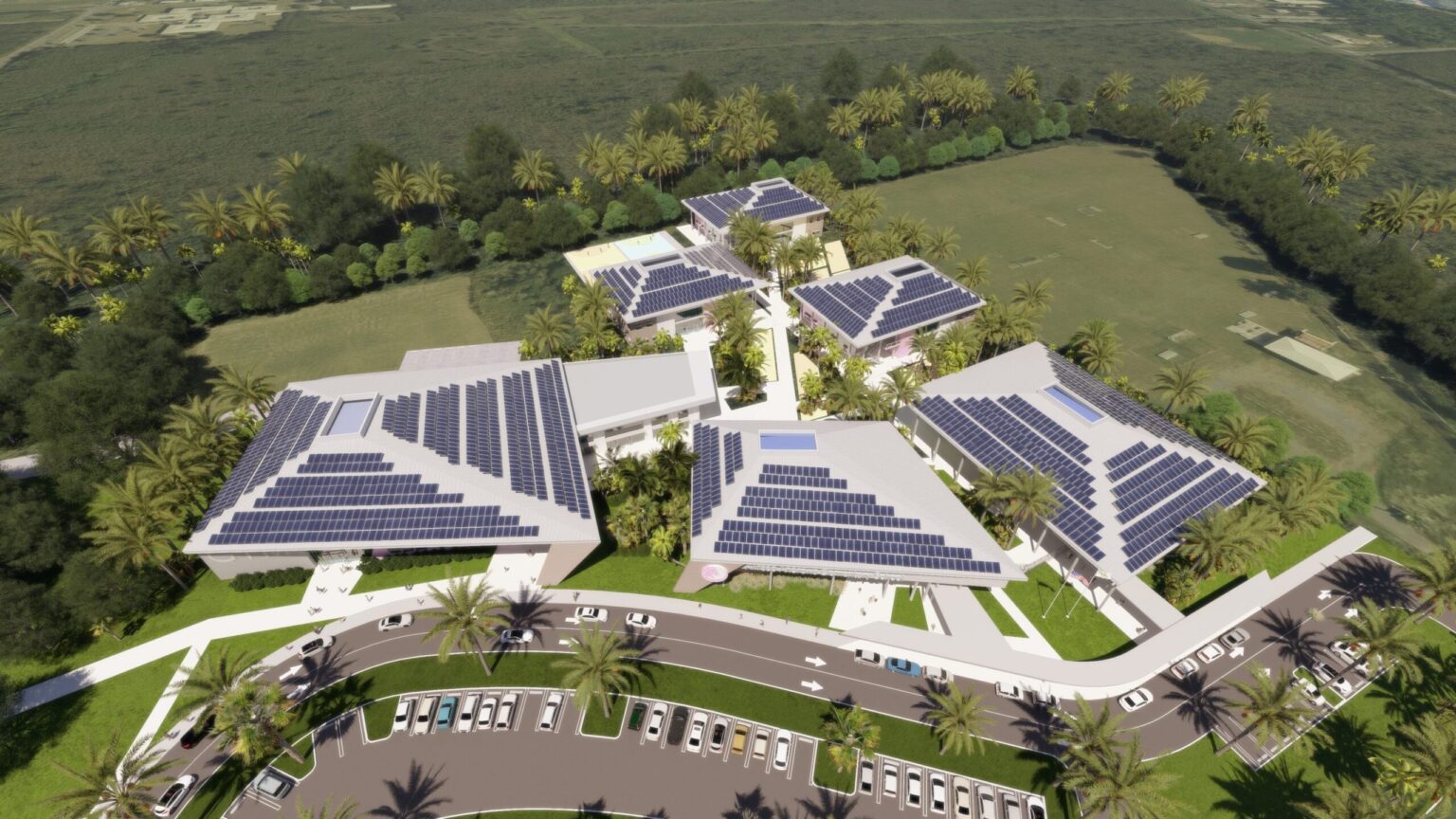
A joint venture has secured two design-build contracts worth €1.45bn in the US Virgin Islands. The project will rehabilitate 10 school facilities and two administrative buildings damaged by hurricanes Irma and Maria in 2017.
Rebuilding Educational Infrastructure on Two Islands
The Virgin Islands Office of Disaster Recovery commissioned this large-scale construction effort. Teams will work across St Thomas and St Croix islands to restore educational facilities for nearly 8,000 students.
In St Thomas, the project spans a 52,200-square-meter site. Workers will rebuild, modernize, and extend six schools. These facilities will accommodate 4,060 children from pre-kindergarten through high school. Moreover, the campus will support 150 staff members across all grade levels.
Meanwhile, the St Croix portion covers an even larger 60,650-square-meter area. Four schools will receive significant upgrades there. New additions include classrooms, science labs, IT facilities, and libraries. Furthermore, specialist teaching spaces and collaborative areas will serve 3,785 students.
Hurricane-Resistant Architecture Takes Center Stage
The architecture prioritizes resilience against future storms. All buildings feature designs that withstand strong winds and extreme weather. Each facility includes dedicated hurricane shelters and secure rooms for emergencies.
This approach reflects growing trends in climate-adaptive construction across vulnerable regions. Therefore, the structures will protect occupants during severe weather events. The design also ensures rapid recovery after storms pass.
Sustainability Powers the New Campus Designs
Sustainability forms a core element of the reconstruction strategy. Solar panels will generate 115 percent of each school’s energy requirements. This surplus allows the facilities to contribute clean power back to local grids.
However, the project also addresses operational continuity during construction. Phased delivery schedules will allow school activities to continue uninterrupted. Students will maintain their education throughout the multi-year building process.
Project Timeline and Workforce Details
Design work for St Thomas began in early 2025. The final facility handover is scheduled for early 2031. Pre-construction in St Croix started in February 2026. Progressive phase deliveries will continue through March 2031.
At peak activity, approximately 600 employees will work across both island sites. This workforce will execute one of the Caribbean’s most significant educational construction projects in recent news.
A Quick Architectural Snapshot
This €1.45bn reconstruction transforms hurricane-damaged schools into resilient, solar-powered learning environments. The project serves nearly 8,000 students across 10 facilities on St Thomas and St Croix. Completion is expected by 2031, with phased delivery ensuring continuous educational operations throughout construction.
✦ ArchUp Editorial Insight
The 2017 hurricanes exposed a fundamental vulnerability in Caribbean educational infrastructure. For nearly a decade, students attended damaged facilities while federal recovery funds navigated bureaucratic channels. This project emerges not from architectural ambition but from institutional necessity and delayed disaster response timelines.
The 115 percent solar capacity signals a shift toward energy independence in territories historically dependent on imported fuel. Meanwhile, the phased construction approach reveals a pragmatic acknowledgment that educational continuity outweighs construction efficiency.
The decision to include hurricane shelters within schools transforms educational buildings into community resilience assets. This dual-purpose programming reflects limited land availability and the economic logic of consolidating public investment.
This project is the logical outcome of climate vulnerability plus delayed federal funding mechanisms plus the strategic repositioning of schools as multi-purpose disaster infrastructure.