Ceilography architectural ceilings economics

Ceilography is an ongoing architectural research method initiated in 2015 by architect Ibrahim Nawaf Joharji that documents ceilings using a standardized orthographic capture technique. A camera placed flat on a surface photographs directly upward, eliminating perspective and distortion to produce a precise, comparable plan view of each ceiling.
The method reveals the ceiling as an economic and engineering document, with ceiling systems accounting for 15 to 25 percent of commercial interior fit-out costs due to integrated MEP infrastructure. Applied across offices, airports, museums, and hospitality spaces in Saudi Arabia, Europe, the United States, and the UAE, the archive enables cross-typology analysis of structural, material, and budgetary decisions.
Architecture is observed almost exclusively from a horizontal trajectory. We enter spaces at eye level, navigate them horizontally, and remember them by their walls, thresholds, and floor plans. In contrast, the ceiling—the surface that defines the concept of shelter more fundamentally than any other—remains the one architectural element we consistently fail to look at directly and orthogonally. This oversight necessitates a documentation method that strips away visual distortion to read the ceiling as a comprehensive engineering and economic document.
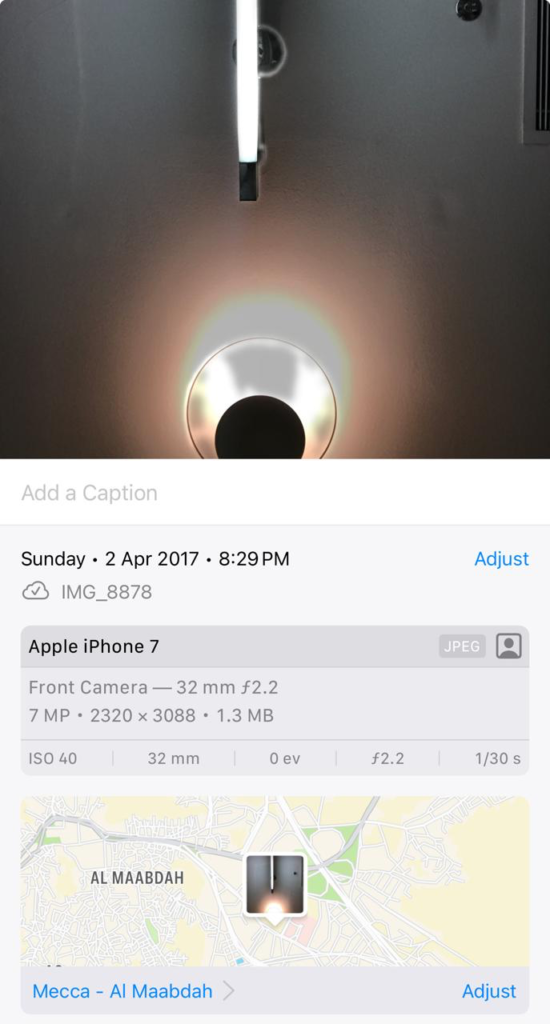
Initiated in 2015, “Ceilography” is an ongoing architectural research method developed by architect Ibrahim Nawaf Joharji. It relies on a strict technical constraint: every ceiling is documented using a standardized, controlled technique. A camera is positioned horizontally using the front-facing mode, placed flat on a stable surface directly below the architectural plane. This mechanism eliminates tilt, distortion, and perspective—the variables that render conventional architectural photography subjective—producing an orthographic projection. Consequently, the ceiling is rendered as a precise, standardized plan view that invites direct comparative analysis.
The archive’s value lies in its methodological rigor applied consistently across years and diverse geographies—encompassing offices, restaurants, museums, airports, hotel lobbies, and industrial spaces across Saudi Arabia, Europe, and the United States. Documenting each ceiling under identical conditions yields a unified visual language across radically different contexts, repositioning the ceiling as a primary carrier of structural, environmental, and financial data.
Research Title    Ceilography — A Personal Architectural Method
Type              Independent Research / Architectural Methodology
Initiated         2015
Status            Ongoing
Archive           Global footprint (KSA, Europe, USA, UAE)
Capture Method    Orthographic — horizontal front-facing camera
                  on a stable surface, zero tilt, zero perspective
The Economic Impact: The Ceiling as an Engineering Cost Center
Beyond aesthetics, the orthographic projection of ceilings exposes the harsh economic realities of interior space making. In contemporary construction economics, the ceiling is no longer merely a structural cover; it is the building’s primary mechanical node. Engineering estimates indicate that the ceiling and its integrated systems account for 15% to 25% of total interior fit-out costs in commercial and hospitality projects.
This high capital expenditure is not solely driven by surface finishing materials (such as gypsum or timber) but is heavily consumed by MEP (Mechanical, Electrical, and Plumbing) integration. The ceiling hosts HVAC networks, fire suppression systems, smart electrical conduits, and acoustic solutions. When documented through Ceilography, the image transforms into an economic ledger: exposed industrial plenums reveal a strategy to reduce cladding costs while highlighting technical aesthetics, whereas highly complex suspended ceilings reflect massive investments in concealing infrastructure and ensuring acoustic control. Ultimately, the ceiling serves as a precise indicator of a project’s budget and the developer’s priorities.
Standardized Capture Protocol
All archival images are captured using a strict protocol. The device is placed horizontally on a stable surface approximately 1.0 meter above the floor, with the front-facing camera pointing vertically upward. In a typical room with a 3.0-meter height, this records a span of nearly 2.0 meters of the ceiling in a single frame. The wide-angle lens introduces a slight, consistent inward convergence, ensuring that suspended elements—such as lighting fixtures and HVAC diffusers—remain visible while maintaining a standardized, comparable architectural record.
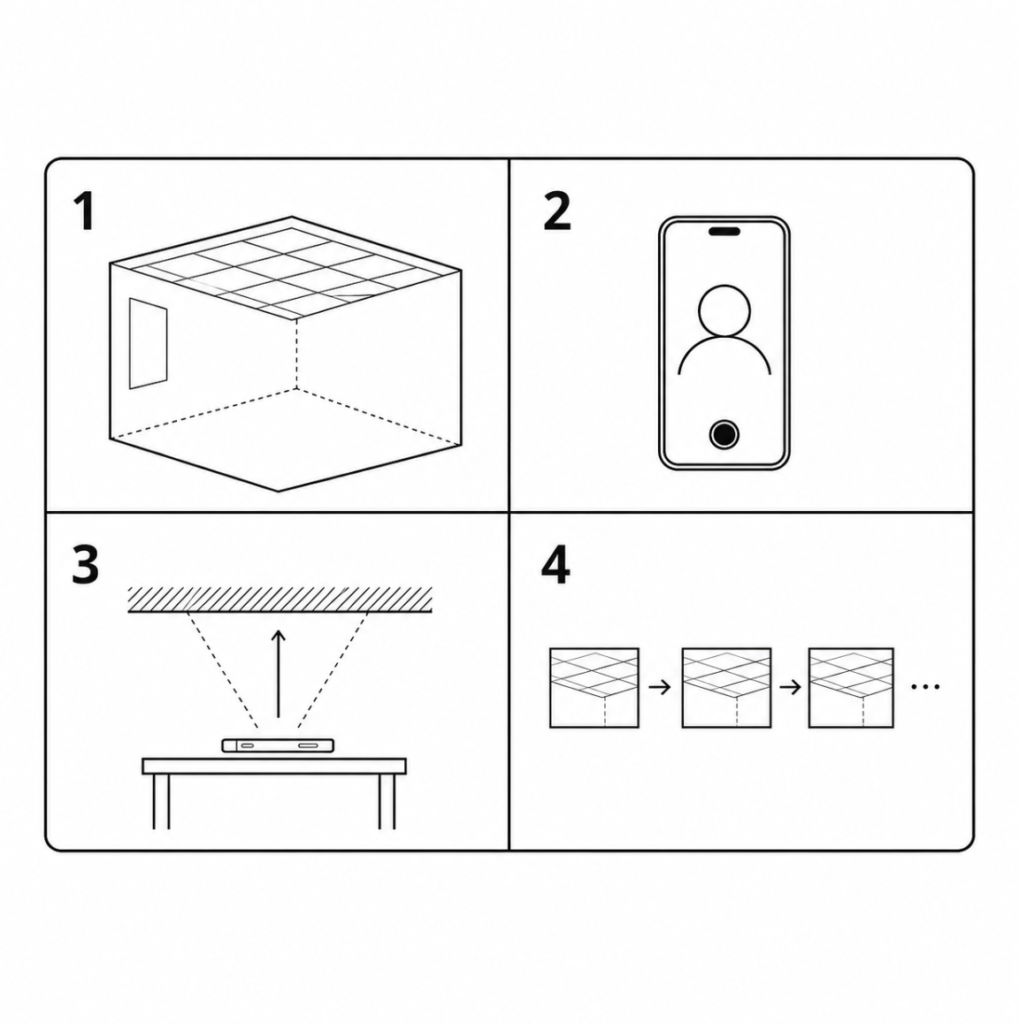
The removal of perspective is the defining act of this methodology. Perspective naturalizes architecture to fit our visual expectations; by eliminating it, the ceiling is isolated as an independent subject. It becomes readable as geometry, as a technical system, as a material decision, and as an economic document. Consistent and comparative observation proves that the ceiling is one of the most accurate records of how societies build, what they value in engineering, and what they consciously choose to conceal.
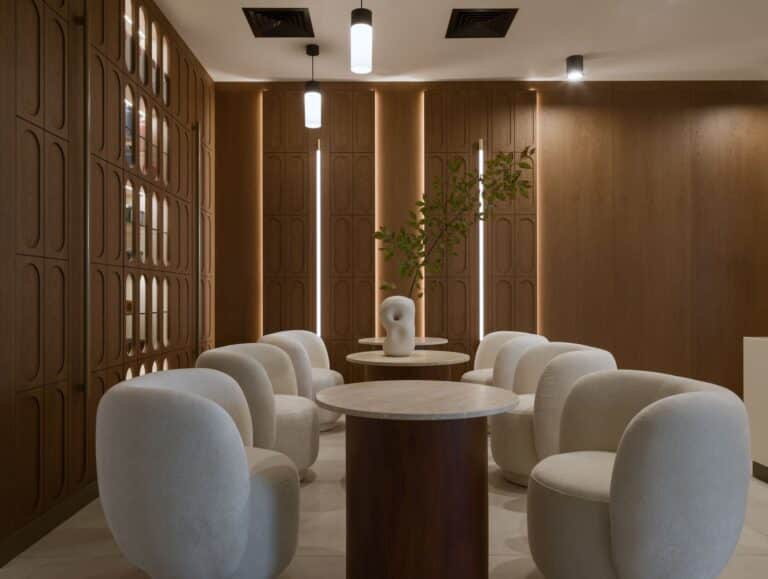
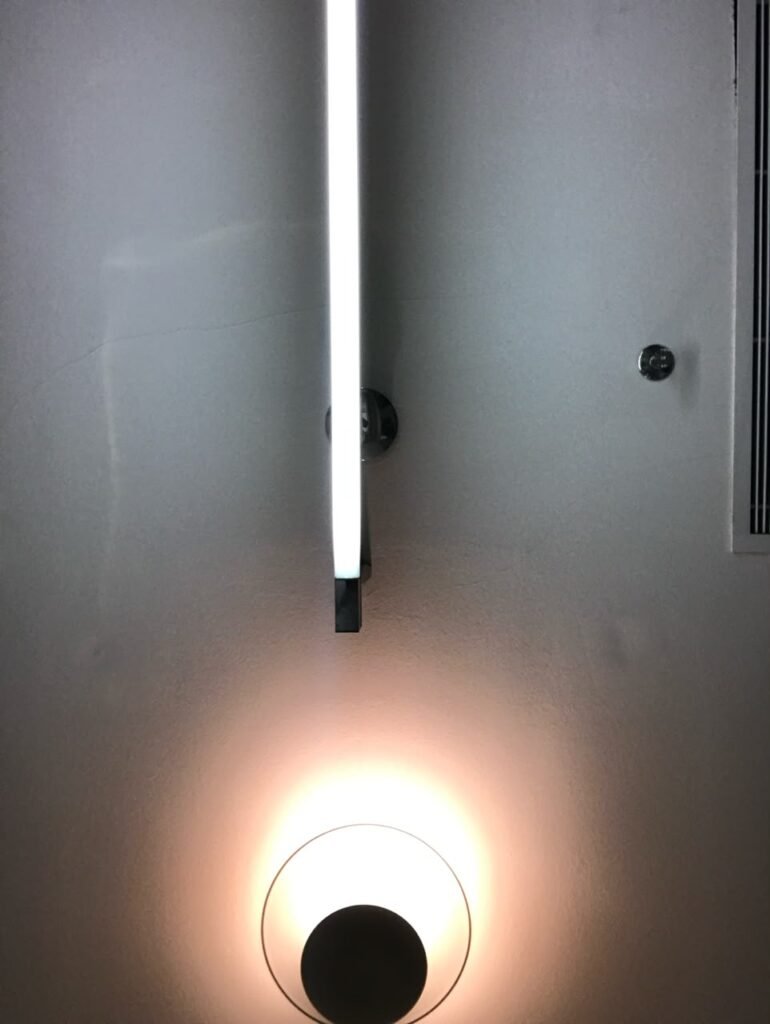
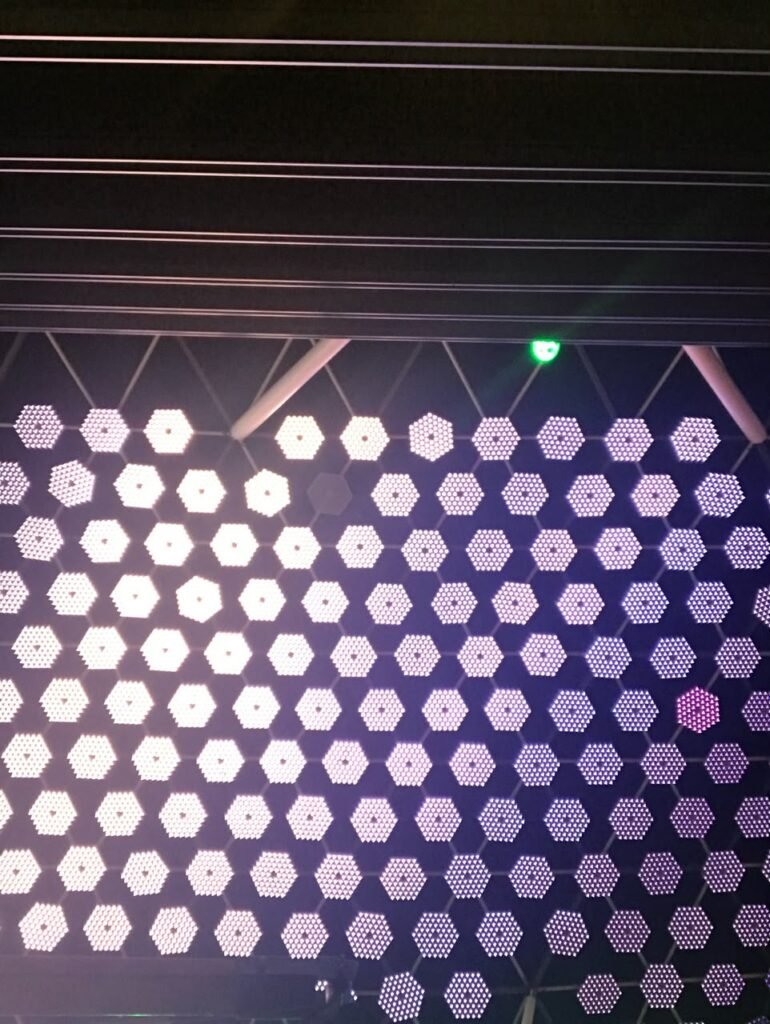
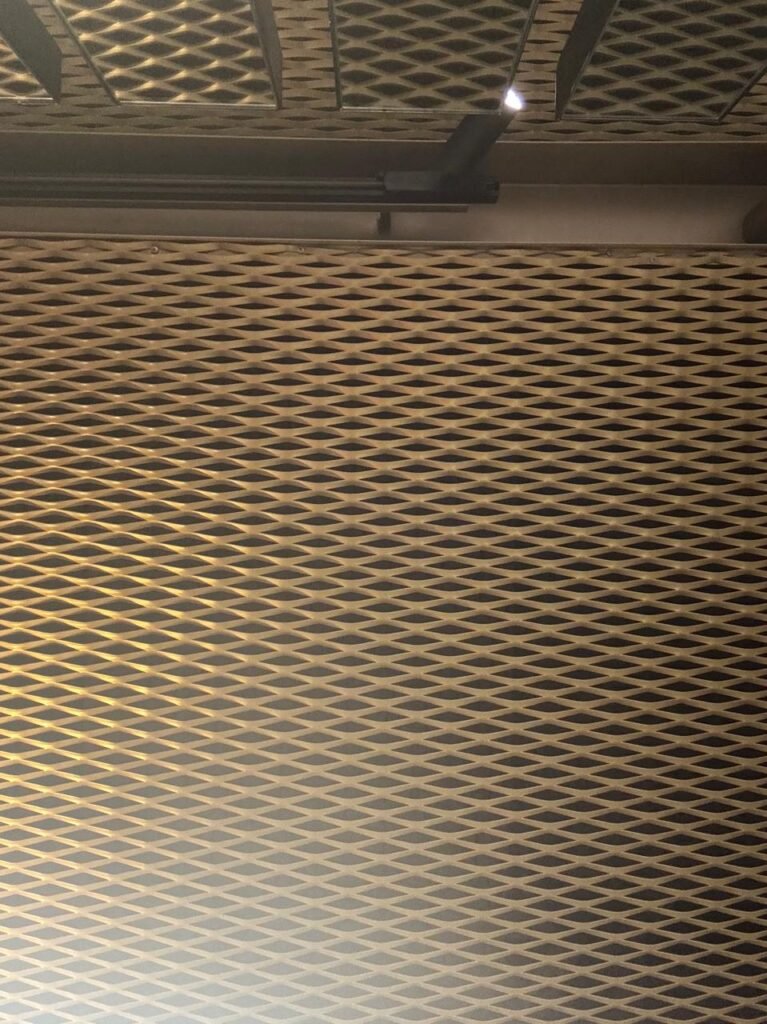
Selected Archive — Cross-Typology Cases
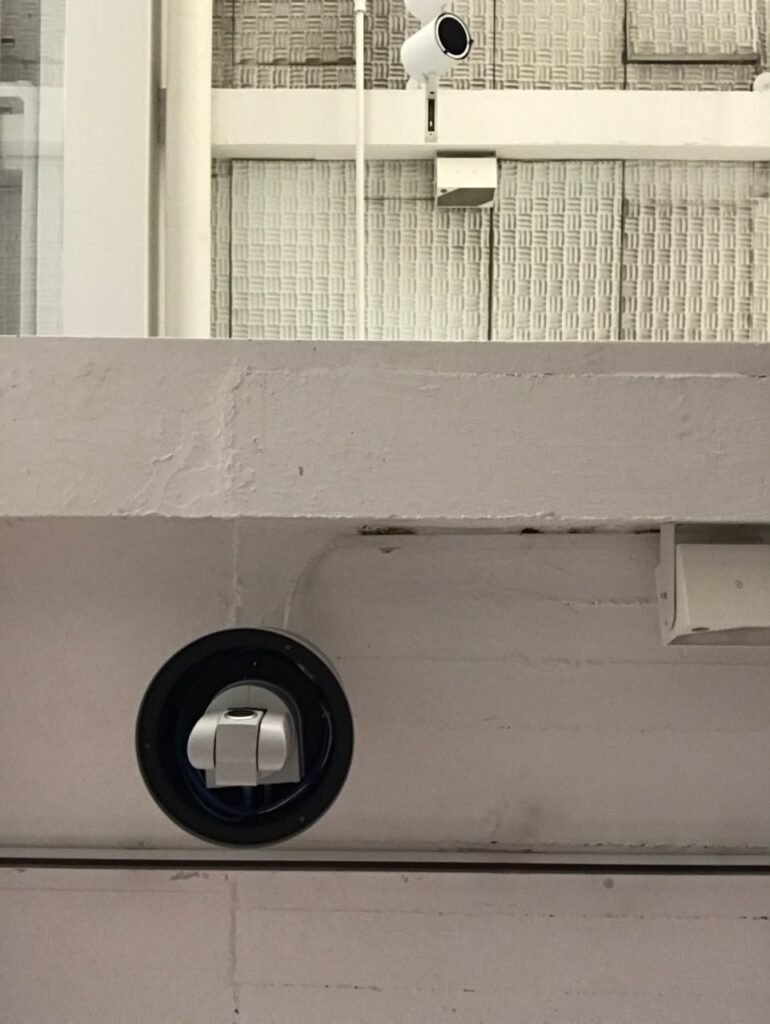
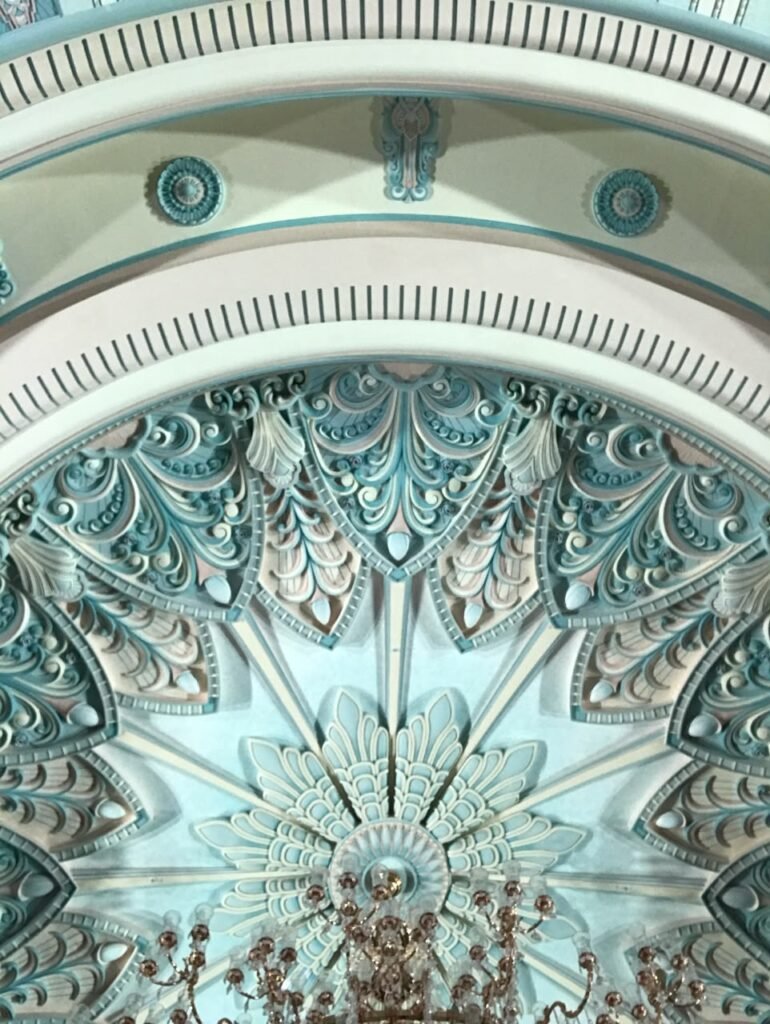
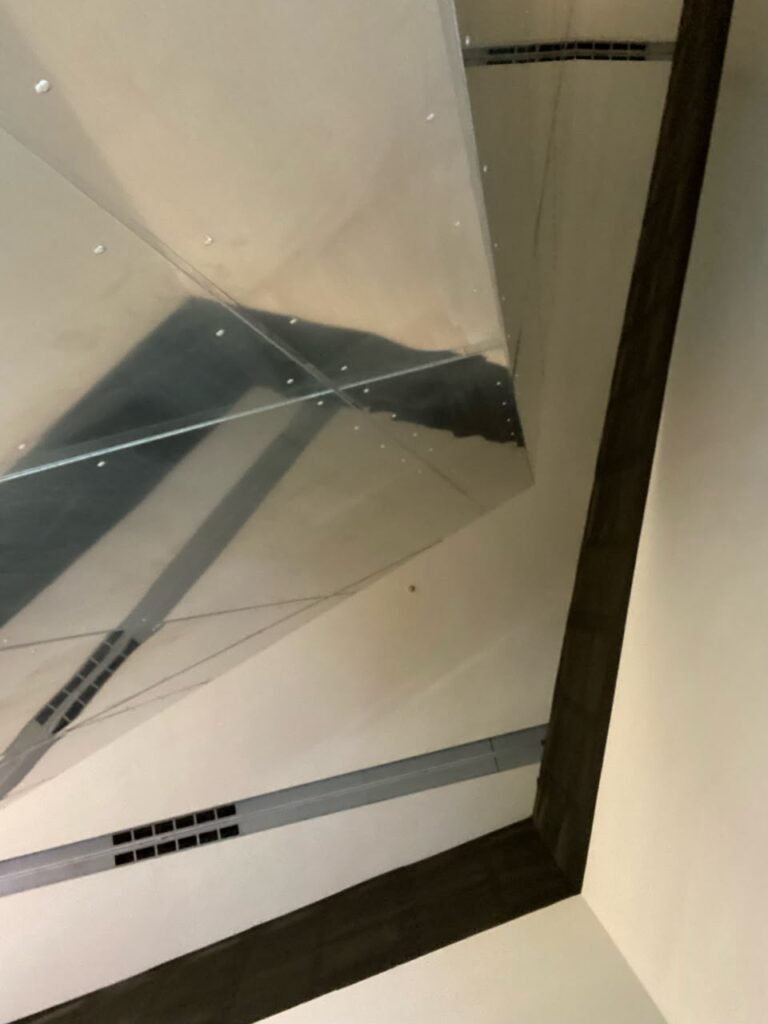
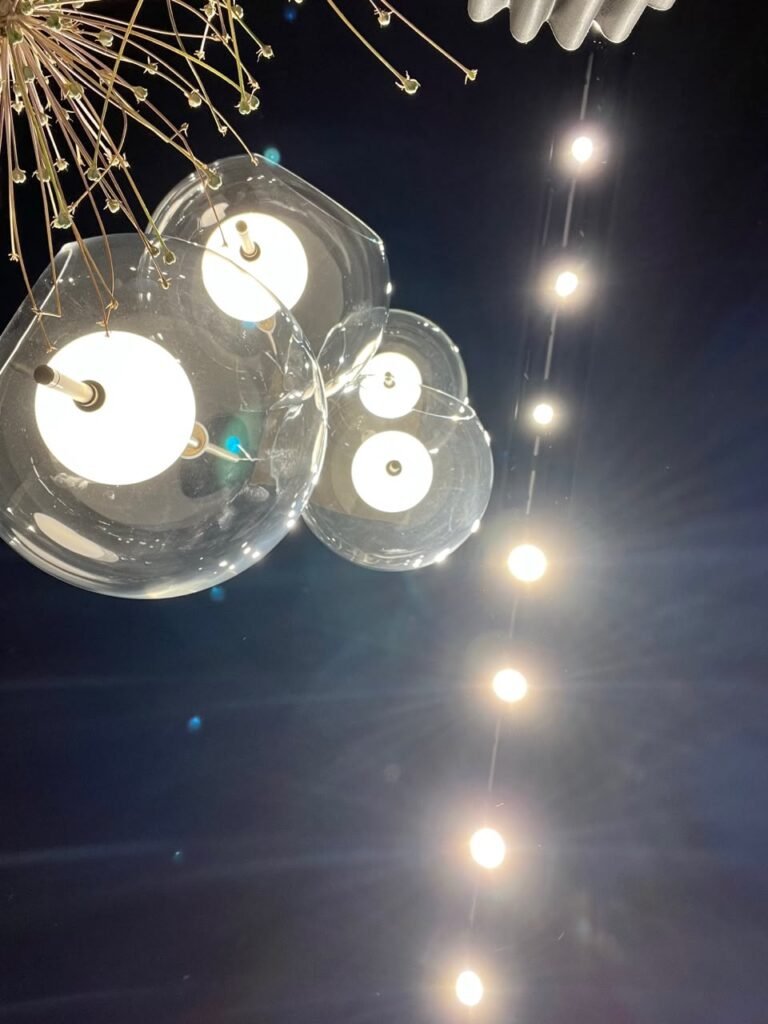
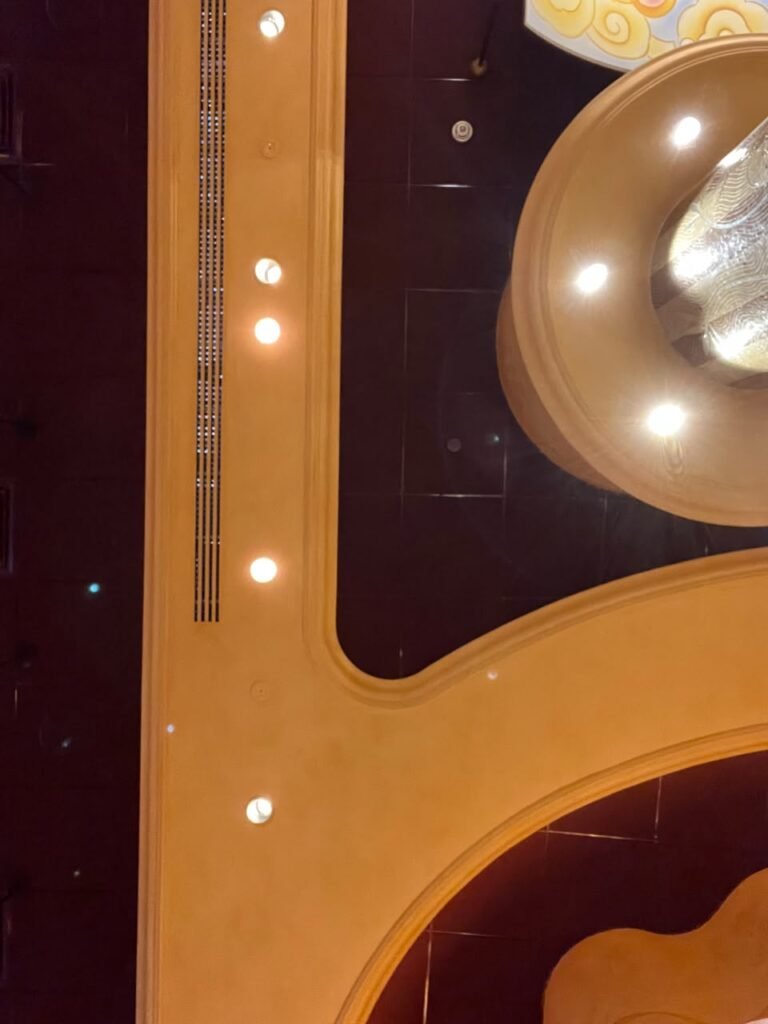
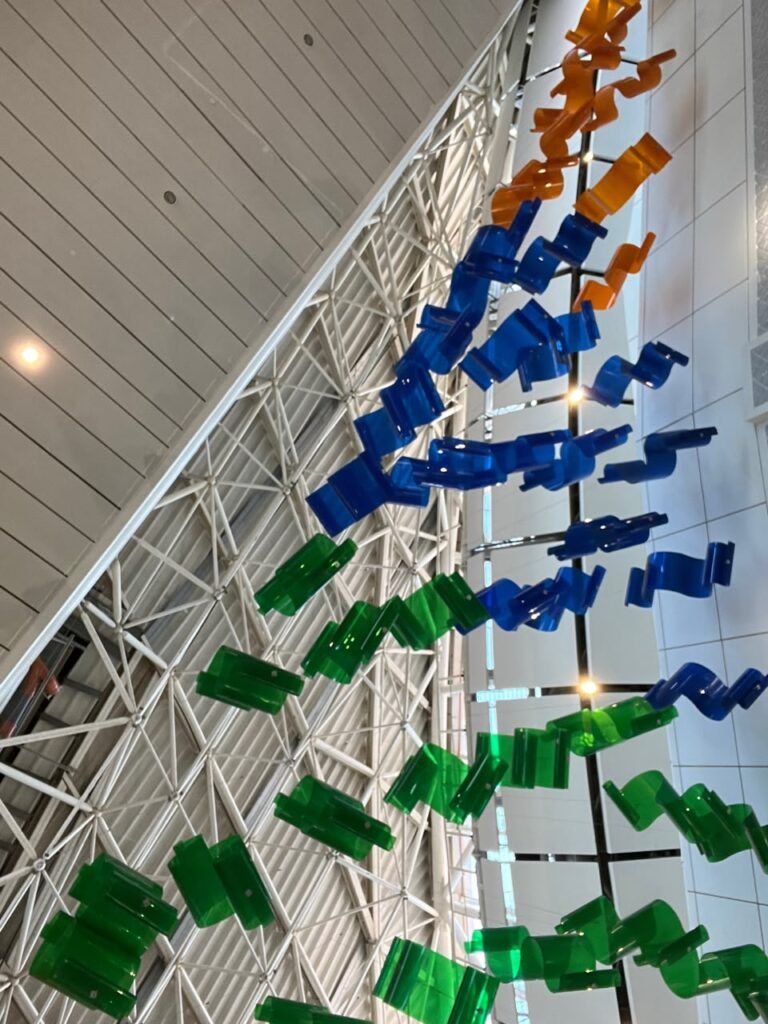
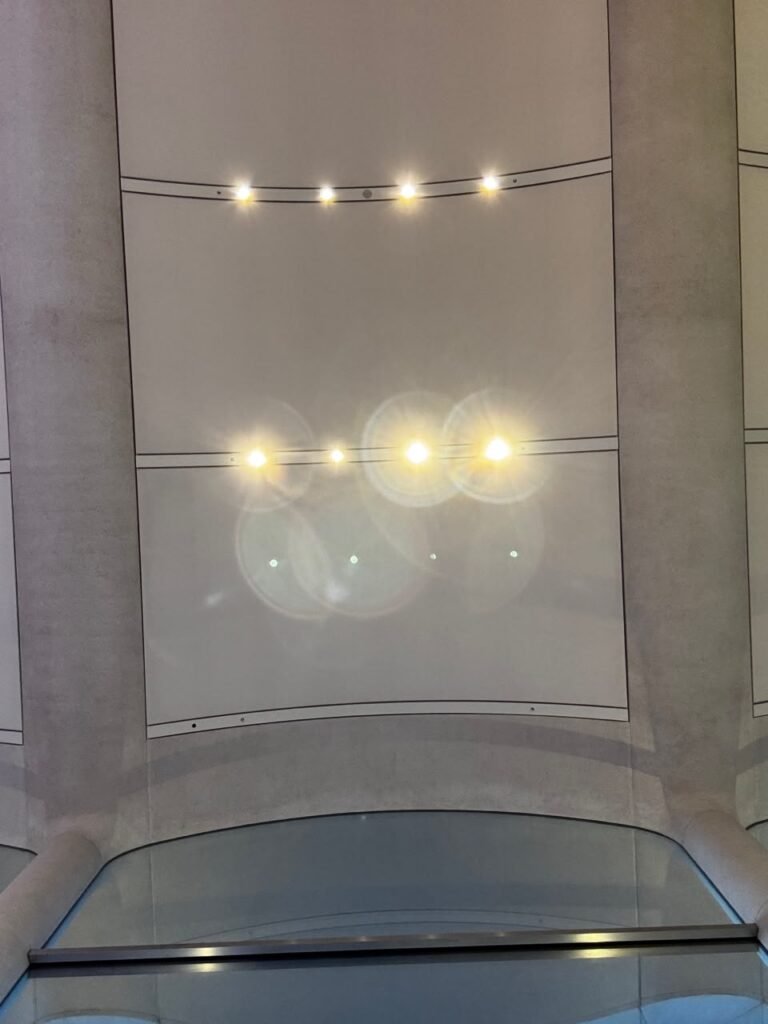
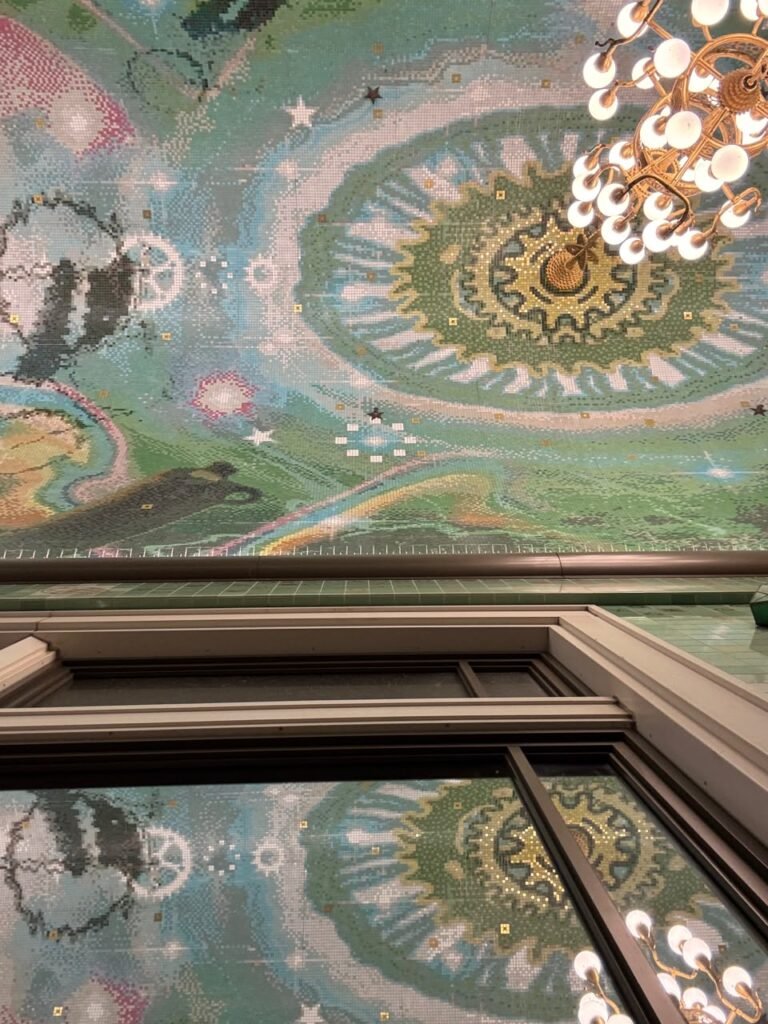
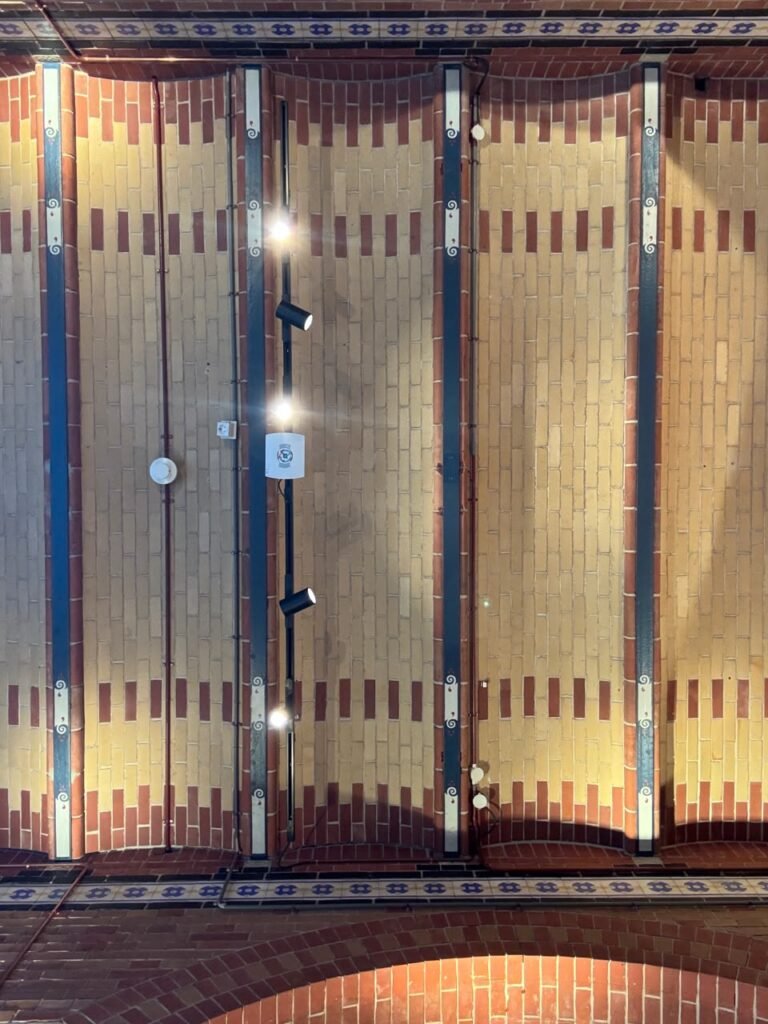
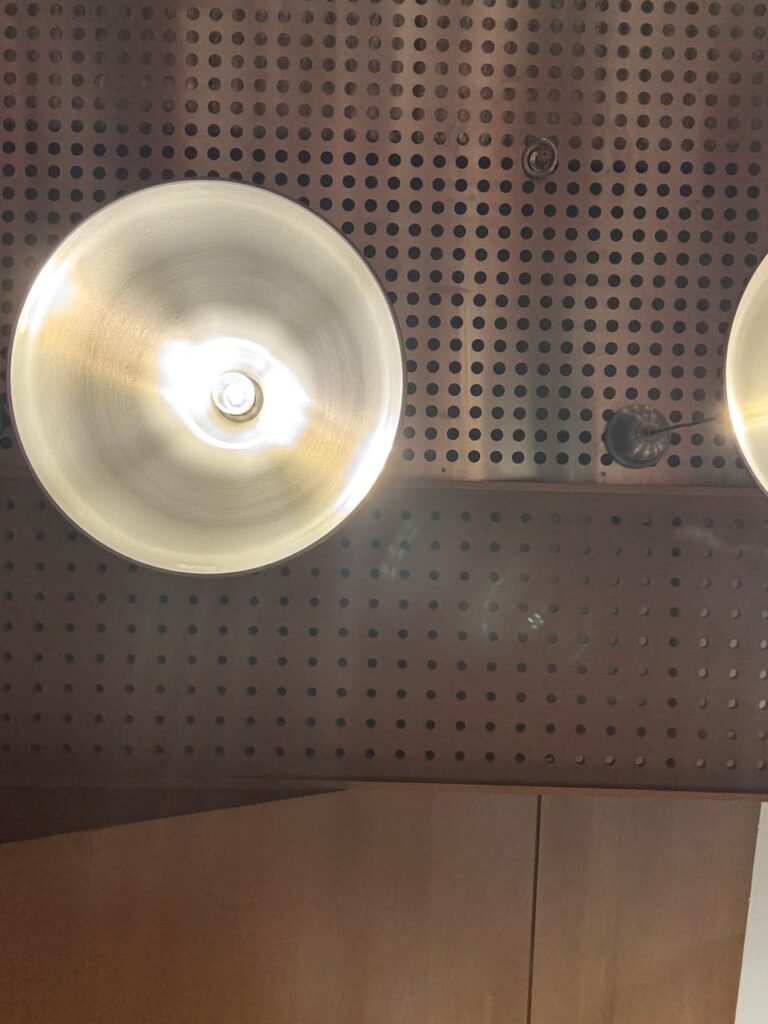
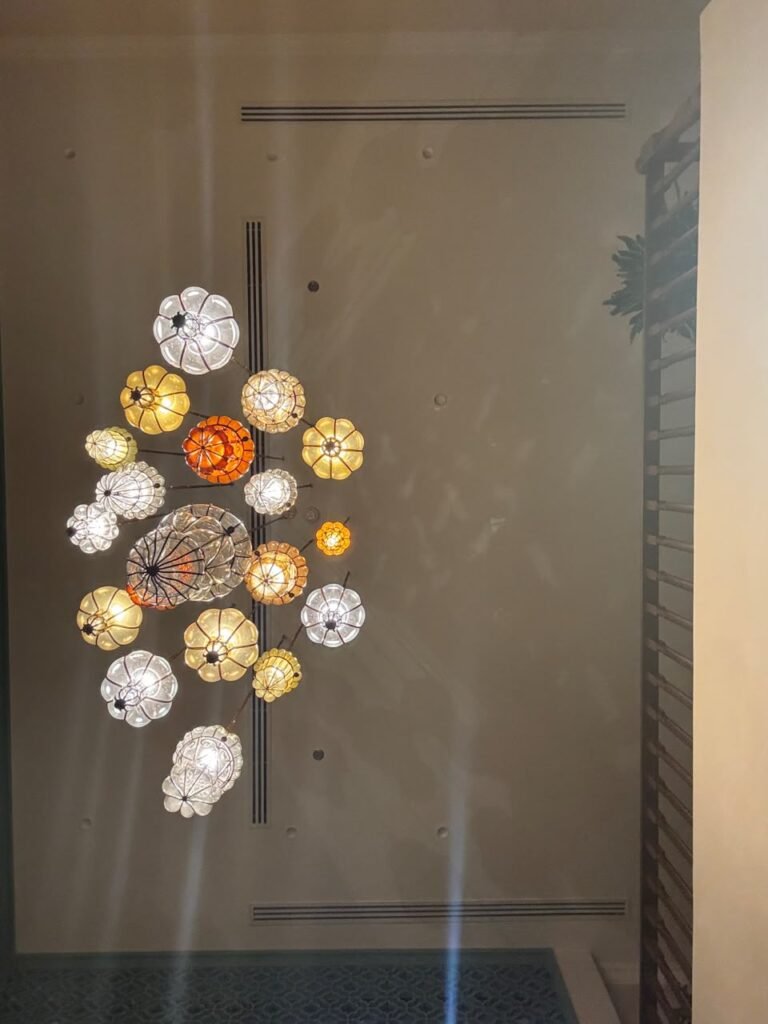
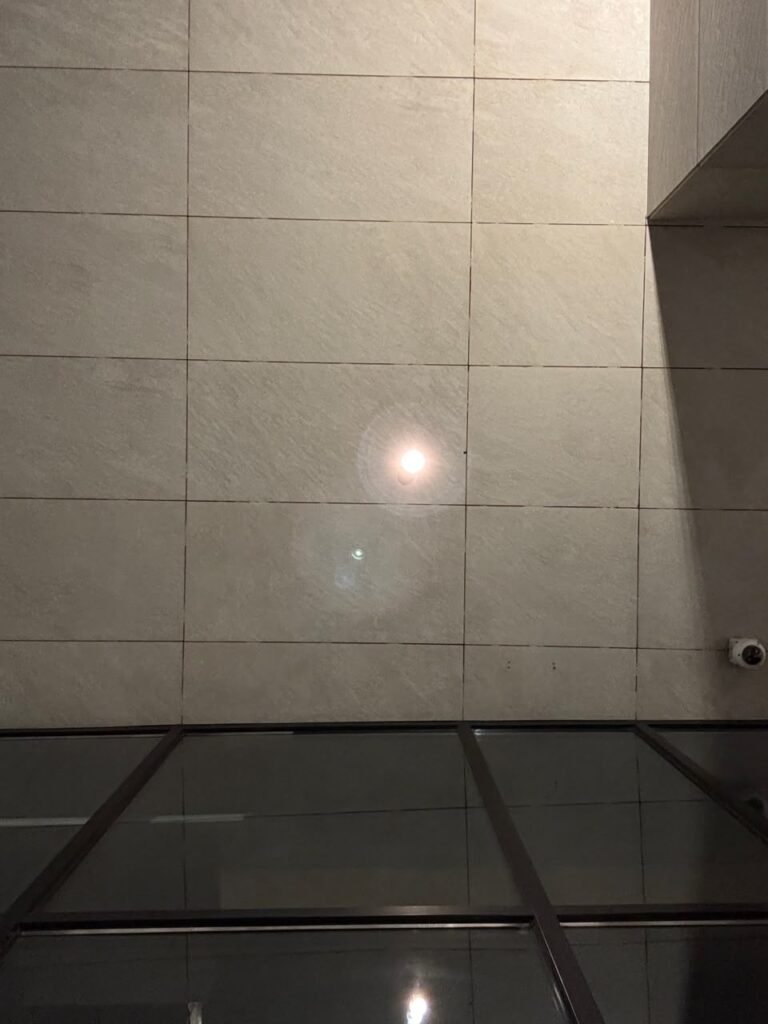
✦ ArchUp Editorial Insight
The ceiling’s systematic neglect in conventional architectural observation is not a perceptual accident — it is the spatial consequence of a documentation culture that has organized itself around the photograph, and the photograph has always been taken by a person standing upright, navigating horizontally, framing what the eye encounters at the level of commercial exchange and social performance. What Ceilography’s orthographic inversion exposes is therefore not merely an overlooked surface but a hidden economic ledger: the ceiling is the one plane where the building’s actual budget allocation becomes directly legible, where the developer’s decision to conceal or reveal mechanical infrastructure, to invest in acoustic control or abandon it, to signal luxury through layered plasterwork or signal efficiency through exposed industrial plenums, is recorded in material and geometry without the possibility of the photographic staging that governs every other surface of the building’s public representation. The methodology’s deepest contribution is structural rather than aesthetic: by eliminating perspective — the visual rhetoric through which architecture presents itself as it wishes to be seen rather than as it was built — it produces a document that the procurement decision, the contractor’s value-engineering, and the developer’s budget ceiling cannot easily falsify, and in doing so it extends, from a single plane above the occupant’s head, precisely the forensic reading that Brain Rot in the Rabbit Hole identified as the fundamental challenge of architectural media: the right to see a building as it actually is, rather than as its packaging has been designed to make it appear.
Reference & Source: This analysis is based on the independent architectural research archive “Ceilography” developed by architect Ibrahim Nawaf Joharji. To explore the complete visual dataset and methodology, please visit the original Ceilography publication at INJ Architects.