LAX earthquake glass damage puts passenger routes in the safety spotlight

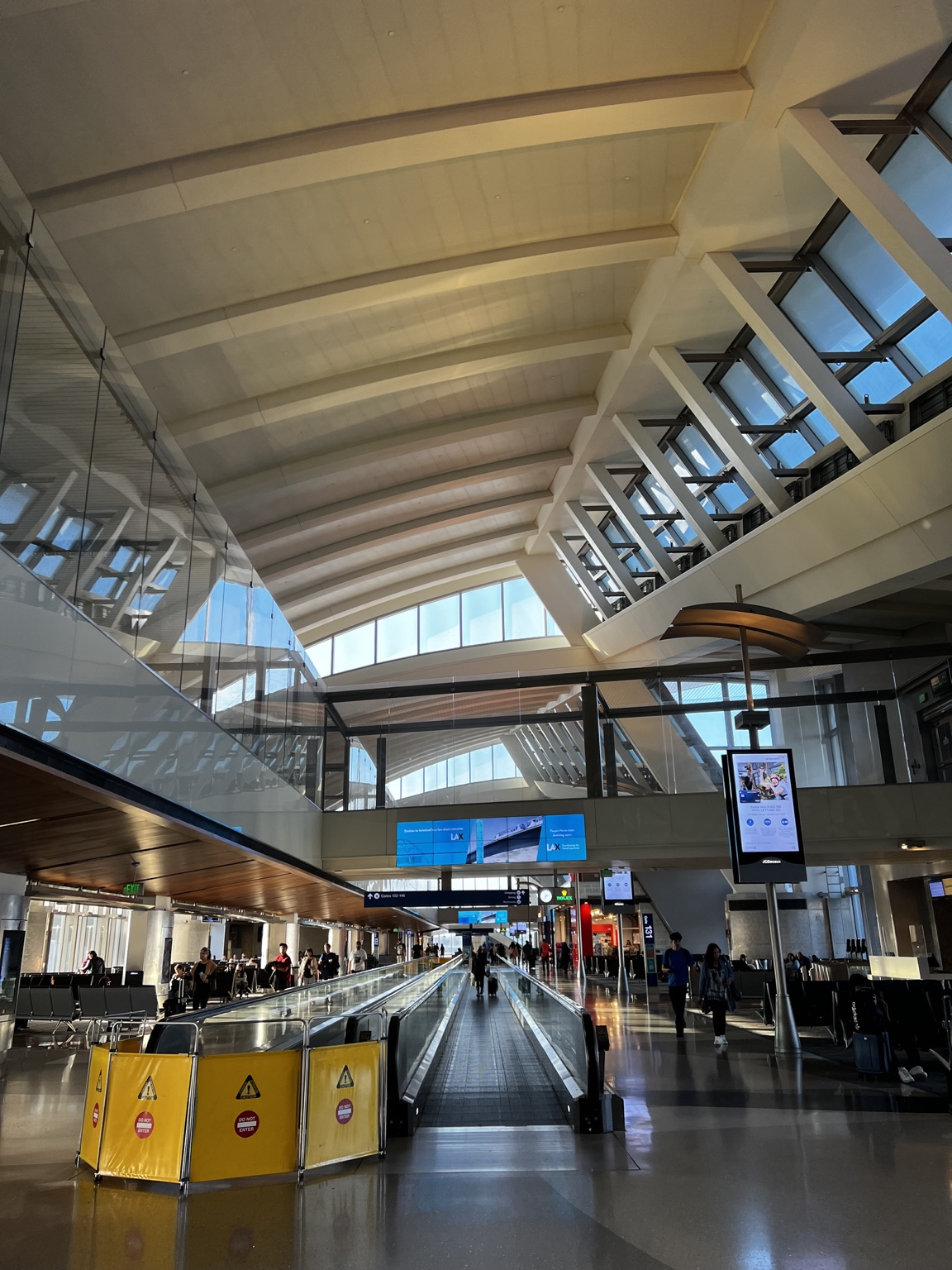
Video coverage published by ABC7 showed broken glass and debris at Los Angeles International Airport after the earthquake on the morning of 28 November 2026. The damage raises an architectural question about keeping passenger routes safe when nonstructural building elements fail.
Initial reporting described a preliminary magnitude of 5.0. This report does not treat that figure as final, given differing estimates in published monitoring products. The sources reviewed did not provide an engineering investigation establishing the damaged glazing specification or the cause of failure.
Breakage does not establish the specification
Tempered glass can break. FEMA’s E-74 guidance explains that post-breakage behaviour and falling height affect the hazard, while glazing assemblies must accommodate building movement. Frames, clearances and anchorage matter alongside the glass. Images alone cannot establish a code violation or demonstrate that the affected panes were not safety glazing.
The questions for inspection
A technical review would need the glazing specification, installation details, fragment retention, fixing condition and location relative to passenger circulation. It should distinguish component damage from structural performance and establish the conditions for reopening affected routes. These are inspection questions, not findings about LAX.
✦ ArchUp Editorial Insight
An airport depends on circulation as well as structural survival. Glass, suspended ceilings and partitions occupy the spaces in which passengers queue, wait and find their way out. Local damage can therefore interrupt service even where major structural damage has not been established. The professional issue is how responsibility for those spaces passes between design, procurement, installation, maintenance and operations. Who retains the component specification, verifies that a replacement remains compatible with the original assembly and authorises a corridor to reopen? The available footage cannot answer those questions. It does, however, provide a reason to examine how inspection records connect a failed element to its fixings and movement allowances. Clearing debris restores access; understanding performance requires a different chain of evidence. A useful review would measure the consequences for people and circulation alongside replacement cost, allowing repair decisions to address the behaviour of the assembly rather than simply recover its previous appearance.
Sources: ABC7, LAX broken-glass coverage, 28–29 November 2026; USGS earthquake reporting; FEMA E-74, glazing and nonstructural components guidance. The engineering reference describes general principles, not an investigation of this incident.