Marknesse Housing: Low-Carbon Bio-Based Architecture

Carbon Footprint in the Construction Sector
Architecture is considered one of the largest contributors to carbon emissions globally. Within this context, a residential model developed in the village of Marknesse in the Netherlands emerges as a case study aimed at directly addressing this environmental issue by reducing the carbon footprint associated with construction.
Low-Cost Housing Model
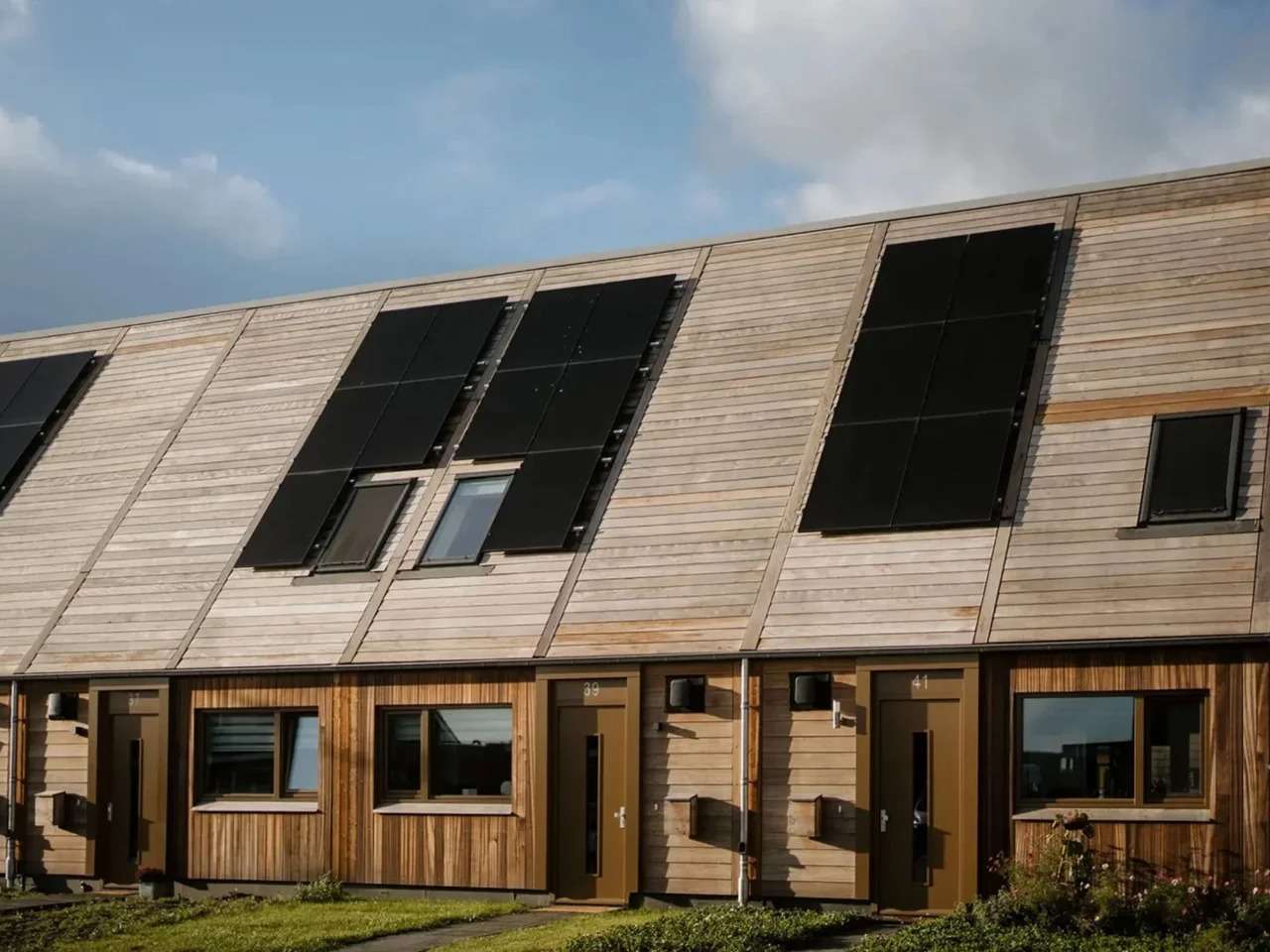
Commissioned by the housing association Mercatus, the project consists of 12 rental homes designed for affordable housing. The design was oriented toward first-time buyers and low-income households, taking into account the social dimension alongside the environmental one.
Design Approach and Environmental Reduction
From the earliest design stages, reducing environmental impact was adopted as a core objective in all design decisions, rather than as an additional feature. In this sense, the project treats sustainability as an integrated component of both planning and execution.
Local Context and Reinterpretation of Architectural Identity
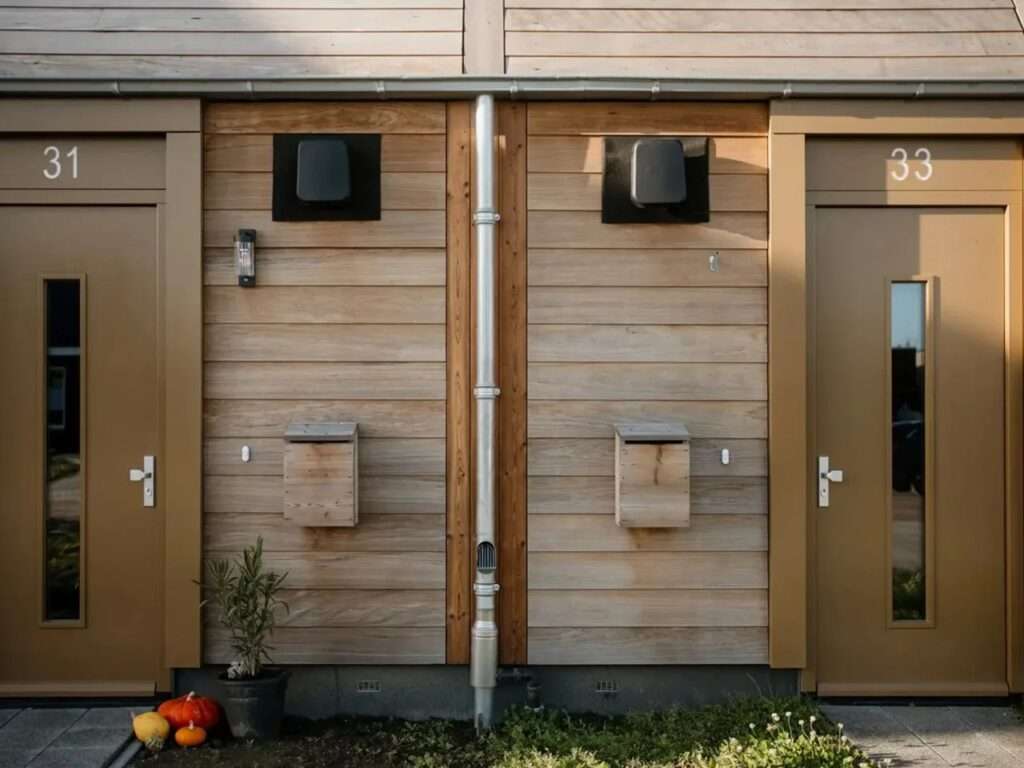
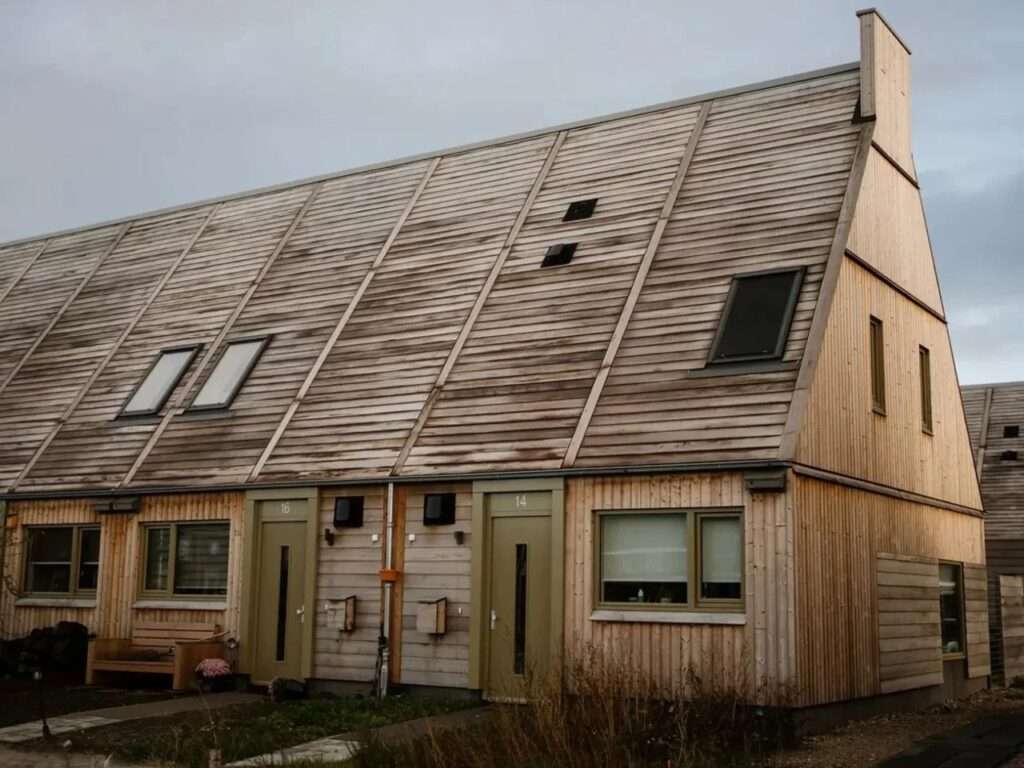
Marknesse is located in a region historically associated with the “Delft Red” aesthetic, which relies on red clay bricks and orange-reddish roof tiles. In this context, this visual identity was not ignored but reinterpreted through a contemporary approach that replaces high-carbon building materials with natural and renewable alternatives. This resulted in a remarkable outcome: a building capable of storing more carbon than it emits. Local ecological elements were also integrated into the design, such as wooden chimneys that additionally function as nesting sites for bats.
Materials and Environmental Performance
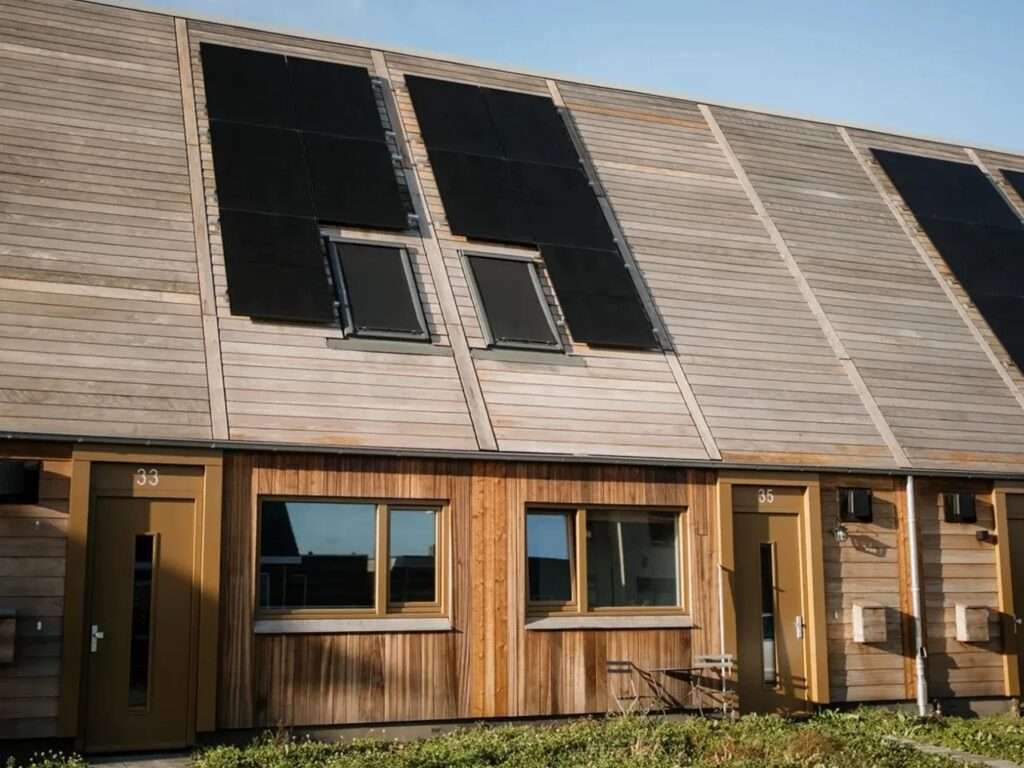
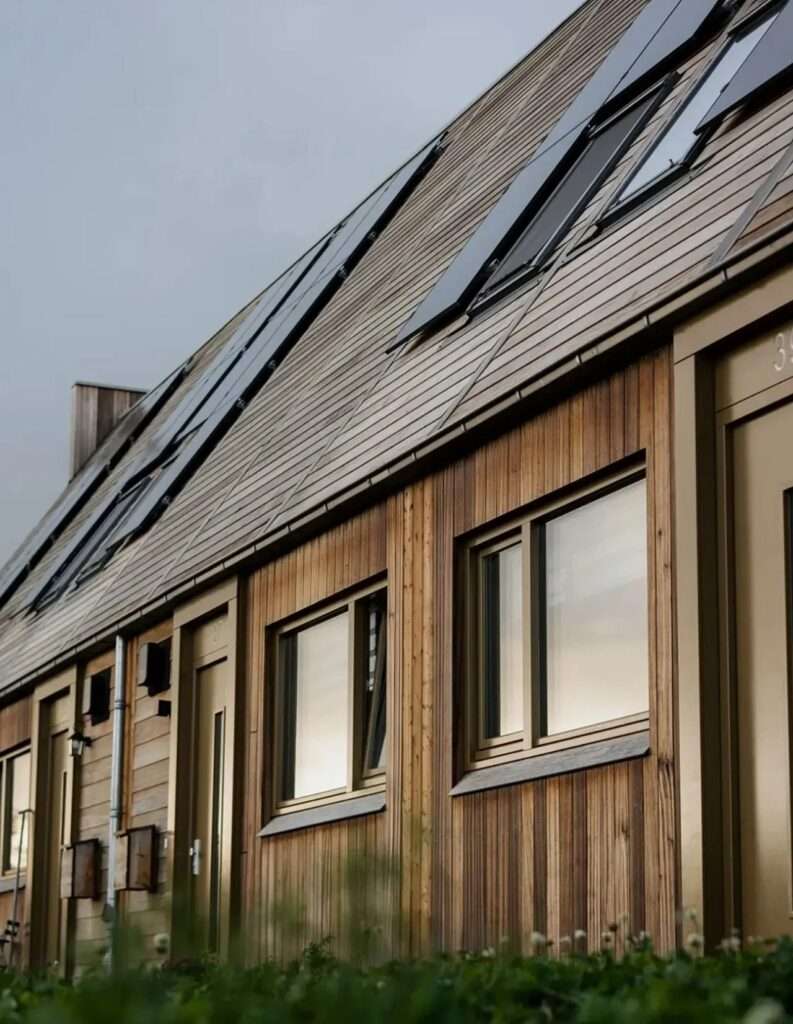
The project relies on approximately 76% bio-based and circular raw materials. With the exception of concrete foundations and a few essential components such as windows and fixing materials, most materials were replaced with renewable alternatives. For detailed specifications, you can refer to the Material Datasheets. This approach reflects a shift toward reducing material impact by rethinking material sources and their environmental properties.
A Parallel Approach to Reducing Material Impact
This model intersects with other experiments aiming to reduce reliance on traditional high-emission materials, such as the Lib Earth House Model B project in Japan, which uses 3D printing technologies and replaces cement with soil-based mixtures. In both cases, the focus is on redefining materials as a key factor in reducing the environmental impact of construction, a topic often explored in architectural research.
Execution Efficiency Through Prefabrication
The homes were constructed using prefabricated wooden elements produced off-site and then assembled on-site. This method helps reduce construction time and limits environmental disturbance during the building phase. It also reflects a similar trend in large-scale timber projects, such as the 230 Royal York Tower in Toronto, where prefabrication significantly shortened construction duration.
Insulation Systems and Interior Environmental Performance
Inside, the structural system relies on wood insulation supported by wood fibers and other natural materials. This allows the creation of a breathable building envelope free from mineral or plastic insulation membranes. Instead of synthetic layers, the wall system passively regulates humidity and temperature, reducing the need for air conditioning systems or continuous mechanical intervention. This integration is a key aspect of modern interior design focused on environmental performance.
Material Life Cycle Documentation and Long-Term Use Management
To ensure a closed-loop sustainability cycle in the long term, each home was documented using the Madaster Material Passport, a digital system that records all materials used and their applications within the building. In addition, residents were provided with user manuals to help them maintain and later reuse building components at the end of their life cycle.
Sustainability and Accessibility Approach
This model in Marknesse reflects the integration of sustainability considerations with cost and accessibility requirements by linking design to traceable and reusable materials. Thus, the project presents a case study demonstrating the possibility of combining carbon reduction with affordable housing solutions without separating environmental and social dimensions. To stay updated on similar initiatives, you can follow the latest Top News in sustainable architecture.
✦ ArchUp Editorial Insight
The Marknesse housing model appears as a direct outcome of the intersection between emissions reduction policies and social housing financing mechanisms, where the Mercatus housing association’s demand for low-cost units acted as an initial constraint that redirected the decision-making chain from the design level to climate compliance requirements. Regulatory constraints related to carbon footprint reduction led to a restructuring of the supply chain through high shares of bio-based and circular materials, while cost and collective housing considerations enforced the adoption of prefabrication models that reduce construction time and operational risks. Within this framework, the architectural form becomes a material compromise between local real estate market logic, European environmental policy pressures, and risk management models in the construction sector, turning the project into an expression of carbon redistribution within the construction cycle rather than an independent design decision. For more context on how cities are adopting low-carbon strategies, explore related case studies in the archive.