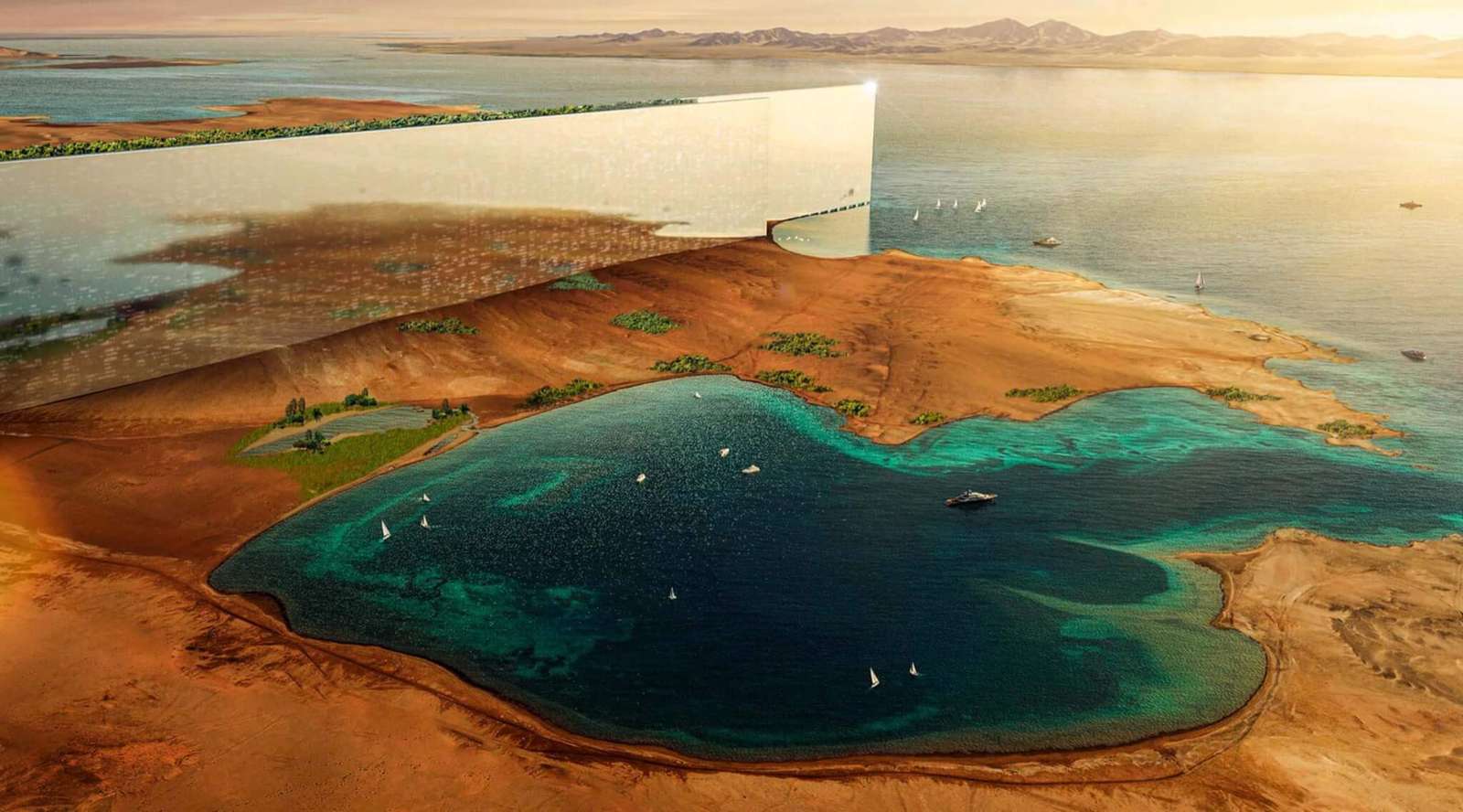
NEOM suspends construction on The Line to prioritize Oxagon logistics hub

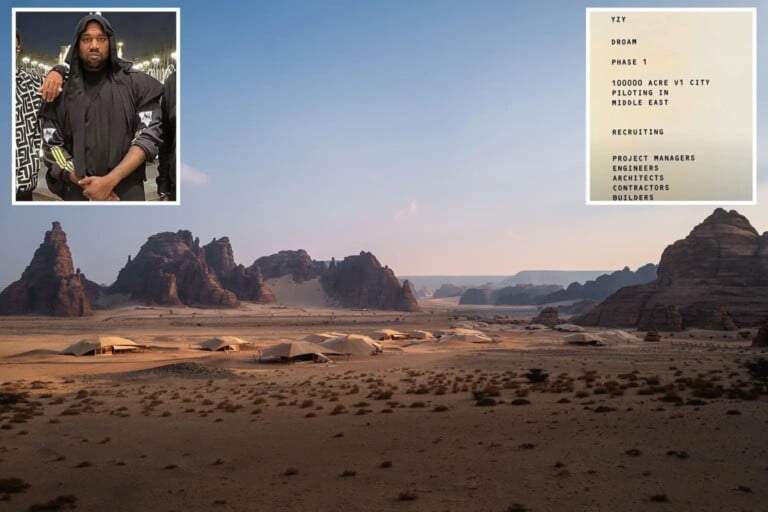
NEOM issued a temporary work stoppage on The Line and the Trojena mountain resort until at least 2030. The development company, led by new CEO Aiman al-Mudaifer, now redirects investment toward Oxagon, a port and logistics city located on the Red Sea. This strategic pivot moves resources away from the primary residential megastructure to focus on maritime trade infrastructure.
The new directive involves a significant reinvestment strategy totaling $3 billion for Oxagon. NEOM considers the port city essential for establishing new trade routes, especially following the closure of the Strait of Hormuz. While construction stops on the residential segments, the team explores repurposing existing physical infrastructure at The Line for data center usage.
Oxagon emerges as the primary maritime logistics hub
Oxagon comprises a 40-acre floating octagonal structure designed to serve as the world’s largest floating logistics hub. Bjarke Ingels Group serves as the masterplanner for the eight-sided city, which integrates industrial ports with urban zones. Last year, Andre Kikoski Architect completed a greenhouse facility within Oxagon for Topian, the food company under the NEOM umbrella.
The scale of The Line has diminished consistently since its initial 2021 announcement. The original vision proposed a 105-mile-long city housing 1.5 million residents. Recent revisions reduced the expected 2030 occupancy to 100,000 residents within a 1.5-mile segment. This latest stoppage marks the most significant delay in the history of the Saudi Vision 2030 initiative.
Operational shifts and labor concerns impact construction
The project continues to face intense scrutiny regarding its construction labor practices and human rights record. Reports indicate that over 21,000 workers from India, Bangladesh, and Nepal have died in Saudi Arabia since 2017 during the execution of various Saudi Vision 2030 projects. These figures accompany the ongoing logistical and financial adjustments within the NEOM leadership.
At the Red Sea site, Oxagon remains the only major NEOM component with an active, high-priority investment schedule. Although the developer has not announced a final completion date for the port city, the $3 billion pledge secures its role as a critical transport interface. Meanwhile, the mountain resort of Trojena remains on hold alongside the mirrored desert city.
✦ ArchUp Editorial Insight
The decision to halt work on The Line while prioritizing Oxagon reveals a shift from speculative urbanism to essential architecture and infrastructure. By pivoting toward a floating logistics hub, NEOM prioritizes trade resilience over residential megastructures. This move suggests that the developer values the operational utility of a port city more than the spatial density of a mirrored desert corridor. Repurposing existing foundations for data centers further emphasizes a transition from human habitation to digital and industrial utility. This reconfiguration demonstrates how geopolitical pressures and trade route security can fundamentally alter the masterplanning priorities of a national urban planning strategy.
Project Team: Bjarke Ingels Group (Oxagon Masterplanner), Andre Kikoski Architect (Topian Greenhouse). Location: Tabuk Province, Saudi Arabia.
Project Notes: Work on The Line and Trojena paused until 2030; Oxagon remains active with a $3 billion investment; status of The Line reduced to 1.5 miles for 100,000 residents.