Nine prefabricated terraces in Schofields cut reported build time to eight months

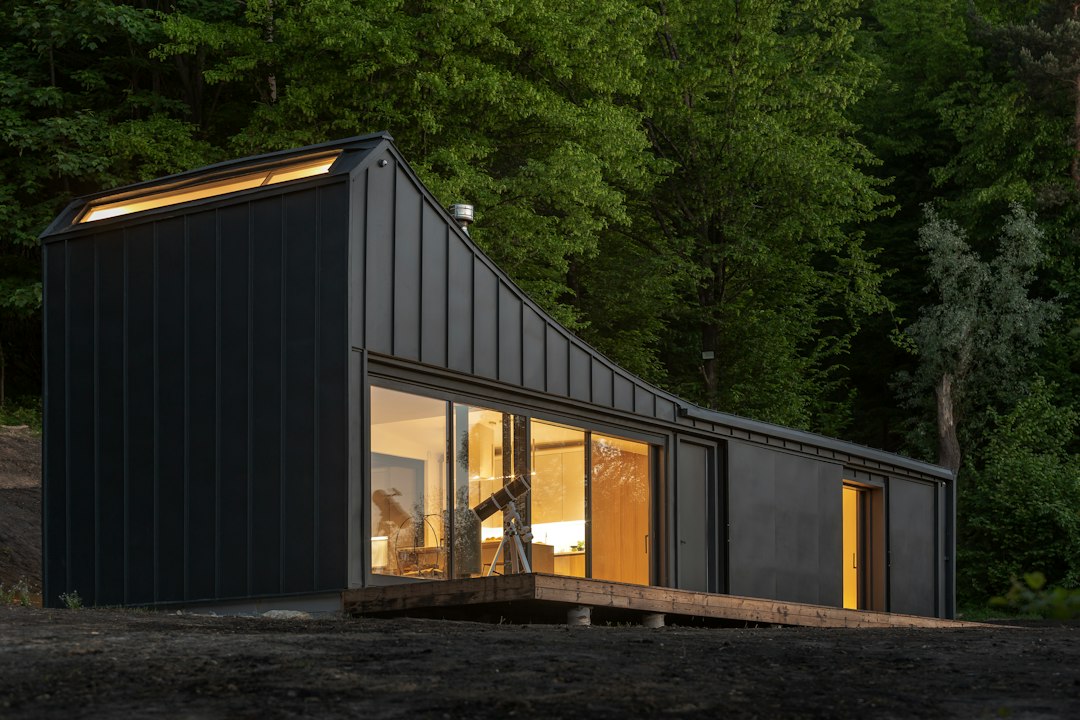
Nine architecturally designed terrace homes using off-site construction have been completed at Schofields in north-west Sydney. The New South Wales government says the two-storey, three-bedroom homes took about eight months to complete, compared with 12 to 14 months for a comparable conventional build.
What has been completed
Large sections of the homes were manufactured away from the site, then transported to Schofields and craned into position. Four homes are expected to be offered for sale in November 2026, while the remaining homes are scheduled to become available in early 2027.
The terraces form a small pilot within Landcom’s wider Burdekin Road development, planned to deliver about 140 homes near transport and services. The government says at least 30 per cent of that wider development is intended as affordable housing.
What the time comparison does—and does not—show
The eight-month figure is a reported outcome for this nine-home pilot. It is useful evidence that off-site production can compress the on-site sequence, but it is not a universal guarantee for every modular project. Design repetition, factory capacity, transport logistics, crane access, approvals and site preparation can all change the result.
The government also attributes tighter quality checks and lower waste to the controlled factory environment. Those are stated benefits of the delivery method; no independently published post-occupancy or whole-life assessment accompanied the announcement.
A regulatory change behind the pilot
New South Wales has recently placed prefabricated buildings within its building approvals framework through the Building (Approvals and Practitioners) Act 2026. That matters to architects, certifiers and manufacturers because modular construction depends on a clear allocation of responsibility between factory production, transport, site assembly and final certification.
The state is also developing an MMC certification system and procurement guidance for public agencies. A second Landcom pilot of 33 dwellings at Edmondson Park has reached development-application stage, but it has not yet been built.
Why this matters for practice
For project teams, the Schofields result suggests that the largest programme gains may come from coordinating the factory and site as one production system rather than treating prefabrication as a late substitution. Early decisions about module dimensions, service interfaces, tolerances, lifting points and transport routes become architectural and contractual decisions.
The completed homes provide a real, if limited, benchmark. The next professional question is whether the shorter programme can be repeated at larger scale while maintaining design quality, cost transparency, defect control and long-term adaptability.