The Role of Acoustic Design in Modern Architecture

Acoustic design plays a crucial role in modern architecture, influencing how we experience spaces through sound. In an increasingly urbanized world, where noise pollution is prevalent, understanding and implementing effective acoustic design strategies is essential for creating comfortable and functional environments. This article explores the importance of acoustic design, its principles, and its application in various building types.
Understanding Acoustic Design
Acoustic design involves the manipulation of sound within a space to enhance its acoustic quality. This includes managing sound absorption, reflection, and transmission to create an environment that minimizes unwanted noise while promoting pleasant sound experiences. Effective acoustic design can significantly impact the functionality of spaces such as concert halls, classrooms, offices, and residential buildings.
Principles of Acoustic Design
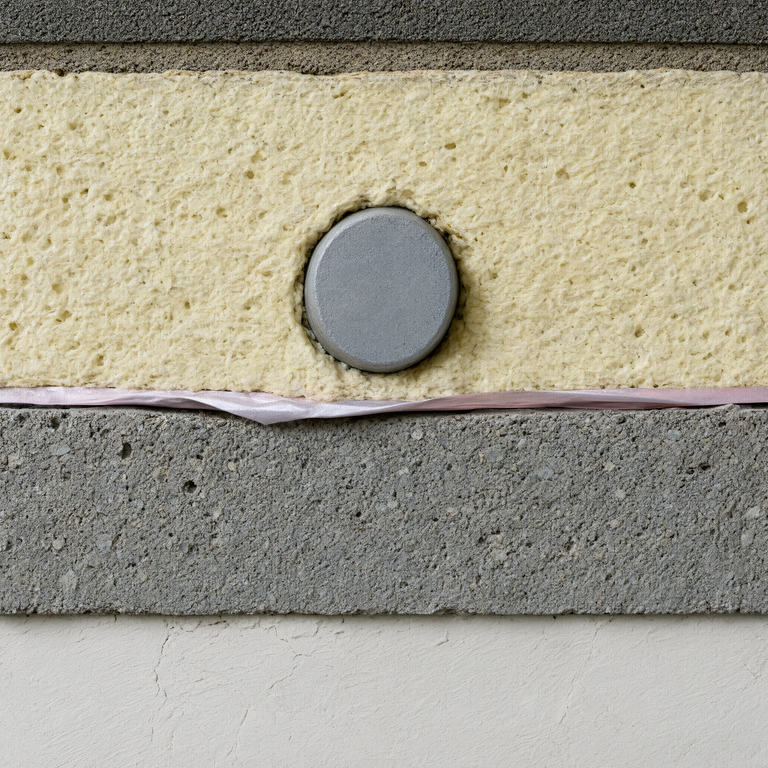
- Sound Absorption: Materials that absorb sound help reduce echoes and reverberation in a space. Soft furnishings, carpets, and acoustic panels are common solutions to improve sound absorption.
- Sound Reflection: Some spaces benefit from controlled sound reflection, enhancing the overall acoustics. Hard surfaces like walls and ceilings can be strategically designed to reflect sound waves where needed, creating a balanced acoustic environment.
- Sound Isolation: Ensuring that sound does not travel between spaces is vital, especially in multi-use buildings. Techniques such as double-glazing windows, insulated walls, and soundproofing materials help minimize sound transmission.
Application in Modern Architecture
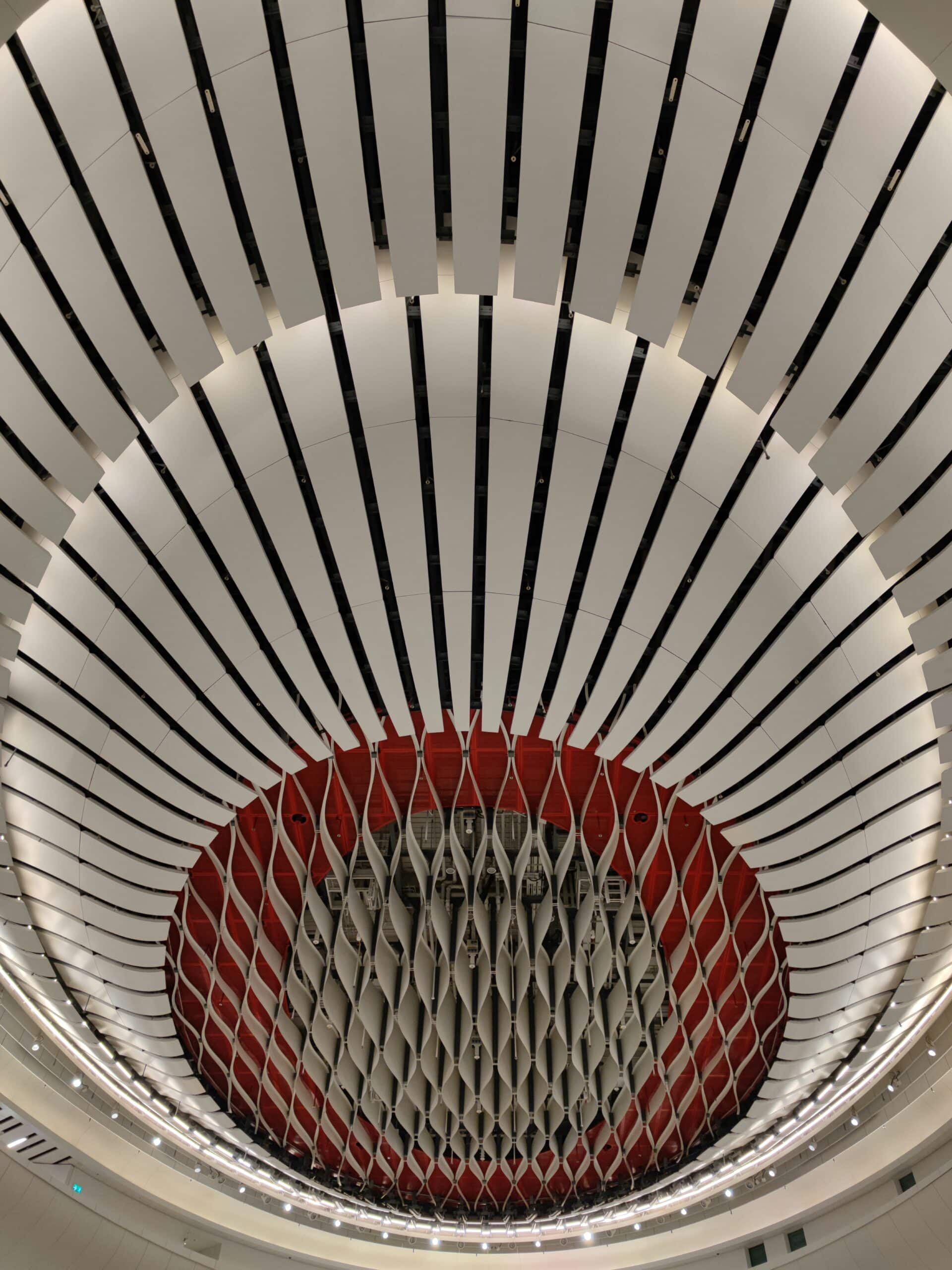
Acoustic designs are especially critical in specific environments. For example, in educational institutions, well-designed acoustics enhance learning by reducing distractions. In performance venues, such as theaters and concert halls, acoustic considerations are paramount to delivering high-quality sound. Architects are increasingly collaborating with acoustic consultants to ensure that sound management is integrated into the design process from the outset.
Conclusion
Incorporating acoustic design into modern architecture is essential for creating functional and enjoyable spaces. By understanding and applying the principles of sound management, architects can enhance the overall experience of a building’s occupants, making it a key consideration in contemporary design.
Finally, find out more on ArchUp: