
Transitional Design: A Comprehensive Guide to Understanding This Timeless Style


Transitional design has emerged as one of the most popular interior design styles in recent years. It is known for its ability to blend traditional and modern elements into a cohesive, balanced aesthetic that feels both elegant and functional.
In this article, we will explore:
- The definition and importance of transitional design.
- Key differences between transitional and other styles like “modern” and “contemporary”.
- Core characteristics of transitional interiors.
- How to apply this style in your home.
- An expert opinion and critical analysis from ArchUp’s perspective.
What is Transitional Design?
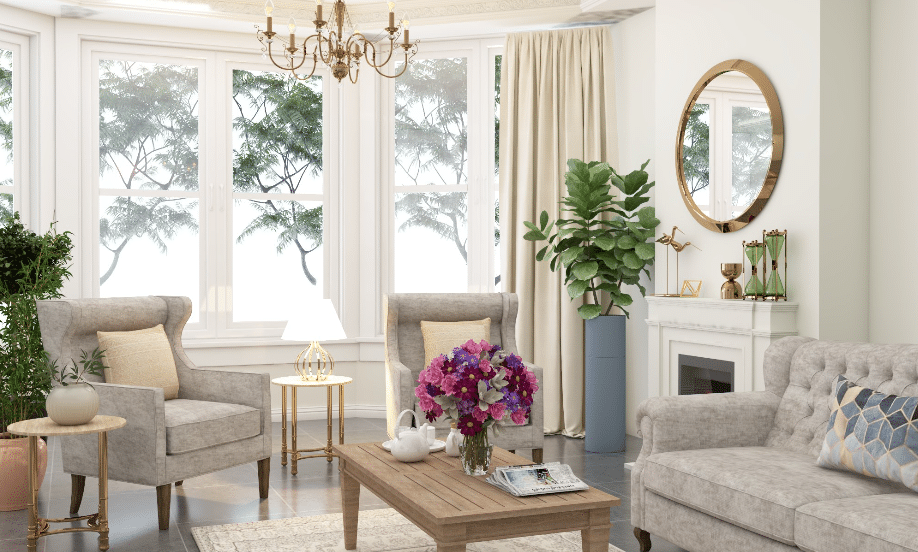
Transitional design is an interior style that blends modern and traditional aesthetics to create spaces that are timeless, comfortable, and elegant. Unlike rigid design styles, transitional design allows for flexibility—combining clean lines and minimalism with subtle ornamental touches.
This approach avoids extremes, offering a middle ground between overly decorative traditional spaces and stark minimalist ones.
Quote (from industry consensus):
“Transitional design is about creating interiors that stand the test of time, without being bound by passing trends.”
Key Characteristics of Transitional Design
| Feature | Description |
|---|---|
| Neutral Color Palette | Beige, gray, cream, and soft dark tones dominate, often accented with muted blues or greens. |
| Comfortable, Streamlined Furniture | Clean-lined furniture inspired by modern design, but with added warmth and texture. |
| Soft Geometry | Mix of straight lines with gentle curves for a refined yet relaxed look. |
| Mixed Materials | Combines natural materials like wood and leather with contemporary elements such as glass or steel. |
| Subtle Lighting Accents | Chandeliers or pendant lights used sparingly for decoration without overstatement. |

Transitional vs. Contemporary Design: What’s the Difference?
Although they may appear similar, transitional and contemporary styles have distinct identities:
| Aspect | Transitional Design | Contemporary Design |
|---|---|---|
| Origin | Blend of classic and modern | Reflects current trends |
| Timelessness | Enduring and stable | Evolving and trend-driven |
| Lines | Combination of curved and straight | Mostly sharp, angular lines |
| Color Use | Neutral and calming | Often bold or contrasting |
| Purpose | Creates warm, livable spaces | Focuses on modernity and innovation |
How to Apply Transitional Design in Your Home
- Start with Neutral Walls : Choose soft grays, warm beiges, or off-whites as a base, then add depth through accessories.
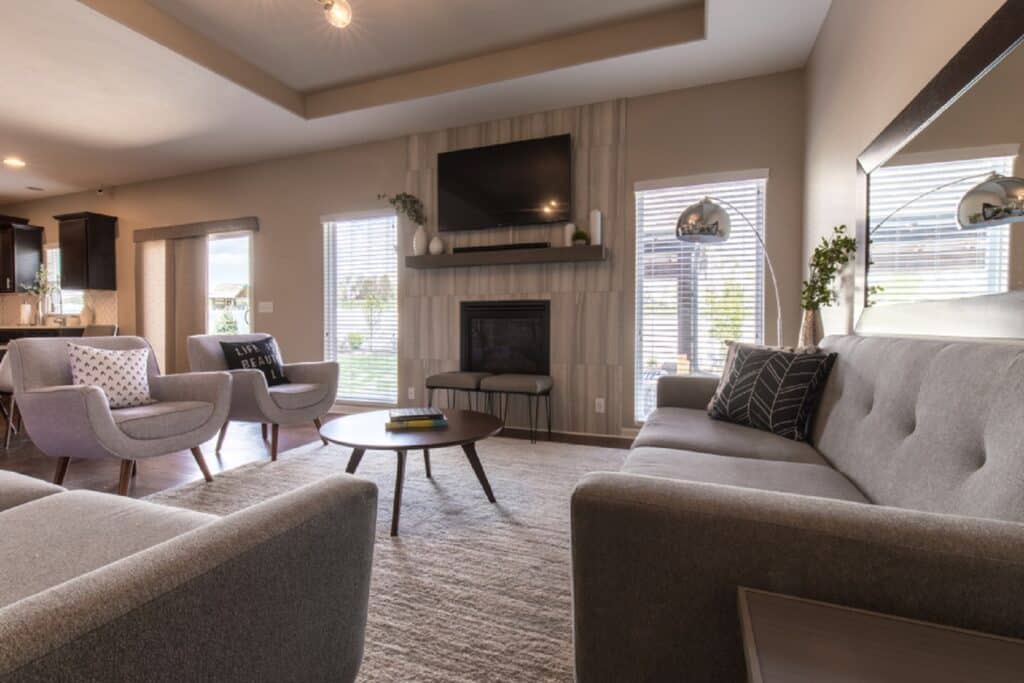
- Mix Furniture Styles : Combine sleek, modern pieces with more traditional ones, such as a wooden coffee table with a minimalist sofa.
- Use Smart Lighting : Opt for simple chandeliers or wall sconces that provide both function and subtle elegance.
- Incorporate Diverse Textures : Use hardwood floors with area rugs, upholstered chairs with leather or linen fabrics.
- Add Classic Touches : Display art, small sculptures, or vintage decor to bring a touch of tradition without overwhelming the space.

ArchUp’s Perspective: Analysis and Critique
Transitional design offers a practical and aesthetically pleasing solution for homeowners who want a space that feels welcoming yet stylish. Its strength lies in its balance—neither too formal nor too casual.
However, critics argue that transitional design can sometimes lack a strong identity. By trying to appeal to everyone, it risks becoming too generic compared to bolder styles like industrial or neo-modern design.
Still, for those seeking a long-lasting, adaptable interior style that doesn’t demand frequent updates, transitional design remains a smart and versatile choice.
Summary Table of Key Points
| Topic | Summary |
|---|---|
| Definition | A blend of modern and traditional design |
| Features | Neutral colors, streamlined furniture, soft lines, mixed materials |
| Comparison | More timeless than contemporary design |
| Application | Use neutral walls, mix furniture styles, choose layered textures |
| Strengths | Practical, warm, enduring |
| Weaknesses | May lack visual boldness or a clear identity |
Frequently Asked Questions (FAQ)
Q: Is transitional design only suitable for luxury homes?
A: No, it can be applied in any type of space, whether large or small, luxurious or modest.
Q: Can Middle Eastern or local design elements be integrated into transitional interiors?
A: Yes, traditional patterns, carved wood, or Islamic motifs can be incorporated as long as balance and simplicity are maintained.
Q: What kind of lighting works best in transitional design?
A: Natural light combined with floor lamps, wall sconces, or minimalist chandeliers provides the ideal balance of function and style.
Q: Is transitional design expensive to implement?
A: Not necessarily. It can be achieved using affordable, locally available pieces, focusing on coordination rather than quantity.


