Virginia’s I-64 Hampton Roads Expansion Moves Forward

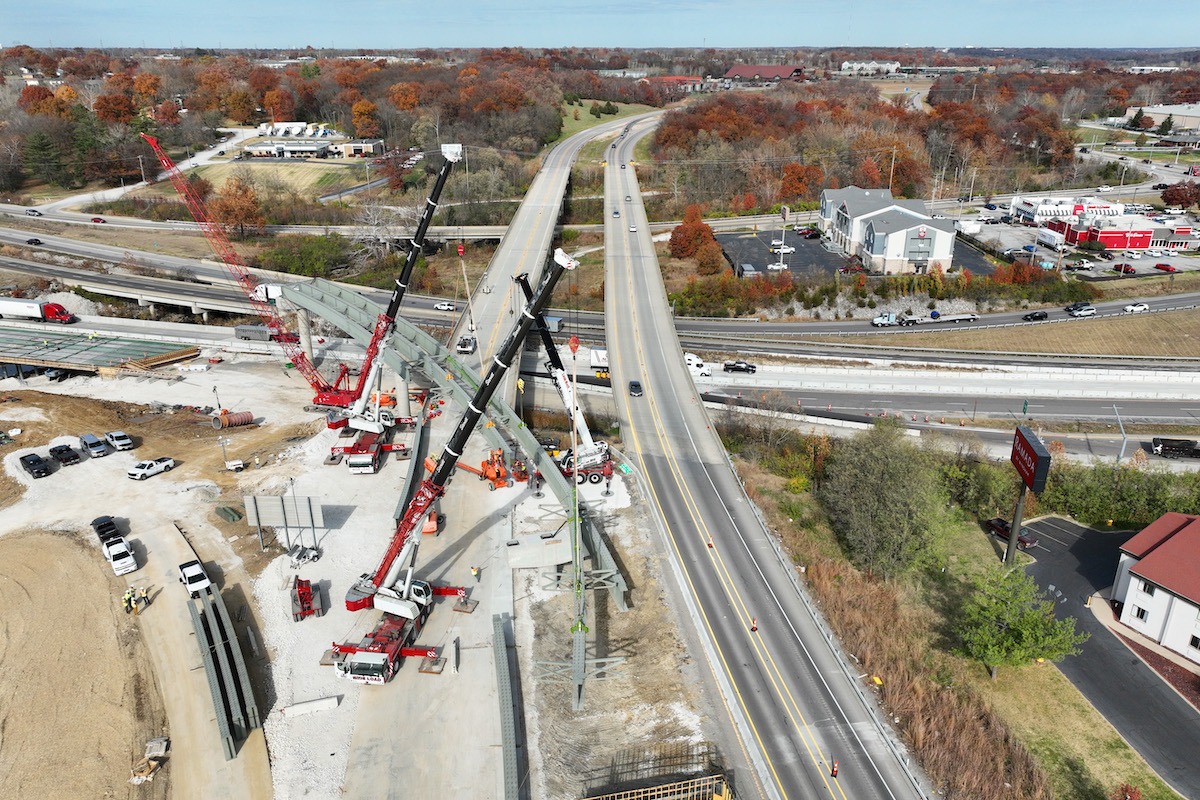
A major new phase of the I-64 Hampton Roads expansion is officially underway. The project targets a critical transportation corridor in Norfolk, Virginia. Moreover, it promises to address long-standing traffic congestion. The initiative involves significant upgrades to the existing highway. Consequently, daily commuters and regional travelers will see changes. This development marks a key step in a broader effort to modernize regional infrastructure.
The project focuses on an 11-kilometer stretch of the I-64. It will convert the current three-lane highway. The new design features a part-time express shoulder lane. Additionally, it includes three general-purpose lanes in each direction. This strategic redesign aims to improve traffic flow significantly. Better traffic management is a primary goal. Therefore, the construction is planned carefully to minimize public disruption. This recent news follows extensive planning and analysis.
Enhancing Safety and Rehabilitating Bridges
Safety is a core component of the I-64 Hampton Roads expansion. The project includes the rehabilitation or widening of 19 bridges. These updates are crucial for long-term structural integrity. They also enhance driver safety along the corridor. The architectural design of the bridges will be modernized. This work addresses years of wear and tear. Furthermore, it prepares the highway for future traffic demands. The use of durable building materials is a top priority.
This initiative is part of a larger vision for the Hampton Roads area. The region serves as a vital link between Richmond, coastal ports, and beaches. Easing congestion on this key East Coast route is essential for the economy. Meanwhile, planners are looking at innovative designs. These designs aim to reduce long-term maintenance costs. The project joins a series of other improvements on the I-64, reflecting a sustained investment in the state’s transportation network and a commitment to better urban planning. You can review similar past projects in our database.
The entire construction process has a clear timeline. It is scheduled for completion by late 2029. This ambitious schedule requires precise coordination and execution. This project provides a valuable case study for large-scale highway upgrades across the nation. As one of many important structures getting an upgrade, it represents a significant undertaking.
What are your thoughts on this major infrastructure investment?
A Quick Architectural Snapshot
The project covers an 11-kilometer segment of the I-64 corridor in Norfolk, Virginia. The scope involves converting three existing lanes into a new configuration with an express shoulder lane. It also includes the comprehensive widening or full rehabilitation of 19 different bridges to improve overall safety and traffic capacity.
✦ ArchUp Editorial Insight
The selection of a design-build contract by a state transportation agency signals a prioritization of schedule and budget containment. Economic pressures on a vital logistics corridor necessitate a solution that minimizes disruption and guarantees predictable traffic flow improvements. Consequently, the procurement framework favors proven, repeatable engineering models over novel mobility strategies.
The resulting physical form lane conversion, bridge widening, and linear expansion is not a design choice but a systemic output. It is the logical consequence of a decision-making apparatus structured to mitigate financial risk and deliver quantifiable throughput metrics. The highway’s configuration is a direct manifestation of a society’s reliance on established infrastructure solutions to manage economic and commuter anxieties, making radical alternatives systemically impossible within this context.