Woven Metal Mesh: From Industrial Material to Architectural Art

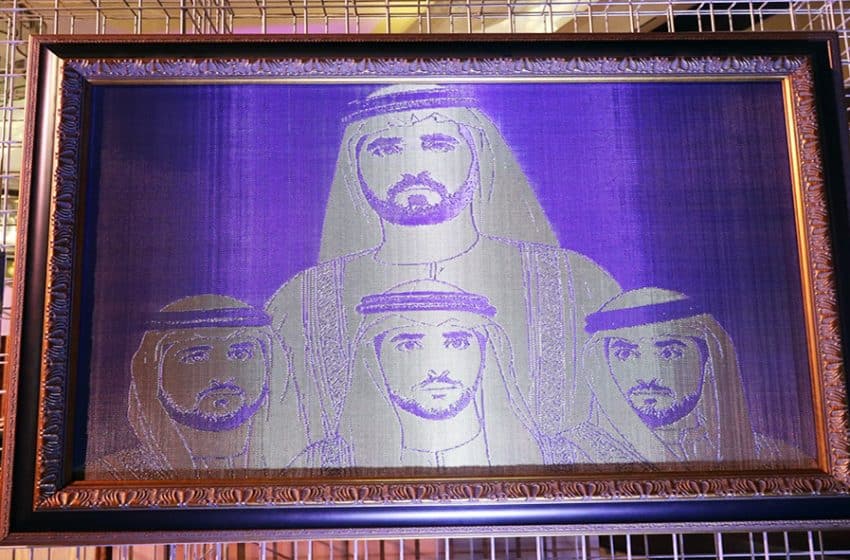
A new exhibition in Dubai is challenging perceptions of industrial materials. It showcases the surprising beauty of woven metal mesh. The collection transforms this functional material into captivating artwork. Moreover, it highlights its potential in contemporary architectural design. The event demonstrates how a common material can become a unique design language. It bridges the gap between precision engineering and artistic creativity.
The Art of Industrial Mesh
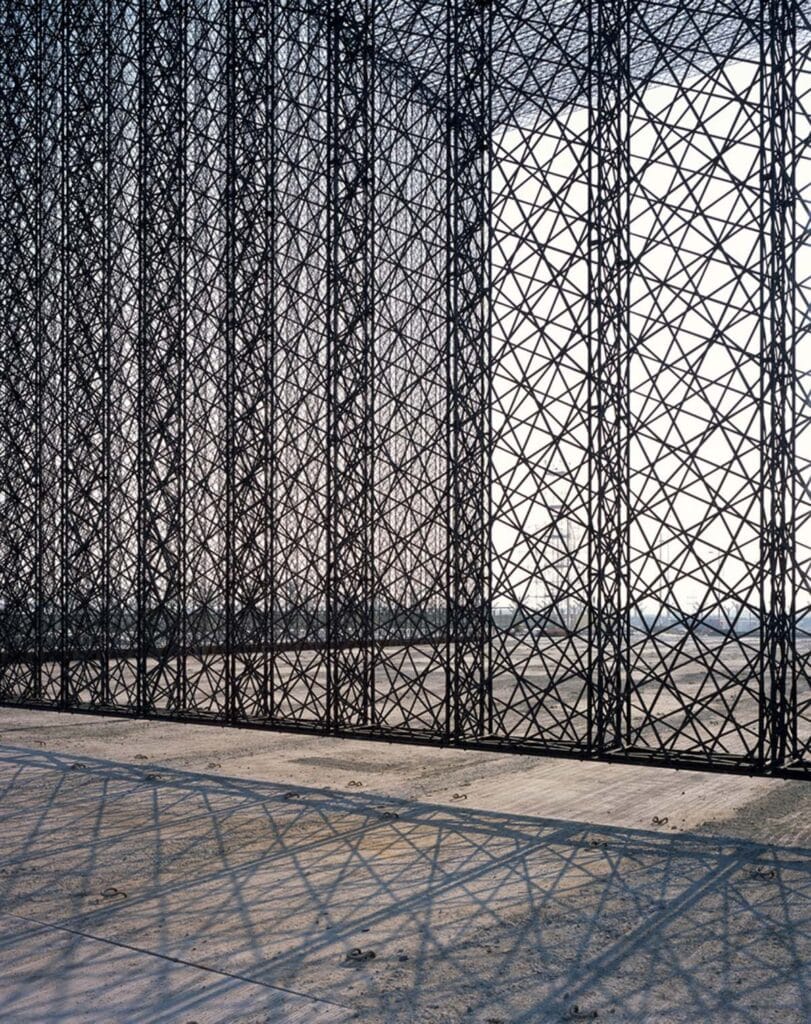
The theme, ‘Where Mesh Becomes Art,’ guides the visitor’s journey. It reveals the poetic side of engineered materials. The inspiration comes from nature, movement, and cultural symbolism. This is reflected in artworks titled “Breath of Nature” and “Wild Elegance.” The initiative redefines how people see woven metal mesh. It is no longer just for industrial use. Instead, it offers a new medium for artistic expression.
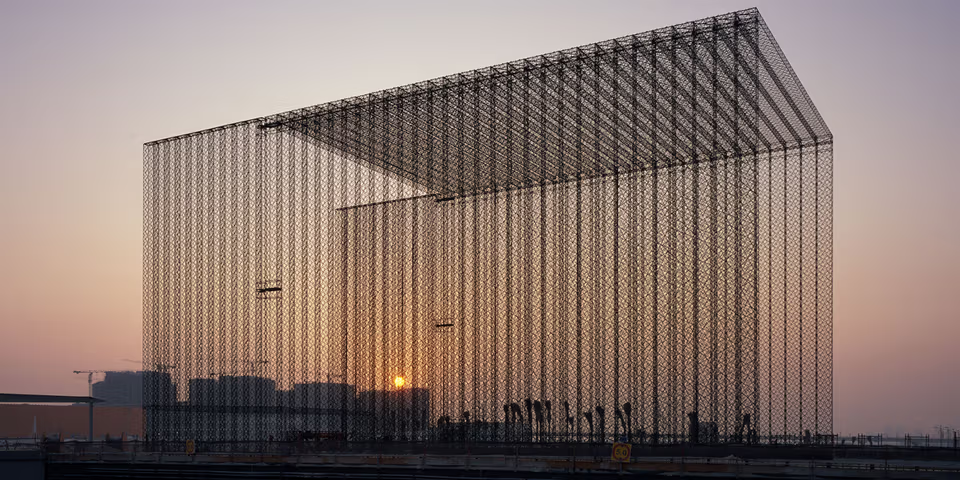
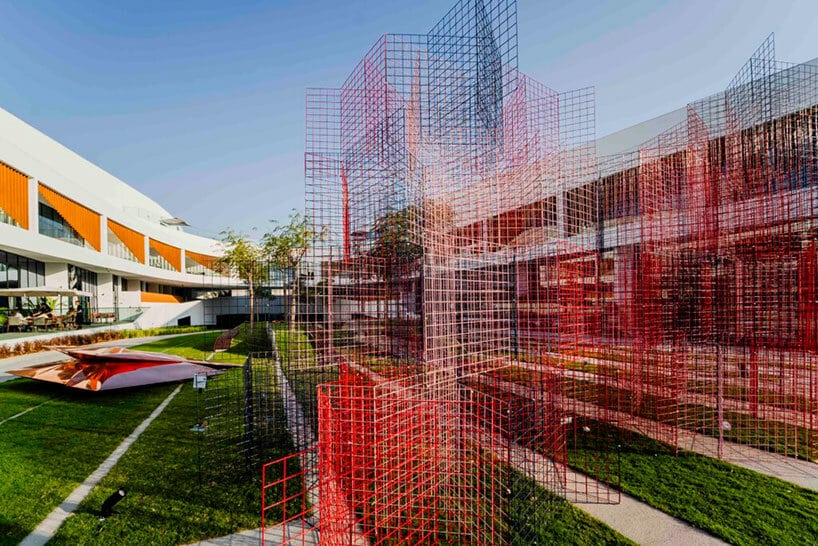
The gallery was designed as a walk-through experience. This allowed guests to interact with the installations directly. They could observe light playing on textures. They could also perceive depth and movement in layered compositions. Consequently, the multi-sensory experience evoked feelings of curiosity and reflection. The project shows how advanced construction techniques can produce stunning visual art. This approach supports the evolution of experiential design in the Middle East.
A New Design Dialogue
This initiative aims to contribute to the regional design conversation. It challenges conventional boundaries in interior design. The goal is to blend art, architecture, and engineering. This aligns with the region’s growing focus on innovation and culture. The artworks are created purely from woven metal mesh. No printing, painting, or 3D methods are used in the process.
The exhibition encourages designers and architects to explore mesh. It is presented as a versatile and sustainable design element. Future plans include collaborations with fine artists. These partnerships will introduce new concepts to the market. They will connect industry with art and art with human emotion. This ongoing research pushes the limits of what is possible. It helps shape the future of design in modern cities.
The project stands as a testament to creative material use. It plays a pivotal role in shaping the future of spatial experiences. By focusing on a single material, it opens up a world of possibilities. It provides a new source of inspiration for the global design community. Will more designers begin to see the artistic potential in everyday industrial materials?
A Quick Architectural Snapshot
This debut exhibition transforms industrial-grade woven metal mesh into architectural and artistic installations. Hosted in Dubai, the collection features curated mesh artwork, framed prints, partition screens, and furniture. It demonstrates how advanced weaving and precision engineering can create expressive, multi-sensory experiences within a gallery setting.
✦ ArchUp Editorial Insight
An industrial manufacturing entity with established R&D and production capabilities seeks to reposition a commodity material into a high-value design component. This economic imperative drives the creation of a “museum” concept, a decision framework designed to imbue an engineered product with cultural and artistic capital. The strategy targets a region selected for its function as a global business hub that incentivizes innovation.
The resulting architectural outcome is not a structure, but a temporary, replicable exhibition. This event showcases curated objects screens, art pieces, and furniture as a proof-of-concept for a new market. The walk-through gallery format is the logical consequence of a marketing strategy focused on sensory engagement and narrative creation. It represents a system where industrial expertise is repackaged as artistic expression to generate new revenue streams and influence design procurement.