Volo-X-Pro eVTOL: Shared-Component Urban Air Mobility Design

Advancements in Electric Vertical Takeoff and Landing (eVTOL) Aircraft
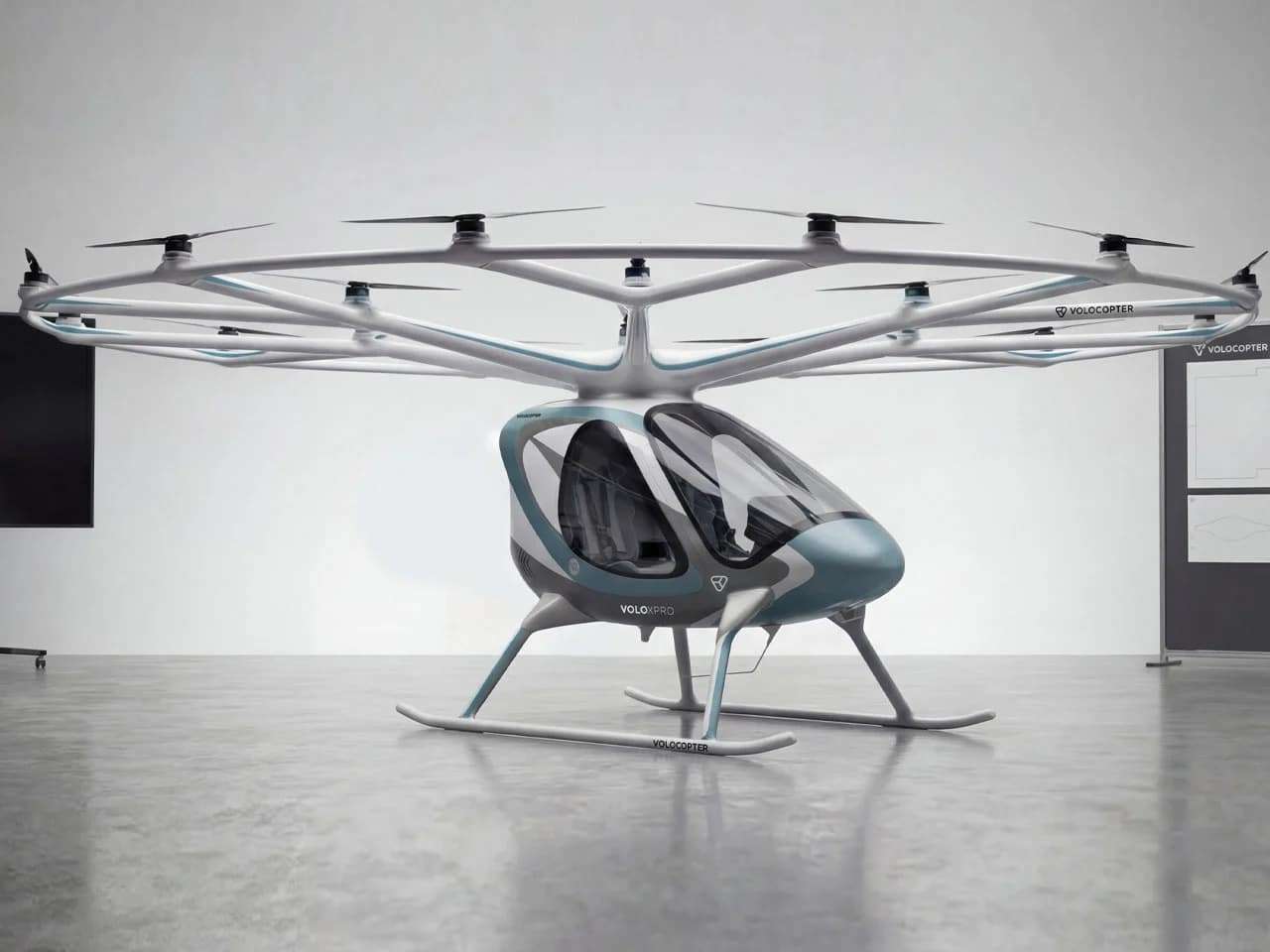
The Volo-X-Pro design of multi-rotor electric aircraft represents an evolutionary step within this type of vertical flight systems. The design is based on limited technical improvements while maintaining configurations that have already been tested in previous models. This type of aircraft targets a range of potential use cases, including short-distance air transport services such as air taxis at the initial stage of operation.
Development Context and Company Trajectory
The development of this direction within the company began in 2019 with the introduction of the Volo-City model, which positioned it among the prominent players in the urban air mobility sector. However, it later faced challenges related to regulatory certification processes in the aviation industry, in addition to difficulties in achieving financial sustainability during the early development stages.
Regulatory Shifts and Continued Development
The company went through a restructuring phase after facing financial risks that brought it close to bankruptcy, before being acquired by a Chinese investment group in 2025. In this context, the Volo-X-Pro model comes as part of the continuation of the development path, relying on previously established technical solutions within a more stable institutional and regulatory framework.
Development Context After the Acquisition
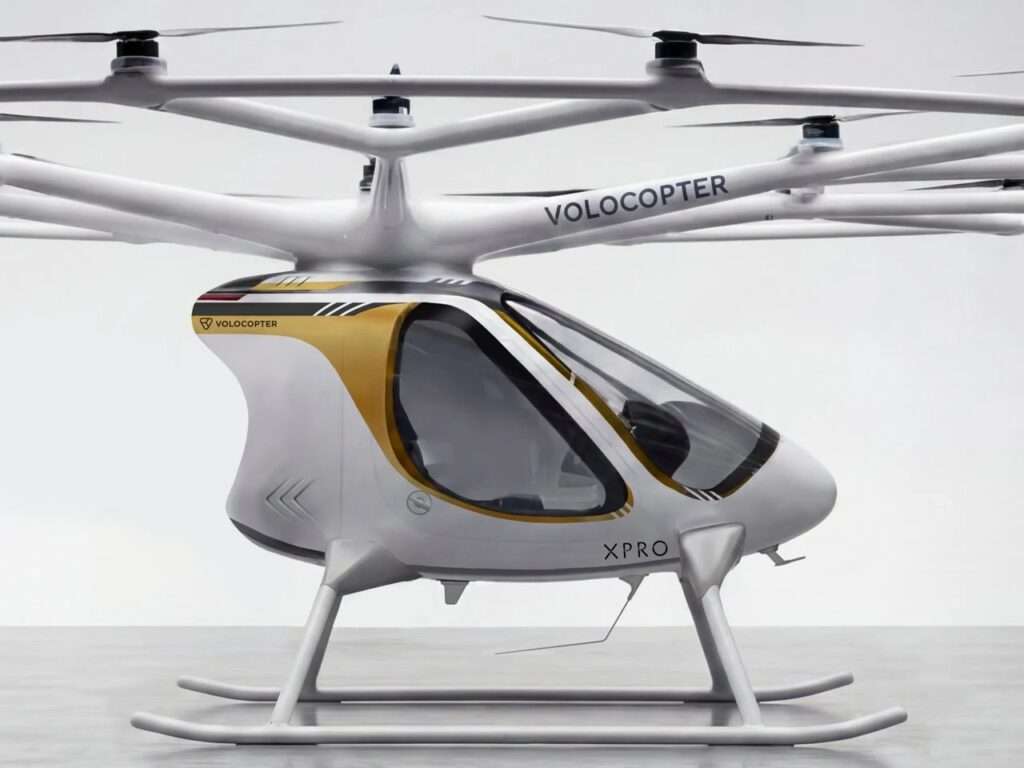
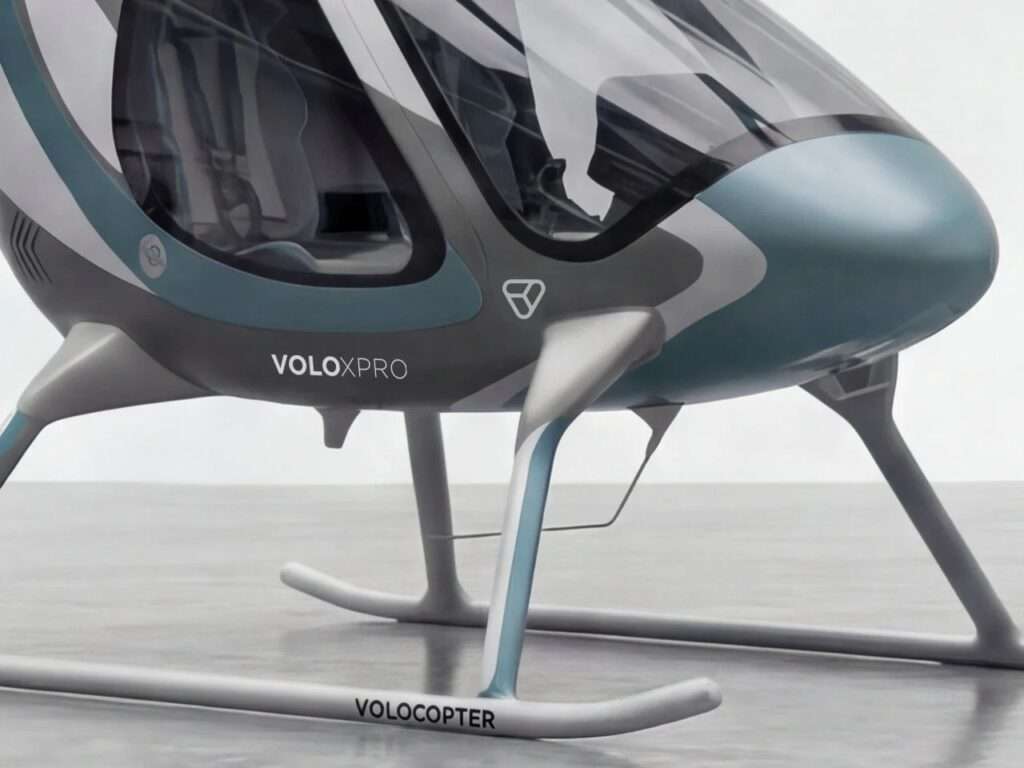
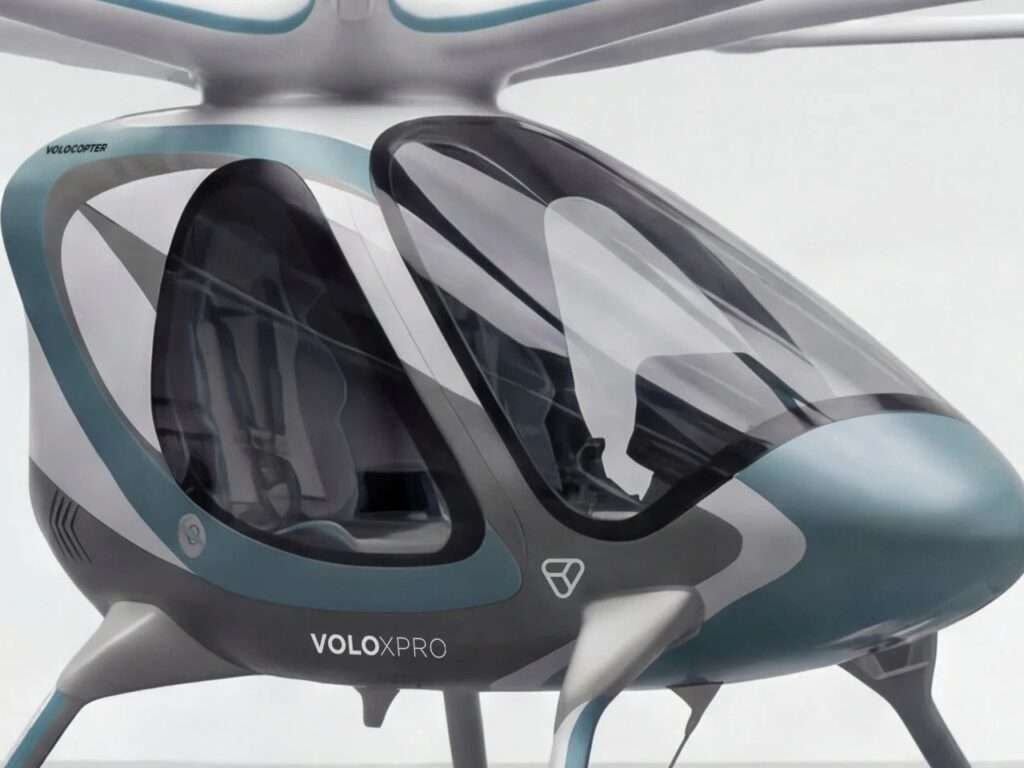
The Volo-X-Pro model comes as the first announcement from Volocopter following an acquisition valued at 10 million euros. This model is classified within electric vertical takeoff and landing (eVTOL) aircraft, adopting a zero-emissions concept and reduced noise levels. It is viewed as a platform designed for multiple potential use cases, including personal transport, tourism, and certain medical emergency scenarios, as outlined during the development phases throughout 2025.
Technical Configuration and Propulsion System
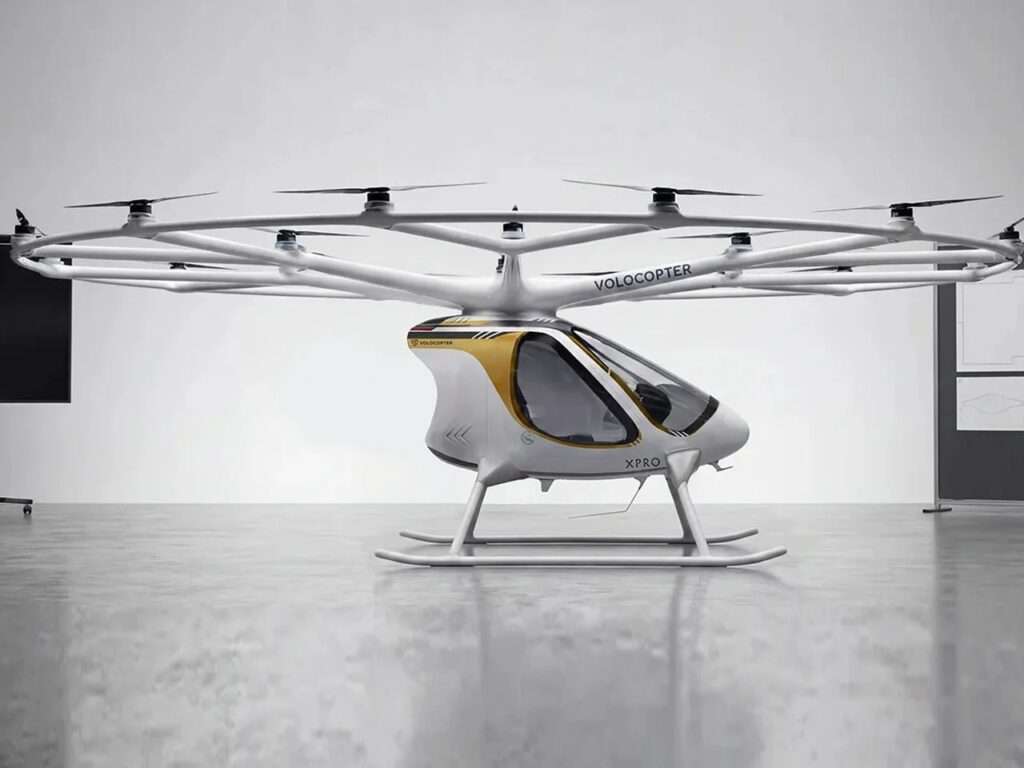
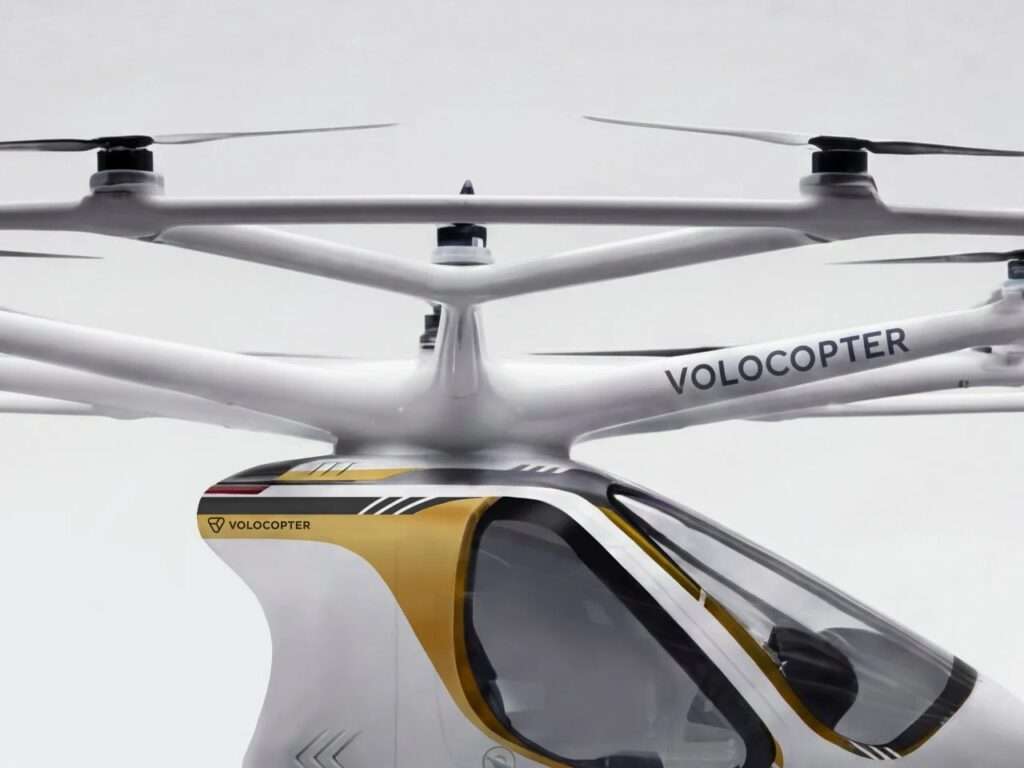
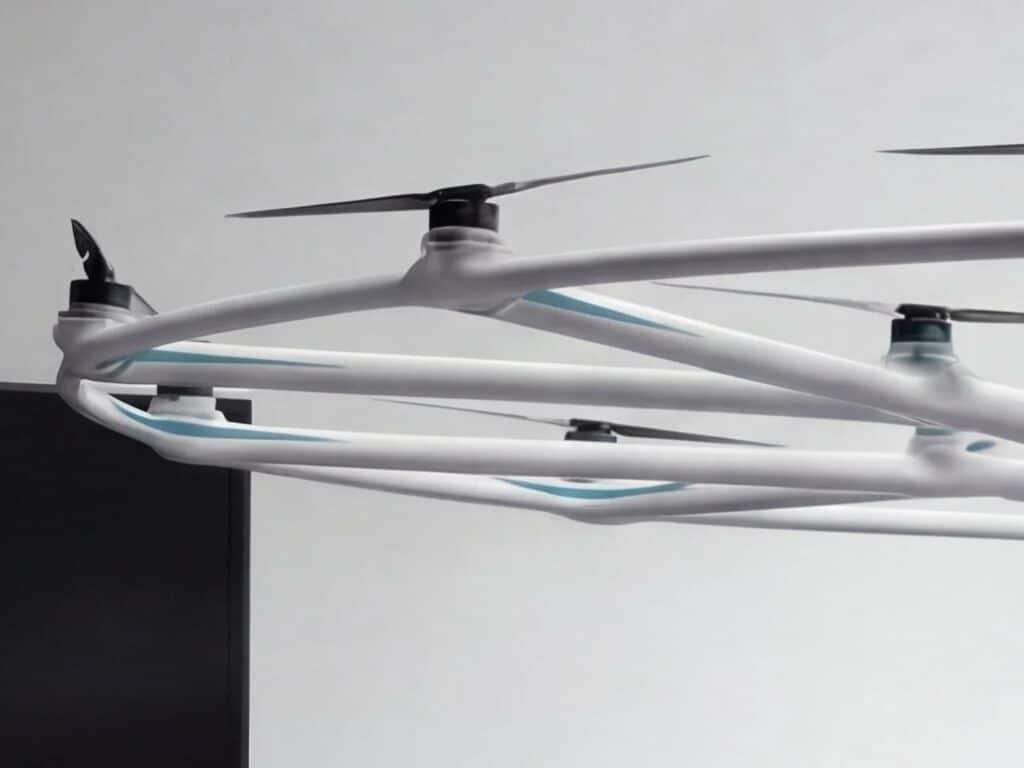
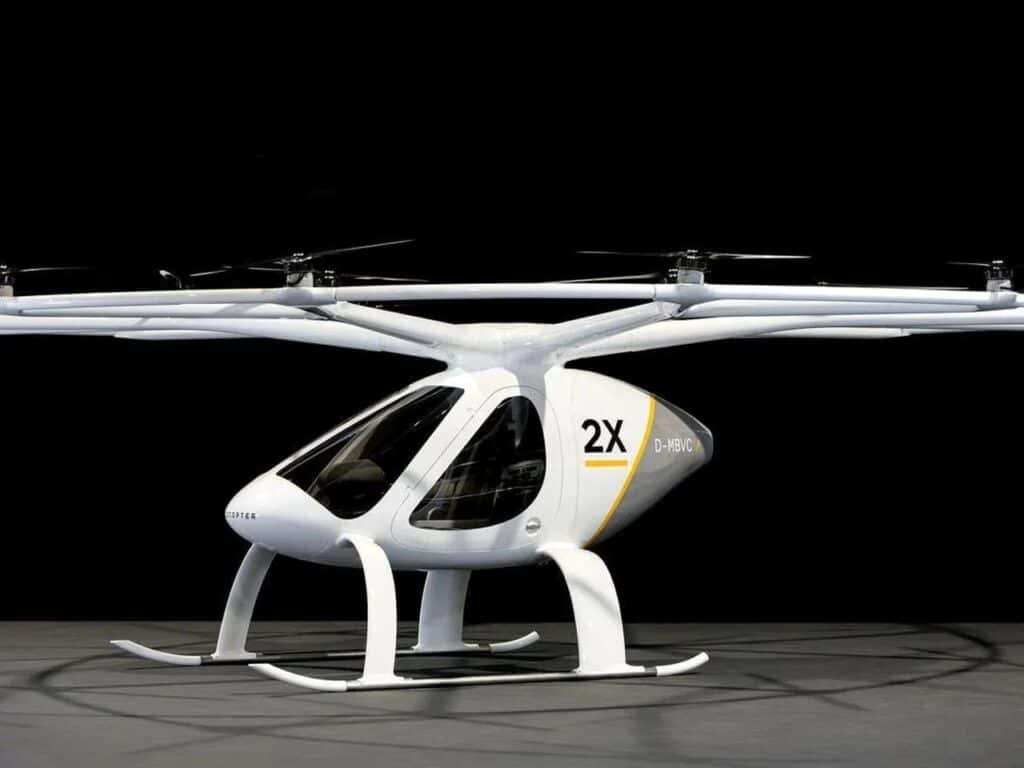
From a technical standpoint, the aircraft features a two-seat design and reaches a maximum speed of approximately 70 miles per hour. It also utilizes 18 rotor assemblies distributed across a circular upper structure above the cabin. This configuration reflects an approach based on multiple lift systems rather than a traditional central engine, aiming to ensure stability during both vertical and horizontal flight.
Presentation and Relation to Previous Models
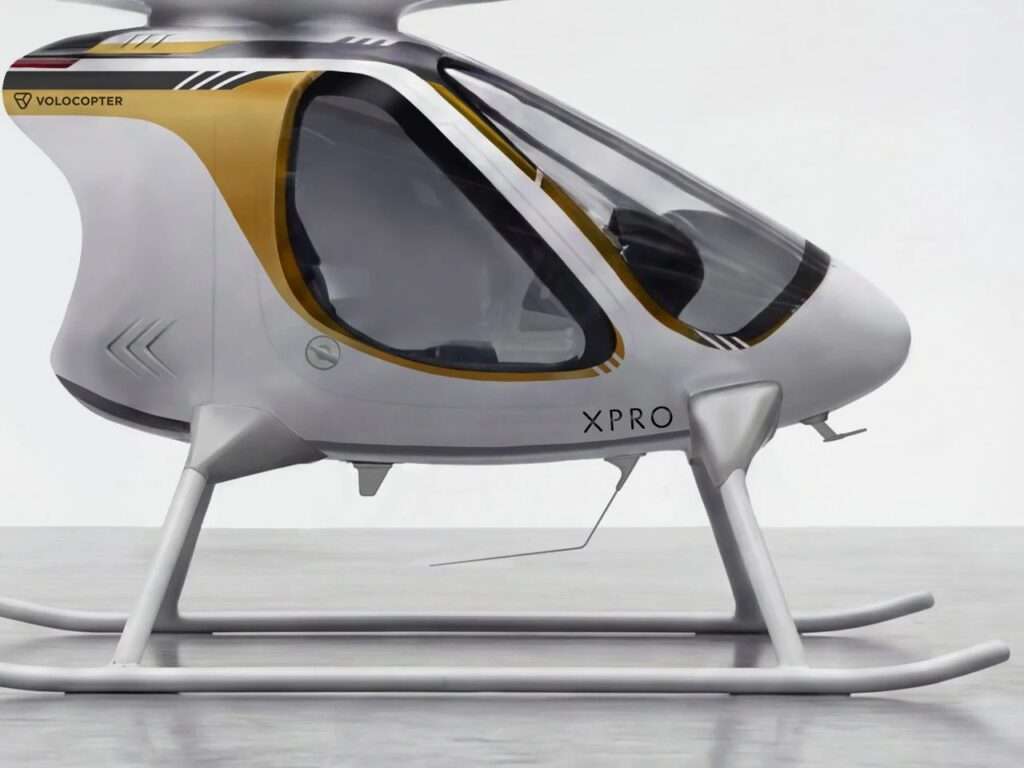
The Volo-X-Pro was presented at the AERO Friedrichshafen exhibition in Germany, where it was showcased as a fully electric aircraft within the eVTOL category. It shares several design elements with the Volo-City model introduced in 2022, particularly in the modular cabin structure and multi-rotor configuration. This indicates the continuation of the same design line with gradual refinements to the overall architecture.
Design Approach Based on Shared Components
The development of the Volo-X-Pro relies on the use of shared components with previous models, within an approach aimed at reducing technical and regulatory risks. This method contributes to stabilizing costs while maintaining the possibility of keeping the price relatively lower. It is also linked to accelerating certification procedures in the aviation sector, benefiting from prior validation of the safety of configurations used in the Volo-City model. The company aims to obtain the necessary airworthiness certifications by the end of 2026.
Technical Updates and Range of Applications
In addition to shared components, the aircraft incorporates modern technical enhancements and multiple cockpit design options. This direction aims to expand the scope of use to include both individual users and operators. Accordingly, a two-seat configuration has been adopted, targeting groups such as flying clubs, flight schools, and aviation enthusiasts as part of the potential use cases.
Operational Characteristics and Performance
In terms of performance, the maximum flight range is approximately 40 kilometers, with a payload capacity of up to 154 kilograms. The maximum takeoff weight reaches 600 kilograms. Although detailed information about battery capacity is not available, these specifications define the general operational framework of the aircraft within short-range flights and limited-use scenarios.
✦ ArchUp Editorial Insight
The Volo-X-Pro model appears as an operational outcome of the post-acquisition phase within the urban air mobility sector, where a €10 million investment capital reactivates a stalled regulatory certification pathway more than it introduces a new design innovation.
The primary driver here is not technical development but resolving certification bottlenecks from aviation authorities and insurers, which necessitates the reuse of Volo-City components to reduce licensing time and mitigate liability risks.
These pressures are reflected in the standards of the European Union Aviation Safety Agency, battery energy limitations, and procurement cost constraints, resulting in a distributed lift architecture of 18 rotors as a reliability solution rather than a performance-driven choice.
The result is a short-range, two-seat aircraft that represents a compromise between restoring financial viability and meeting regulatory compliance requirements within an emerging air transport services market.