AutoFlight eVTOL Design: A New Era of Multi-Functional Aircraft

The Engineering Platform and the Multi-Functional Strategy
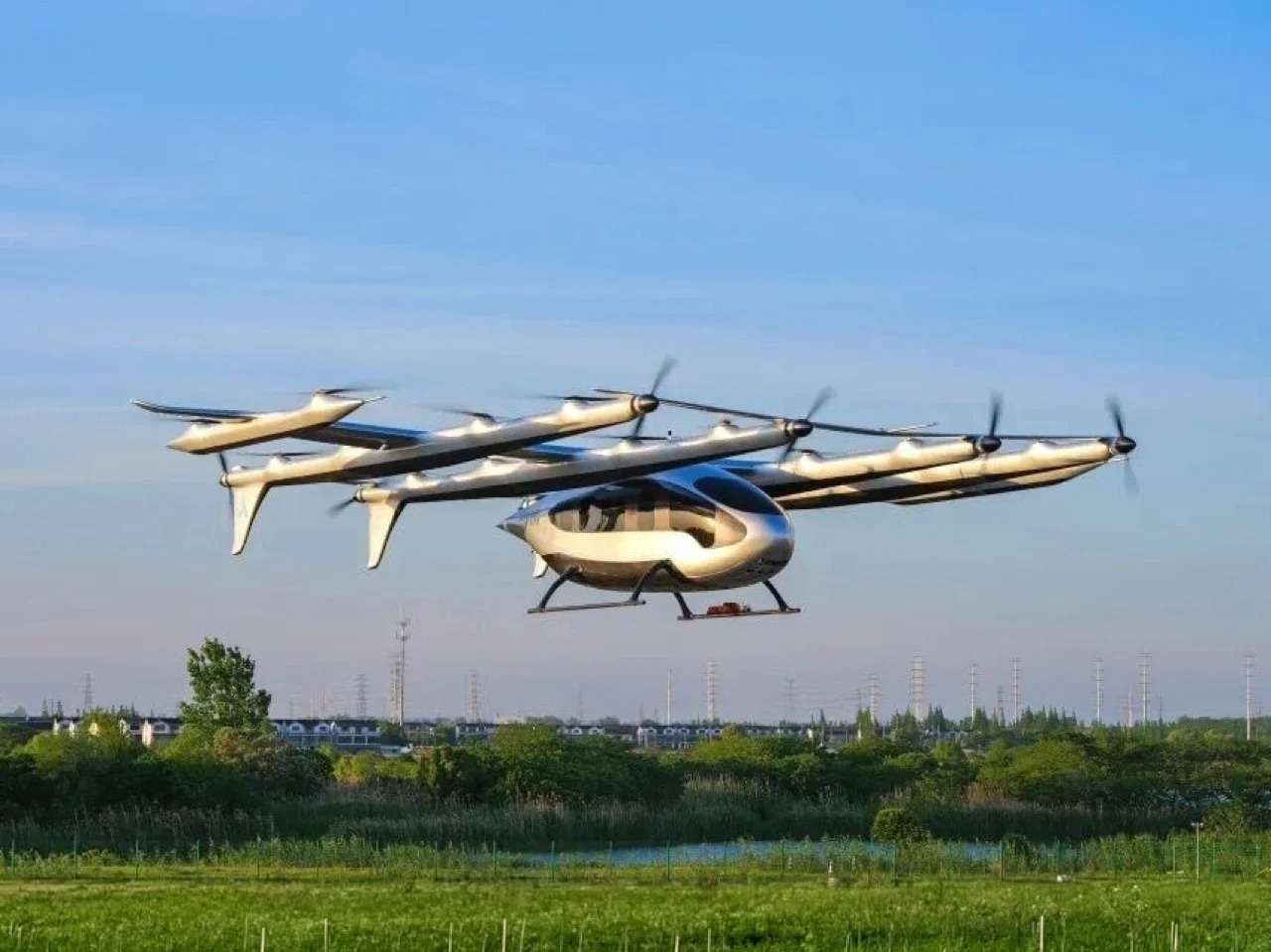
The electric vertical takeoff and landing (eVTOL) industry borrows the concept of a shared platform from the automotive sector, where a unified base structure is used to develop multiple models that vary according to specific usage requirements. In the case of AutoFlight, this approach relies on an adaptable reference platform that enables the development of aircraft designed for passenger transport, cargo operations, or specialized applications, while maintaining the system’s core engineering components.
This approach does not merely reduce the complexity of development and manufacturing; it establishes a flexible system that can be reconfigured according to the required function and payload capacity. This is evident in the diversity of the company’s models, from Prosperity, designed for urban air mobility, to Matrix, developed for higher-payload applications, where the core platform becomes a shared foundation for a family of different aerial solutions.
Cabin Experience and the Formation of the Human–Machine Relationship
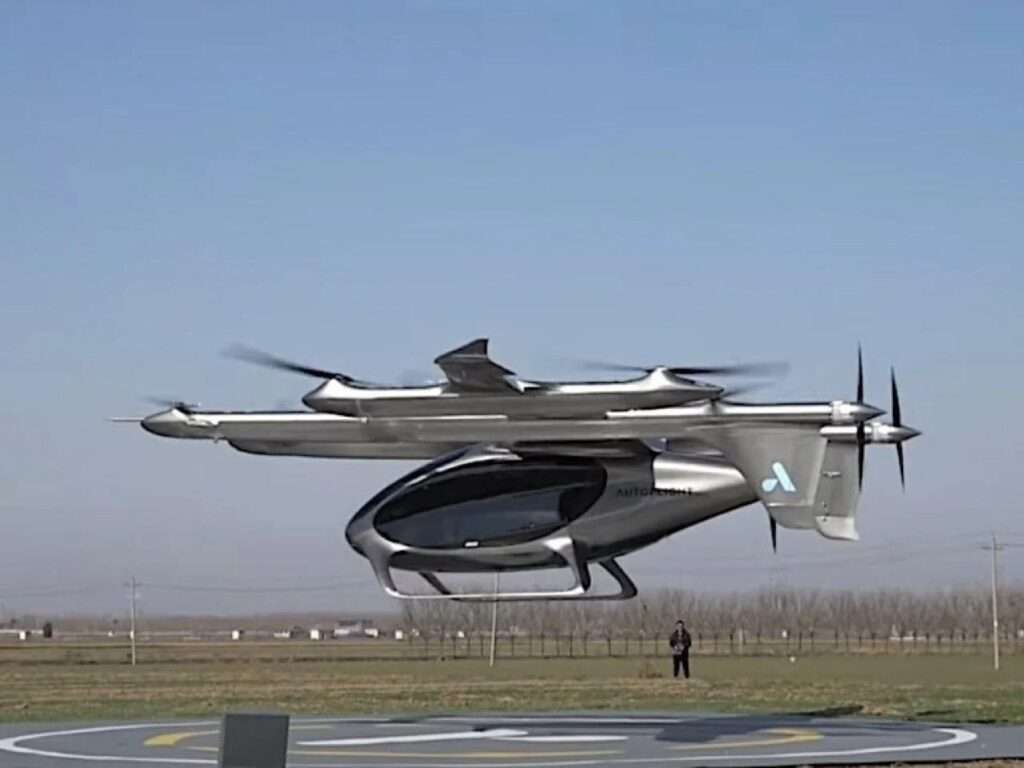
In passenger transport aircraft, interior design is not limited to providing a functional space; rather, it aims to create a sense of comfort and openness within a vehicle that differs fundamentally from conventional transportation systems. Transparent surfaces and expanded fields of vision contribute to reducing the feeling of cabin enclosure, while the direct visual connection with the surrounding environment enhances the low-altitude flight experience.
In models designed for cargo operations or specialized missions, design priorities shift toward operational efficiency, ease of access to the interior space, and the rapid loading of equipment or materials. Here, the cabin transforms from a space focused on passenger experience into a functional module that can be adapted according to the nature of the mission.
Diamond-Shaped Engineering and Aerial Mass Formation
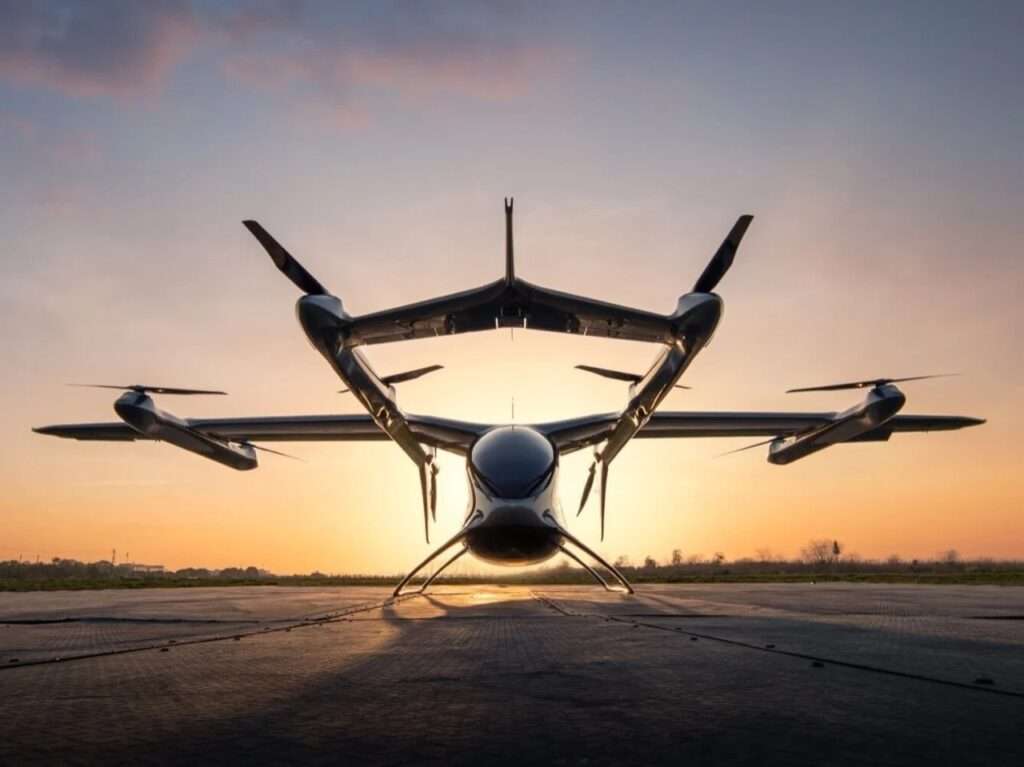
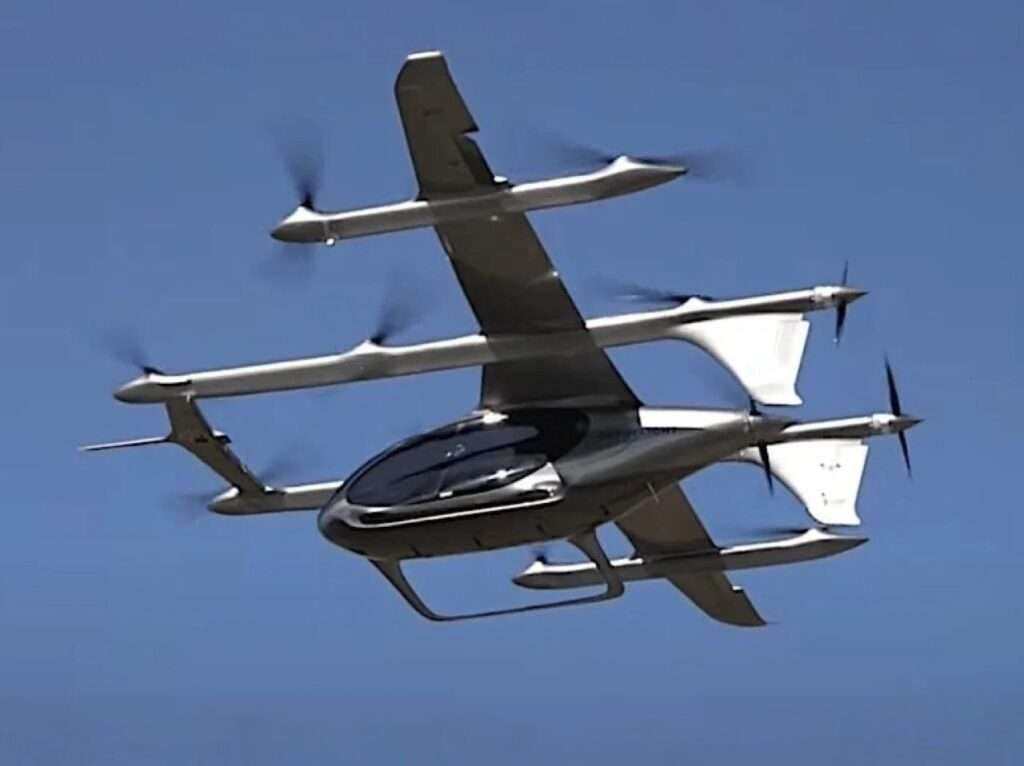
The Prosperity aircraft adopts an engineering configuration that integrates wings and tilting rotors within an arrangement that differs from traditional aircraft designs. The distribution of these elements contributes to achieving a balance between the requirements of vertical takeoff and horizontal flight, while giving the overall aircraft configuration a distinctive visual identity with a clear geometric presence.
This arrangement reduces dependence on conventional aircraft structures and supports operation from limited urban spaces compared with aircraft that require long runways. The wings are also integrated with the streamlined central cabin to create a unified mass that combines aerodynamic requirements with functional elements, giving the design a cohesive appearance between structure and movement.
Design Flexibility and the Multi-Use Potential of the Platform
The strength of the shared platform lies in its ability to repurpose the fundamental structure according to the nature of the mission. In cargo-oriented models, the interior cabin can be modified to accommodate different payloads and equipment, while specialized versions can be developed for emergency missions such as firefighting or rapid response through additional systems tailored to operational requirements.
The Matrix model clearly demonstrates this direction, offering a larger platform capable of handling payloads of several tons, expanding the scope of eVTOL technology from urban transportation to industrial and logistics applications. The variation in functions leads to a clear transformation in the perception of mass and configuration; while passenger models emphasize transparency and visual comfort, cargo models rely on robustness, efficiency, and the optimization of internal volume.
Geographic Dimension and the Operational Transformation of the Platform
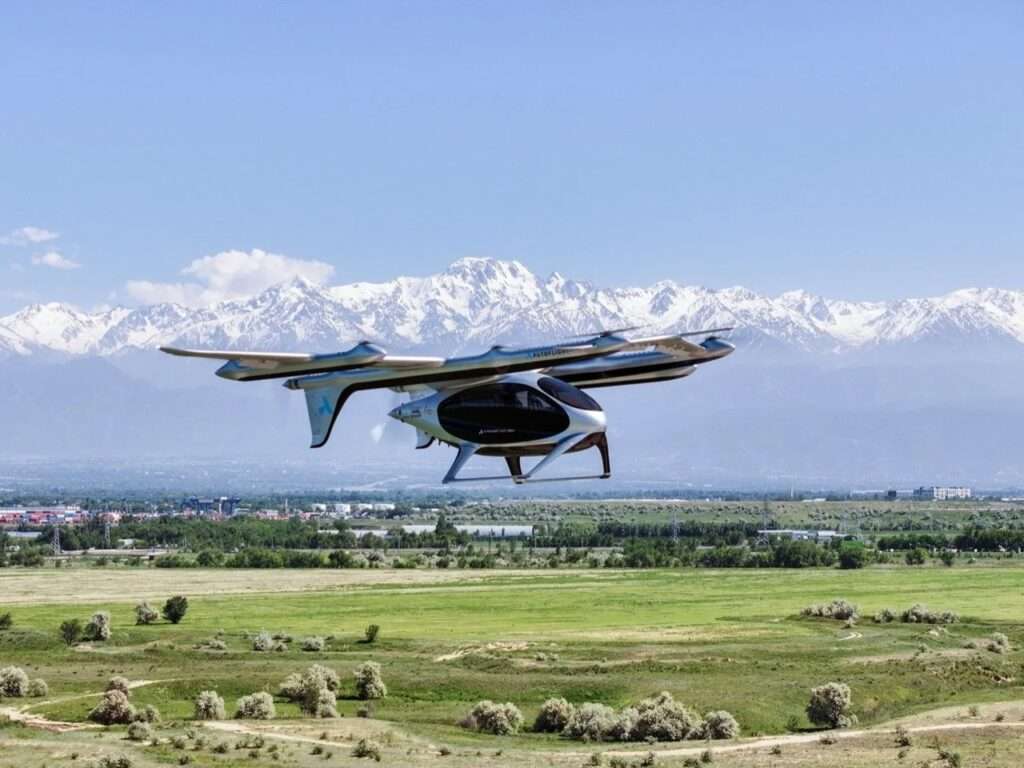
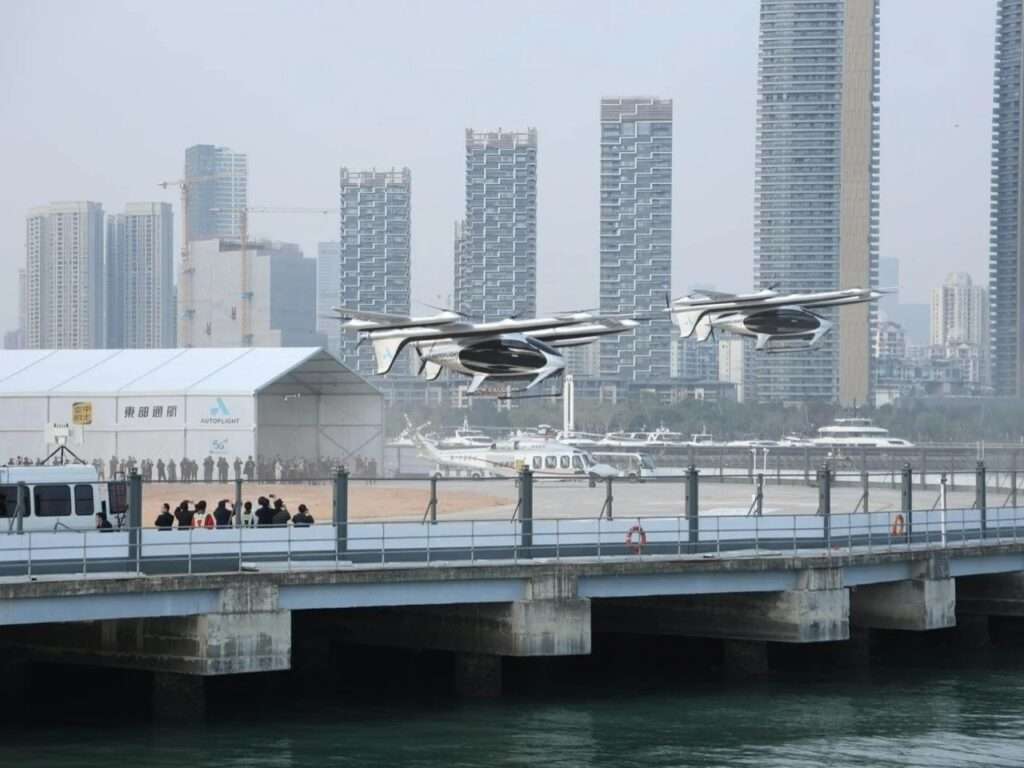
The AAAG deal in Kazakhstan, which includes 50 aircraft, highlights the importance of the flexible platform concept in environments characterized by vast geographical areas. Instead of developing a separate vehicle for each application, the shared structure allows production and maintenance processes to be simplified, while enabling aircraft adaptation to meet diverse needs according to regional conditions and mission requirements.
This approach provides operators with greater capability to manage multi-purpose fleets, as a single platform can support passenger transportation, logistics services, or emergency operations. This reduces operational complexity and improves investment efficiency within emerging aerial infrastructure systems.
System Expansion and the Formation of the Future of Air Mobility
The significance of the shared platform strategy lies in its ability to transform the aircraft from a single product into an integrated family of aerial solutions. The adoption of common engineering components enables the development of multiple models while preserving the fundamental design efficiency, rather than rebuilding each aircraft from the ground up.
This approach reflects a shift in the way future aerial vehicles are designed; aircraft are no longer merely machines dedicated to a single function, but rather adaptable systems that evolve according to usage requirements and environmental conditions. Through the combination of engineering flexibility and diverse applications, new eVTOL platforms present a different vision of the relationship between air mobility, cities, and future infrastructure.
✦ ArchUp Editorial Insight
AutoFlight’s eVTOL platform strategy redefines the design of aerial vehicles as a flexible architectural system, where shared engineering principles enable the development of passenger, cargo, and specialized mission aircraft without reconstructing the entire system from the beginning each time. This approach intersects with emerging urban and architectural models that emphasize adaptability, operational efficiency, and scalability within future mobility infrastructures.
However, the narrative of the flexible platform may conceal challenges related to regulatory approval, maintenance, urban integration, and energy supply. A unified structure does not necessarily guarantee a unified operational value, as different environments may require specialized service networks and operating models. The future of eVTOL may depend less on the flexibility of the platform itself and more on its ability to integrate with public transportation systems, infrastructure networks, and investments that determine whether these aircraft will become practical urban tools or remain isolated examples of advanced technology.