Gehry Partners and WHY Architecture Selected for Getty Center Visitor Sequence Upgrades

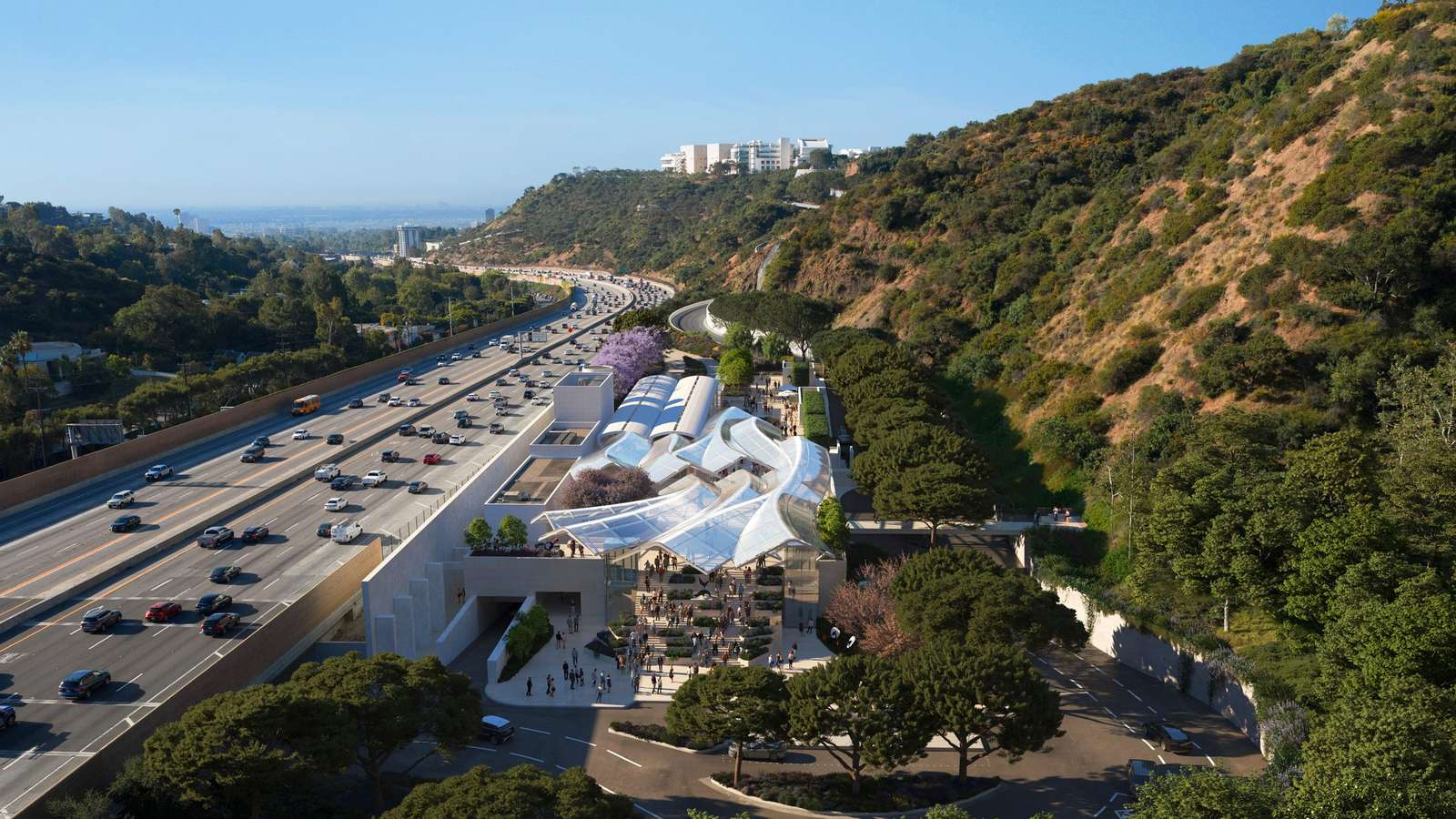
Gehry Partners, WHY Architecture, and landscape firm Olin have been announced as the project leads for a series of renovations to the visitor sequence at the Getty Center in Los Angeles, California. The project, scheduled to begin construction in March 2026, focuses on modernizing the arrival experience and transit infrastructure of the campus originally designed by Richard Meier and completed in 1997.
The intervention includes a new parametric glass canopy designed by Gehry Partners, which will cover the tram’s lower staging area at the base of the hillside near the 405 Freeway. This structure is intended to serve as a visible entry point for the buildings of the Getty Trust. The existing tram system, a people mover that transports guests to the hilltop museum, will receive new cars manufactured by the Doppelmayr Group, increasing capacity by approximately 25 visitors per trip.
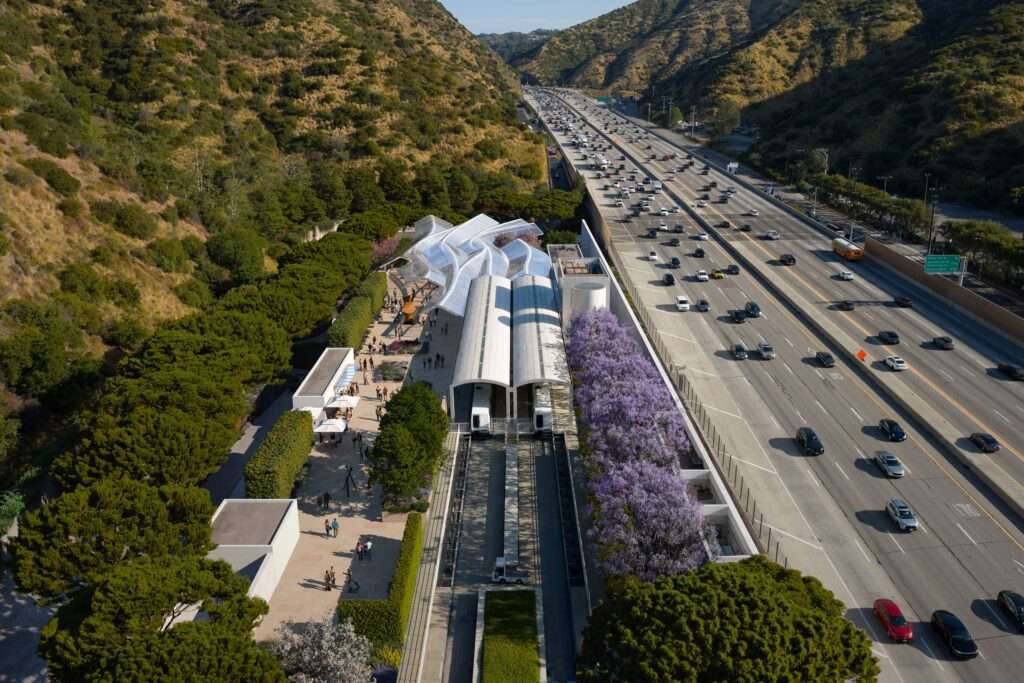
Interior Reconfiguration and Landscape Integration
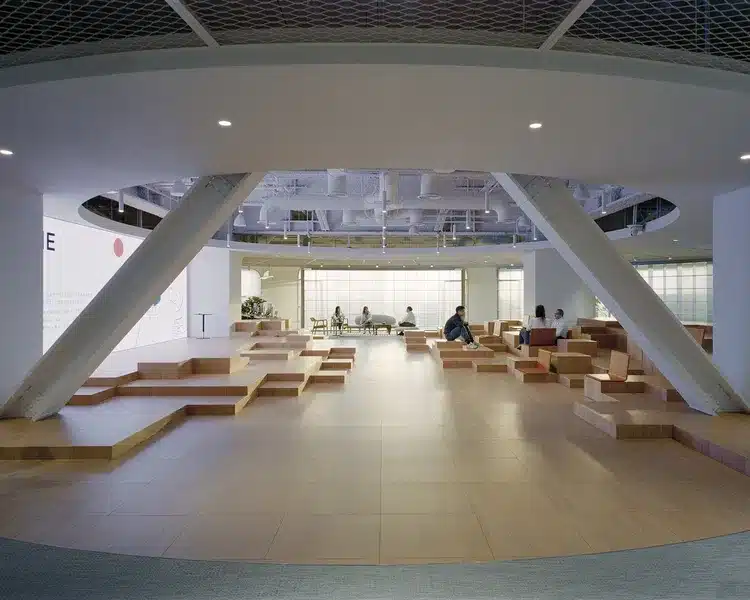
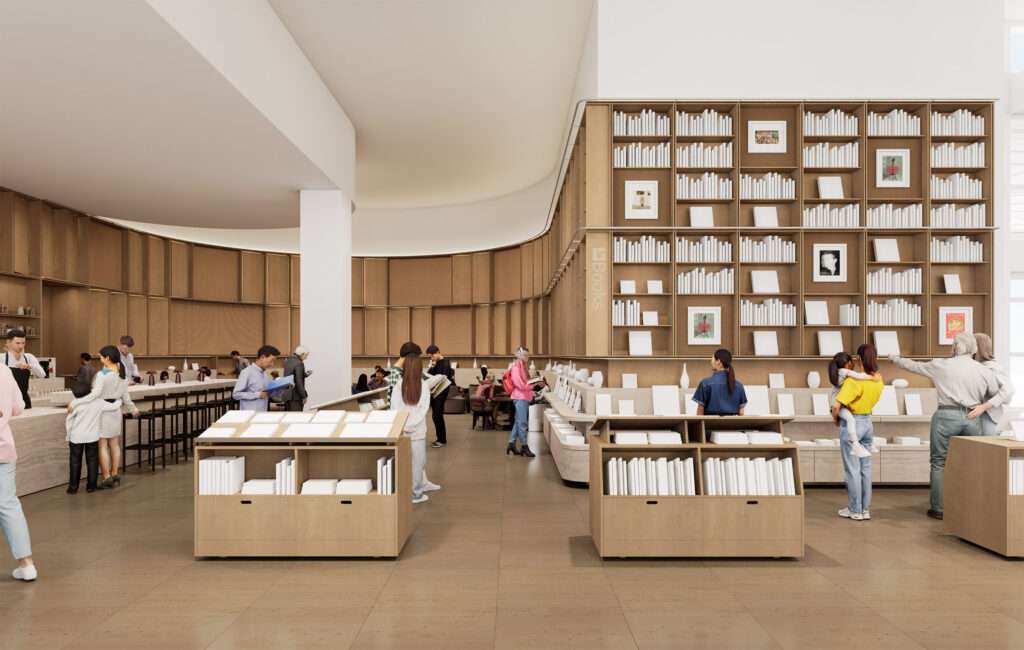
As part of the campus-wide strategy, WHY Architecture is tasked with the renovation of the existing Welcome Hall. The firm’s interior design plan focuses on improving wayfinding and incorporating a new cafe space. These internal changes aim to accommodate a visitorship that has grown to over 1.4 million annual guests since the center’s opening.
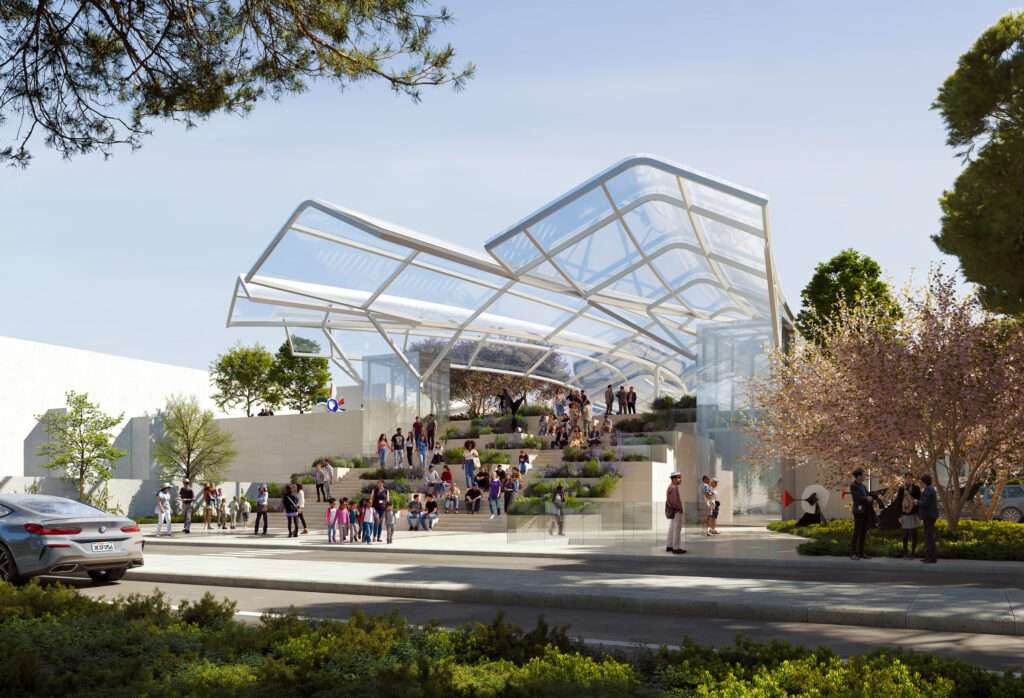
Olin will oversee the landscape architecture components of the revamp, coordinating with the structural and interior interventions. According to representatives from the Getty, the project was initiated to address accessibility, energy resilience, and long-term stewardship. The campus is expected to close temporarily during the construction phase, with a scheduled reopening in the spring of 2028.
The present plan was initiated to elevate [the] visitor experience, enhance accessibility, strengthen energy resilience, and support long-term stewardship.
The Getty
✦ ArchUp Editorial Insight
This project represents a significant infrastructural adjustment to a landmark of late 20th-century modernism, addressing contemporary logistical pressures such as rideshare logistics and increased visitor volume. The addition of a parametric glass element by Gehry Partners introduces a contrasting material language to Meier’s original grid-based stone and metal cladding. The phased closure indicates the scale of the mechanical and spatial upgrades required to sustain the campus’s operational capacity.
Credits
- Architect / Designer: Gehry Partners, WHY Architecture
- Location: Los Angeles, California, USA
- Photography: Gehry Partners, WHY Architecture
- Additional Credits: Olin (Landscape Architecture), Doppelmayr Group (Tram Manufacturing), Richard Meier (Original Campus Architect)