Kettle’s Yard Farm Integrates Artists’ Studios


Spatial Configuration and the Evolution of Function Over Time
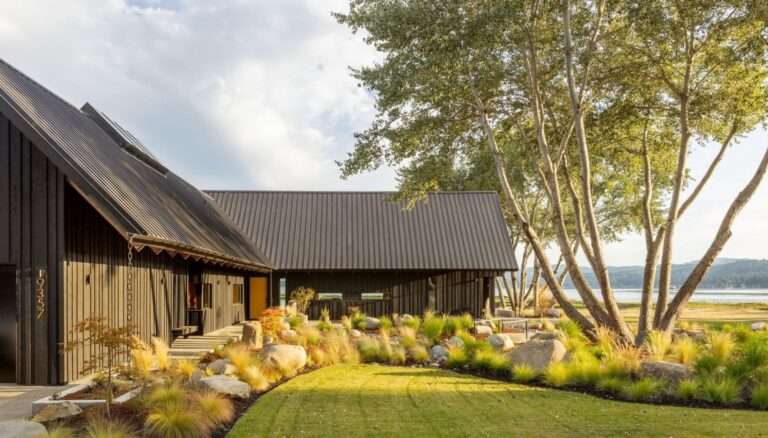
The project is based on the adaptive reuse of a collection of historic agricultural buildings within an architectural framework that responds to the demands of contemporary living and creative work. The original composition revolves around a south-facing central courtyard, which serves as the primary focal point for circulation and interaction throughout the site, benefiting from natural daylight and favorable climatic conditions. The transformation from a former cowshed and ancillary service structures into residential spaces and artists’ studios demonstrates the capacity of the existing fabric to accommodate new functions while preserving its original spatial character.
The Relationship Between Creativity and Architectural Space
The site carries a long legacy of artistic and productive activities that have contributed to shaping its current identity. The spatial sequence begins with a narrow pathway bordered by wetlands before opening into the central courtyard, where historic structures coexist with open spaces in a setting that heightens the user’s awareness of the site’s history and evolution. The changing quality of natural light throughout the day accentuates the textures and details of the older buildings, bringing continuous vitality to the courtyard and supporting an environment conducive to creative work and production. The project also reflects broader themes explored in contemporary research on adaptive reuse and cultural production.
| Field | Details |
|---|---|
| Architects | Pasparakis Friel |
| Area | 130 m² |
| Year | 2025 |
| Photographs | Peter Molloy |
| Manufacturers | Deignan Design, Friary Timber Products, Velfac, dqsurfacedesigns |
| Lead Architects | Sosie Pasparakis, Ronan Friel |
| Category | Cultural Architecture, Houses, Extension |
| Lead Team | Sosie Pasparakis, Ronan Friel |
| General Contractor | Patsy Harkin |
| City | Glenties |
| Country | Ireland |


Massing Balance and Contemporary Extension
The new extension engages the existing buildings as the project’s primary point of reference and is therefore positioned at the farthest end of the site to preserve the visual prominence of the historic farmhouse at the termination of the main approach. This placement helps maintain the spatial character of the central courtyard while strengthening the project’s connection to its rural context. The extension also draws inspiration from the language of neighboring agricultural structures through its overall form and material palette, establishing visual and material continuity between the old and the new.
Lighting Strategy and the Artistic Display Environment
The interior design employs natural light as a fundamental element in shaping the spatial experience. The new spaces are oriented to receive indirect northern light, providing optimal conditions for artistic practice and the display of visual works. At the same time, the transition of light between different spaces helps soften the contrast between the historic buildings and the contemporary addition. Calm, uncluttered walls provide a neutral backdrop that allows artworks to become the most visually prominent elements within the interior.


Circulation Sequence and the Dialogue Between Old and New
The project is composed of a connected series of spaces linked to the surrounding garden, enabling a gradual transition between interior and exterior environments. The contrast between the various parts of the project emerges as one of its defining qualities. The historic building retains its smaller, intimate rooms, while the new extension introduces larger, more open spaces flooded with natural light. This contrast enriches the spatial experience and highlights the distinctive characteristics of each phase in the project’s evolution, echoing themes often explored in architectural projects focused on heritage transformation.
Materiality and the Identity of Place
The interior treatment relies on a restrained palette of natural materials that gives the project a calm and cohesive character. Clay-toned micro-cement, raw timber ceilings, and oil-finished wooden furnishings collectively establish a balanced material backdrop that harmonizes with the historic elements preserved within the building. This approach allows collections and artworks to be integrated into the interior landscape without visual competition, becoming part of a spatial narrative that brings together historical memory and contemporary use. The careful selection of building materials plays a key role in reinforcing this relationship.


✦ ArchUp Editorial Insight
The project redefines adaptive reuse as a spatial negotiation between inherited agricultural fabric and the requirements of contemporary creative production. Rather than treating historic buildings as static objects of preservation, they are reactivated through the thoughtful use of natural light, restrained materiality, and a circulation system centered around the courtyard. The project demonstrates how architecture can accommodate new cultural functions while preserving the spatial intelligence embedded within historic rural compositions and their relationship to the surrounding landscape. Such interventions contribute to ongoing discussions within contemporary discussion about the future of heritage adaptation and rural development.
However, this interpretation risks slipping into a degree of excessive romanticism. Spatial coherence and sensory quality do not necessarily guarantee long-term usability or future adaptability. The emphasis on spatial experience and crafted character may obscure broader questions regarding functional flexibility and operational efficiency over time. From a broader design perspective, adaptability is not solely about preserving memory; it also depends on accommodating evolving patterns of production, occupation, and maintenance. These concerns remain relevant within current architectural news and professional discourse surrounding adaptive reuse strategies.