Satechi ChargeView 140W: Digital Power Interface

The Evolution of Wall Chargers and GaN Technology
Wall chargers have undergone significant development in recent years with the adoption of GaN technology, which has contributed to reducing size while improving performance efficiency. As a result, these chargers are now capable of powering multiple devices simultaneously, such as laptops, smartphones, and earbuds, without the need for bulky or complex units.
A Shift in How Power Is Presented and Used
Traditionally, chargers are used without revealing what happens internally in terms of power distribution. Users simply plug in their devices and assume that charging is proceeding normally. In contrast, a different approach is emerging in some modern Design design-driven approach, such as the Satechi ChargeView 140W desktop charger, where power is treated as a visible element rather than something hidden.
Monitoring and Distributing Power Consumption
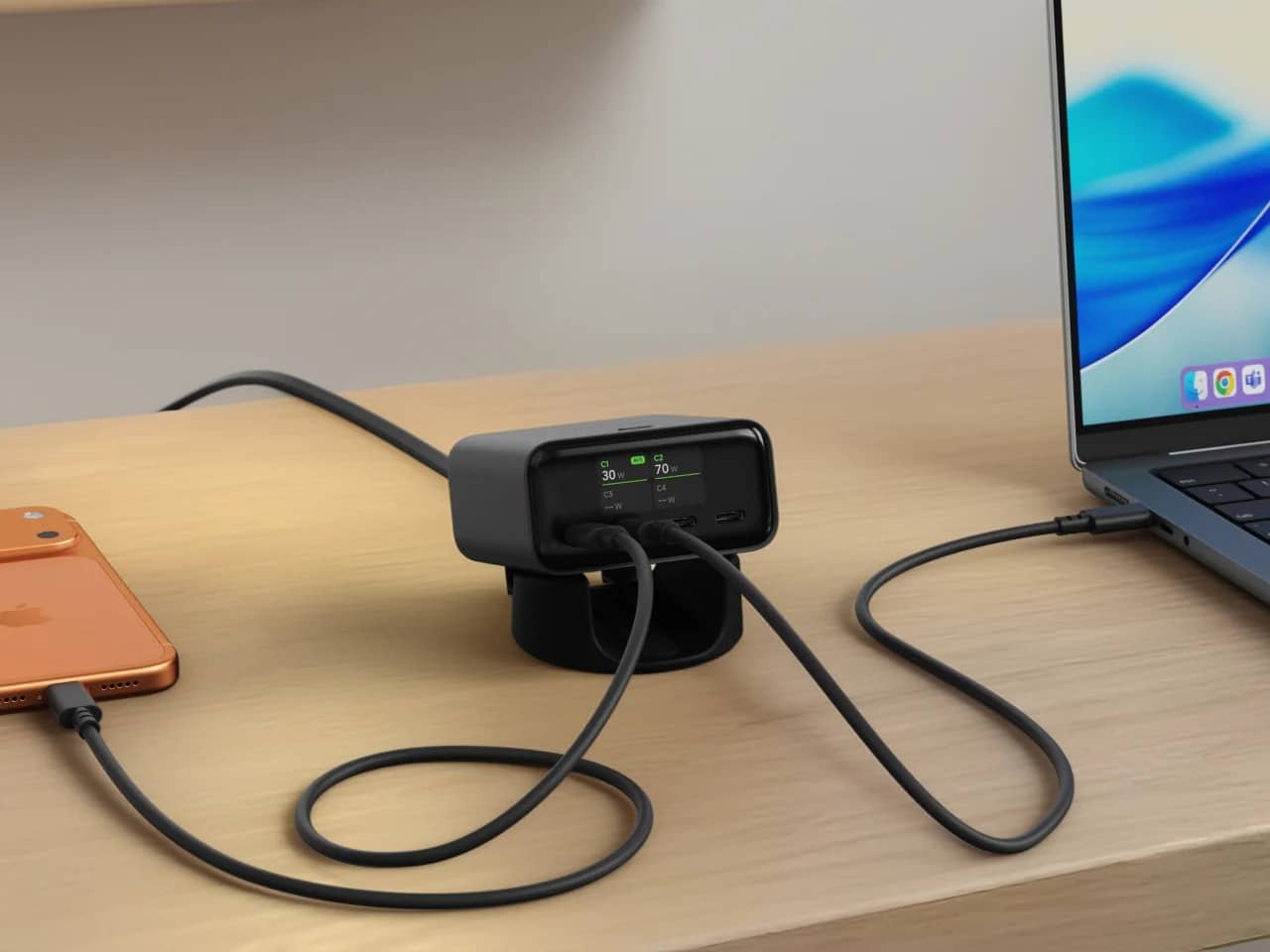
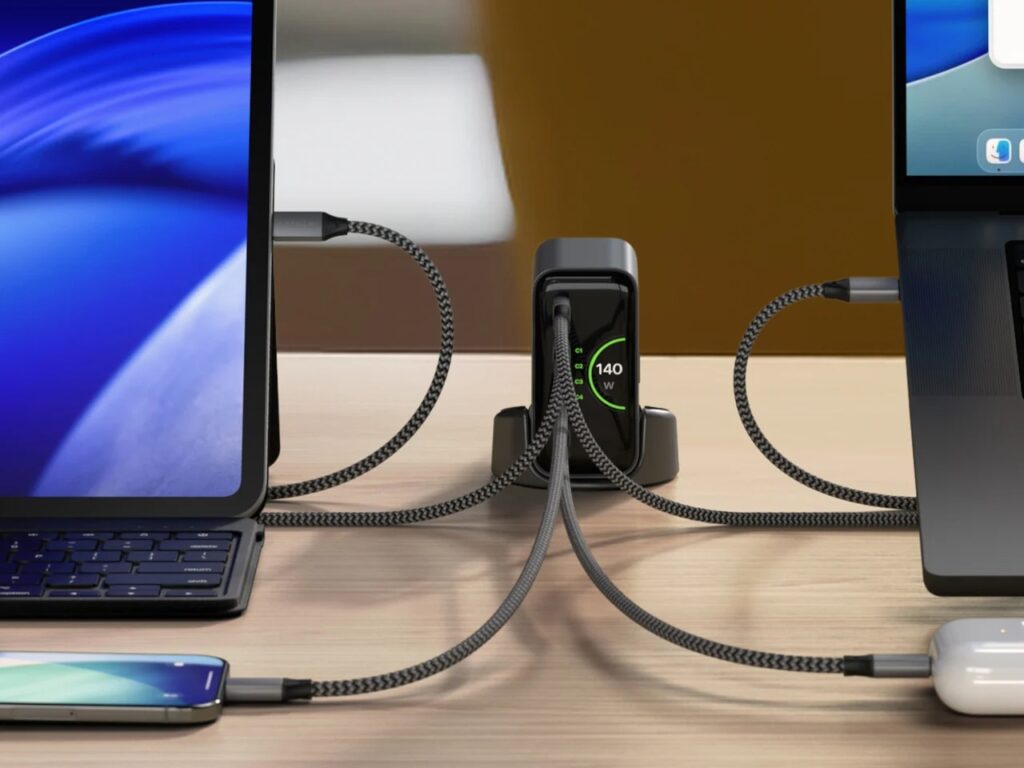
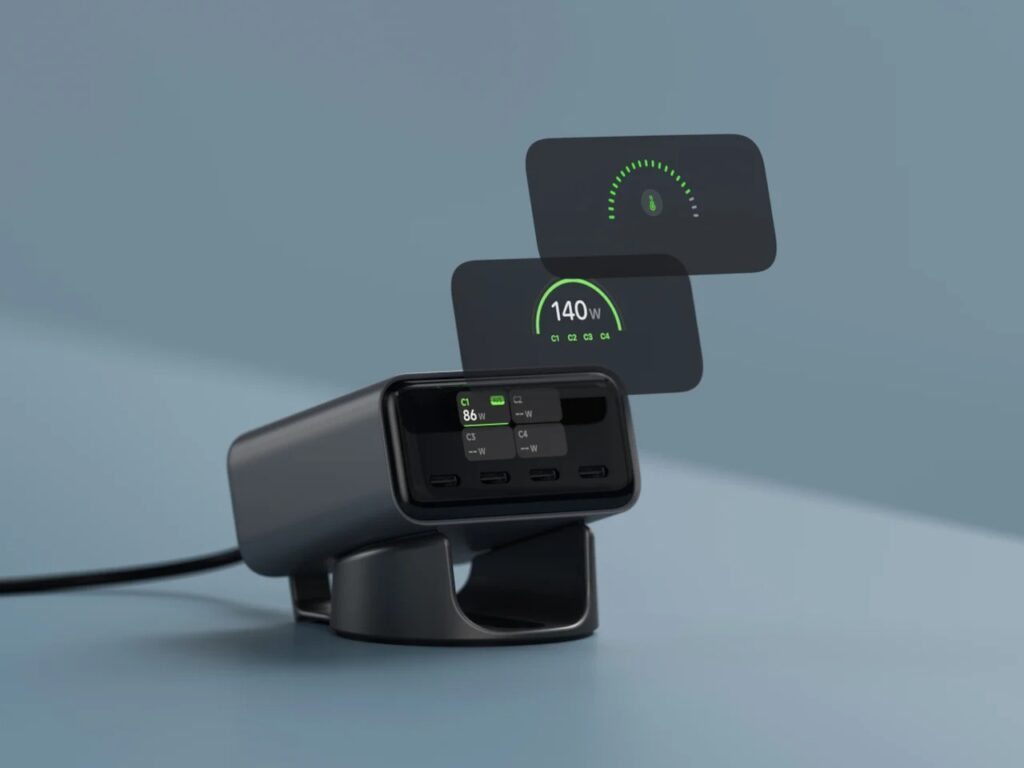
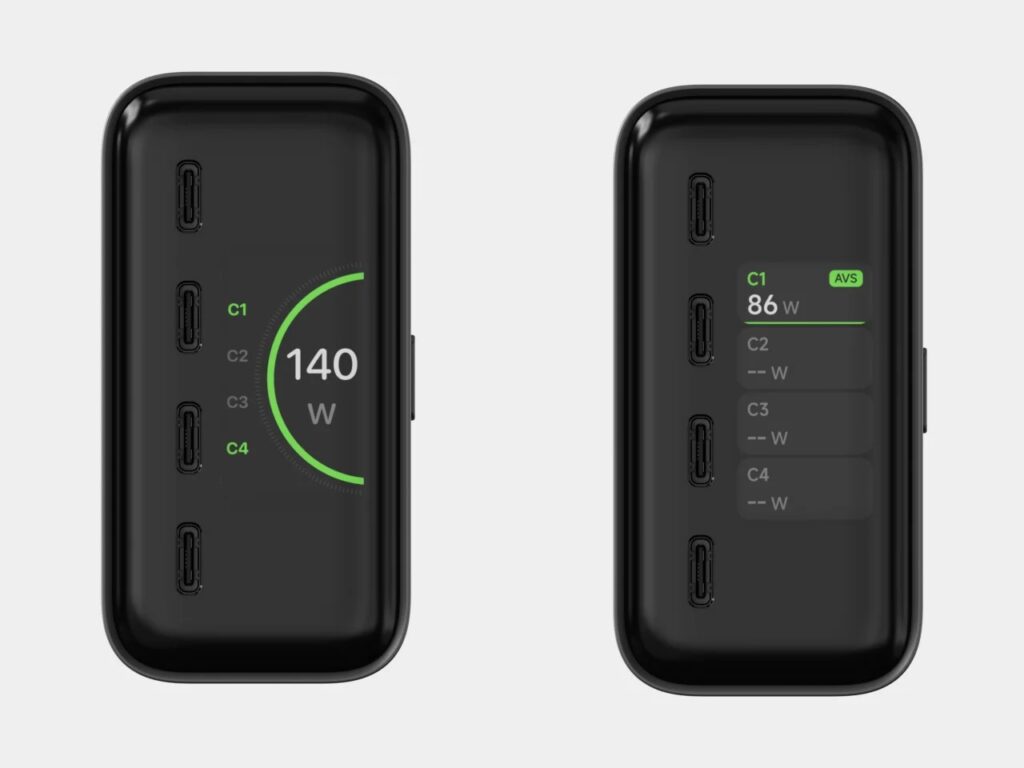
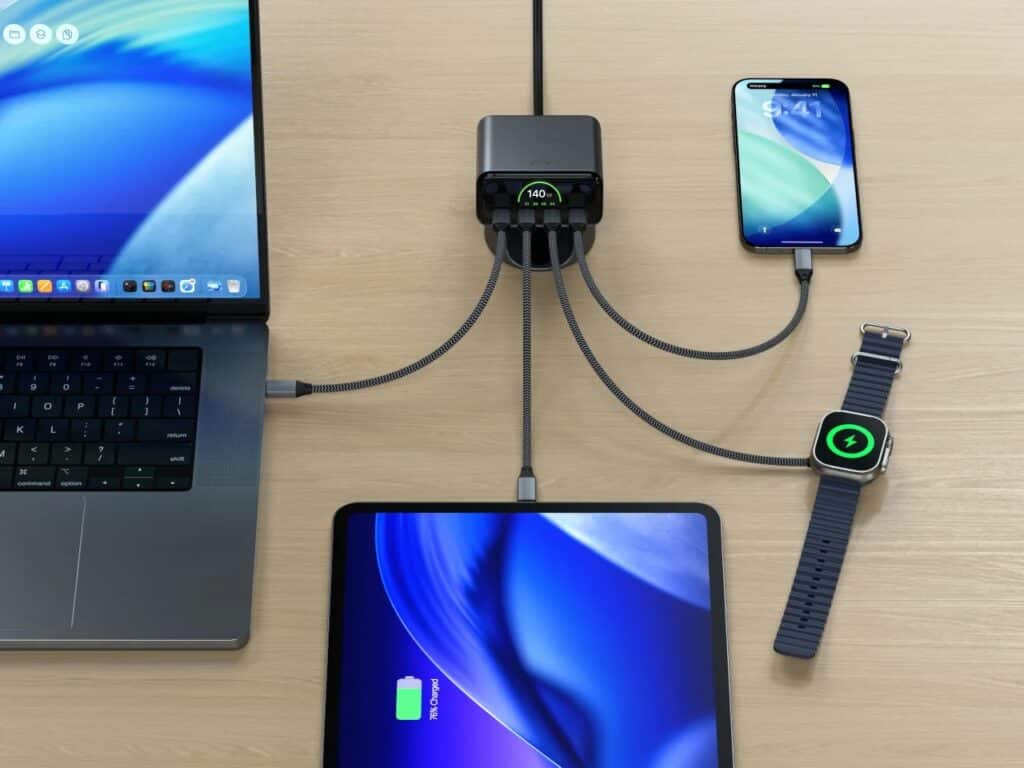
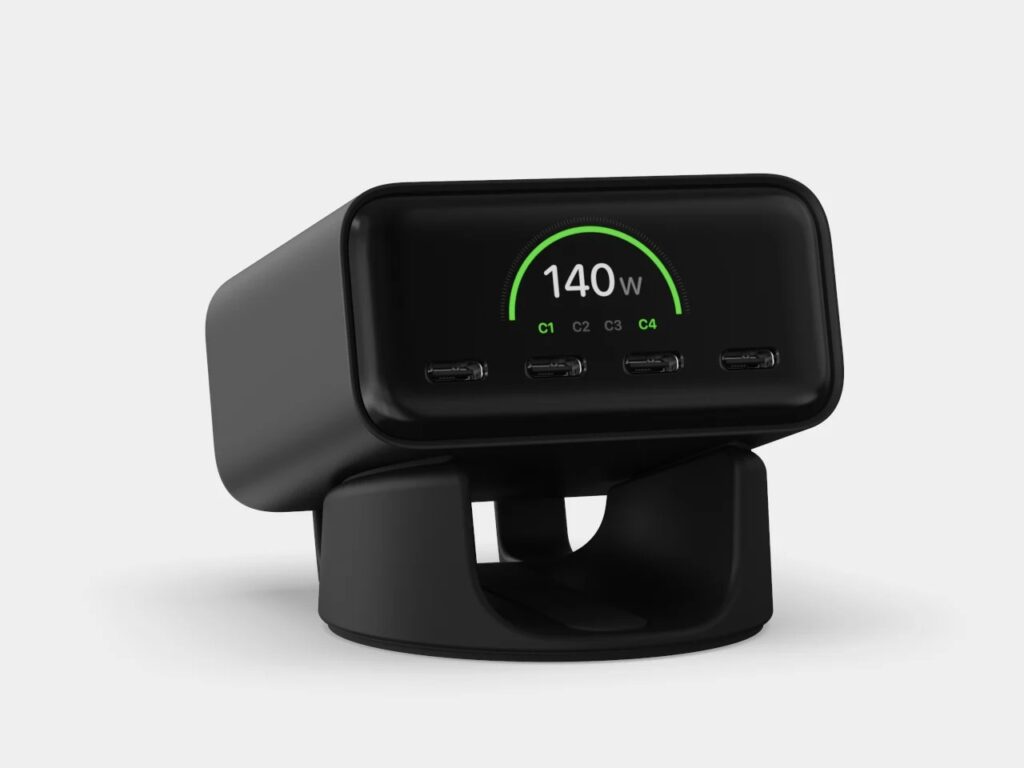
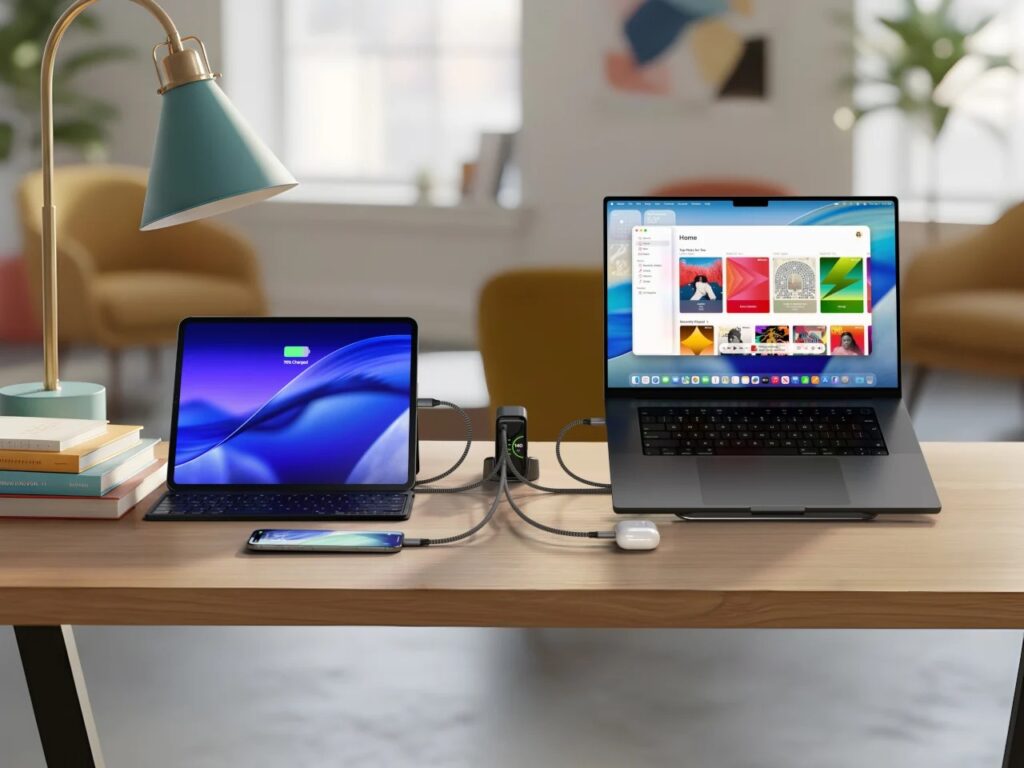
This type of charger relies on distributing a total output of up to 140W across four USB-C ports, supported by a digital display that shows real-time power consumption for each port. As a result, it becomes possible to operate multiple devices simultaneously while monitoring how much power each device receives. This reduces reliance on guesswork during everyday use, especially as charging needs fluctuate throughout the day within the context of Research architectural project workflows.
Fast Charging Support and Real-Time Feedback
The charger supports fast charging for modern iPhones through the USB Power Delivery standard, enabling the delivery of appropriate power levels for these devices. With an integrated display, users can directly observe how power is being distributed, making it easier to determine whether the cable or setup is affecting charging speed, without needing to check phone settings, within contemporary urban environments.
Advanced Power Distribution Management
The system is built on USB PD 3.2 with AVS technology, allowing power output to be adjusted dynamically rather than relying on a fixed value. This ensures that each connected device receives the appropriate level of power based on its actual requirements, enhancing distribution efficiency during multi-device usage in contexts involving digitally integrated Building Materials and technical infrastructure.
Background Protection Systems
At the same time, internal protection mechanisms operate continuously to guard against overheating, overcurrent, and overvoltage. As a result, the charging process is managed through a complex technical balance, even though the user-facing experience remains simple and intuitive via the display, particularly within modern office building environments.

Physical Form and Usage Context
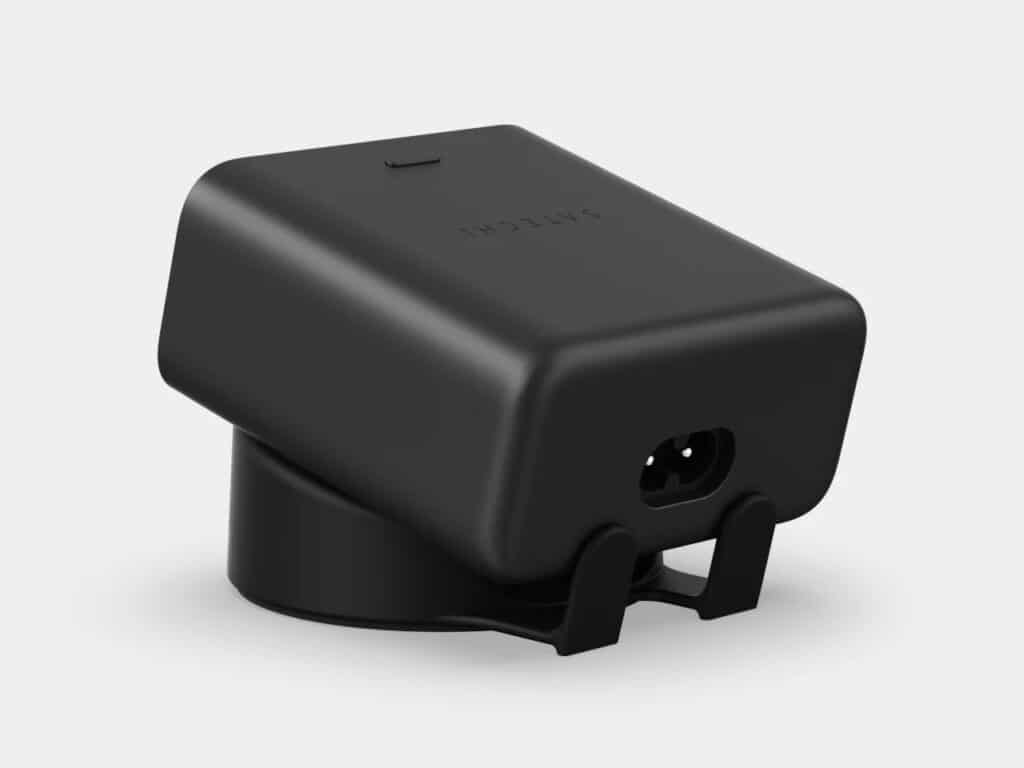
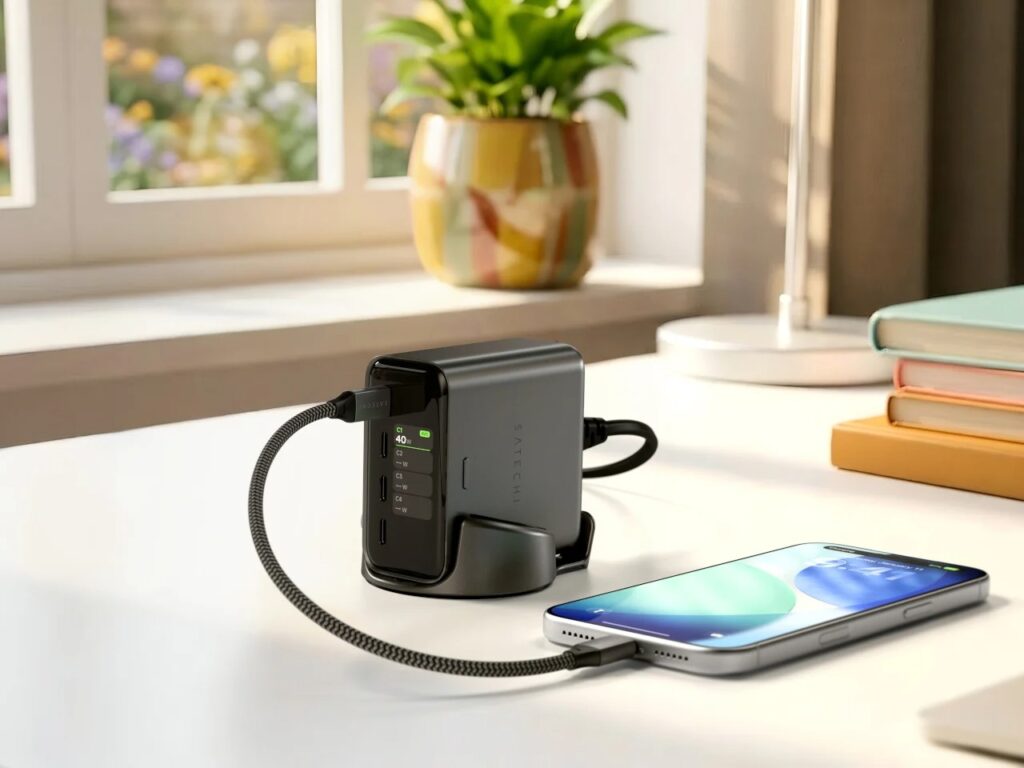
The device’s external design reflects a clear function-driven approach. It comes in a “Space Black” finish and includes a stand that allows it to be positioned vertically to minimize desk footprint, or horizontally when better cable organization is needed. As a result, the charger shifts from being a typically hidden object, placed behind furniture or on the floor, to a visible element on the desktop, changing how it integrates into the workspace environment.
Design Relationship Within the Surrounding Product Ecosystem
This type of Design aligns with a philosophy centered on harmonizing accessories with the Apple device ecosystem in both form and usability. This is evident in the simplicity of the ChargeView and the clarity of its function, making it a visually unobtrusive addition when placed alongside devices such as the MacBook Pro or professional displays within architectural and technological contexts.
Pricing Tier and Functional Value
The device falls within a higher price category compared to conventional GaN-based chargers with four ports. This difference is attributed to added features such as the integrated display, adaptive voltage management, and a design tailored for desktop use. In practice, this introduces an additional layer of insight into the charging process, transforming the charger from an invisible utility into a device that clearly communicates power behavior within content-driven archival contexts.
✦ ArchUp Editorial Insight
The adoption of GaN chargers emerges as a direct outcome of advances in semiconductor efficiency and the standardization of USB-C Power Delivery across consumer device ecosystems. The growing demand for high-power portable computing serves as the primary driver behind this shift. This transition cannot be interpreted as an isolated design choice, but rather as a response to broader alignments within electronics supply chains and capital efficiency requirements in multi-device operating environments.
Regulatory certification systems and thermal safety limits impose precise constraints that influence size reduction and internal power distribution mechanisms. Within this context, the Satechi ChargeView 140W charger functions as a localized control point that transforms power flow into visible data through an integrated display. This shifts charging from an invisible background function into a monitored distribution system, revealing the dynamics of load balancing among peripheral devices within the workspace environment, within digitally integrated Building Materials and technical infrastructure informed by Research.