Sea of Time – TOHOKU: Cliffside Museum Project Rises in Fukushima

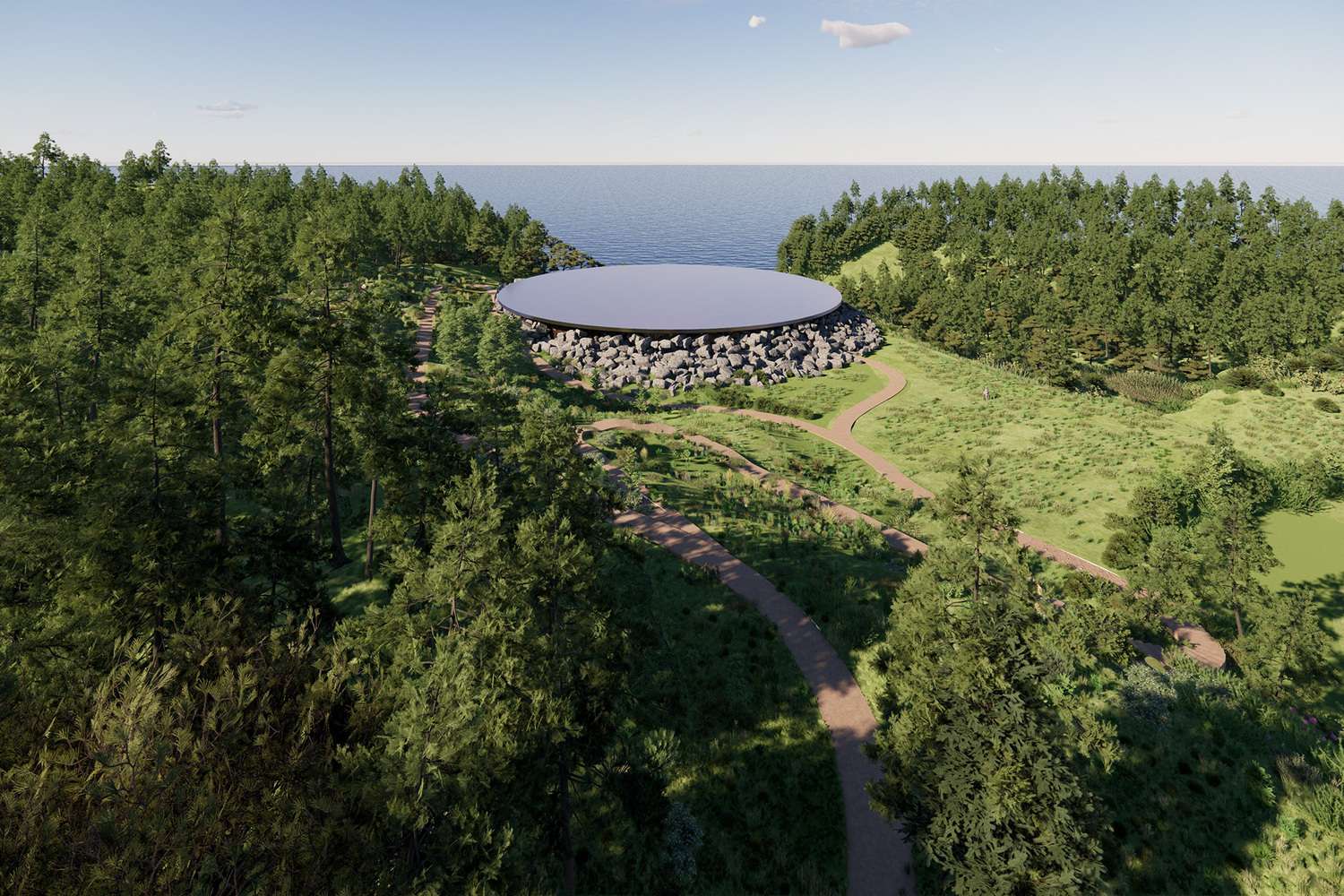
Sea of Time – TOHOKU is a new museum project in Tomioka, Fukushima Prefecture, Japan. The project will house an immersive light installation overlooking the Pacific Ocean. Development runs from 2024 to 2027, with an expected opening in spring 2028.
A Cliffside Design Rooted in Landscape
The project sits on a cliff shaped by the 2011 Tōhoku earthquake and tsunami. Therefore, the design responds directly to memory and landscape. The circular structure embeds partially into the ground and extends toward the sea.
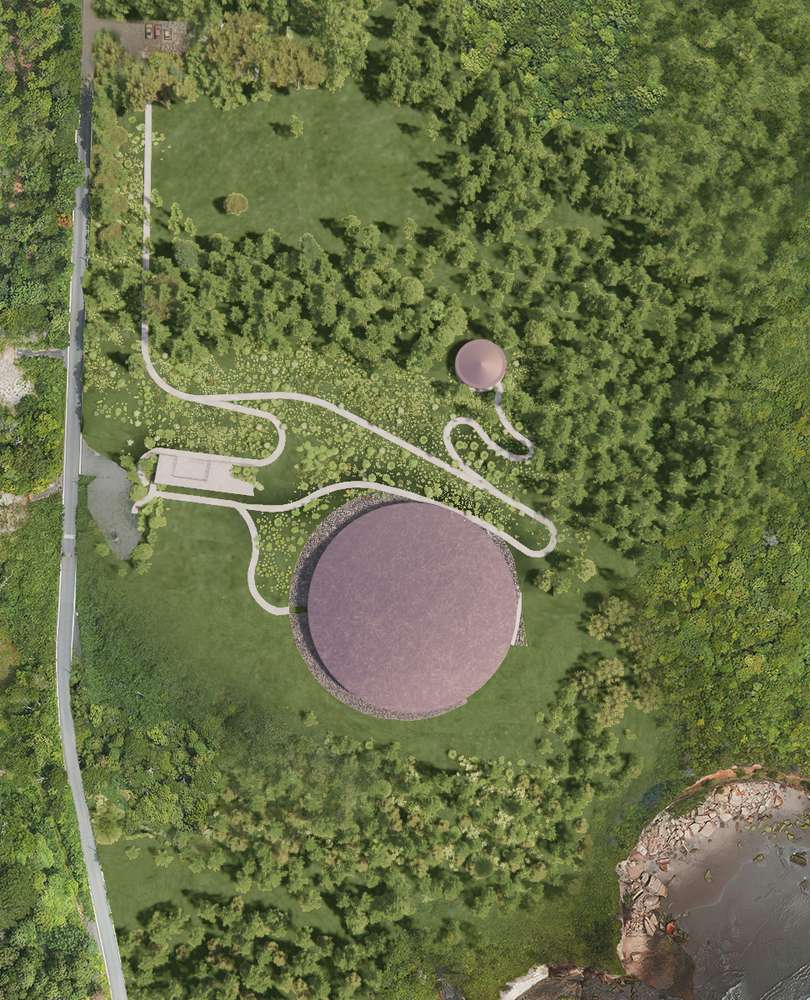
A large roof shelters the space and frames ocean views. Meanwhile, the building avoids object-like form. It reads as an extension of the terrain. This approach reflects a broader dialogue within contemporary architecture that connects built form to place.
The geometry reinforces continuity with the site. Moreover, the structure integrates with the natural slope rather than dominating it. The project adds to ongoing discussions about cultural buildings in sensitive coastal environments.
A Basin That Frames Time and Horizon
At the center, a 200 square meter circular basin defines the spatial core. The basin faces the horizon and establishes a direct visual link to the Pacific Ocean. As a result, visitors experience both installation and landscape simultaneously.

The installation features 3,000 LED counters floating on water. Each counter cycles through numbers from 1 to 9. Participants assign time intervals to individual counters, creating a collective rhythm. Therefore, the space operates as both museum and participatory artwork.
Light, water, and scale shape the interior atmosphere. The controlled environment enhances the experience without isolating it from nature. This integration aligns with evolving approaches in interior design for experiential cultural spaces.
Local Stone and Collective Memory
The project uses locally sourced stone to anchor the structure in its region. These building materials strengthen the connection between memory and ground. Moreover, the material palette reflects the geological character of Fukushima’s coastline.
Community engagement has shaped the project since 2015. Workshops invited contributors from the Tōhoku region and abroad. Participants embed personal narratives into the LED counters. Consequently, the building functions as a shared archive of time.

The development also highlights broader themes of sustainability and long-term cultural resilience. It positions architecture as a mediator between landscape, disaster memory, and future recovery. Such projects increasingly influence cultural strategies in coastal cities.
A Quick Architectural Snapshot
Sea of Time – TOHOKU is a circular cliffside museum in Tomioka, Fukushima. The project centers on a 200 square meter water basin with 3,000 LED counters. Local stone shapes the structure. Opening is planned for spring 2028, following construction from 2024 to 2027.
✦ ArchUp Editorial Insight
The development of Sea of Time – TOHOKU functions as a spatial response to institutionalized disaster recovery and regional economic stabilization. Architecture here serves as a symptom of post-tsunami land-use policies that prioritize cultural tourism to offset demographic decline. The decision to embed the structure into the cliff reflects a risk-mitigation strategy disguised as site integration, balancing strict coastal building codes with the need for high-visibility landmarks. By incorporating participatory LED counters, the project offloads the emotional labor of memorialization onto the public, transforming individual grief into a permanent maintenance requirement for the facility. This architectural manifestation serves the demand for a “safe” historical narrative that commodifies trauma for global cultural consumption. This project is the logical outcome of disaster-capital investment + aggressive regional rebranding + the expansion of experiential art as a tourism driver.