Planned Demolition for Unused Tubular Concert Hall in Tbilisi

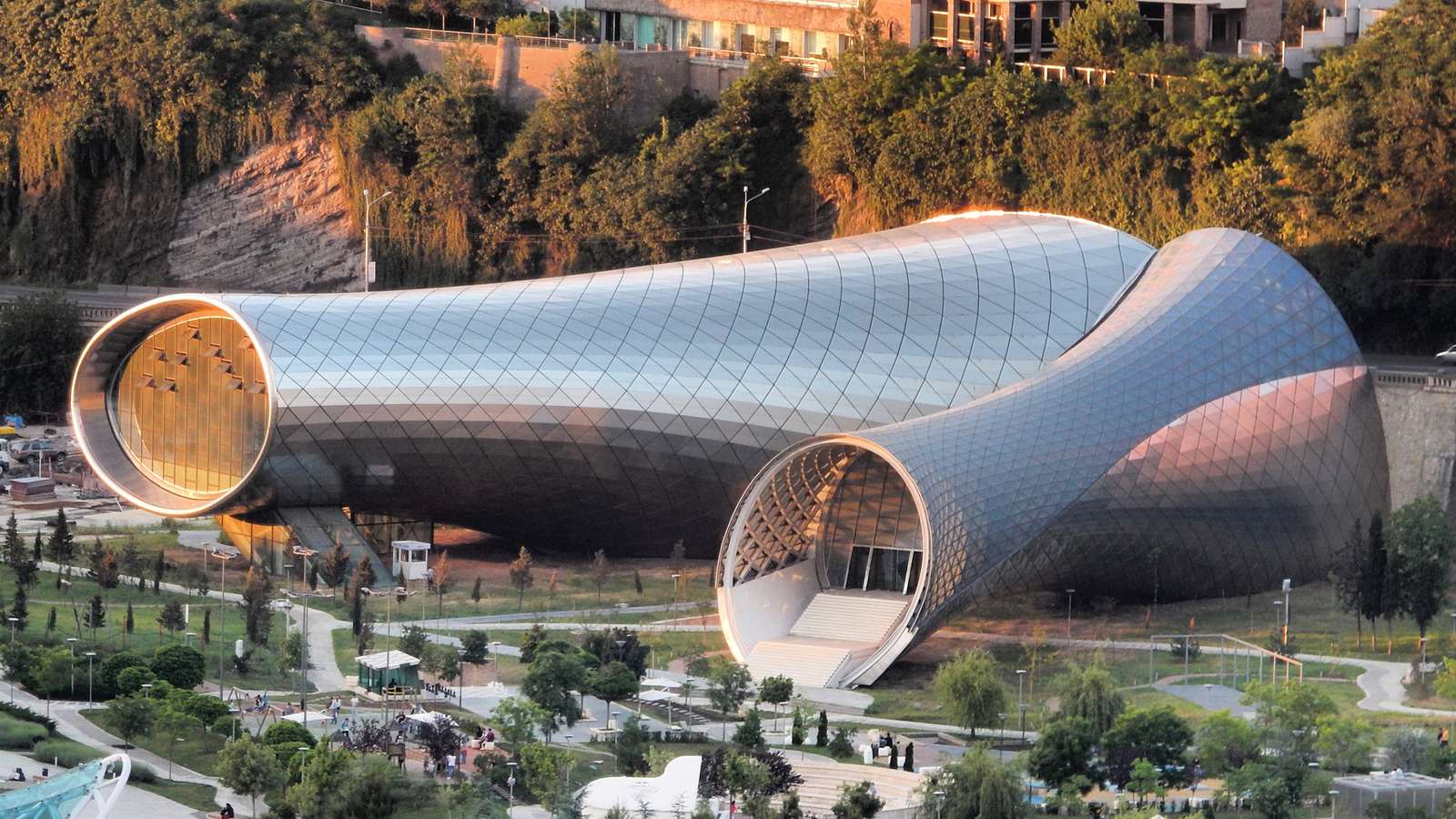
A distinctive steel and glass concert hall in the center of Tbilisi faces demolition less than 15 years after its completion. The tubular structure sits in Rike Park but never opened its doors to the public following shifts in the local political landscape. Local authorities recently issued a permit to the current owners to dismantle the building by late December.
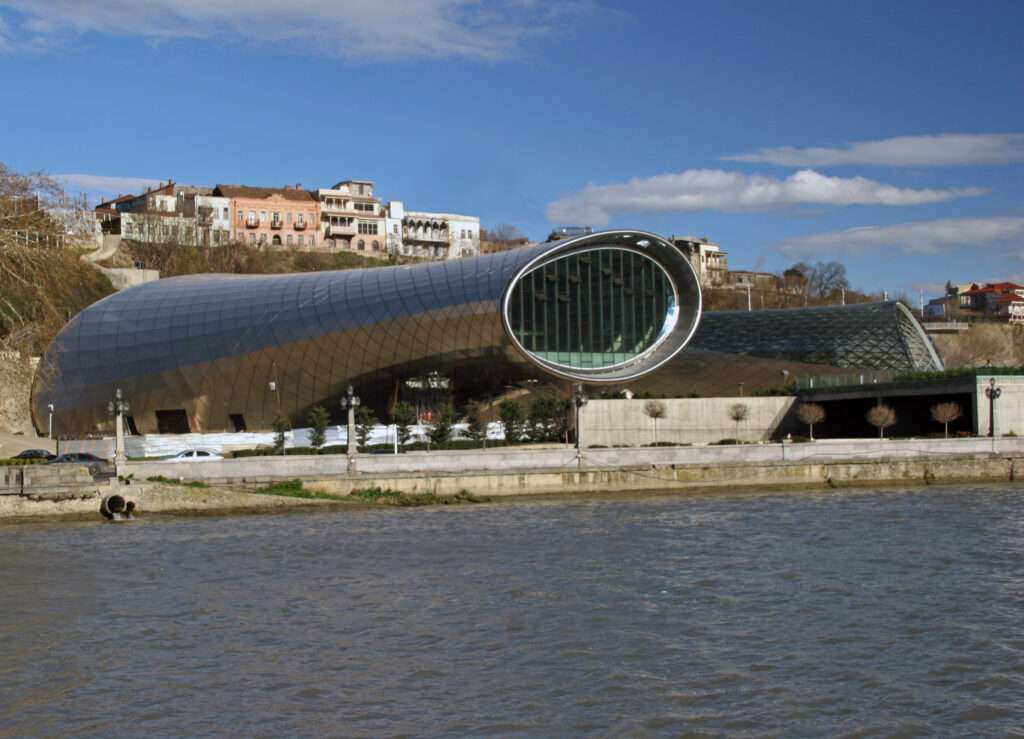
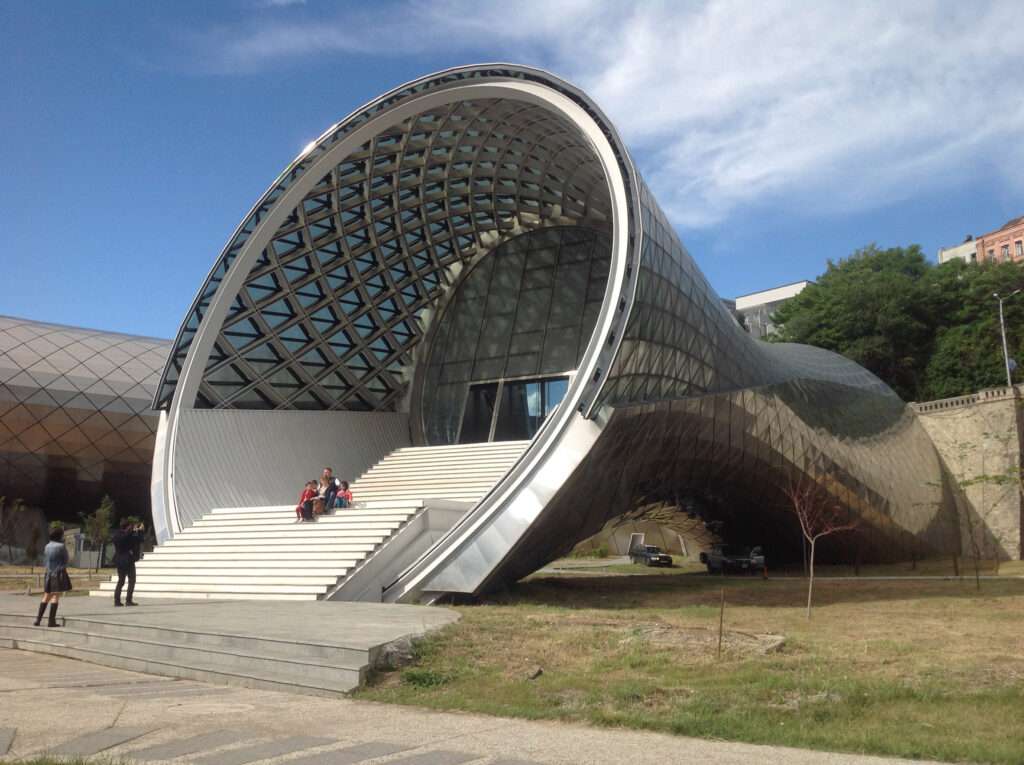
The project consists of two large, metallic tubes that flare at their ends to face the river and the surrounding city. One volume was intended to house a musical theater, while the other served as an exhibition hall. Although the building reached near-completion in 2012, it remained vacant for over a decade as successive owners struggled to find a functional use for the experimental form.
The city’s architectural department confirmed that the dismantling process must conclude by December 25. City officials describe the current state of the architecture as deteriorating and non-functional. They noted that the site has become a localized burden rather than a cultural asset due to its long-term abandonment.
Ownership Shifts and Site Transition
The building changed hands several times before the current owner acquired it in early 2025. Previous attempts to sell the property to developers suggested a potential conversion into a hotel, but no concrete plans materialized. The current owners made the decision to remove the structure entirely to make way for a new construction project.
While the city has not yet received a formal proposal for the site’s future, the mayor’s office emphasized the importance of the location within the urban fabric. Any new project must undergo a review by the cultural council to ensure it respects the environment of Rike Park. The demolition marks a definitive end to a project once seen as a symbol of modern urban development in the Georgian capital.
Local reports indicate that the dismantling will involve significant logistics to manage the steel envelope and glass components. The removal of such a large-scale building from a central park will likely alter the skyline significantly, returning the land to a developable state for the first time in fifteen years.
Geometric Logic and Programmatic Failure
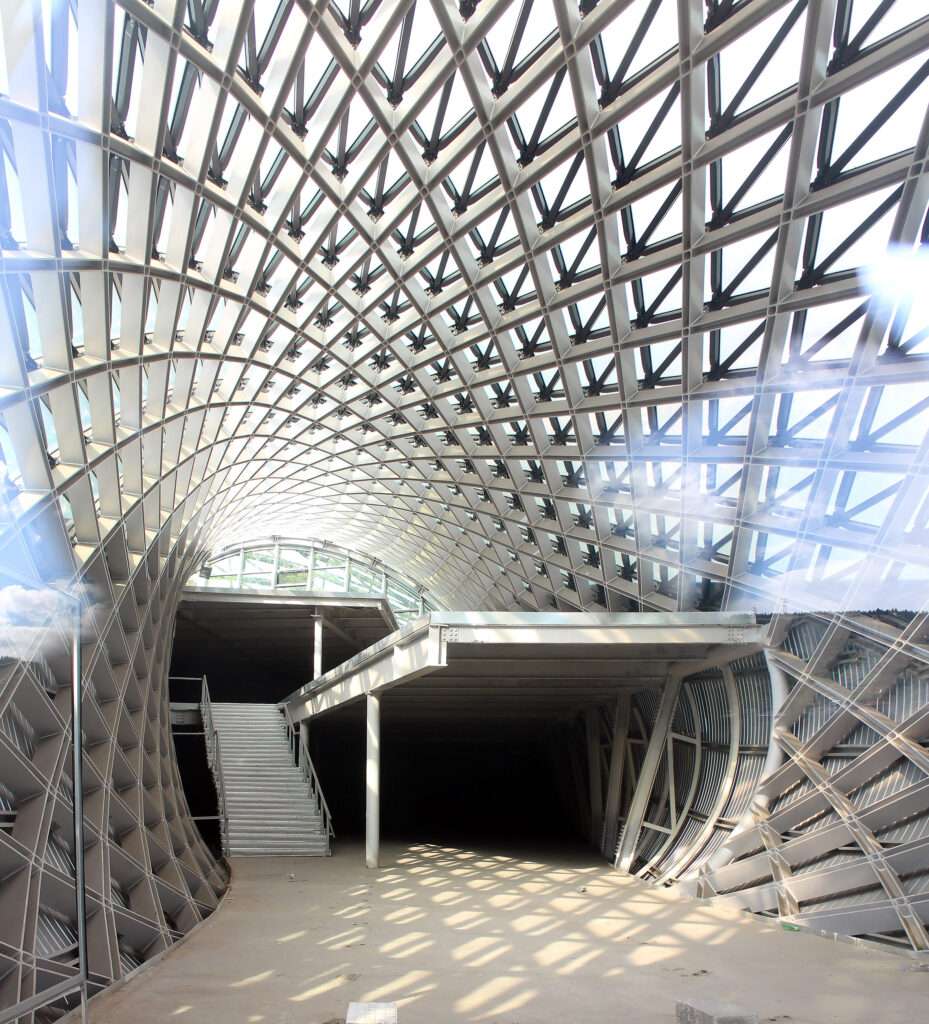
The project employs a dual-tubular geometry that functions as a periscope for the city, framing specific urban views through massive glazed apertures. This structural strategy relies on a complex steel diagrid—a network of diagonal beams—to create the fluid, organic shapes that define the envelope. While the design creates a strong visual landmark, its programmatic intelligence suffered from a lack of internal flexibility. The specific, non-traditional volumes intended for performance and art proved difficult to adapt for alternative commercial uses after the original funding and political support vanished. This tension between highly specialized form and long-term functional adaptability illustrates the risks of object-oriented urban interventions that lack a resilient operational framework.
✦ ArchUp Editorial Insight
The planned demolition of this tubular landmark reveals the fragility of “iconic” architecture when it is tied too closely to specific political eras. The design attempted to signal a modern future through aggressive geometry and a futuristic material palette, yet it failed to integrate into the daily life of the cities it served. Without public access or a functional interior life, the building remained a hollow sculpture rather than a civic anchor. Conversely, one must question the waste inherent in destroying a nearly complete, high-quality structure. The decision to demolish instead of retrofitting suggests a failure of imagination from both the city and private developers. It highlights a recurring cycle where new owners prefer a blank slate over the complex challenge of adaptive reuse.
Project Team: Massimiliano and Doriana Fuksas, Studio Fuksas. Location: Tbilisi, Georgia.
Project Notes: Completed in 2012, sold to Makro Constructions in 2025, demolition scheduled for completion by December 25.