Togo: How a Low Sofa Changes the Living Room

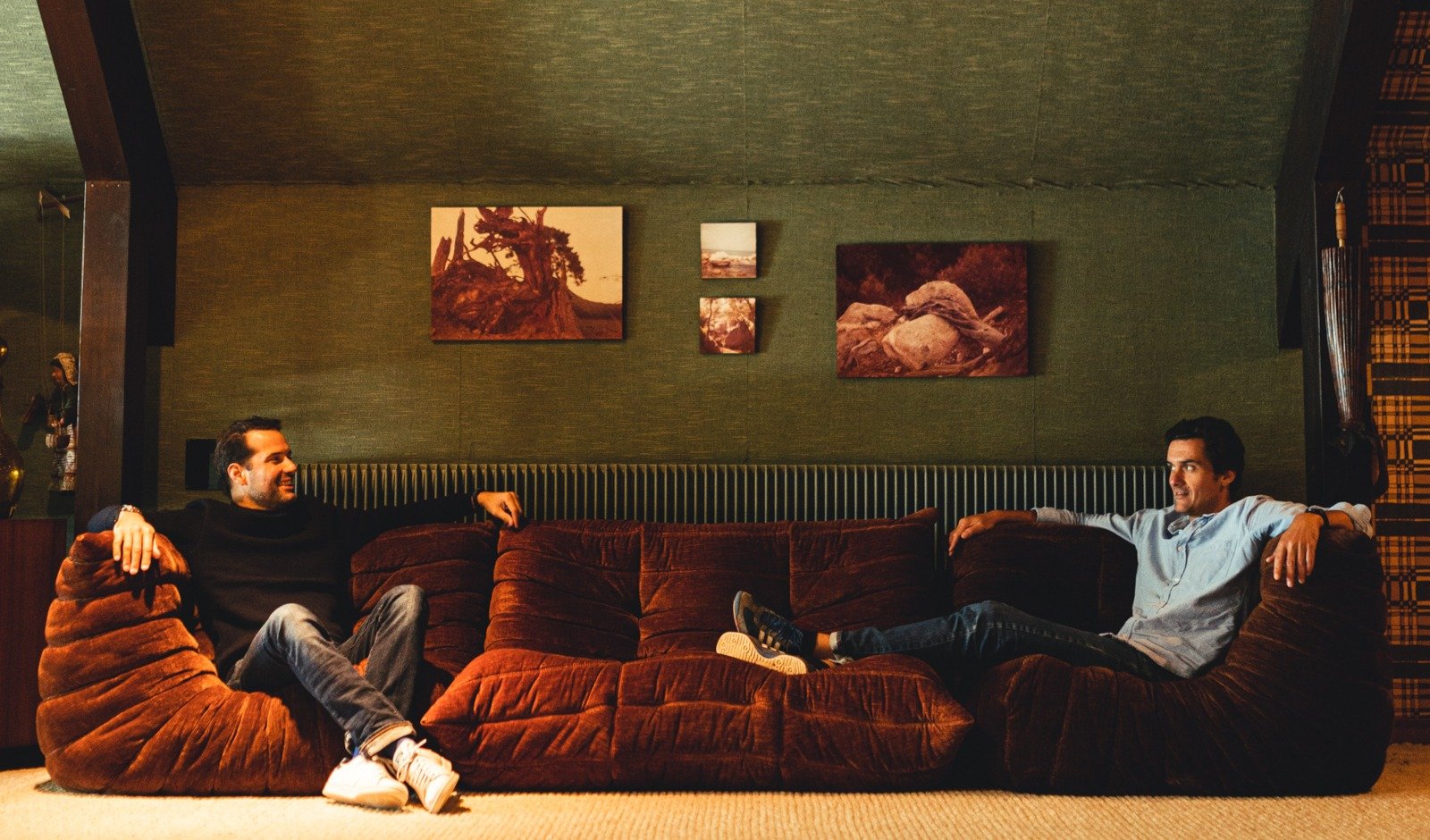
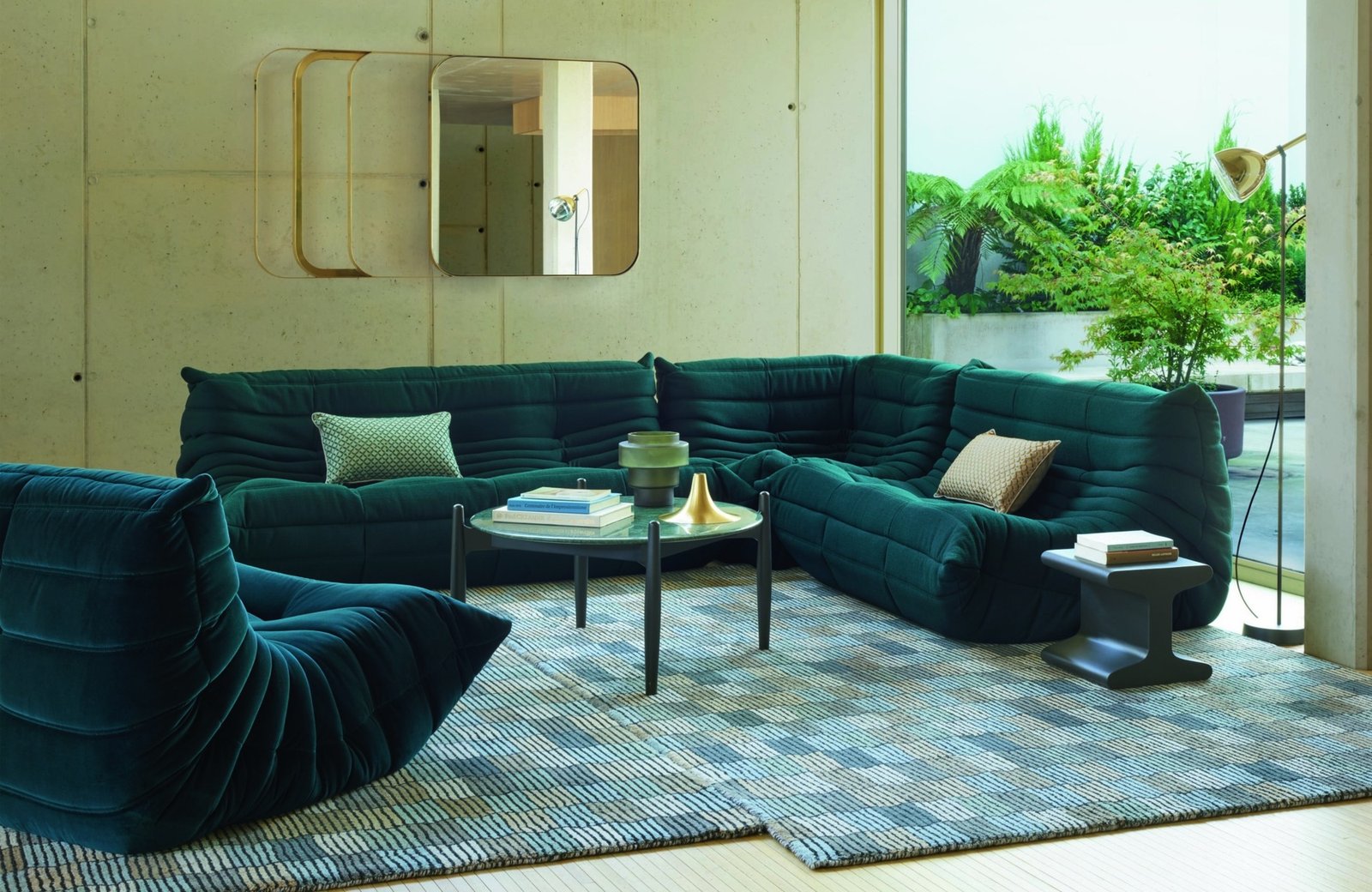
A sofa determines more than where people sit. Its height affects views across a room; its depth changes the distance between conversation and circulation. Designed by Michel Ducaroy for Ligne Roset in 1973, Togo brings these decisions close to the floor. Its continuous foam body replaces the familiar combination of rigid frame, legs and separate cushions with a low, quilted volume.
When the cushion becomes the structure
Togo uses three densities of foam beneath its upholstered cover. The support comes from the combination of soft components rather than a concealed timber or metal skeleton. The cover also contributes to the form: its stitched folds and tensioned button threads shape the transition between seat, back and corners.
This makes the surface inseparable from the construction beneath it. A similar outline alone does not establish the same support or behaviour under load. The pleats are the most immediately recognisable element, but the working assembly is the relationship between foam, cutting, bonding and upholstery.
A lower horizon in the living room
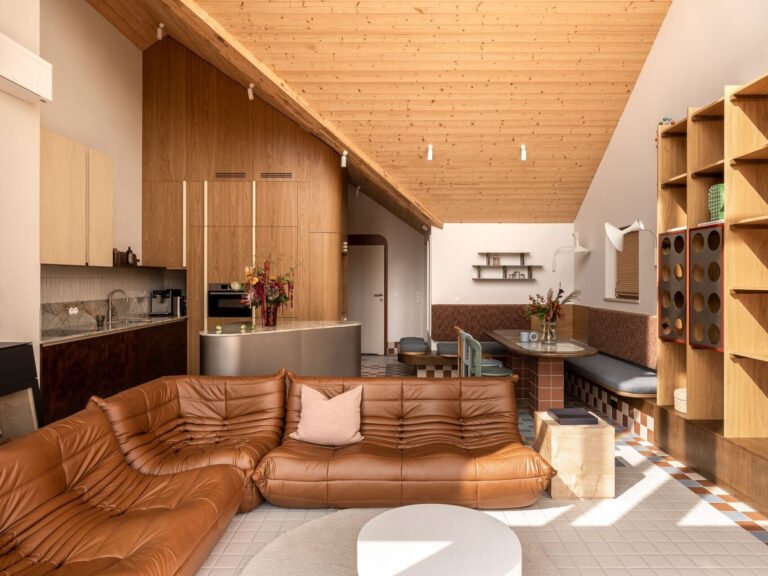
The low back allows the eye to travel across the seating towards windows and the rest of the interior. This can make a group of seats feel less like a partition, even when it occupies a substantial area of the floor. Visual openness and a small footprint are different qualities.
A reclined seat also changes the relationship with neighbouring furniture. The position of a coffee table, the reach to a lamp and the route around a seated person must be considered together. The room works through these distances rather than through the sofa’s silhouette alone.
Separate pieces, shared centre
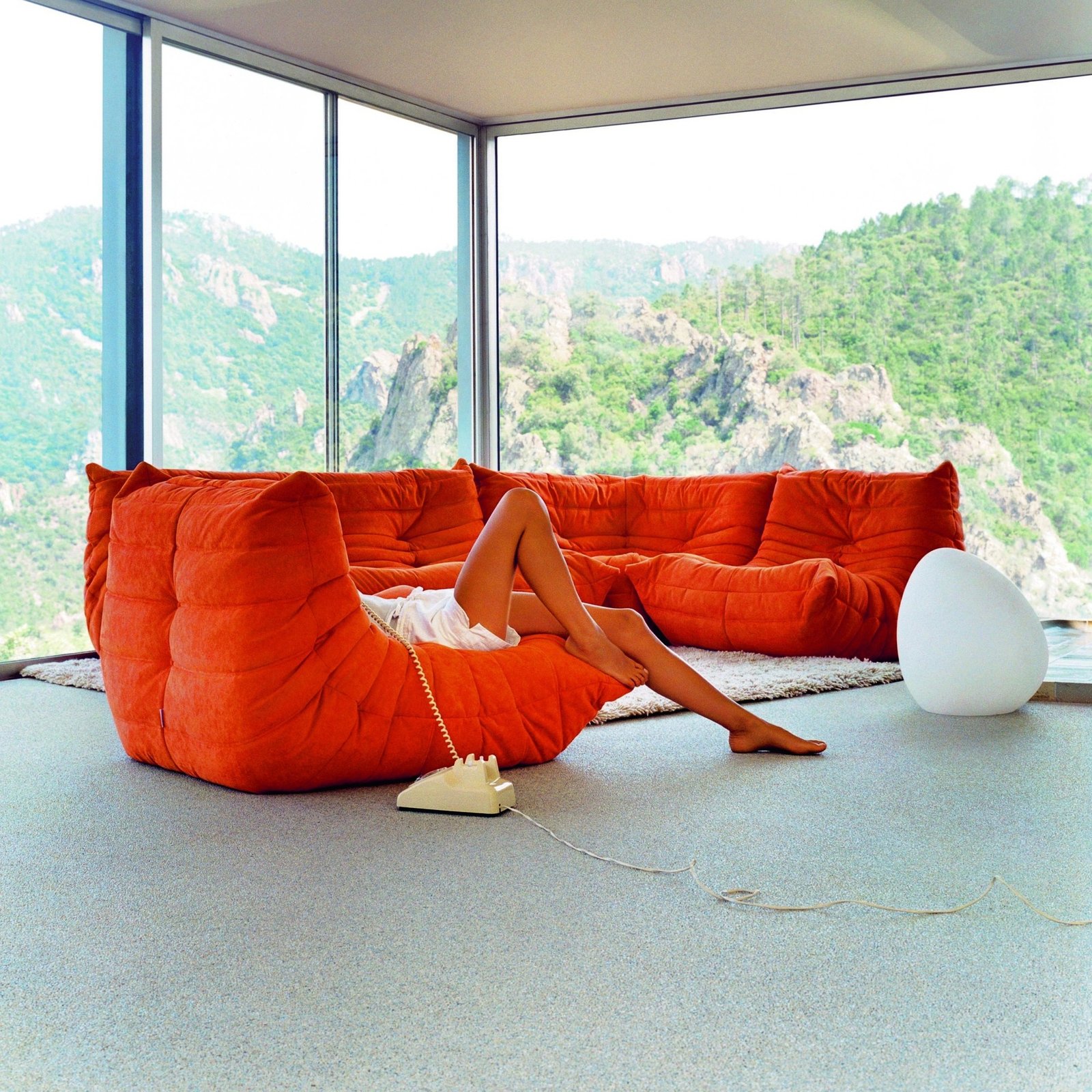
Individual modules can stand apart or form a longer arrangement, including a corner or a U-shaped group. This gives the living room several possible centres: a conversation circle, a view, or a shared screen. Turning a module changes who faces whom, while leaving clear passage around the arrangement remains a separate task.
The upholstery requires equal attention over time. Its shaped attachment differs from a loose domestic slipcover. Re-covering must preserve the connection between the foam and the folds, while the condition of the internal support remains important even when the outer material looks renewed.
✦ ArchUp Editorial Insight
Domestic informality becomes a spatial system when furniture makes some postures and social arrangements easier than others. Togo’s low, reclined position supports a living room organised around lounging rather than upright reception. That choice lowers the visual horizon, but it does not remove the practical demands of movement, reaching and standing. Its modularity offers a second form of freedom: the household can change the seating relationship without replacing the entire group. Yet rearrangement remains bounded by room dimensions, table positions and clear routes. The construction carries a similar trade-off. Removing a rigid frame concentrates the work of support in foam and upholstery, making the condition of those materials central to the object’s continued use. A renewed cover cannot by itself demonstrate renewed support. The useful measure of longevity is therefore how the whole assembly performs through use and repair, rather than how long the silhouette remains fashionable. Seen this way, Togo is a small piece of domestic planning: it distributes posture, attention and circulation through a soft structure whose consequences extend into the room around it.
Design: Michel Ducaroy, 1973. Manufacturer: Ligne Roset.