Cabane 7L: Ecological Intelligence in Villa Medici Gardens

Geometric Rigour and the Spatial Experience
The spatial experience in the Villa Medici gardens is founded on a precise kinetic contrast; the visitor undergoes a moment of transition from the peripheral walkways, designed with carefully calibrated dimensions to enhance a sense of grandeur and visual extension, into an internal grid composed of sixteen orthogonal compartments known as the “Carrés” or “I Quadrati.” This strict layout imposes regulated movement paths on human circulation, where shadows cast by tree masses intersect with the geometric lines of the pathways. The space here transforms from a mere garden into a scenographic phenomenon that highlights Cardinal Ferdinando de’ Medici’s desire to assert control over nature and reconfigure it, as this Design language serves to reinforce political identity through the imposition of geometric order upon the living environment.
Climatic Precision and Bio-Interaction
The garden transcends its ornamental function to become a productive infrastructure and an integrated scientific laboratory that interacts with the path of the sun and the movement of air. This bio-interaction relies on precise orientation and early environmental structures to regulate microclimates and protect sensitive plant species; pergolas, loggias, and heated lemon houses (Limonaie) play a functional role in managing light, shade, and temperature variations. This material deployment of Architecture elements creates a psychological and physical experience in which the user feels a transition between shifting climatic environments within the same plan. The garden was not merely a shelter for rare botanical species from various countries, but rather an embodiment of Renaissance logic that links scientific curiosity with productive abundance; through the cultivation of medicinal herbs, vegetables, and fruit trees in a structural interweaving that merges economy with beauty.
Environmental Structure and the Politics of Space
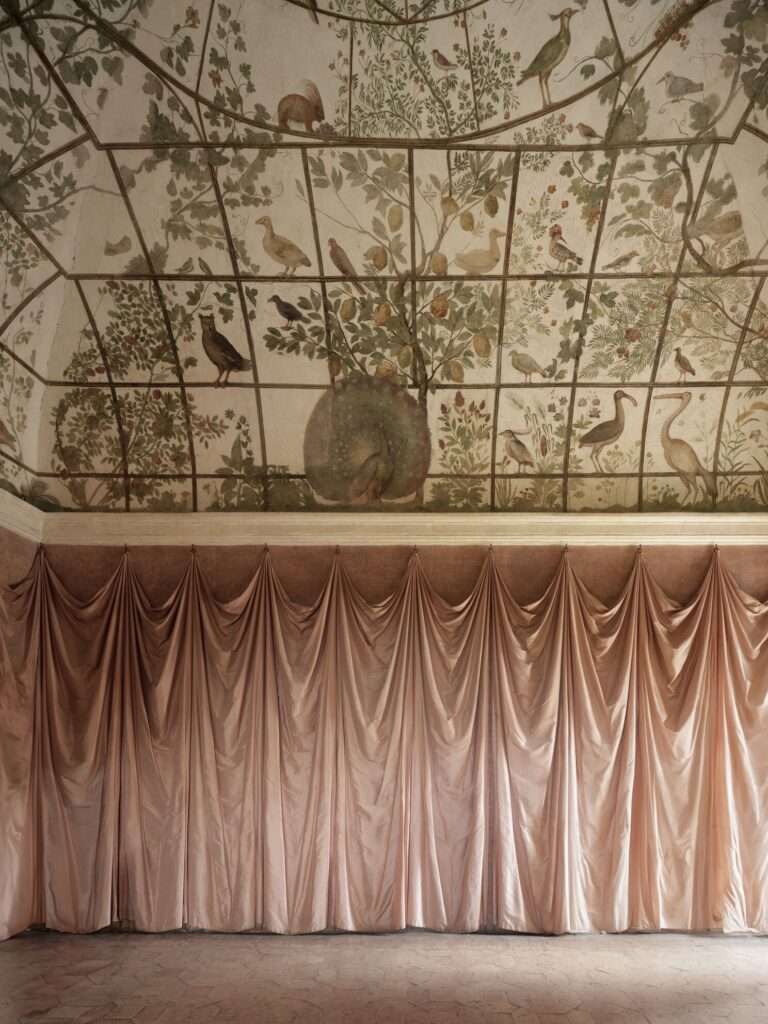
The Villa Medici gardens are established as a rigid geometric system that subjugates nature and transforms it into an instrument for producing political meaning; the Carrés functioned simultaneously as agricultural extraction mechanisms and visual display units within a precise and legible spatial field. A scenographic reading of the historical space reveals the role of early environmental techniques in organizing movement, light, and air without isolating them; this is documented in Jacopo Zucchi’s frescoes within the “Stanza degli Uccelli” (Room of Birds), where lightweight and permeable pergolas are depicted. This developmental logic, later embodied in early Limonaie and heated structures (Stufe), reflects an early desire to control sensitive microclimates in order to integrate rare plants into a political identity system, anticipating the historical emergence of Construction methods and greenhouses in Europe.
Counter-Structures and the Contemporary Scenographic Shift
In contrast to the territorial ambitions of the Medici family and the cultural diplomacy of the French Academy, the contemporary historical layers of the garden reveal a transformation in heritage practices that merge environment and craftsmanship. In this context, the “Cabane 7L” project emerges as a counter-structure to rigid traditional infrastructures; it is a temporary, lightweight, and permeable system that does not aim to impose a new visual frame as much as it seeks to reframe and reinterpret the historical space. This Research intervention allows the user to experience an alternative human condition based on air, time, and observation, where architecture becomes a tool for producing attention, contemplation, and dwelling, activating the latent spatial intelligence of the landscape through an environmental thesis that departs from classical monumental logic.
Mural Representation and Spatial Passage
The human experience within the garden shifts from simple passage to a conscious act of observation and discovery, as clearly expressed in Jacopo Zucchi’s frescoes; rows of fruit trees supported by agricultural structures (Spalliere), rare birds, and exceptional small creatures are depicted. These spatial elements, alongside pergolas that filter incoming light through the Carrés, generate a dynamic interaction in which light and shadow intersect with movement paths. This scenographic use of early environmental structures transforms the garden system from a purely agricultural space into a fully integrated architectural experience with both material and psychological impact on the user. For more on historical spatial systems, explore the Archive of garden designs.
Functional Transformations and Continuity of Logic
The historical oscillation of the Carrés between productive agricultural use and decorative display reflects the political and economic transformations that the site has undergone. Power over the space shifted from its role as a Medici outpost in papal Rome, to the headquarters of the French Academy, and later to its function as a cultural institution. Despite these changes, the underlying architectural logic governing the Carrés has remained constant; each Carré continues to operate as an independent, self-contained geometric world, continuously reinterpreted and reshaped by successive custodians across time. Various Architecture Competitions have explored similar themes of adaptive reuse in historic gardens.
Ecological Intelligence and Kinetic Experience
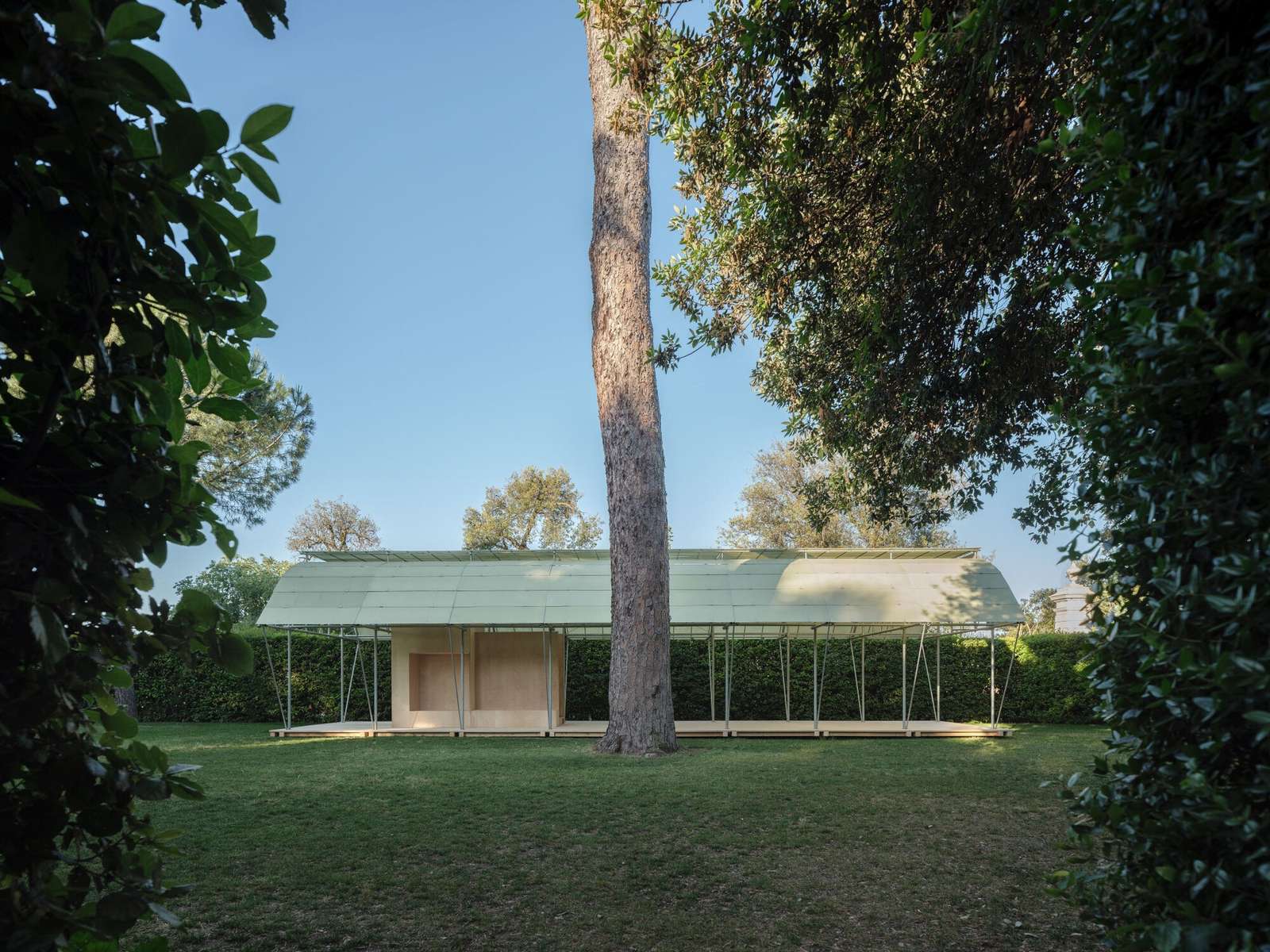
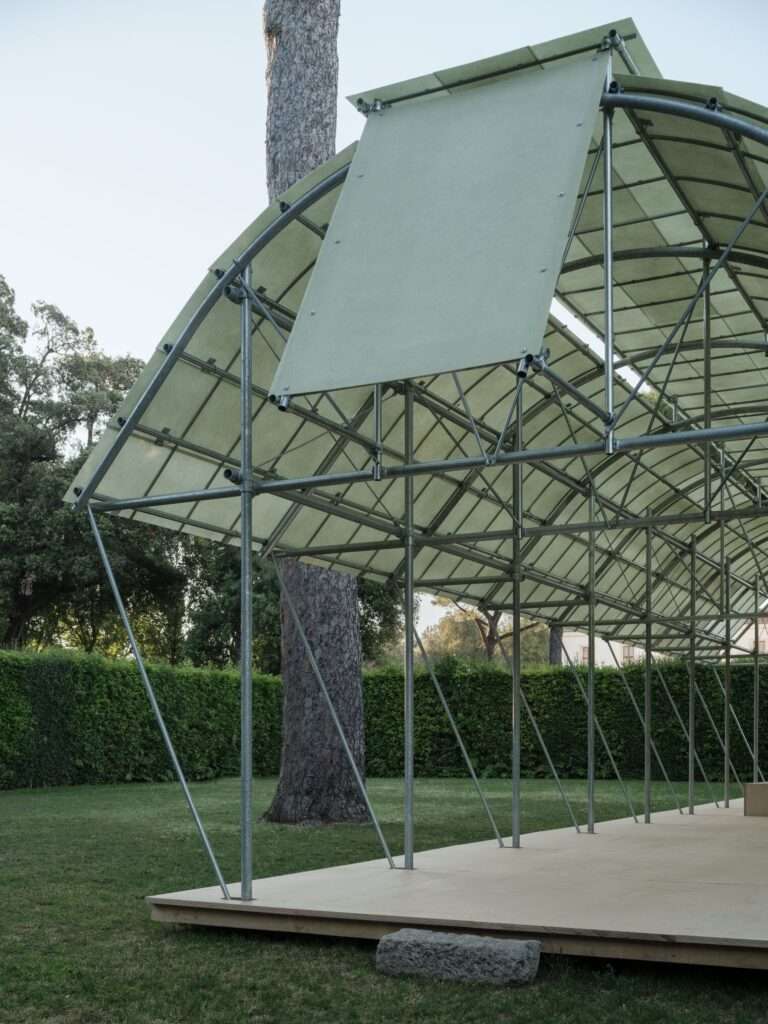
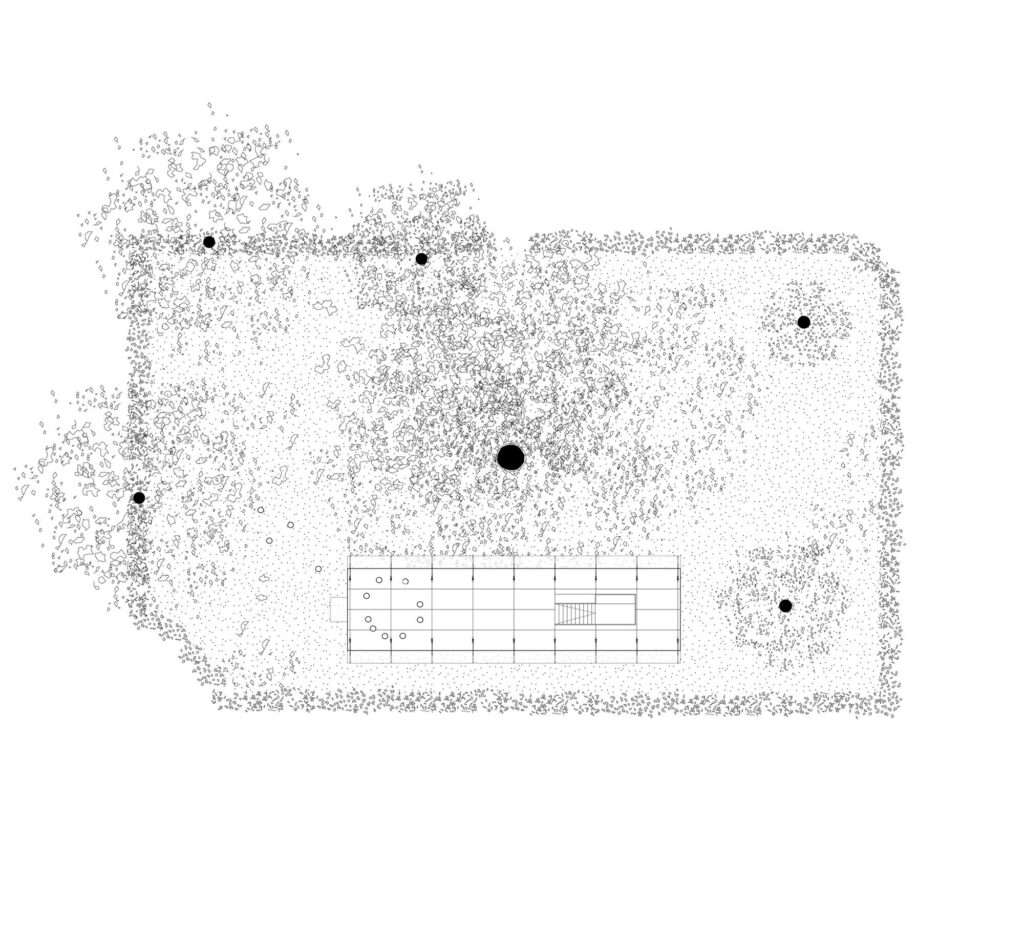
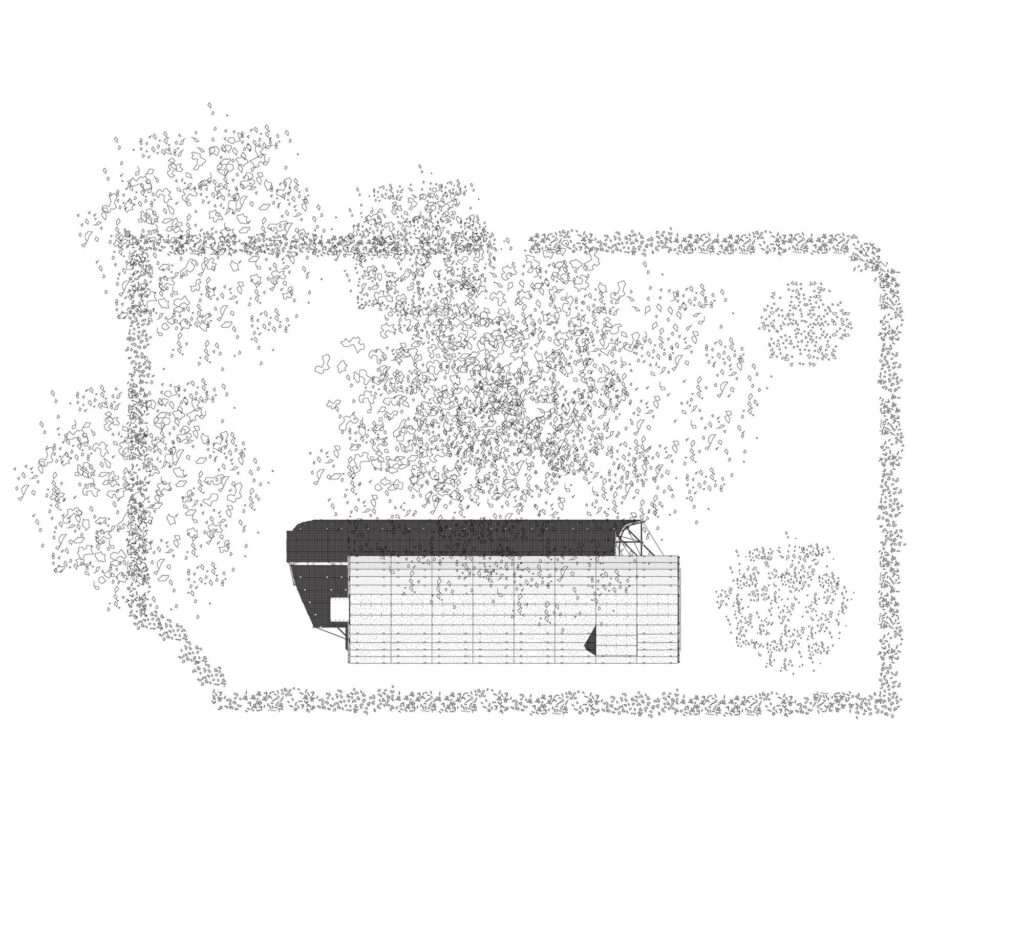
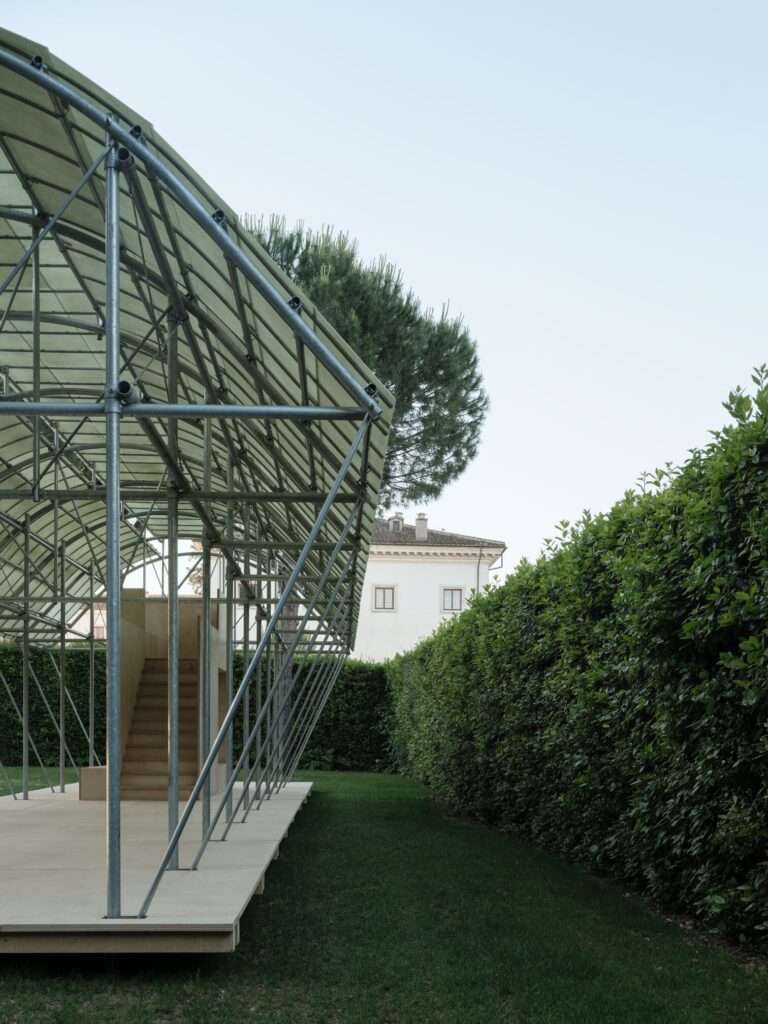
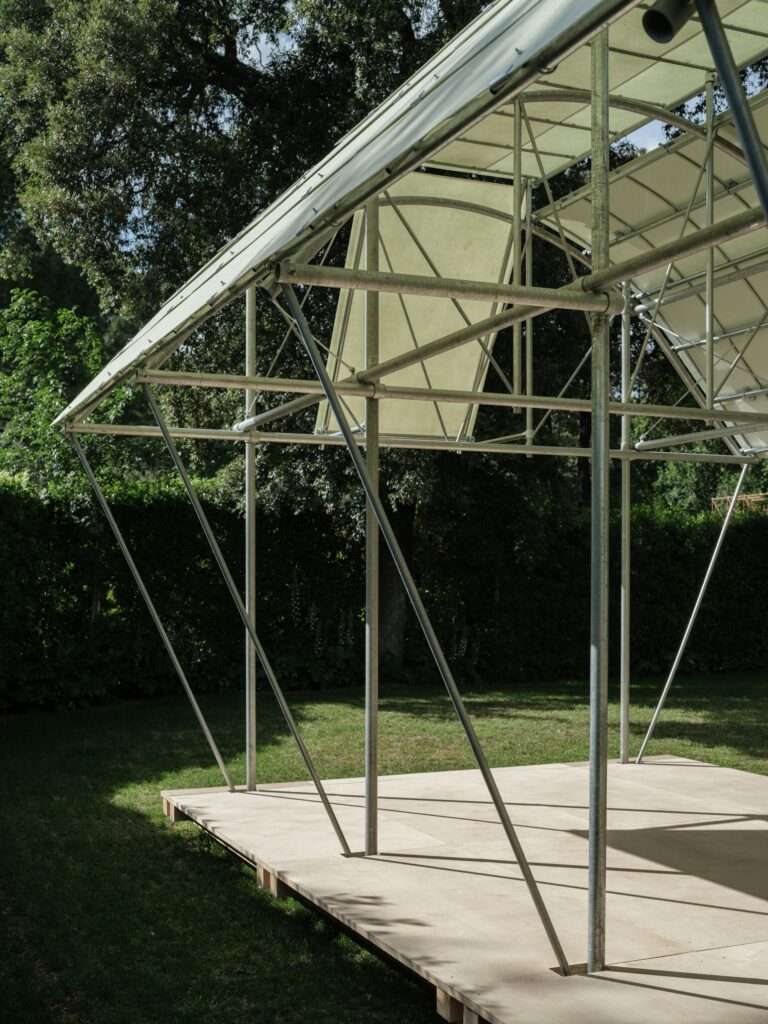
The project is situated within the “Carré du Pin” in order to reawaken the ecological intelligence historically embedded in pergola systems, materialized here as a contemporary lightweight structure with a vaulted roof. Within this framework, the visitor experiences a condition based on fluid movement and permeability; the structure weaves circulation paths and airflows through the garden without isolating it, transforming the space into a canopy dedicated to rest and contemplation. This platform allows the user to direct their gaze in two complementary directions: outward toward the strict geometric grid of pathways, and inward toward the dense vegetal enclosure that defines the space’s identity, creating a scenographic balance between visual openness and spatial enclosure. The use of Building Materials in such lightweight interventions is critical to their ecological performance.
Scenographic Interaction and Cultural Dynamism
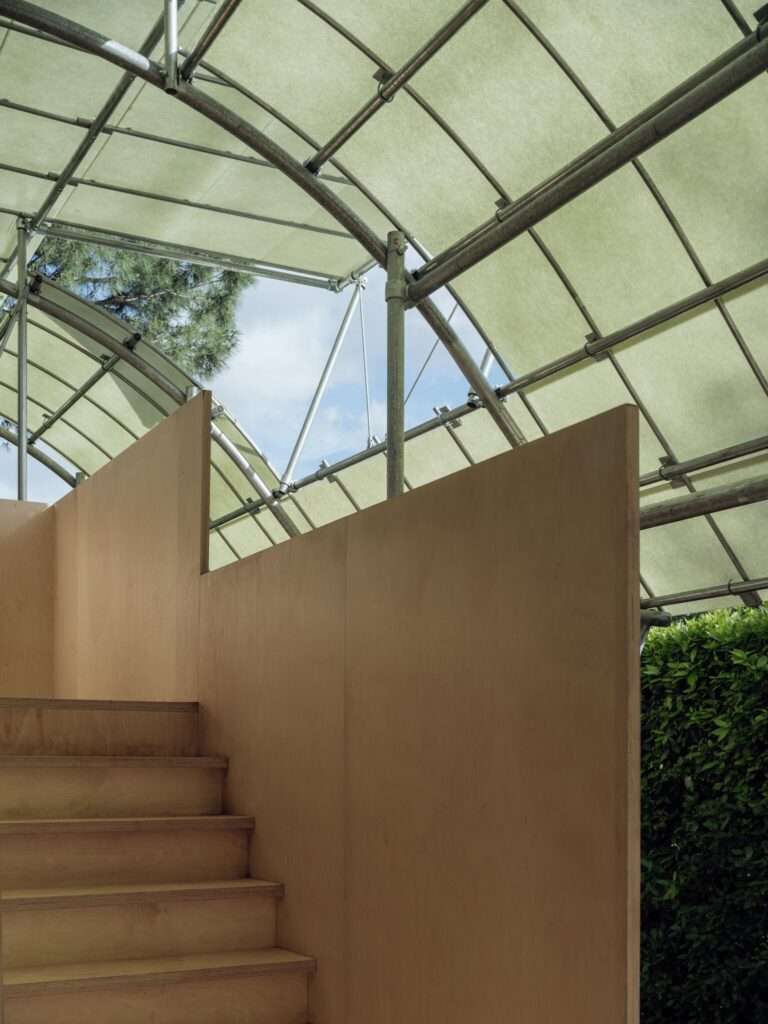
An internal staircase leads the visitor to a small suspended “nest” within the structure, where the psychological and physical perception of space shifts into an intimate environment intended for reading, listening, or observing the changing light, shadows, and solar trajectory over the Roman skyline. During the summer months, this spatial and climatic device becomes an active structure supporting the cultural programming of Villa Medici, hosting artistic performances, literary readings, and workshops among the vegetation. In doing so, the project reactivates the desire to inhabit the garden from within, continuing a tradition of light, adaptive interventions that historically mediate between horticulture, culture, and the evolving politics of landscape. Stay updated with Top News on similar contemporary interventions in heritage sites.
✦ ArchUp Editorial Insight
The text frames the historic villa garden as an early climatic engine in which spatial geometry enforces strict territorial control. Through the deconstruction of historical models such as lemon houses, gardening is reframed not as transient ornamentation but as an architectural infrastructure that regulates light, air, and political status, a lineage that continues into contemporary lightweight installations that transform solid architecture into permeable and dynamic pavilions. These contemporary installations often relate to broader Projects in landscape urbanism.
However, this analysis falls into a romanticized trap that overstates the subversive power of temporary structures; the celebration of lightweight installations as counter-structures overlooks the realities of contemporary cultural funding. These pavilions often function as aesthetic attractions that mask the rigidity of heritage conservation frameworks, separating radical environmental discourse from any real and lasting transformation in the urban fabric. For deeper insights, refer to the Architects Lobby discussions on sustainable heritage practices.