LEGO Recreates Gaudí’s Sagrada Família in Record-Breaking 12,060-Piece Set

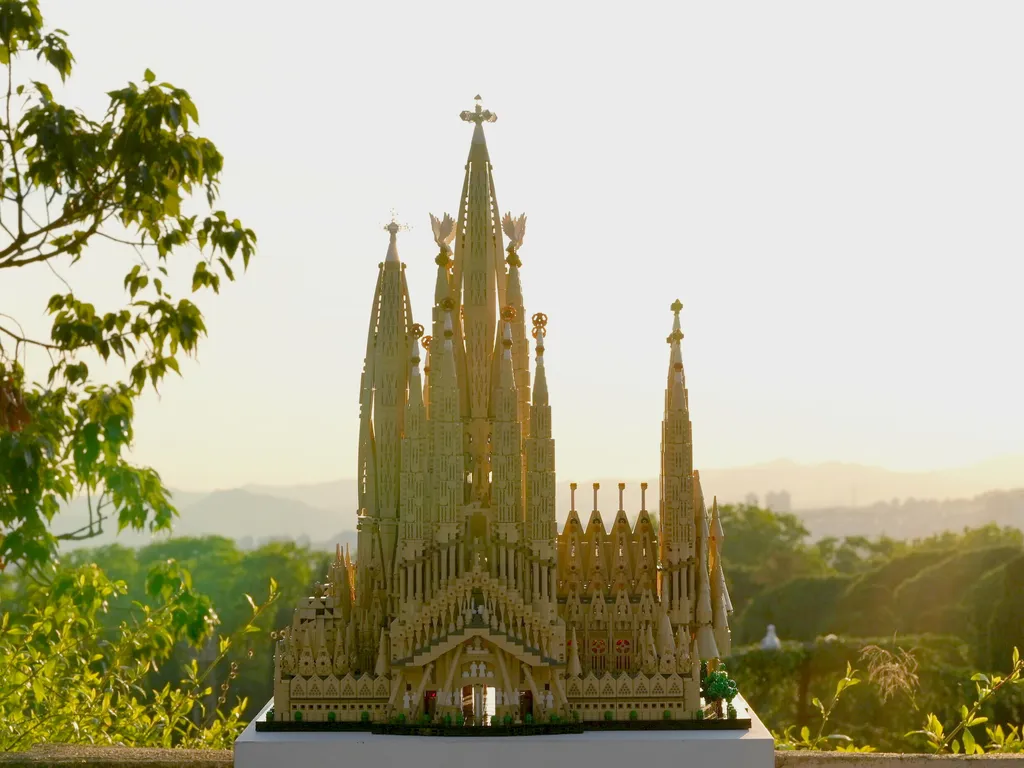
LEGO announced the largest set in its history this week, revealing a 12,060-piece recreation of Barcelona’s Sagrada Família as part of the LEGO Architecture series. The launch coincides with the 2026 centenary of Antoni Gaudí’s death and follows the recent completion of the Tower of Jesus Christ, which brought the actual basilica to its final structural height of 172.5 meters. This new model represents the most complex design within the company’s portfolio, offering a technical interpretation of the ongoing Mediterranean construction project.
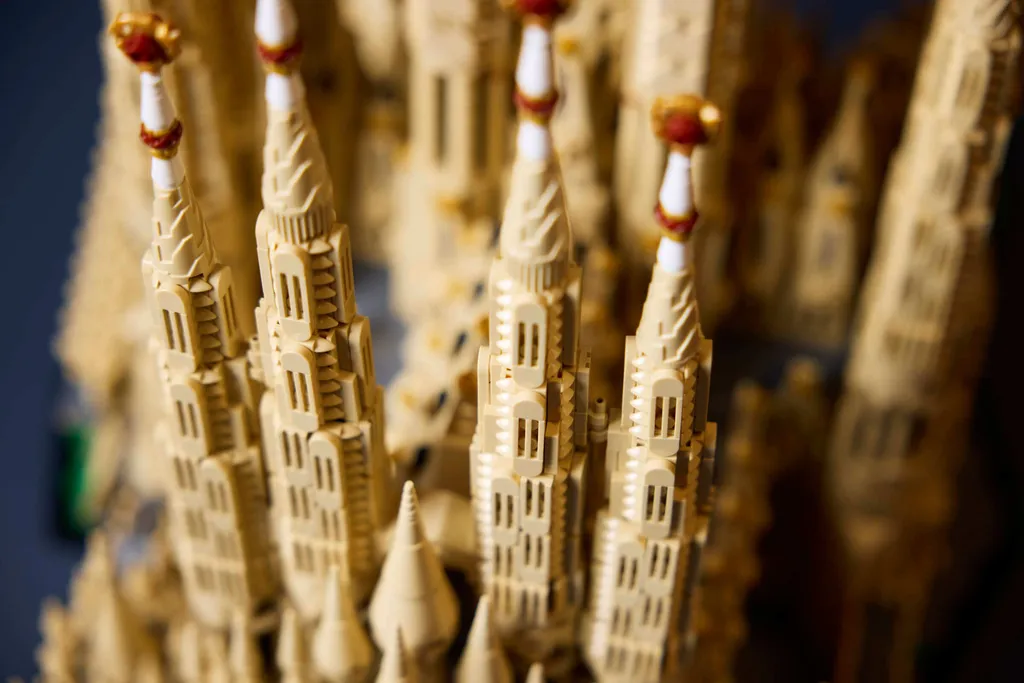
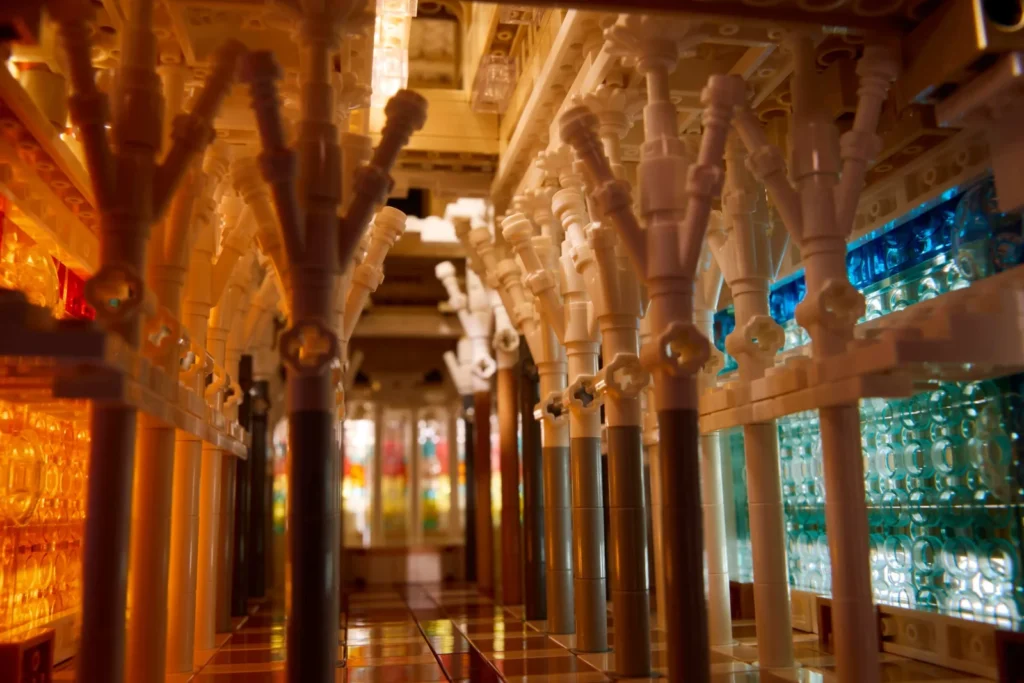
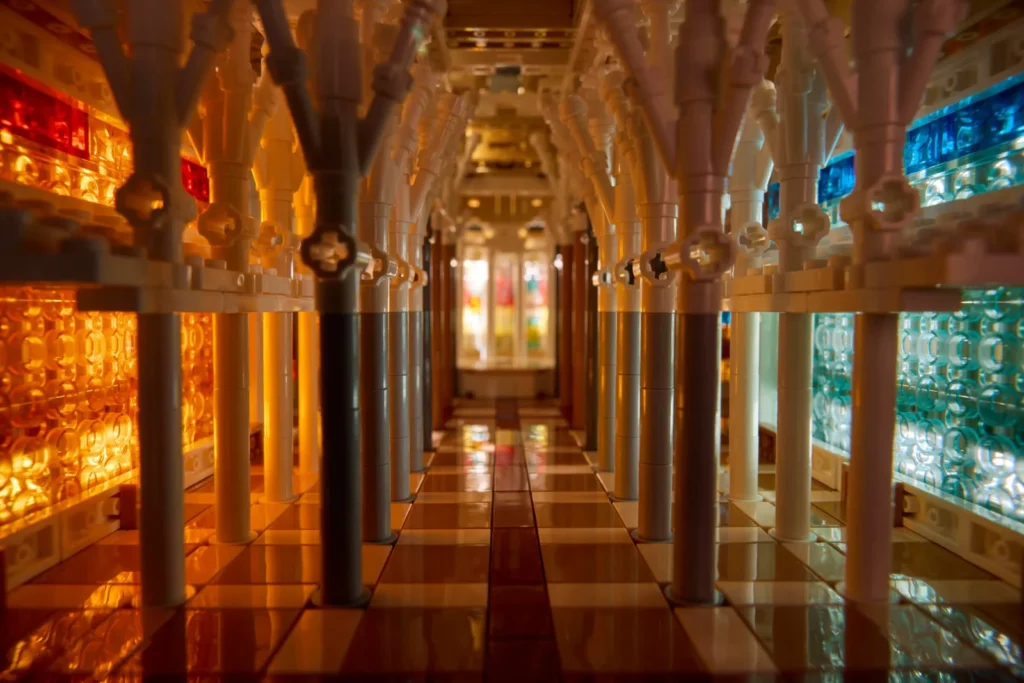
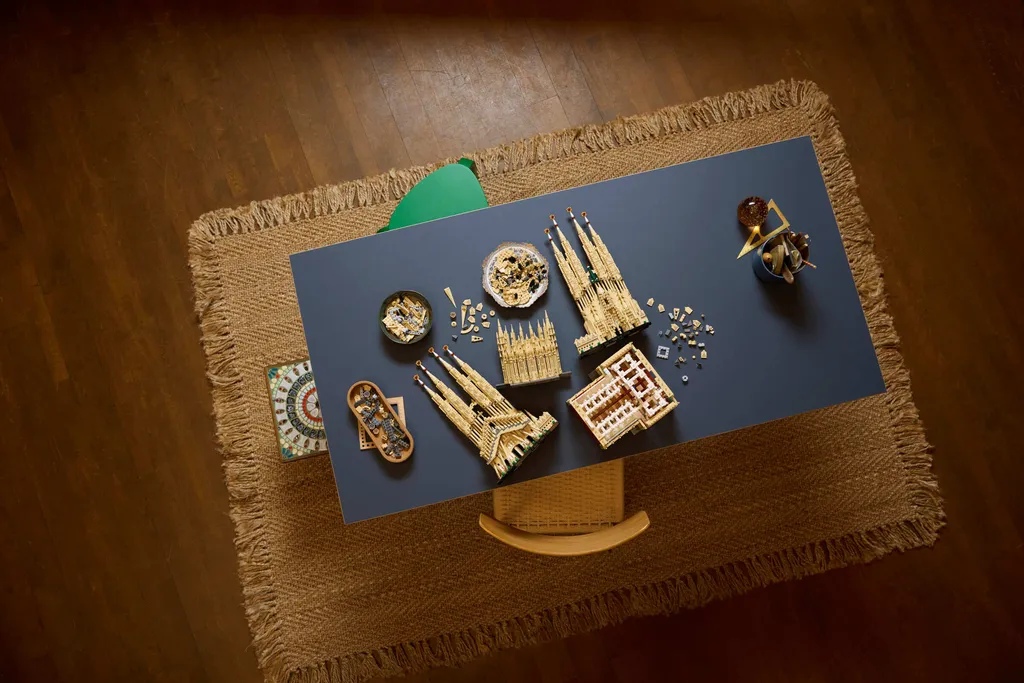
The model stands 62 centimeters tall, 47 centimeters wide, and 39 centimeters deep, translating the immense scale of the original architecture into a manageable but dense physical form. The design team utilized transparent and colored elements to simulate the internal stained-glass effects that define the basilica’s interior light conditions. This attention to detail extends to a 360-degree viewing capability, which allows users to inspect the sculptural complexity of the exterior alongside the internal spatial logic.
Chronological assembly mirrors historical construction
Unlike standard models that prioritize a purely aesthetic exterior, the assembly process follows the chronological evolution of the real building. Builders begin with the earliest construction phases, including the apse and the crypt. The sequence then moves through the Nativity and Passion facades before reaching the central towers and the Glory Facade. This narrative approach to the visitor—or builder—sequence connects the physical assembly of the blocks to the 140-year history of the site.
The project leader, Rok Žgalin Kobe, emphasized the responsibility of translating such a culturally significant monument into a modular system. The team focused on capturing the evolving nature of Gaudí’s vision, ensuring the brick-based version reflects the ambition and technical difficulty of the masonry and stone original. This focus on accuracy serves both as an educational tool and a tribute to the enduring buildings that define the Barcelona skyline.
“The design team sought to capture not only the physical appearance of the basilica but also the ambition, complexity, and evolving nature of Gaudí’s vision.”
The set enters a market increasingly interested in interior design objects that double as technical models. As the Sagrada Família moves toward its anticipated final completion, the release of this set provides a tangible record of its current state. LEGO scheduled the official release for November 2026, with pre-orders already open for collectors and enthusiasts worldwide.
✦ ArchUp Editorial Insight
This project signifies more than a toy release; it represents a sophisticated exercise in architectural translation. By mirroring the actual construction sequence of the Sagrada Família—from the subterranean crypt to the final central towers—the model serves as a three-dimensional pedagogical tool. It communicates the temporal scale of Gaudí’s work, which has spanned over a century of evolving technical capabilities. The inclusion of 12,060 pieces allows for a level of tectonic granularity that standard models lack, effectively capturing the transition between the organic stone forms of the Nativity facade and the more geometric rigor of the modern towers. This intersection of digital manufacturing and historical masonry honors the basilica’s complex legacy.
Project Team: LEGO Architecture; Rok Žgalin Kobe (Lead Designer). Location: Billund, Denmark (Design HQ) / Barcelona, Spain (Inspiration).
Project Notes: Scheduled for release in November 2026; features 12,060 pieces; 360-degree viewing design; pre-orders currently available.