World Architecture Day 2026: A Platform for Architecture Still Being Written

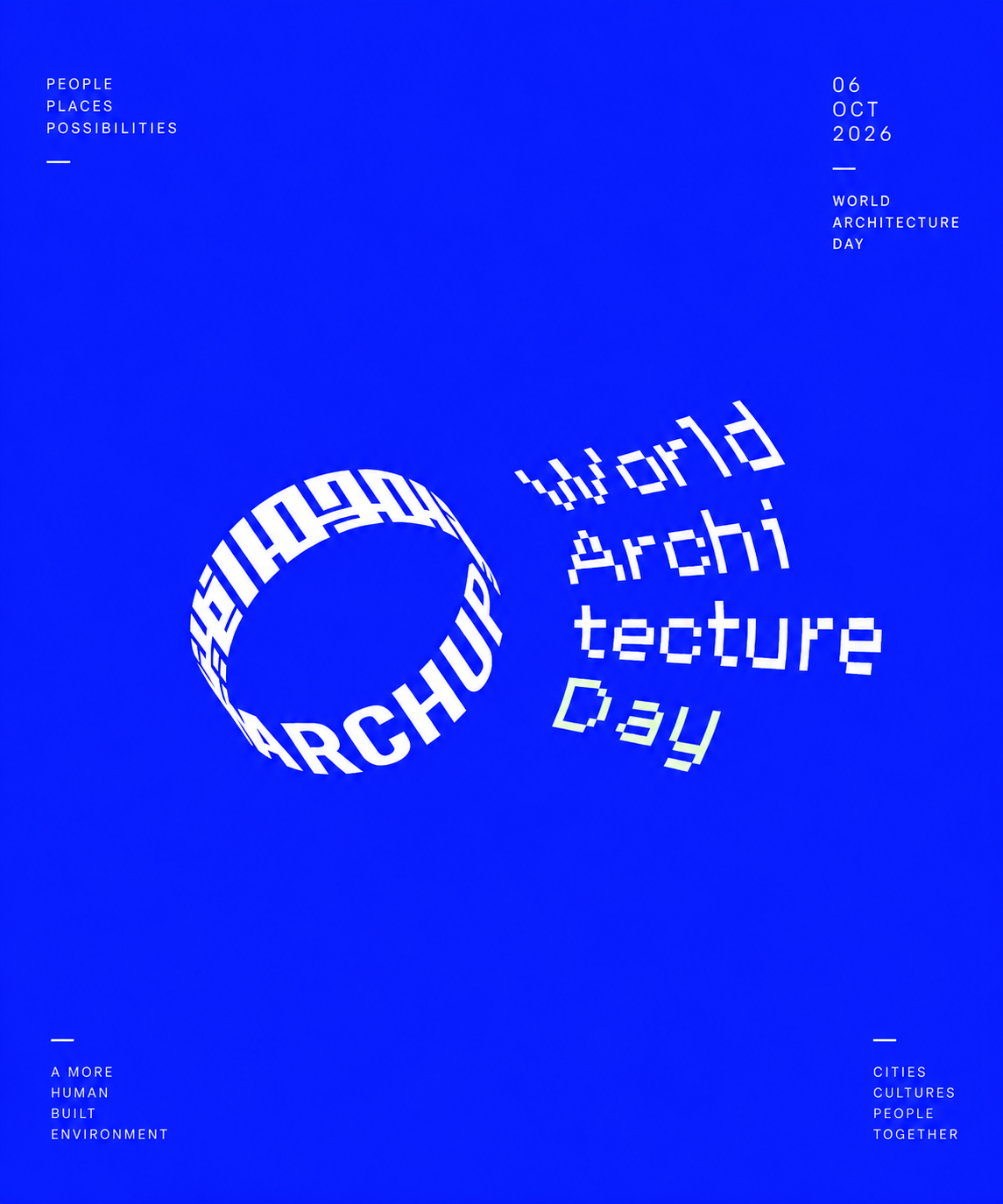
World Architecture Day arrives this year on 5 October 2026, under the international theme Housing is a Human Right. Build It. The date is not only a professional observance. It is a reminder that architecture is never merely an image, a market category, or a public-relations surface. It is one of the ways societies write their values into space.
For ArchUp, this day carries a particular meaning. The platform was built around the conviction that architecture deserves a slower and more serious record: one that can hold buildings, cities, materials, labour, memory, policy and criticism in the same field of attention. Over the years, this work has grown less as a campaign and more as an archive of questions. What does a building reveal about the society that produced it? How does a city absorb technology? Where does housing cease to be a commodity and become a condition of human dignity?
Architecture beyond ceremony
The easiest way to celebrate architecture is to reduce it to landmarks. The harder task is to read the systems behind those landmarks: the bus door that changes the rhythm of a street, the domestic threshold that reorganizes social life, the office that produces observation, the construction detail that turns labour into form. This is the terrain where architectural writing becomes useful.
That is why ArchUp has invested in essays and research notes that treat architecture as evidence. In The Grammar of Architecture, the built environment is read as a language of proportion, repetition and memory. In The Door Is the Smallest Urban Plan, a minor transit element becomes a way to understand time, flow and public space. In The City the Machine Made, and the City It Ate, technological change is examined as an urban force, not only an economic one.
Other pieces extend this reading into risk, inheritance and tacit knowledge. The Same Fire That Warms the House Can Burn It Down considers the double nature of comfort and danger, while The Knowledge That Was Never Written Down looks at architectural intelligence before it becomes formal documentation. Together, these articles point to a larger editorial position: architecture is not only what is built, but what a culture learns to notice.
A stronger web archive for a stronger discipline
ArchUp’s choice to work through the web is not incidental. A serious architectural archive needs to be searchable, revisitable and internally connected. It must allow an article about housing to speak to an article about infrastructure, and a reflection on memory to sit beside technical notes on materials, façades, or construction systems. This is how a platform becomes more than a stream of updates.
On World Architecture Day, ArchUp is proud to have contributed to this kind of architectural record: one shaped by research, editorial care and a belief that new architectural knowledge can be written from within the region while remaining open to global questions. The work is still unfinished, and that is precisely the point. Architecture itself is unfinished. It is revised by every city, every shelter, every crisis and every act of building.
To celebrate architecture, then, is not only to admire what already stands. It is to keep asking what should be built, what should be repaired, what should be remembered, and what kind of human life our spaces are quietly preparing.