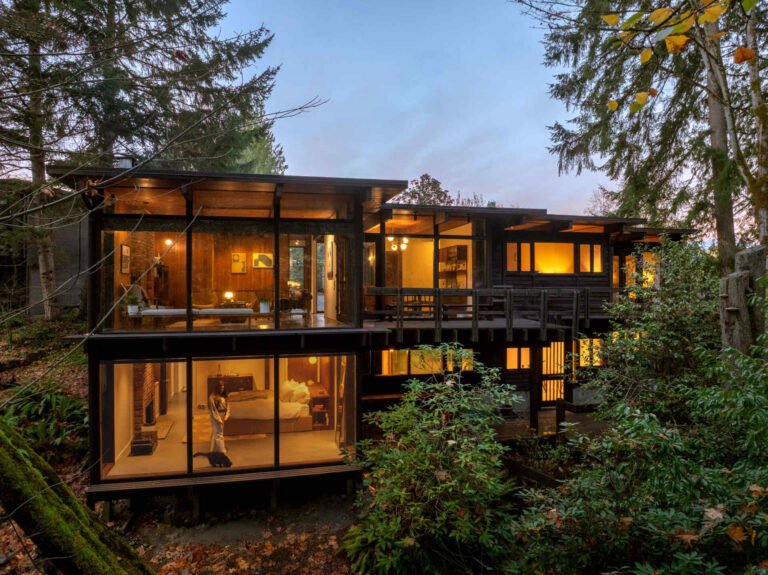
Marset Barcelona Balances History and Contemporary Design


Eclectic Composition and the Balance Between Past and Present
The project’s architectural identity is founded on an eclectic design language that brings together contemporary architecture and subtle historical references within a unified composition, creating a balanced dialogue between the past and the present without privileging either. This approach is expressed through the integration of abstract contemporary design elements alongside understated references to design heritage, resulting in a visual identity that transcends temporary trends and aspires to achieve enduring design value. In this way, the contrast between old and new becomes a means of shaping the character of the space rather than a superficial juxtaposition of elements from different eras.
Artistic Inspiration and the Formation of Visual Identity
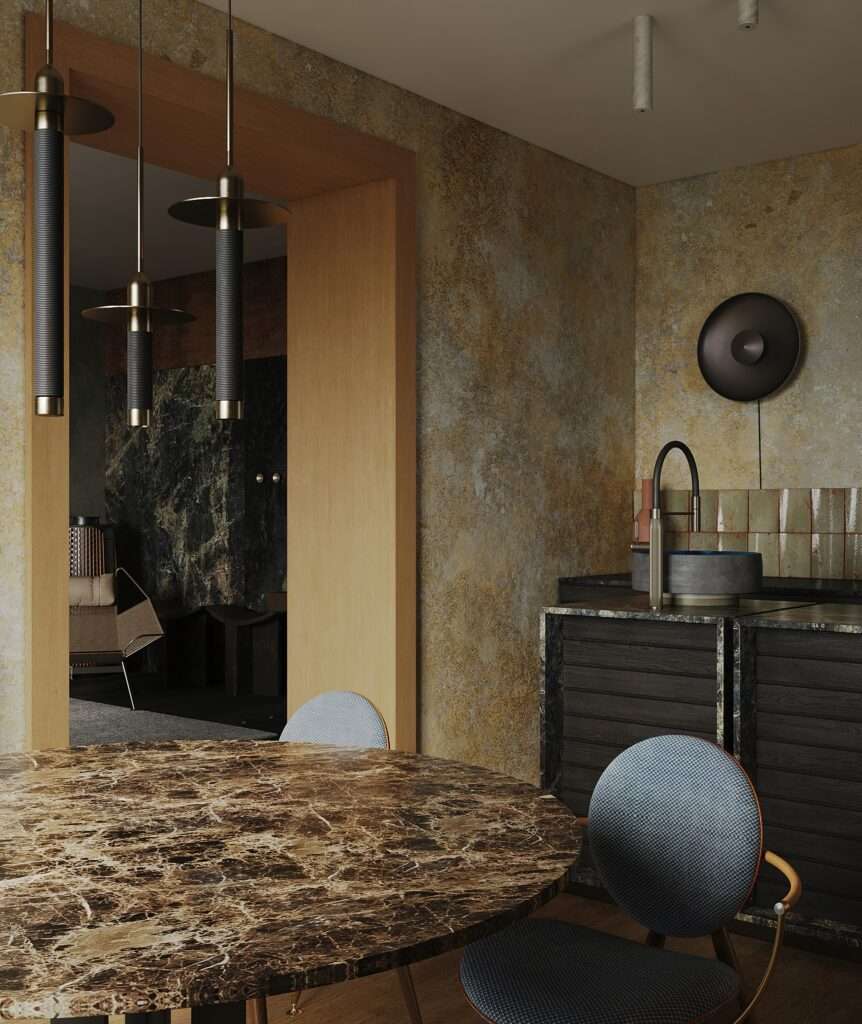
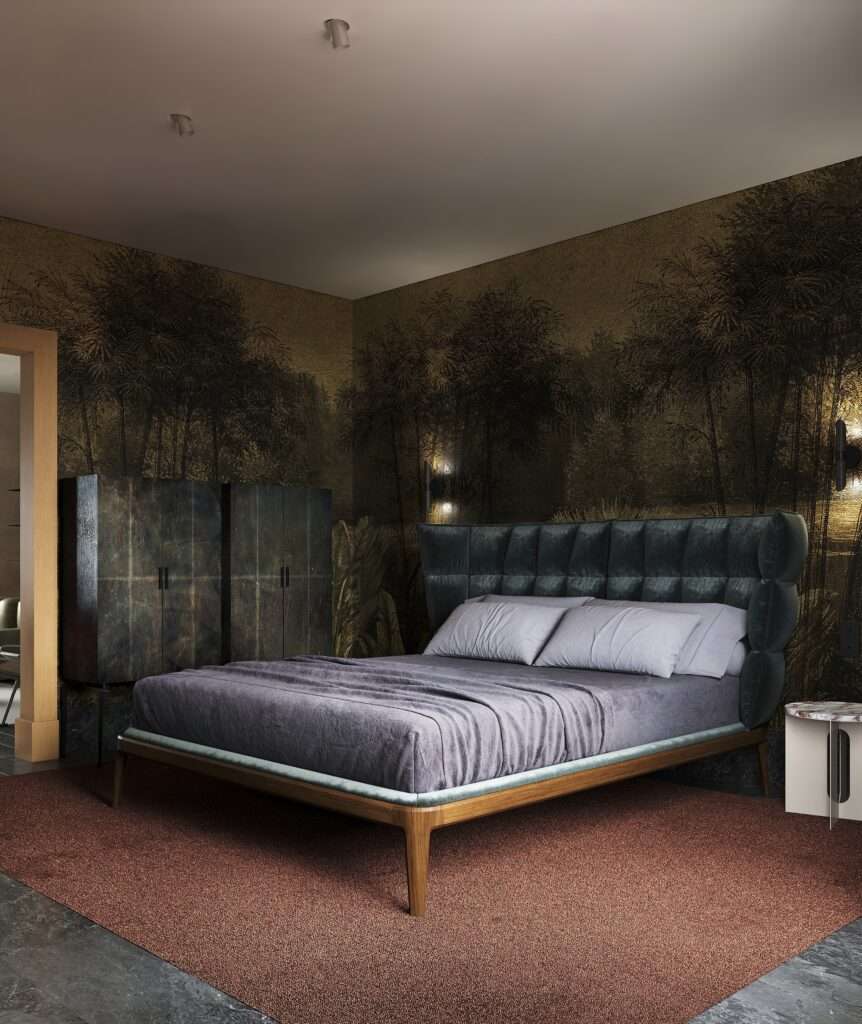
The project’s aesthetic language draws part of its identity from the works of the Danish painter Ebba Nina Beck Carstensen, whose influence is reflected in the bold use of color and the expressive character of the interior compositions. Rather than being translated into direct imitation, this artistic reference serves as a source of inspiration that enriches the visual experience and gives the spaces a distinctive identity. Through this approach, contemporary design elements are integrated with artistic influences to create an interior environment that balances vibrancy with refinement while reinforcing the project’s unique design identity.


Custom Furniture and the Formation of Interior Identity
The project’s distinctive character is achieved through the combination of iconic Danish design classics and bespoke furniture pieces created specifically for the space. This synthesis extends beyond visual diversity to establish a balance between design heritage and contemporary solutions, allowing each element to retain its individual character within a cohesive interior composition. As a result, the project develops a design identity that neither reproduces classical models nor rejects them, but instead reinterprets them through a contemporary architectural vision.
Bold Color Palette and Visual Composition
Bold and dynamic compositions reinforce the project’s visual identity through the deliberate use of color and carefully selected design elements that reflect a desire to move beyond conventional approaches to interior design. This strategy is not intended merely to capture attention, but rather forms part of a broader design philosophy aimed at giving the space a distinctive character that differentiates it from standardized solutions while maintaining a level of balance consistent with the artistic references upon which the project is based.

✦ ArchUp Editorial Insight
The project redefines eclecticism as a conscious design strategy rather than a superficial fusion of modernity and heritage. By integrating contemporary design vocabulary with subtle historical references, and combining iconic Danish furniture with custom-designed pieces created specifically for the space, it establishes an interior identity that transcends short-lived design trends. Artistic inspiration likewise becomes a tool for constructing a cohesive visual experience, reinforcing an understanding of design as an ongoing cultural process within the broader architectural context.
However, this perspective places greater emphasis on the project’s aesthetic narrative than contemporary practice may ultimately permit. The coherence of a design identity is determined not only by artistic inspiration and historical references, but also by practical considerations such as construction costs, supply chain constraints, maintenance requirements, and the ability of the spaces to adapt to evolving patterns of use. Together, these factors may reshape the project’s priorities beyond the continuity of its visual image alone.