
The Architecture of Sovereignty and Water: How Floods Redesign Border Cities
On the spatial incongruity between security walls and natural flow paths, and the mechanisms of building back better in politically…
Research and critical inquiry into how buildings and cities are conceived, used and transformed. Articles examine spatial behaviour, design methods, technology and environmental performance, connecting architectural questions with evidence and their implications for practice.
Read related project studies, explore urban planning and material research, or consult our editorial guidelines for the publication’s approach to sources and analysis.

On the spatial incongruity between security walls and natural flow paths, and the mechanisms of building back better in politically…

ArchUp Desk —The concept of real estate has long been associated in the human consciousness with physical land, bricks, and…
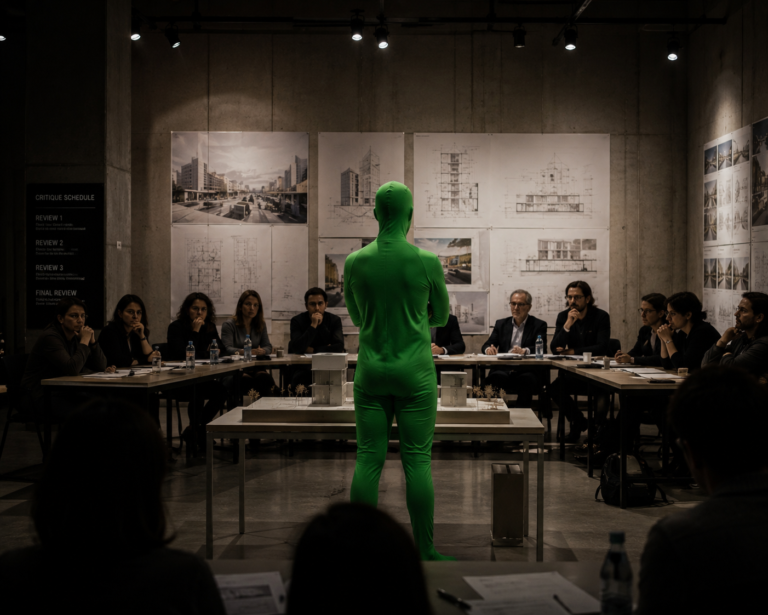
Staring at a blank CAD screen or an empty roll of tracing paper without being able to draw a single…
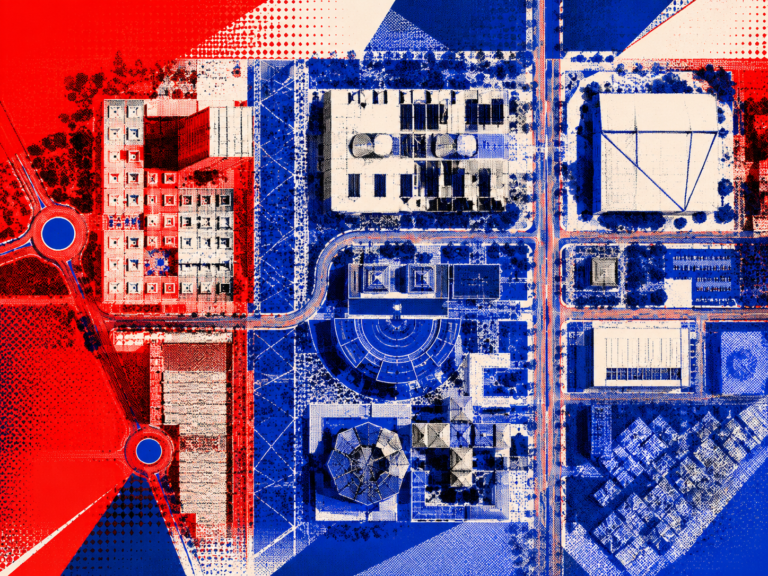
ArchUp Desk —The word “planning” often conjures images of rigid, top-down state control and centralized bureaucracy. However, modern urban development…
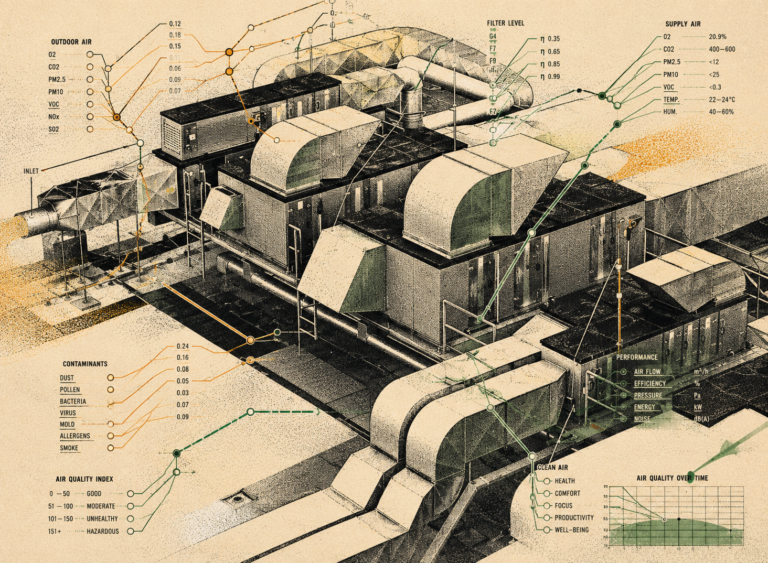
ArchUp Desk —In contemporary architectural discourse, indoor air quality (IAQ) is recognized as a fundamental metric for user well-being, especially…

When the conversation turns to Islamic architecture, the mind moves immediately toward the visible: domes and minarets, geometric ornament, the…

1. Introduction Earth dams represent critical infrastructure serving multiple strategic purposes, including irrigation, water supply, and flood control. The seismic…

Building envelope performance can no longer be reduced to a single thermal metric. Climate zone, wall orientation, material embodied carbon,…

Artificial intelligence is far more than a tool for generating facades or automating floor plans. This article examines AI as a civilizational substrate reshaping medicine, education, manufacturing, and the built environment through machine learning, deep neural networks, and autonomous decision-making. It also confronts the ethical, technical, and governance challenges these systems introduce, arguing that the future belongs to those who understand the machine as a new organizational foundation.
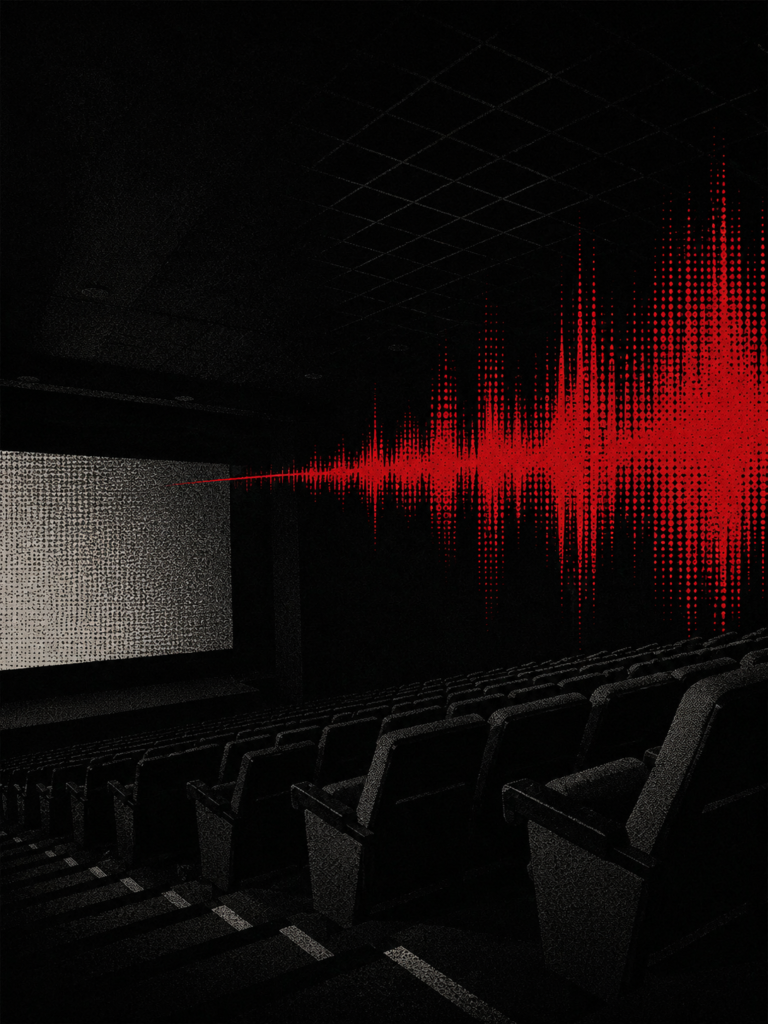
In modern cinema halls, the choice of dark materials is far more than an aesthetic decision — it is an acoustic contract. This article explores how sound absorption coefficients, reverberation times, and immersive audio formats like Dolby Atmos demand that architects and interior designers understand acoustic physics from the earliest material specification stages, not as an afterthought outsourced to engineers.

Architecture has always recorded what a society truly values, and Kant’s philosophy reveals why. Drawing on his concepts of a priori spatial cognition, the Categorical Imperative, and the sublime, this essay argues that every design decision operates as an involuntary psychological transaction. In 2026, when capital pressures eliminate ambition, spatial ethics demand treating occupants as ends, never means.

Modern conflicts increasingly rely on “cognitive and subversive” warfare rather than physical destruction, with urban infrastructure and spatial memory becoming…
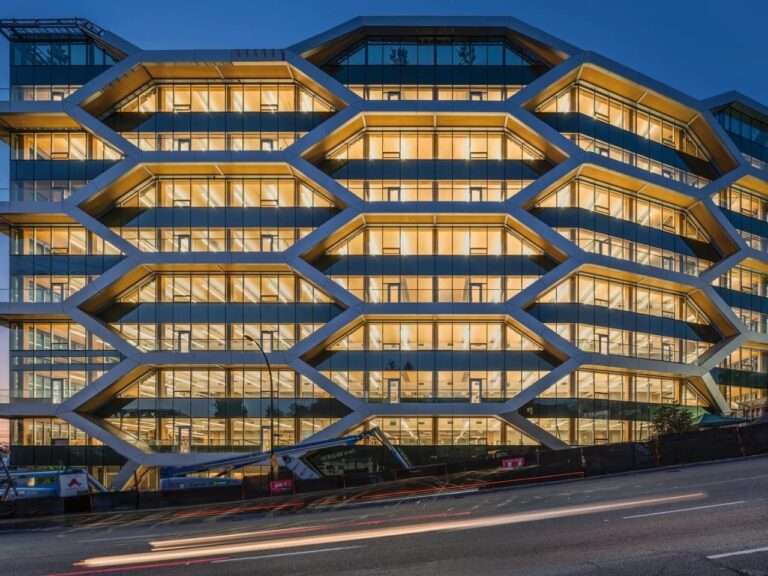
Engineered Timber Structural SystemThe building is located in the False Creek Flats district in Vancouver and consists of ten stories…
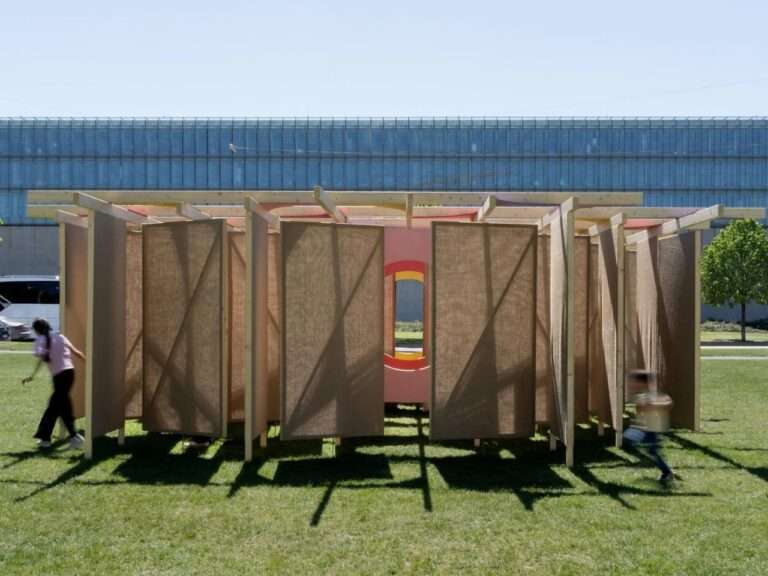
Digital Terminology Integration within Installation WorksWhen a colloquial term associated with Gen Z culture is used as the title of…

Parametric Architecture as a Design MethodologyParametric Architecture as a Design Methodology Certain architectural projects are used as case studies to…

Architectural Reading of the Overall Form ConceptThe project is presented as a family house composed of two separate volumes that…
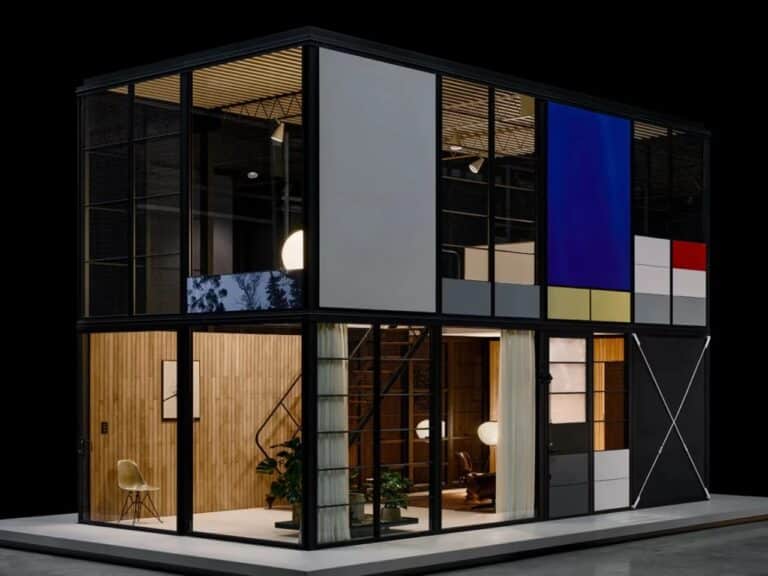
First Impression: An Image Beyond Visual DocumentationWhen one stands before an image of the Eames House, the scene may evoke…

Space as an Educational Tool in Early ChildhoodWithin the context of nurseries designed for the 0–2 age group, architecture is…

Between Reality and PerceptionAt first glance at the images of the Concrete Utopia project, it is easy to mistake it…
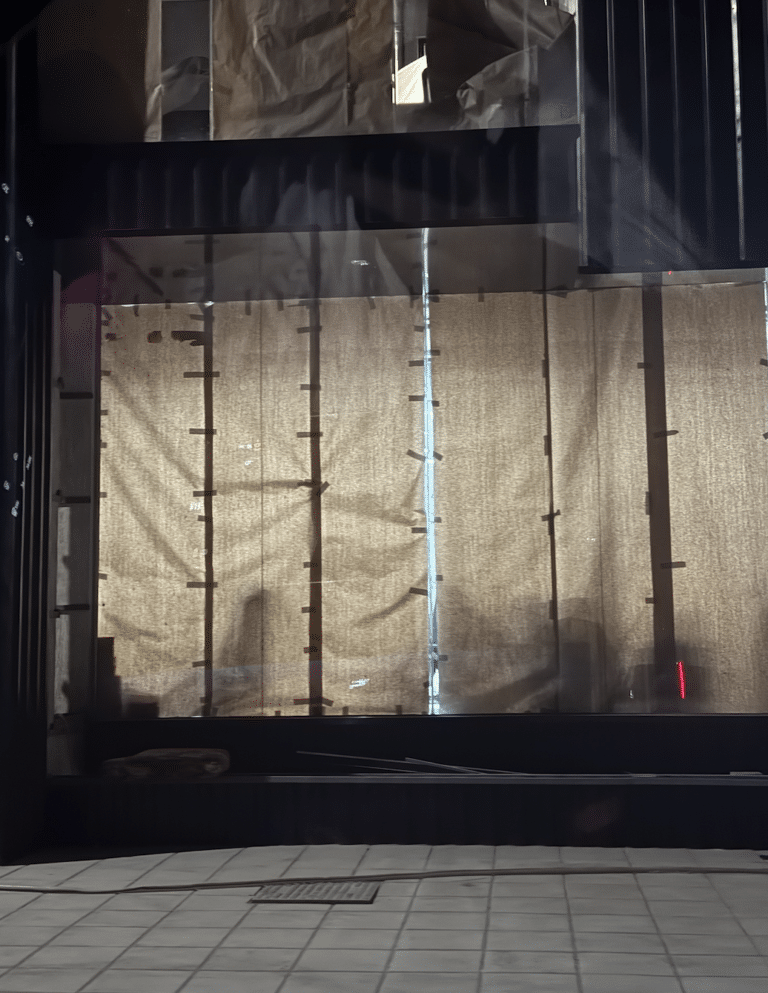
There is a specific and quiet tension that precedes the unveiling of a commercial space. In a recent project, one…

From Theory to Practice in Sustainable HousingArchitects typically study sustainable housing as a theoretical concept, but architecture professor Matti Kuittinen…