
When a Building Pays the Price for Its Environmental Silence
How Sustainability Reporting Evolved from an Administrative Burden into a Real Driver of Market Value in Architecture and Real Estate…
Research and critical inquiry into how buildings and cities are conceived, used and transformed. Articles examine spatial behaviour, design methods, technology and environmental performance, connecting architectural questions with evidence and their implications for practice.
Read related project studies, explore urban planning and material research, or consult our editorial guidelines for the publication’s approach to sources and analysis.
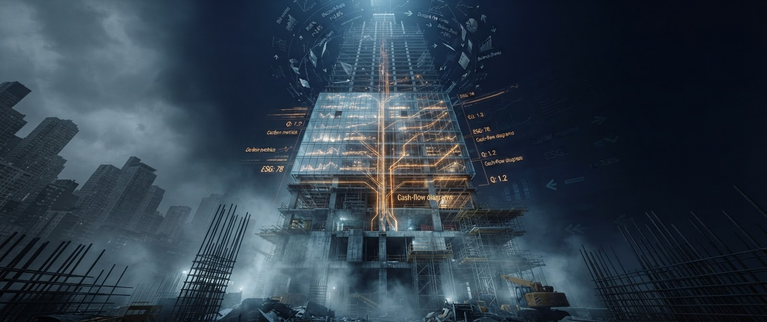
How Sustainability Reporting Evolved from an Administrative Burden into a Real Driver of Market Value in Architecture and Real Estate…
What architects need to know about designing green spaces that lower stress and treat dementiaIn 2000 BC, the court physicians…
From the Age of Pisces to the Age of Aquarius: The Buildings That Read the Cosmos, and the Cities That…
A research gap in cognitive psychology around the phenomenon of “jamais vu” may explain jury errors and confidence crises inside…
When Smart Space Becomes a Silent Adversary to the Minds That Inhabit ItThere is a paradox embedded in every “smart”…
What the cognitive Tetris research reveals about designing recovery centers and emergency roomsIn a crowded emergency department in Oxford, survivors…
How Hip Fractures in the Elderly Expose Hidden Fragility in Homes and Hospitals Before They Expose Fragile BonesThere is a…
From the leading-edge vortex on a fly’s wing to wind modeling around skyscrapers, a journey through the calculations that changed…

Feng shui combines practical environmental design with metaphysical superstition. While the Compass School relies on unproven astrological calculations, the Form…

High-stress construction site environments often induce career anxiety and decision paralysis among engineering professionals. Applying psychological frameworks shows that developing…

Modern design professionals face cognitive fragmentation caused by hyper-engineered digital feeds and instant visual outputs. Rather than a personal lack…
When “Beauty” Is No Longer Enough of an ExplanationImagine walking through a narrow corridor, its ceiling pressing low, its walls…
What if the moment of sketching not the completed building were the true epistemic event?At a concert, no one asks…
pinal cord injury research exposes a dangerous architectural assumption: that a disabled person’s need for care is fixed rather than…

Design studios often function as extensions of a founder’s personal judgment and tacit knowledge rather than as formal organizations. This…
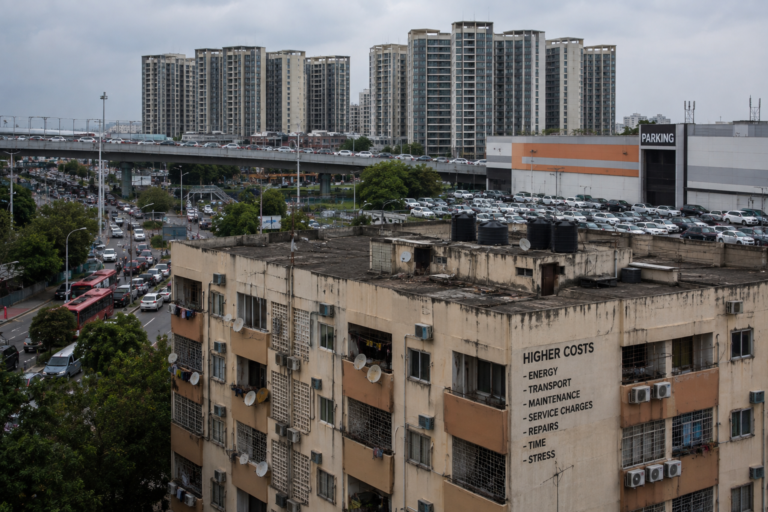
Beyond basic rent, housing costs include hidden expenses driven by architectural and planning decisions. This poverty premium forces low-income households…
How Digital Psychology Research Reveals the Hidden Logic of Public Space Design and Studio CultureInside a large shopping mall, there…
What Research on Skin Acidity Reveals About Our Failure to Design Care Environments for the ElderlyThere is a quiet paradox…
How does social masking convert into academic burnout fuel for neurodivergent students?There is a harsh paradox at the core of…
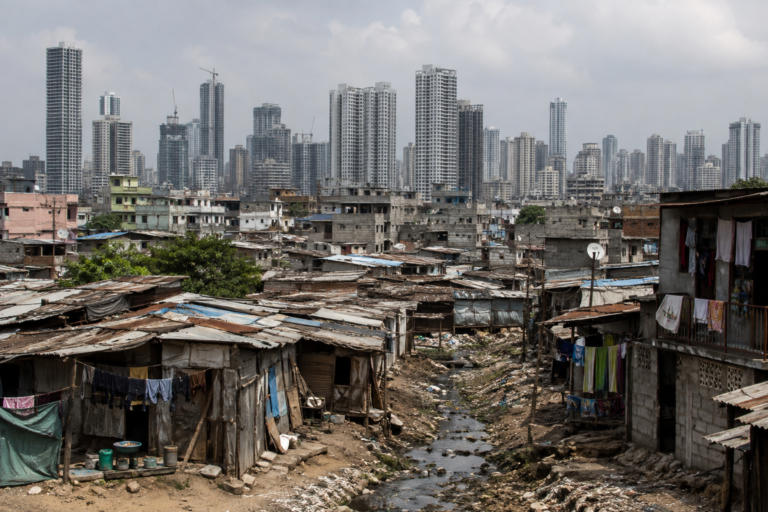
Architecture serves as an economic ledger for low-income families, reflecting and reinforcing their financial status. Land costs and tenure security…
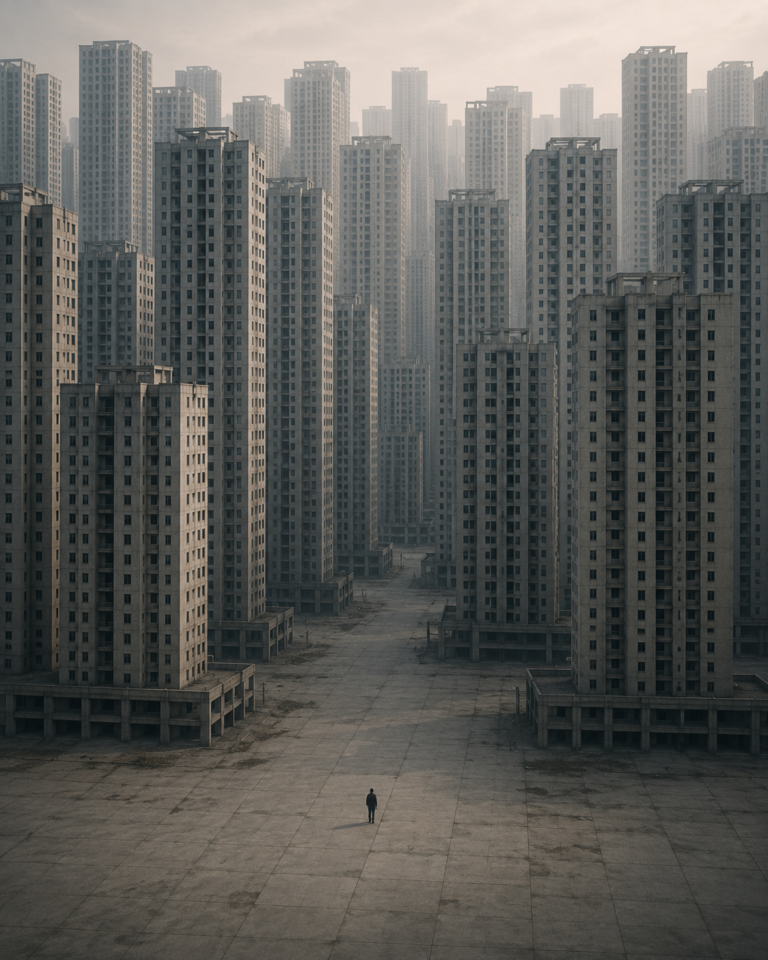
Modern urban planning historically assumes growth, yet many cities now face population decline. This creates a mismatch between long-lasting architecture…