
When Your Army Fights Your Project
In the early twentieth century, Sigmund Freud proposed one of the most contested theories in the history of psychology. The…
In the early twentieth century, Sigmund Freud proposed one of the most contested theories in the history of psychology. The…
ArchUp — Ibrahim fawakherjiThere is a particular kind of regret that has nothing to do with failure.It is the regret…
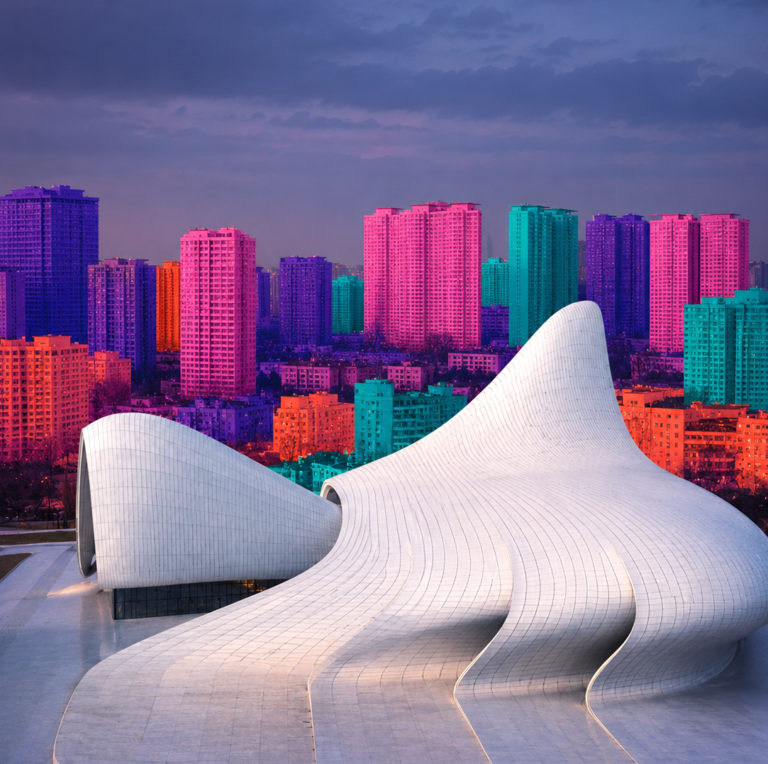
A building’s public life begins not at completion but through its photograph. Most people will never experience a project in person, making architectural photography a final act of authorship rather than passive documentation. From the narrow windows of golden-hour light to post-production refinement, the image ultimately determines how a building is understood, remembered, and judged by the discipline for generations.
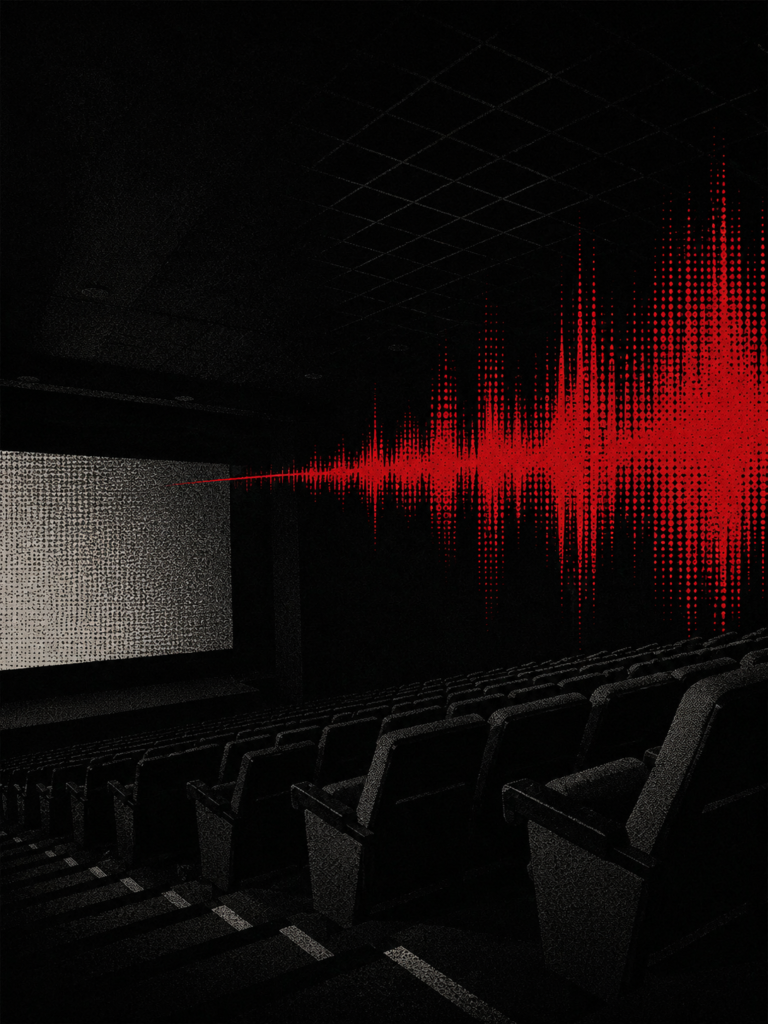
In modern cinema halls, the choice of dark materials is far more than an aesthetic decision — it is an acoustic contract. This article explores how sound absorption coefficients, reverberation times, and immersive audio formats like Dolby Atmos demand that architects and interior designers understand acoustic physics from the earliest material specification stages, not as an afterthought outsourced to engineers.
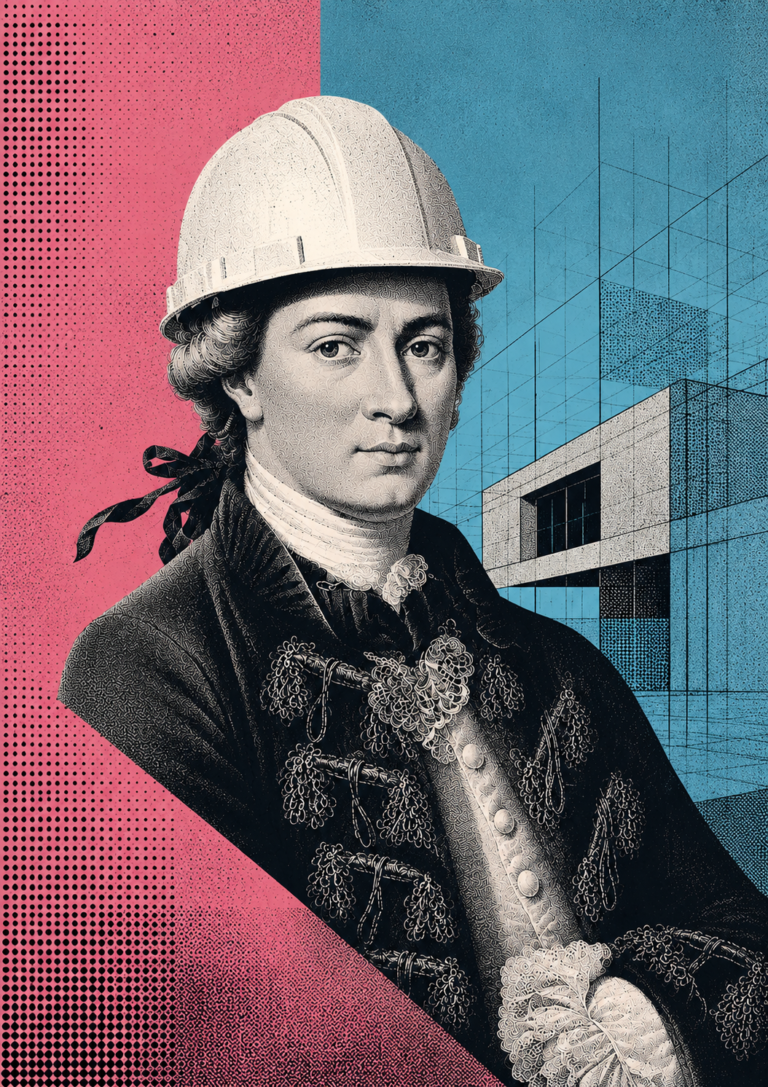
Architecture has always recorded what a society truly values, and Kant’s philosophy reveals why. Drawing on his concepts of a priori spatial cognition, the Categorical Imperative, and the sublime, this essay argues that every design decision operates as an involuntary psychological transaction. In 2026, when capital pressures eliminate ambition, spatial ethics demand treating occupants as ends, never means.

Buildings carry more than structural and material value — their histories shape how people perceive and occupy them. A property…

Reflecting on two decades of architectural practice and media evolution, this piece examines how documentation, curation, and critical platforms shape which buildings and architects achieve lasting historical significance. From pre-digital library research to algorithm-driven feeds, the author argues that rigorous documentation is architecture’s true foundation, warning that viral celebrity and superficial promotion ultimately undermine the discipline’s intellectual legacy.
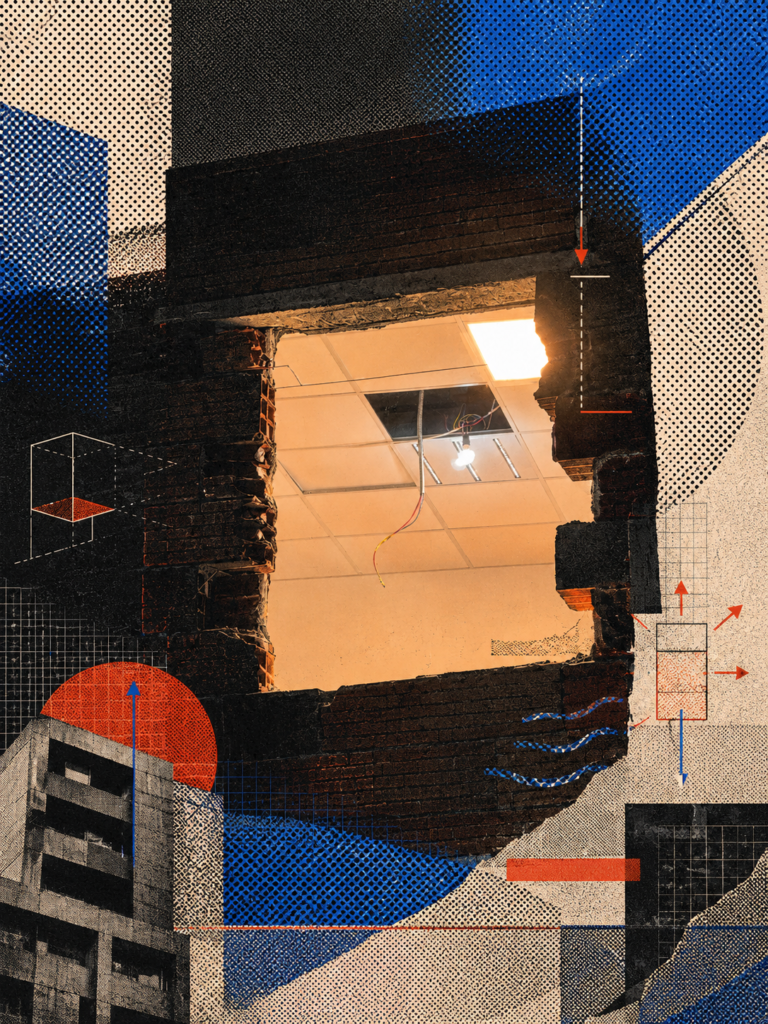
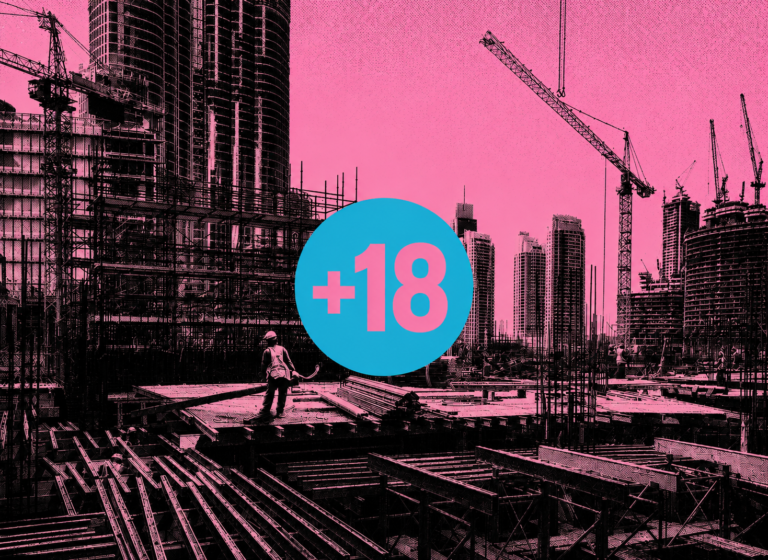
A personal reflection on navigating a grueling sixty-day construction emergency involving a fifteen-thousand-square-meter commercial project. The author examines the collapse of standard building sequencing under extreme deadline pressure, exploring where material science allows tactical flexibility and where the laws of chemistry remain absolute, ultimately questioning the human cost of trading structural patience for the speed of completion.
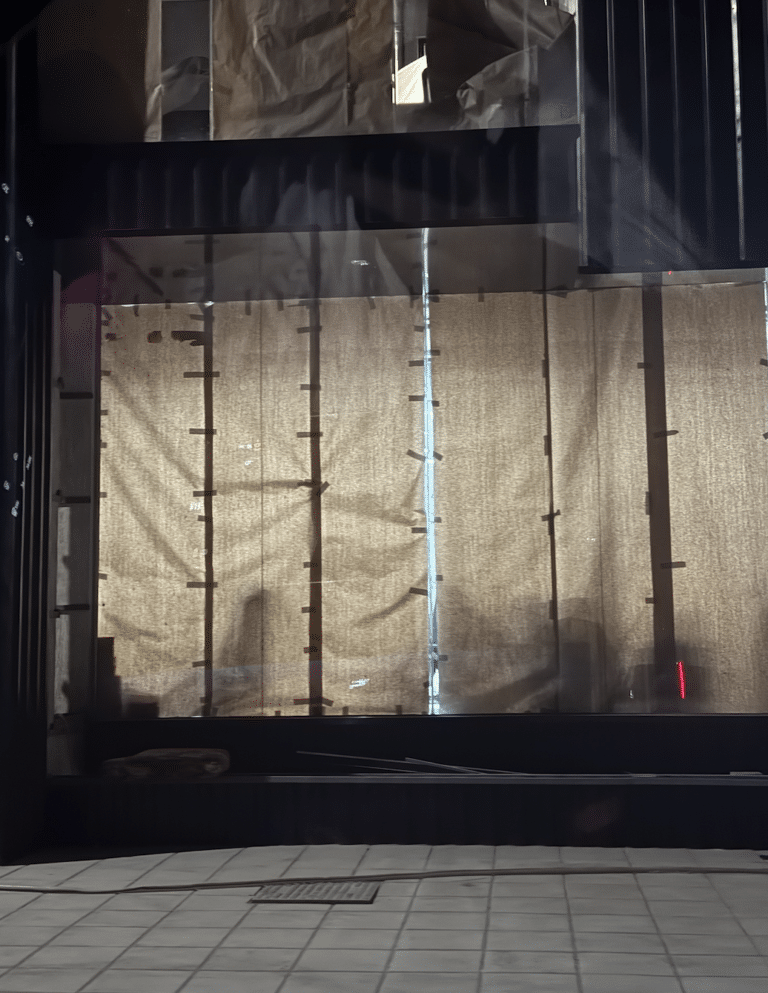
There is a specific and quiet tension that precedes the unveiling of a commercial space. In a recent project, one…

As we conclude the first quarter of 2026, the global architectural landscape is defined by a state of profound repositioning….

An analytical study on the relationship between spatial design and the psychological weight of authority, exploring focal points, religious hierarchy,…
In the early months of 2026, the global conversation surrounding human longevity has undergone a radical spatial shift. High net…
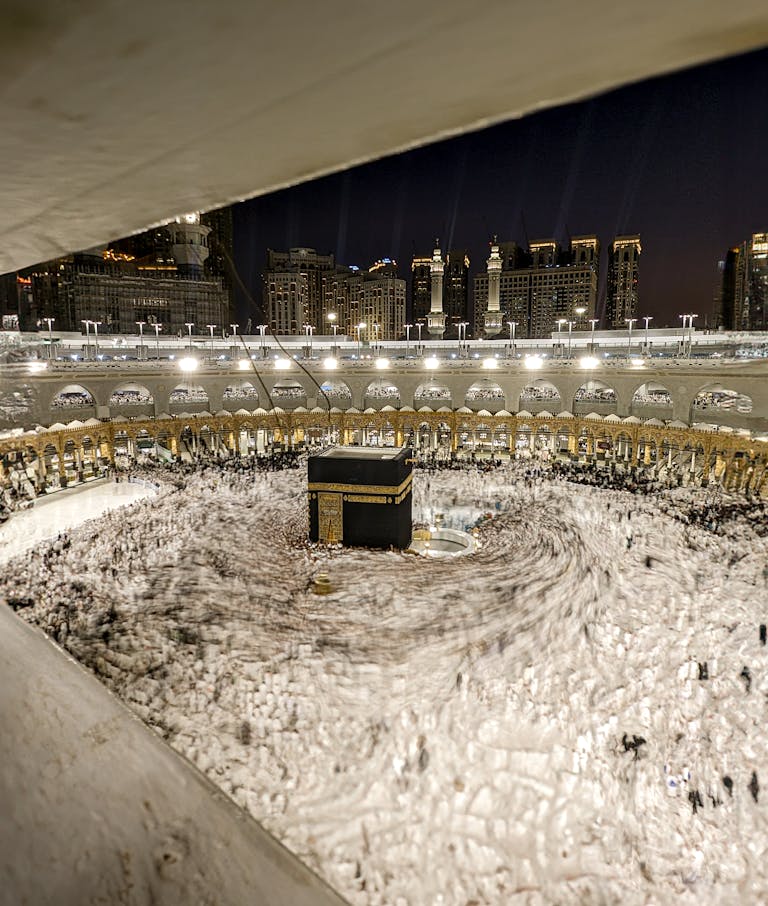
In the realm of Islamic sacred architecture, few spaces challenge the conventional understanding of “form follows function” as intensely as…

A few months ago, while observing a nature documentary, a singular creature captured my attention. It was not the beauty…

In the early decades of architectural education, the first list a student compiled was not one of books, but of…

When Chad Hurley, the co-founder of YouTube, posted on X: “Hope everyone enjoys their last year of valuable work!” he…

Imagine walking through a park in West London. The gray, Victorian sky is suddenly pierced by a flash of neon…

As Ramadan 2026 begins, a singular image dominates digital screens across the globe: the Kaaba. To a structural engineer, it…

The current discourse surrounding the arrival of Artificial Intelligence in our cities is trapped in a predictable cycle of alarmism….

Amsterdam does not suffer from a lack of artistic greatness. On the contrary, it carries within its cultural memory some…

Amsterdam is not merely a city with canals; it is a hydraulic machine. Its urban landscape is inseparable from the…