
My Partner Has No Name Yet
The architecture industry is shifting from foundational AI models to autonomous agents. Unlike simple tools, these systems execute complex administrative…
The architecture industry is shifting from foundational AI models to autonomous agents. Unlike simple tools, these systems execute complex administrative…
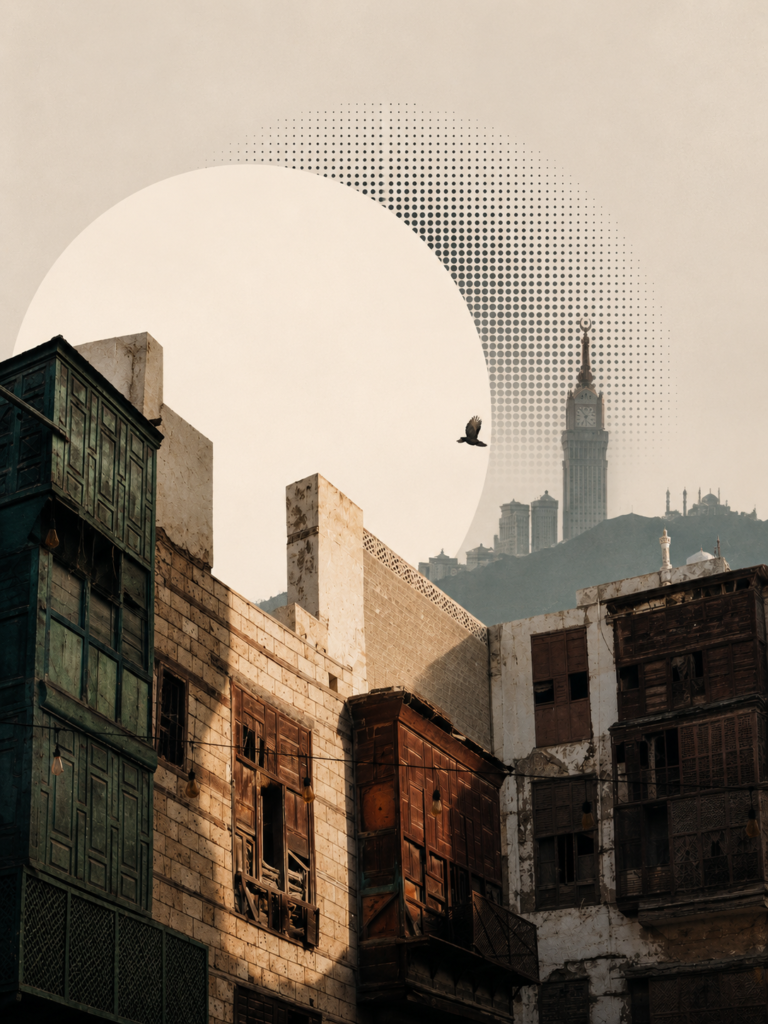
Stand on the mountains above Makkah four hundred years ago and you would not have seen a single ship. Stand…
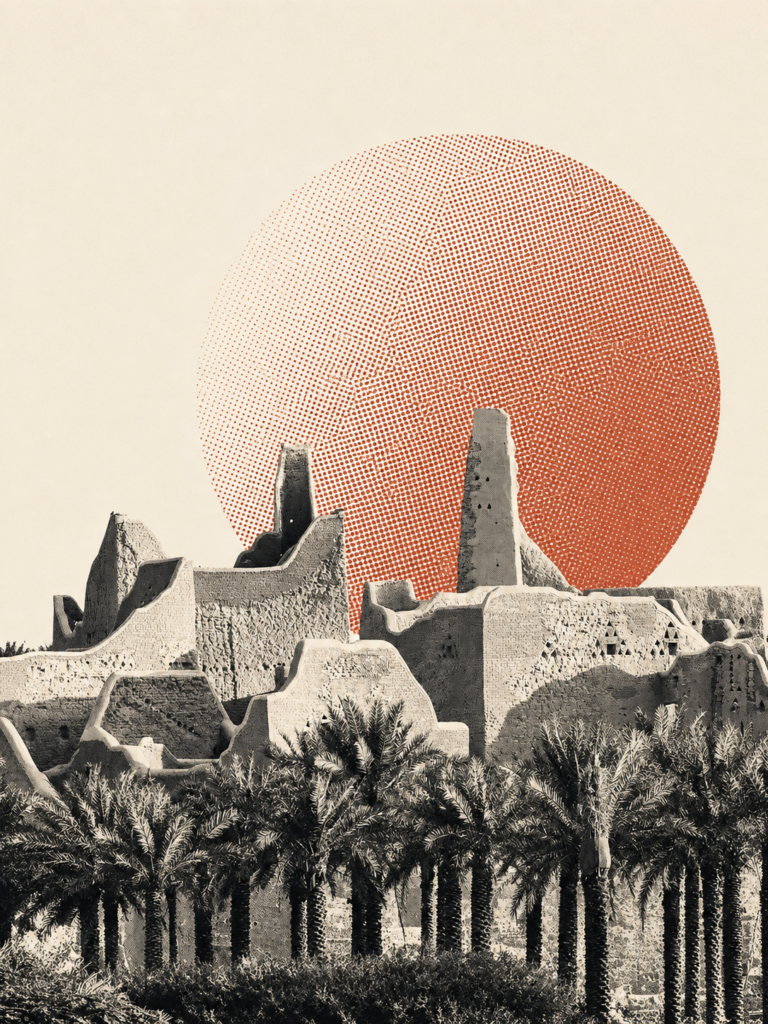
From an aircraft, or from a satellite, the oldest human decision in Arabia is still visible. Across the black lava…
Ibrahim Fawakherji — ArchUpThree weeks ago, in the office building where I work, the marble floors were polished. The team…
Ibrahim Fawakherji — ArchUpI have been asking myself a question recently that has no comfortable answer.Do I love architecture, or…
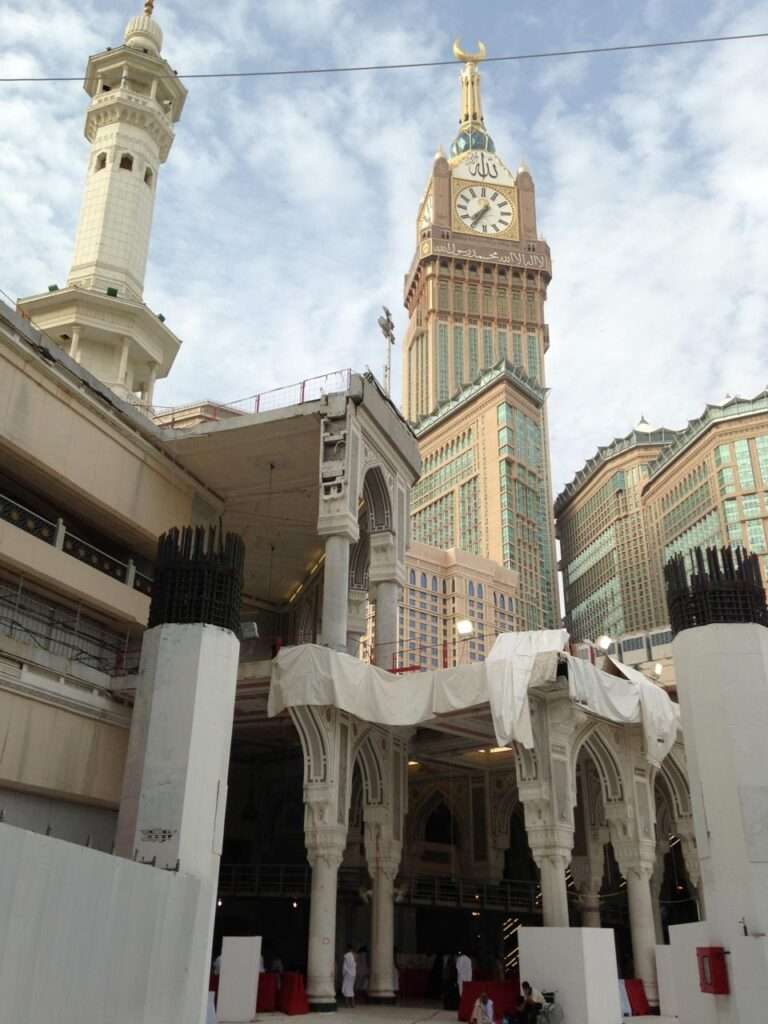
Every building you have ever entered asked you to face something. A door, a stage, an altar, a teacher, a…
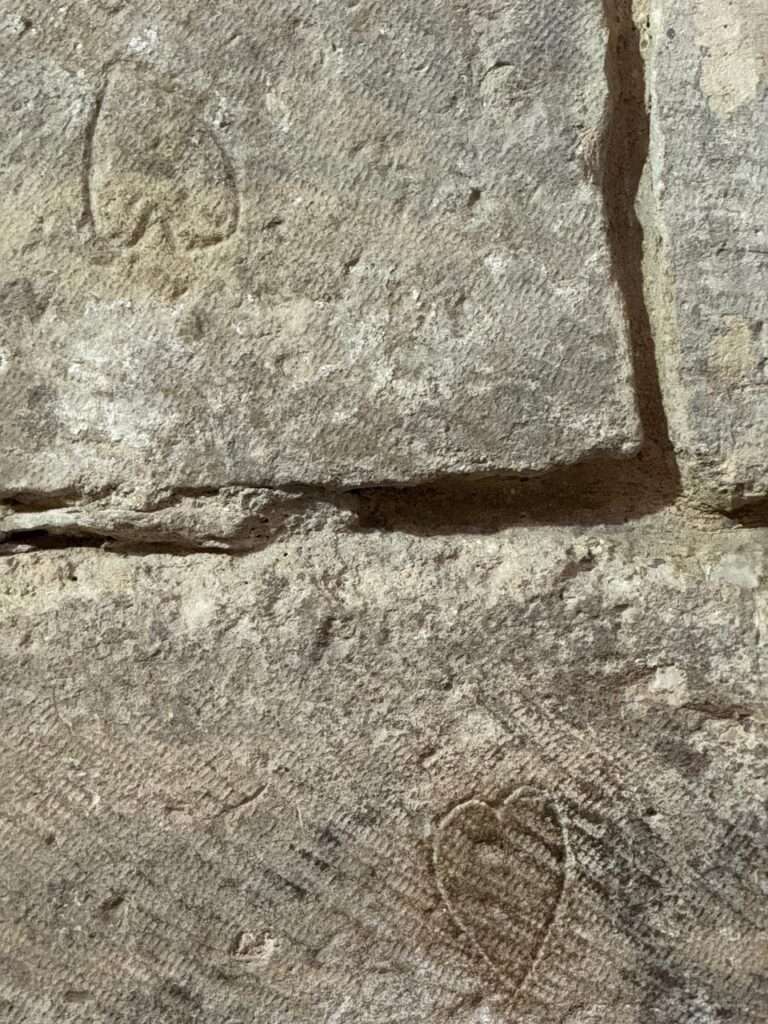
Medieval masons’ marks, found on structures like the Louvre, functioned as a sophisticated accounting system for piecework labor. These carved…
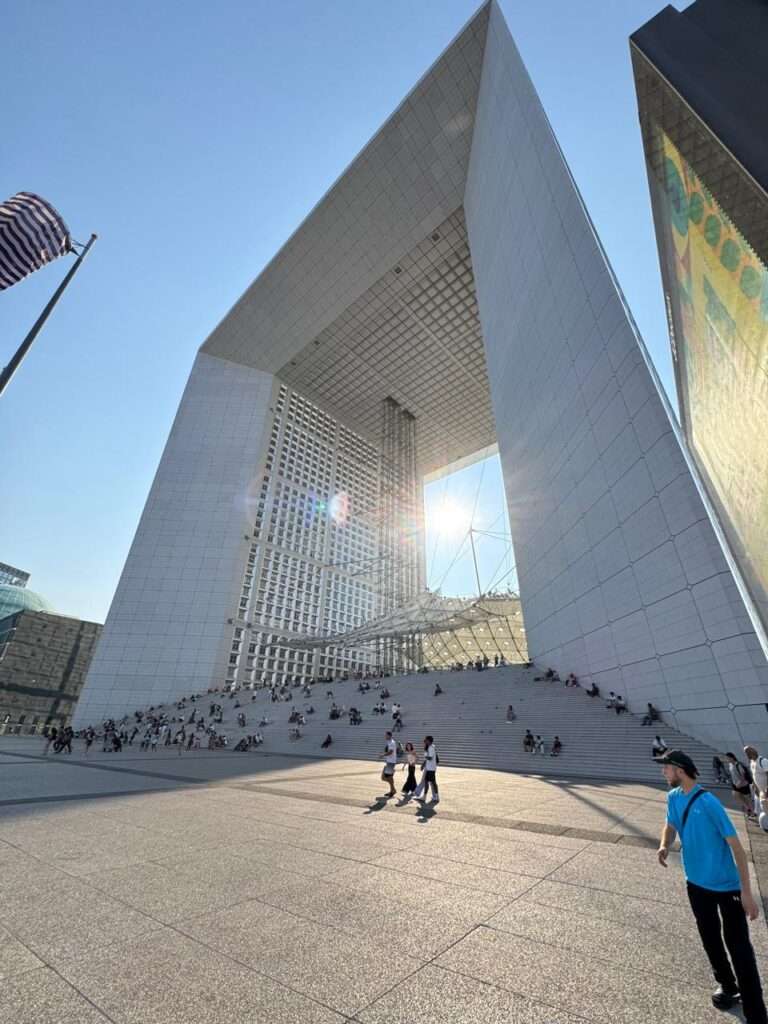
An architectural return to the La Défense district in Paris reveals the physical and social shifts occurring over twenty years….
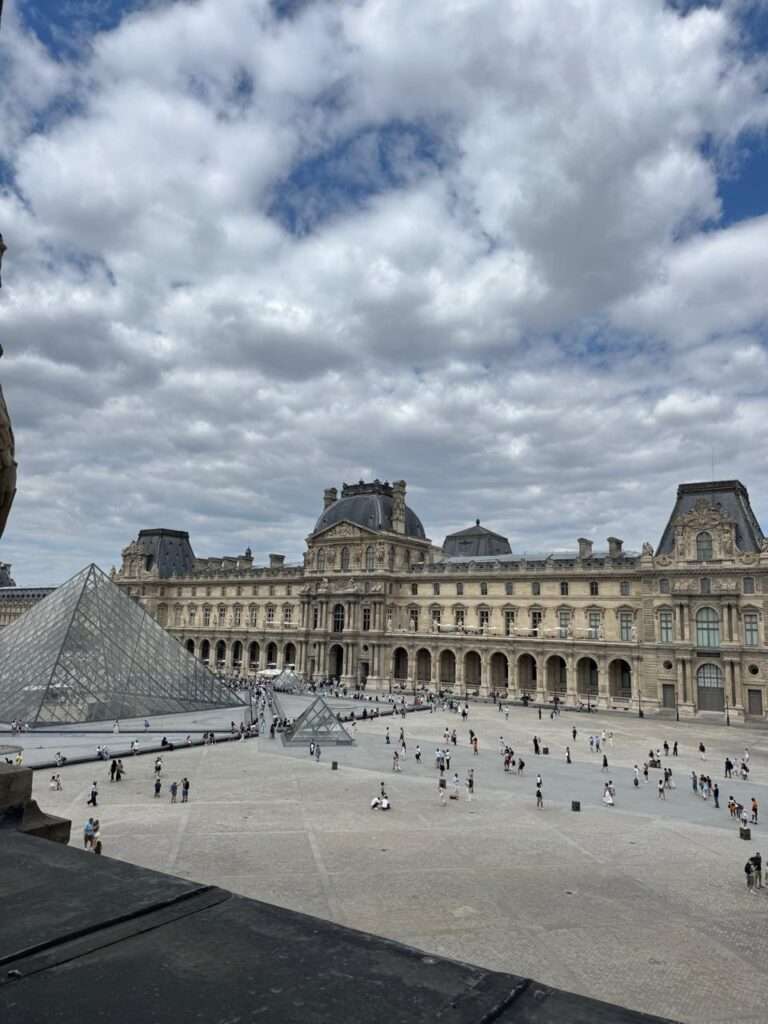
The Louvre serves as a monumental record of Western architectural evolution, transitioning from a medieval fortress to a royal palace…
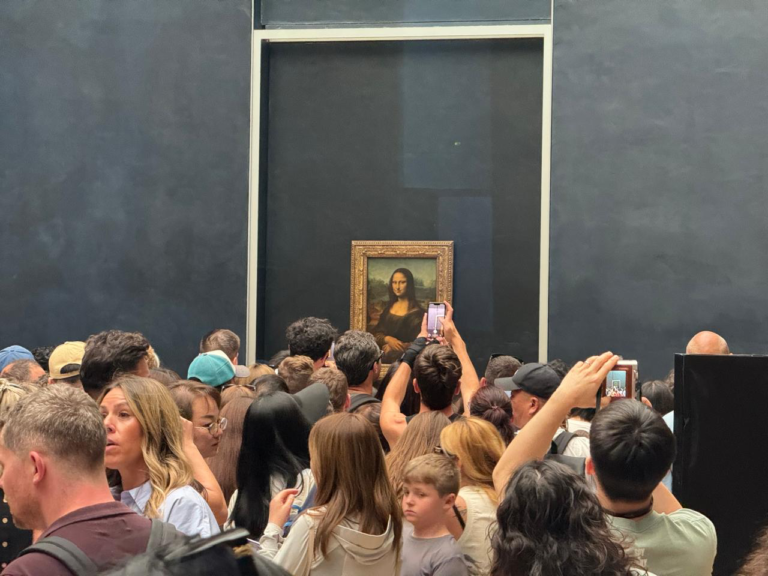
The Mona Lisa represents a series of displacements, moving from its origins as a portrait of Lisa Gherardini in Florence…
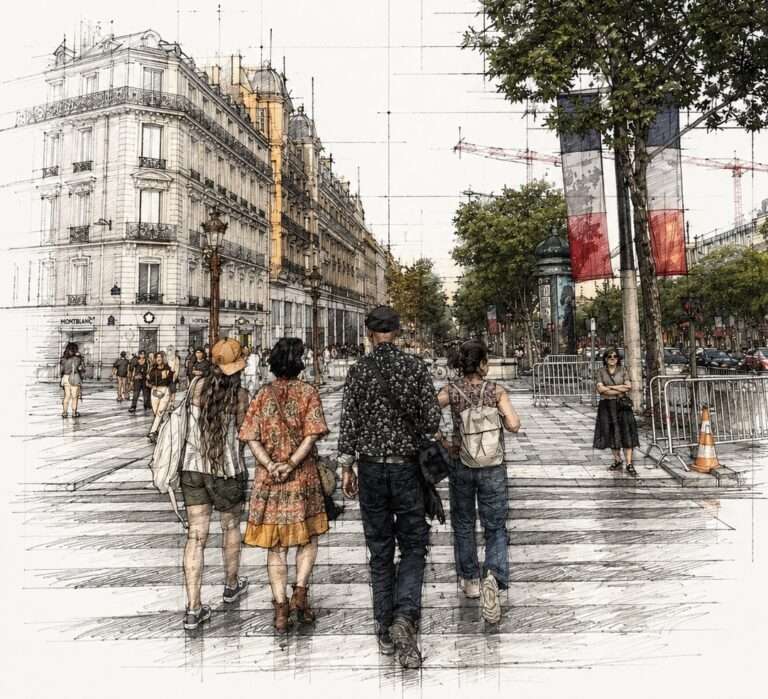
The frequent pickpocket warnings in the Paris Métro reflect a specific approach to urban authority and security. By addressing passengers…
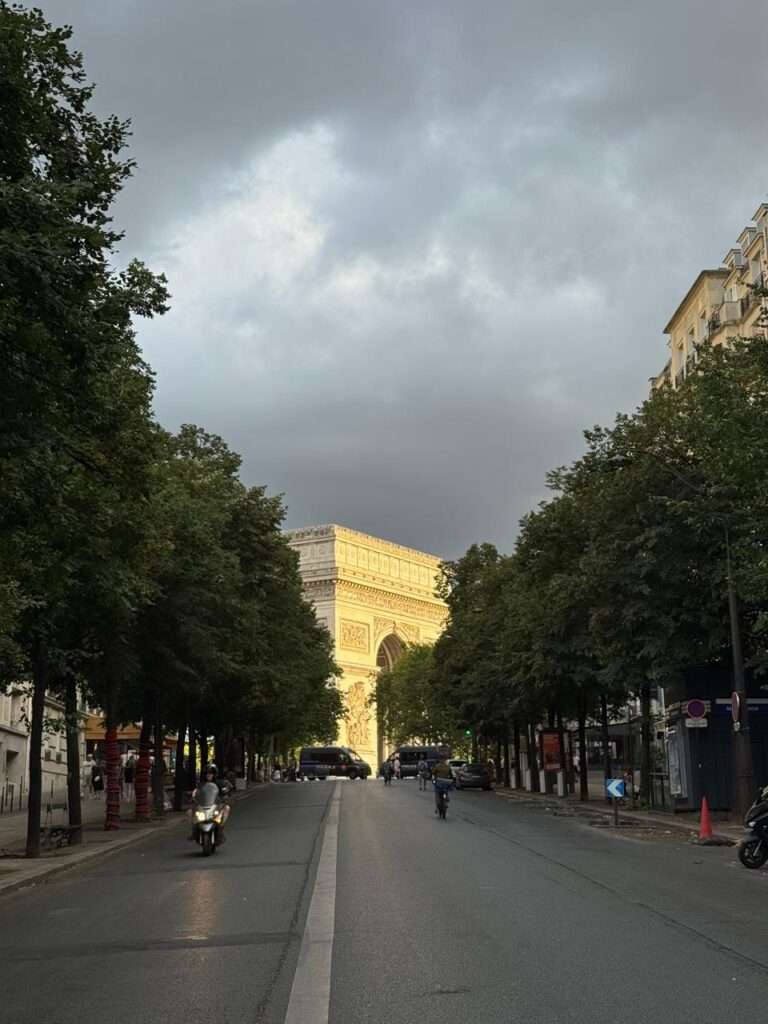
The final stage of the 2026 Tour de France transformed Paris from a vehicle-dominated space into a pedestrian-oriented commons. The…
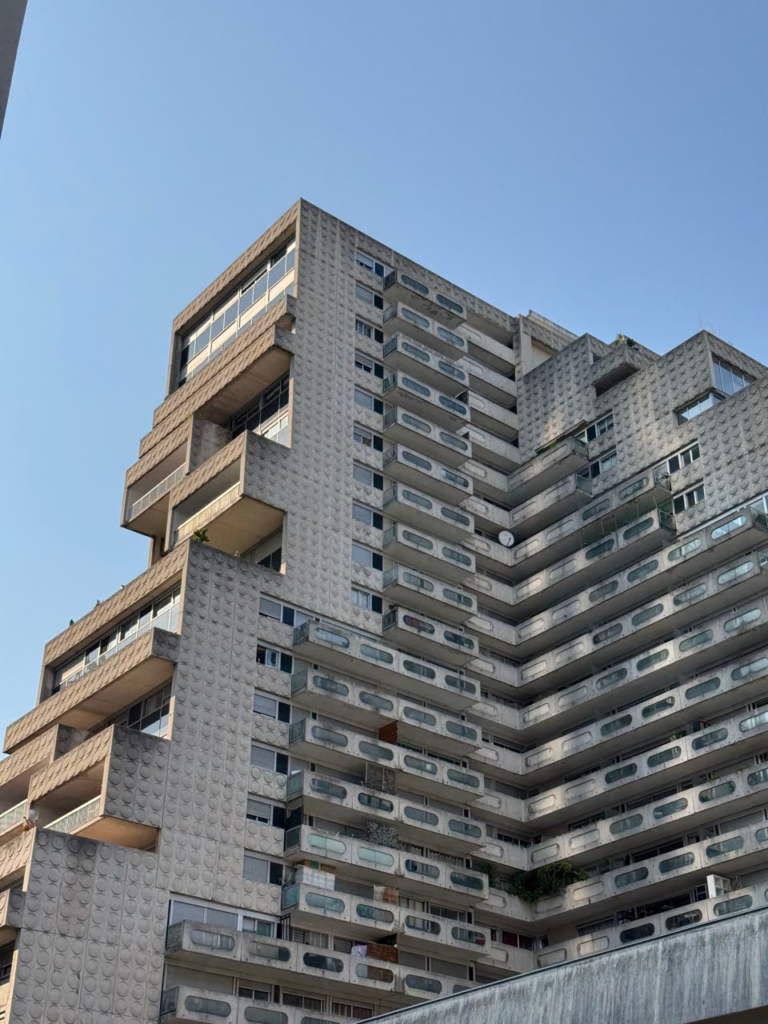
The Les Damiers and Les Miroirs complexes near Paris’s La Défense district represent an ambitious Brutalist effort to integrate residential…
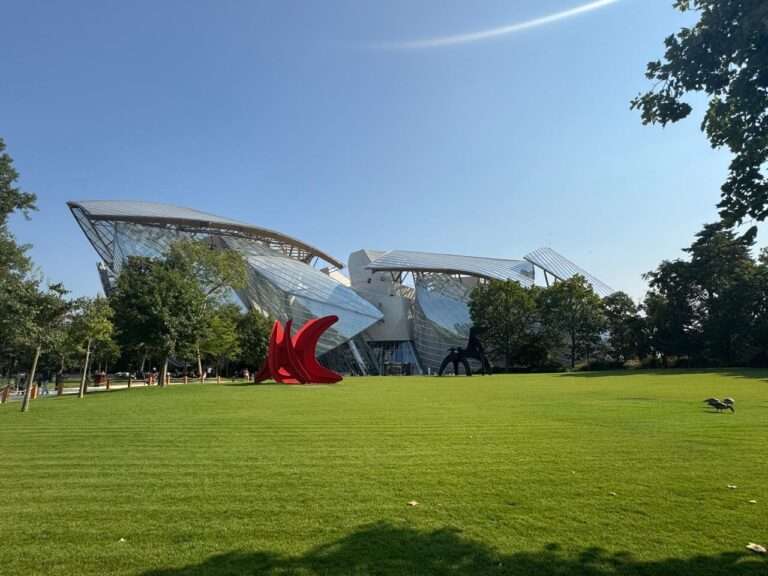
Calder: Rêver en Équilibre at the Fondation Louis Vuitton in Paris highlights the synergy between Frank Gehry’s architecture and Alexander…
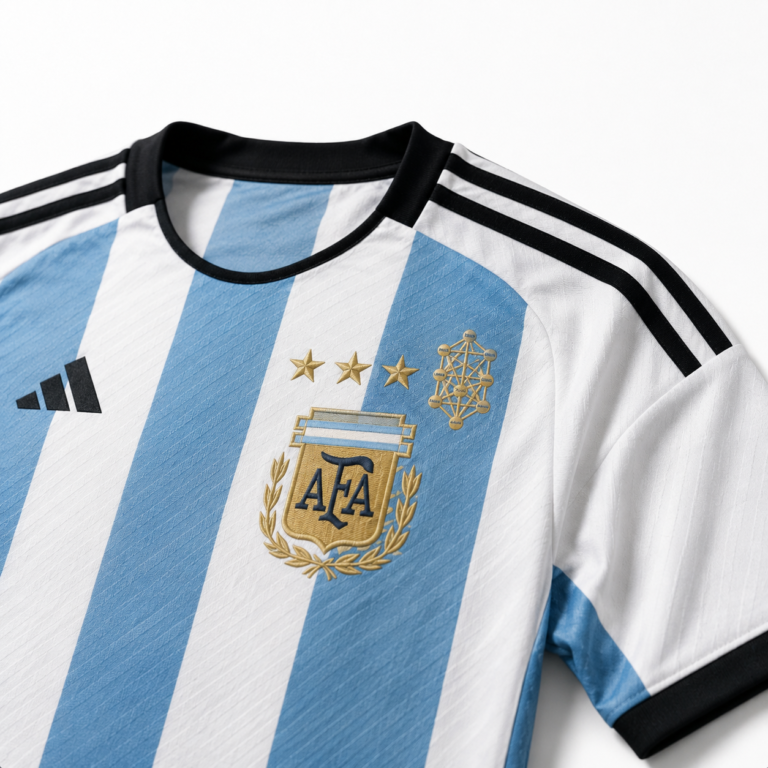
Argentine football culture transforms ordinary locations into talismans believed to influence outcomes through ritual and association. By preserving specific rooms…
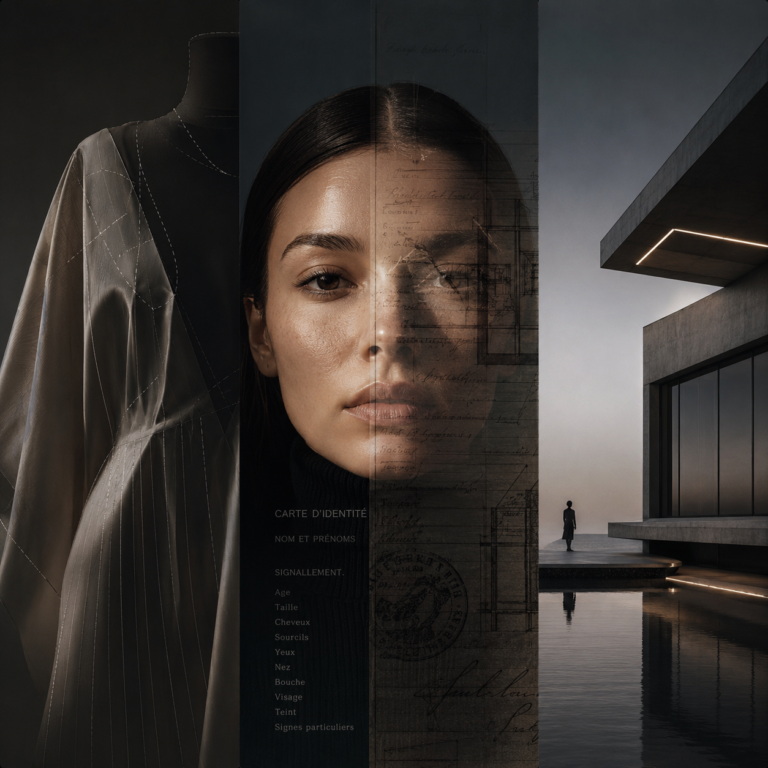
Aesthetics in a culture represent an integrated system expressed through faces, garments, and buildings. While biological markers of health are…
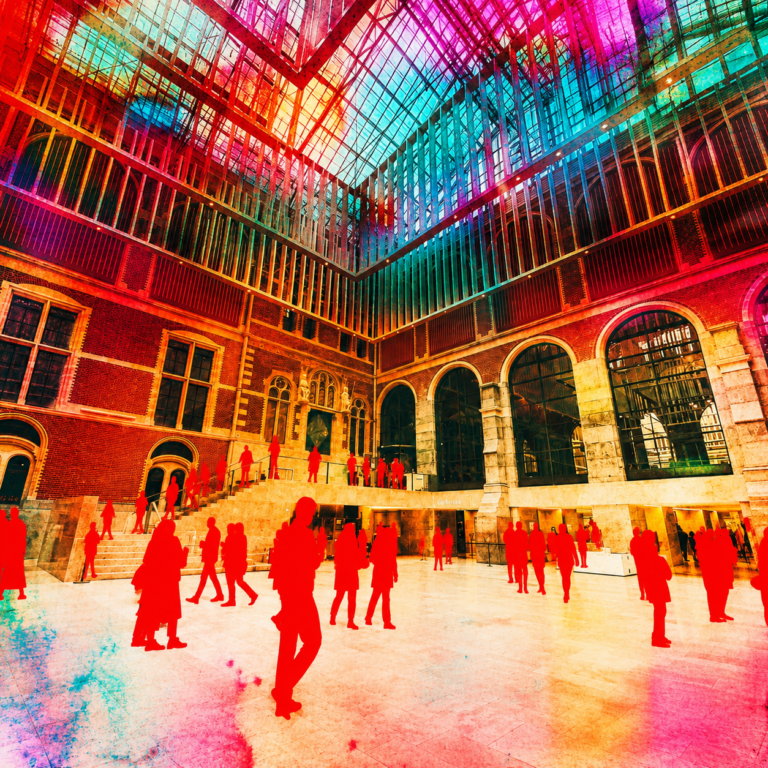
Global population projections indicate growth will likely peak this century, driven by declining fertility rates rather than increased mortality. This…

The article distinguishes between project handover and asset handover, emphasizing that a building’s operational success depends on the transfer of…
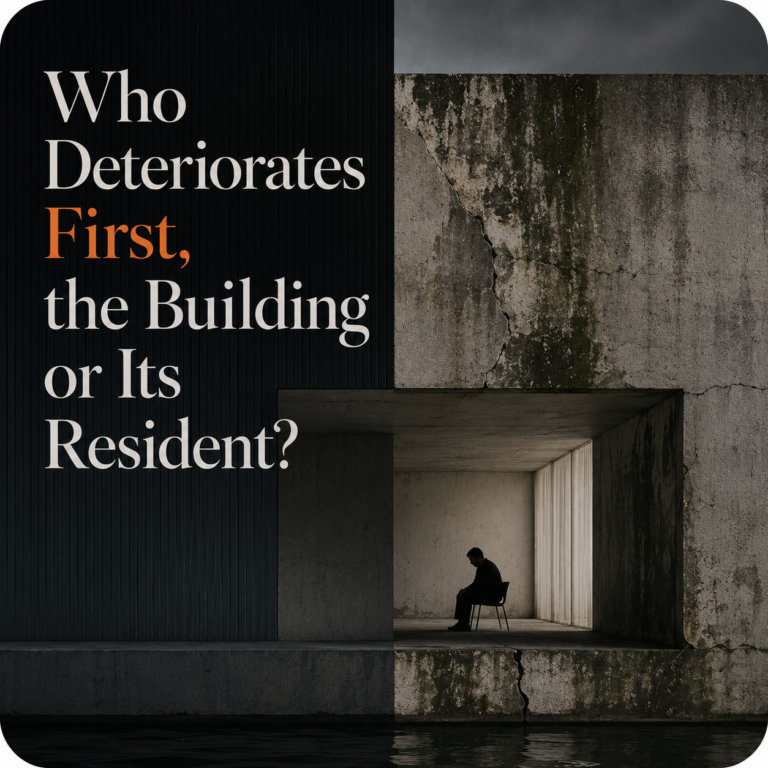
Residential deterioration results from a complex interaction between structural failures, intensive use, and behavioral patterns. While often blamed on individuals,…
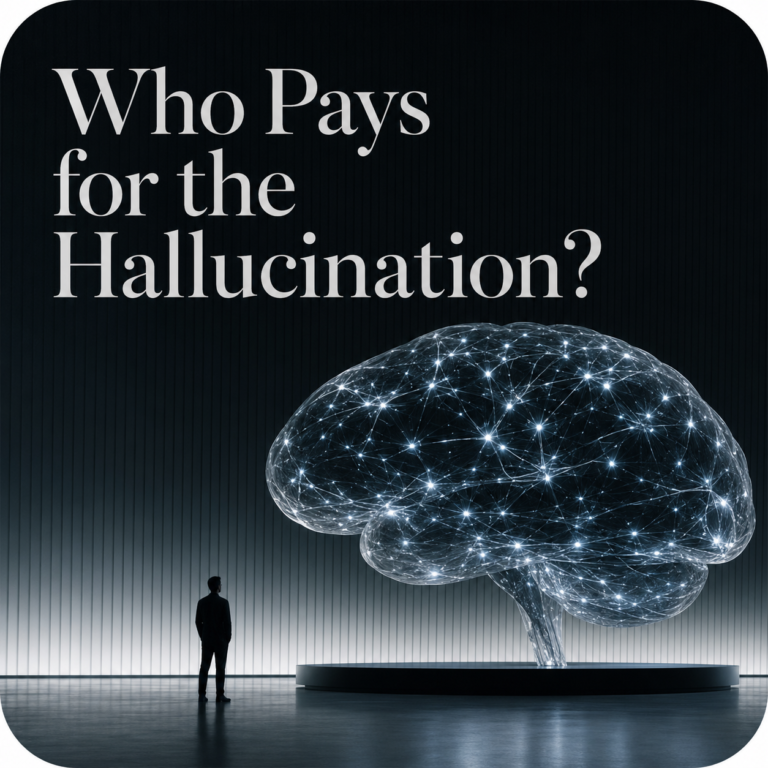
Artificial intelligence is fundamentally altering professional communication and knowledge production. Large language models frequently produce hallucinations, which are confident but…
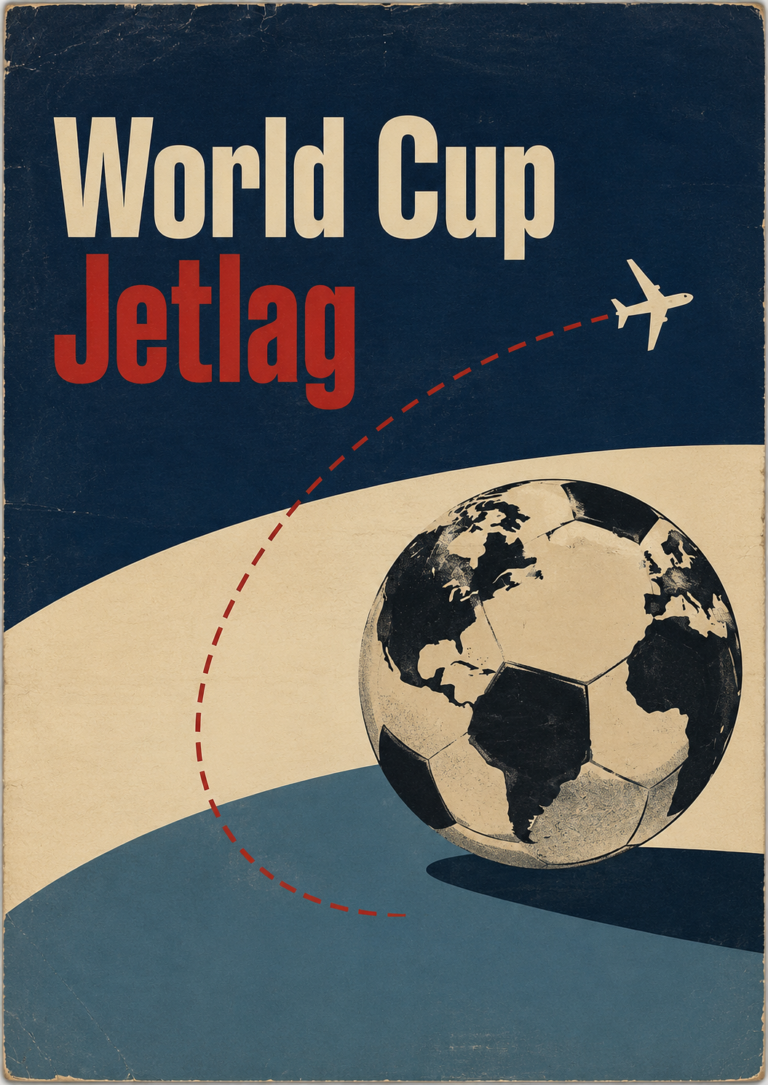
The 2026 World Cup triggered global social jet lag, disrupting the biological rhythms of fans and cities in distant time zones. By prioritizing North American broadcast schedules, the tournament forced populations to override daily routines, impacting energy and infrastructure. This highlights the need for temporal urbanism, accounting for how global events manipulate a city’s collective clock.