
The Yards, Covent Garden: The City That Whispers
The Yards is an urban design project occupying over five acres in London’s Covent Garden. Rather than acting as a…
Cities examined through land use, housing, mobility, infrastructure and public space. ArchUp considers how planning decisions influence everyday life, urban growth and the relationship between existing neighbourhoods and new development.
Follow planning and development news, study urban projects and infrastructure construction, and explore the evidence discussed in architectural research.
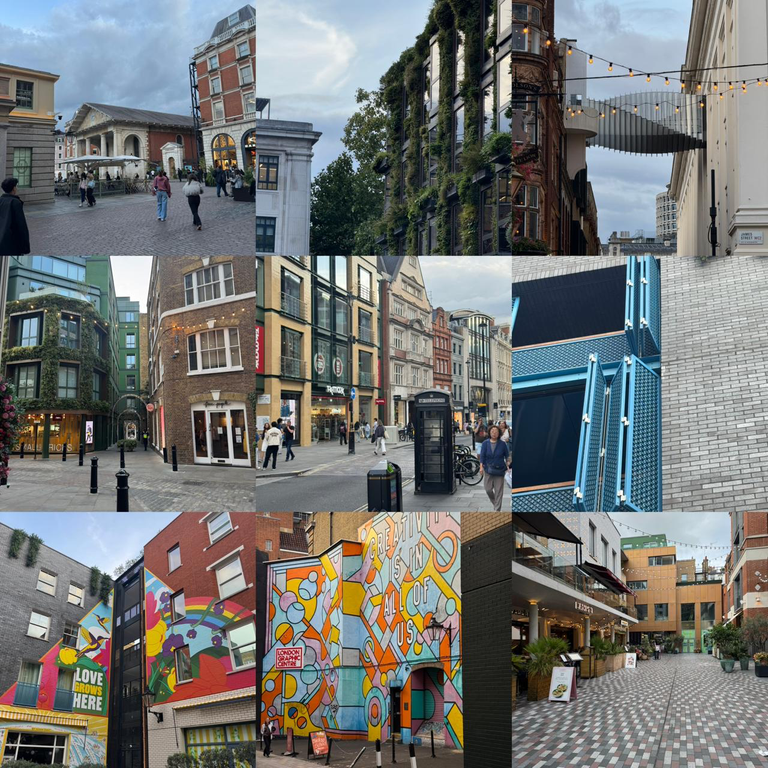
The Yards is an urban design project occupying over five acres in London’s Covent Garden. Rather than acting as a…
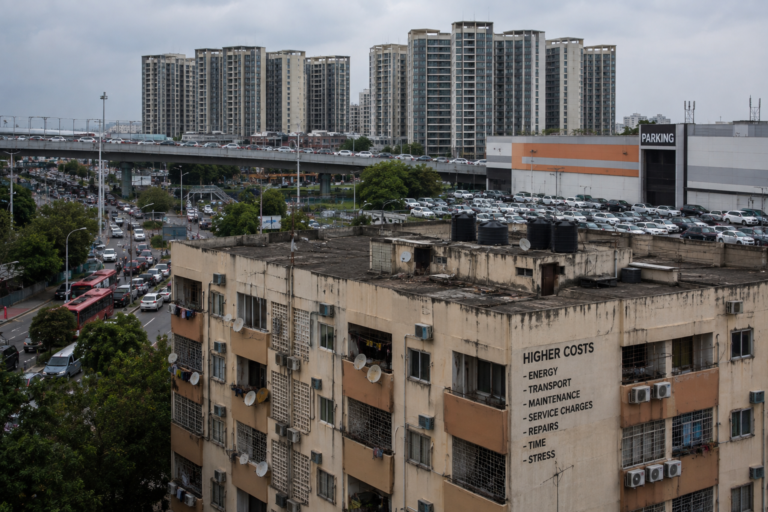
Beyond basic rent, housing costs include hidden expenses driven by architectural and planning decisions. This poverty premium forces low-income households…
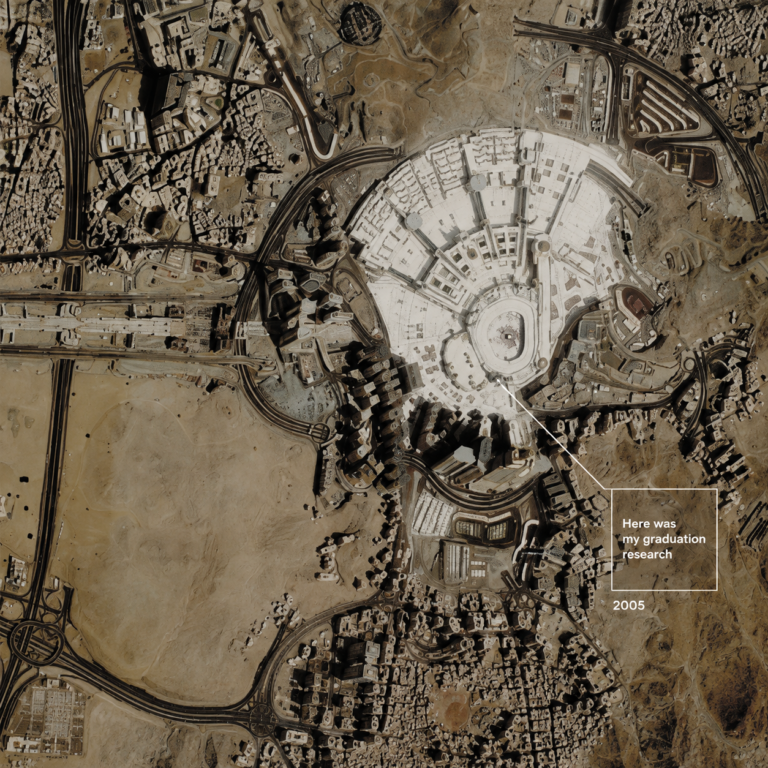
This archival study examines the vertical development of Jabal Turk, a mountain formerly located near Makkah’s Grand Mosque. Originally a…

Stand on the mountains above Makkah four hundred years ago and you would not have seen a single ship. Stand…

From an aircraft, or from a satellite, the oldest human decision in Arabia is still visible. Across the black lava…
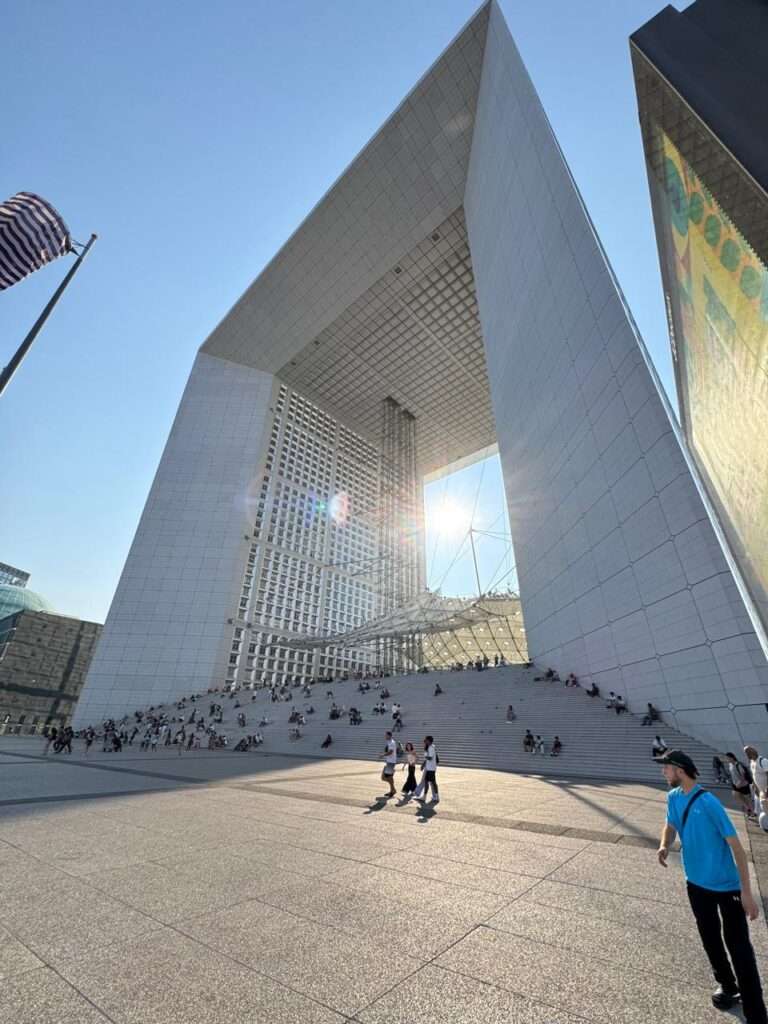
An architectural return to the La Défense district in Paris reveals the physical and social shifts occurring over twenty years….
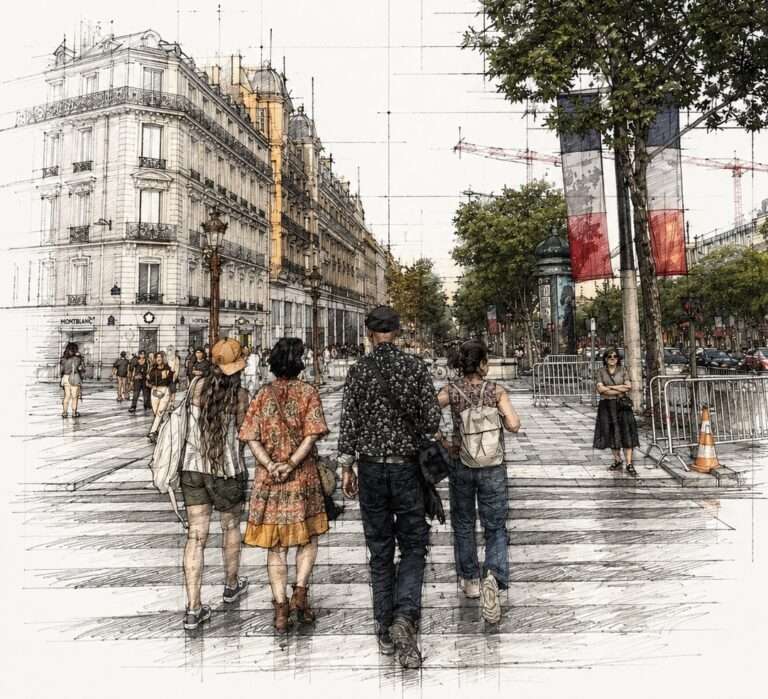
The frequent pickpocket warnings in the Paris Métro reflect a specific approach to urban authority and security. By addressing passengers…
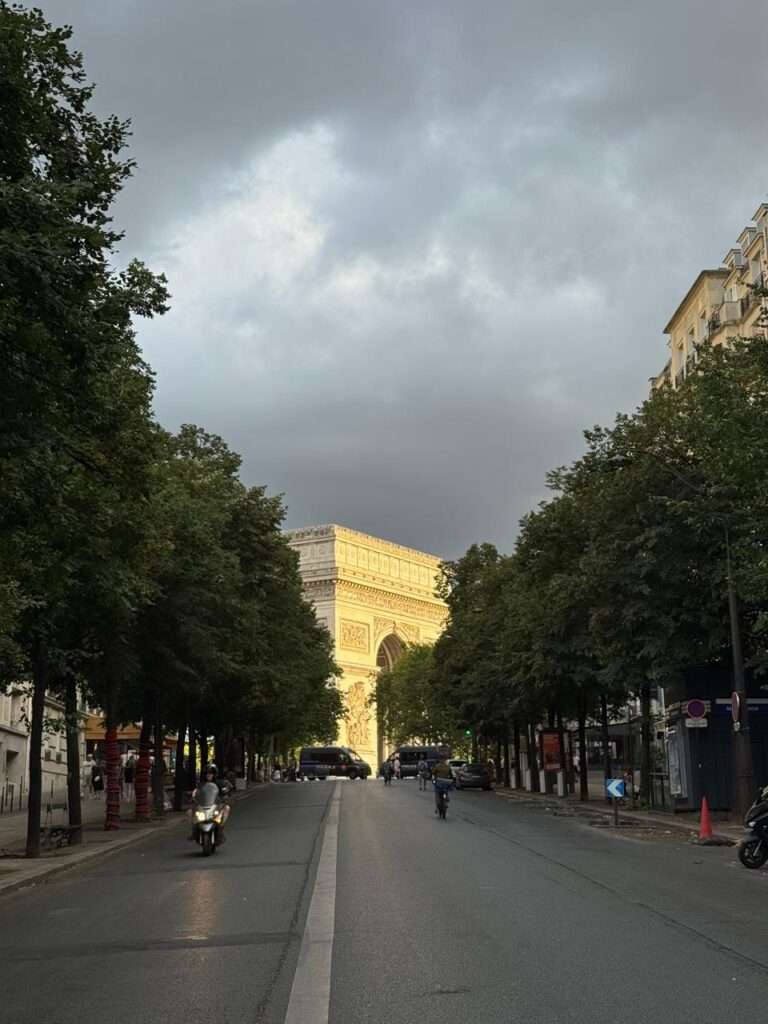
The final stage of the 2026 Tour de France transformed Paris from a vehicle-dominated space into a pedestrian-oriented commons. The…
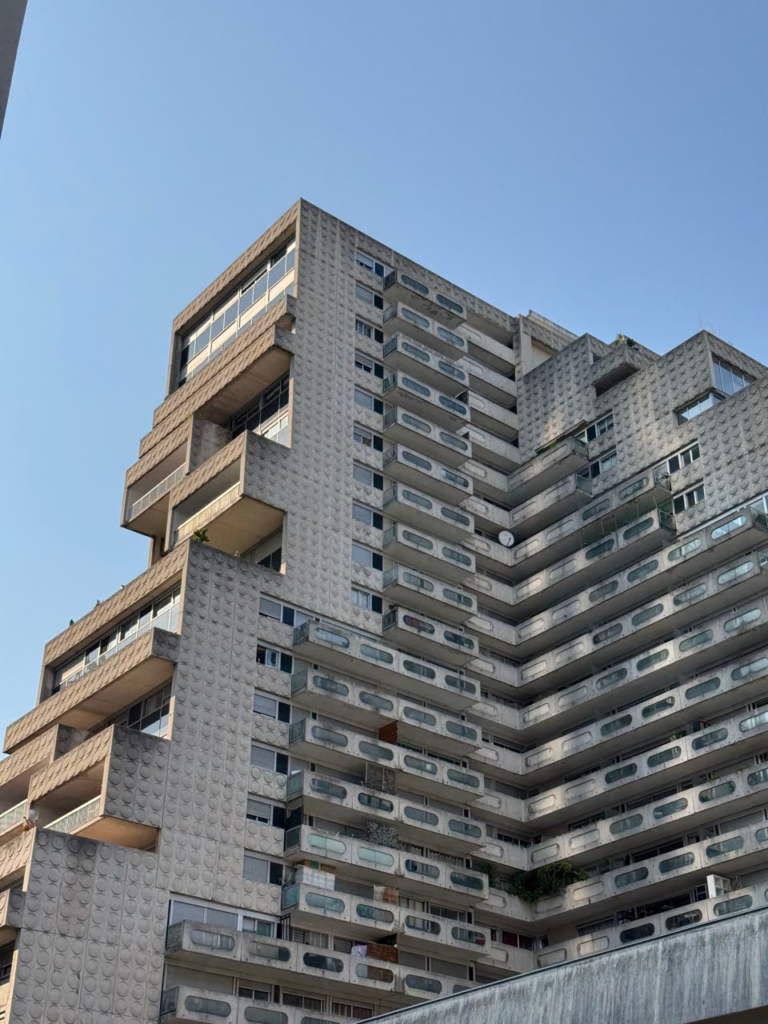
The Les Damiers and Les Miroirs complexes near Paris’s La Défense district represent an ambitious Brutalist effort to integrate residential…
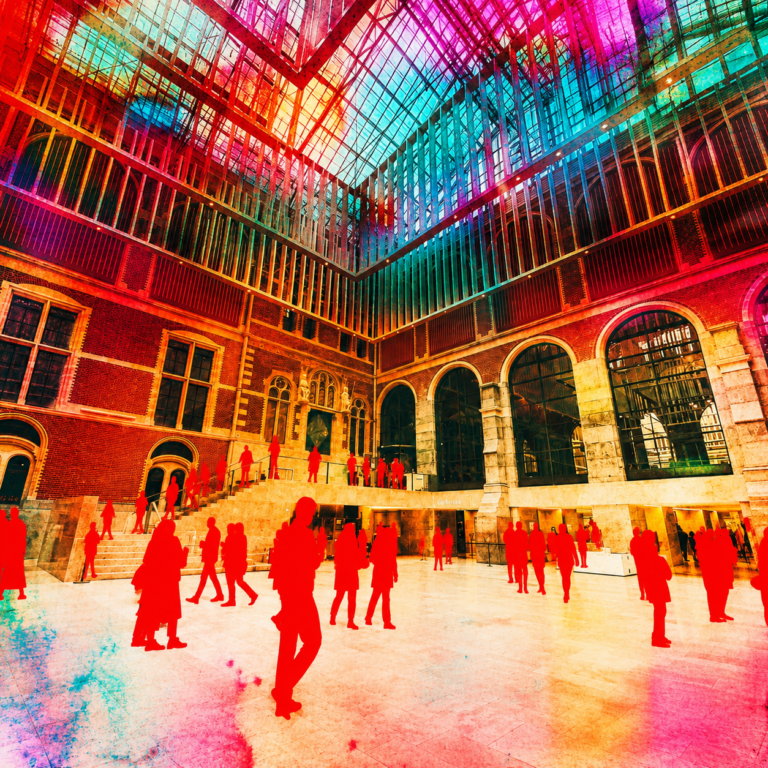
Global population projections indicate growth will likely peak this century, driven by declining fertility rates rather than increased mortality. This…

The 2026 World Cup triggered global social jet lag, disrupting the biological rhythms of fans and cities in distant time zones. By prioritizing North American broadcast schedules, the tournament forced populations to override daily routines, impacting energy and infrastructure. This highlights the need for temporal urbanism, accounting for how global events manipulate a city’s collective clock.

Criticism of FIFA’s leadership regarding private flight emissions overlooks the systemic environmental impact of hosting the World Cup across three…

The 2026 World Cup reflects a significant shift in sports architecture, where stadiums function as multi-purpose entertainment complexes rather than…

A question posed by an architecture student — whether to build a place of worship, a school, or a hospital…
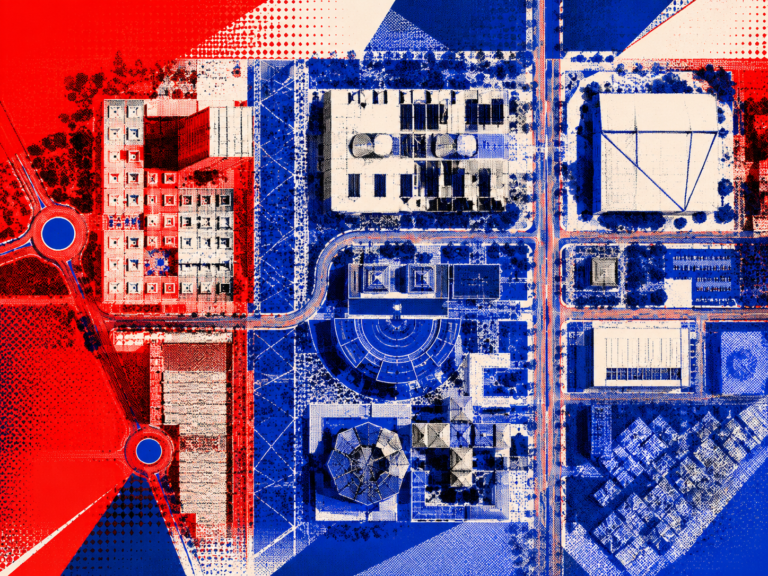
ArchUp Desk —The word “planning” often conjures images of rigid, top-down state control and centralized bureaucracy. However, modern urban development…
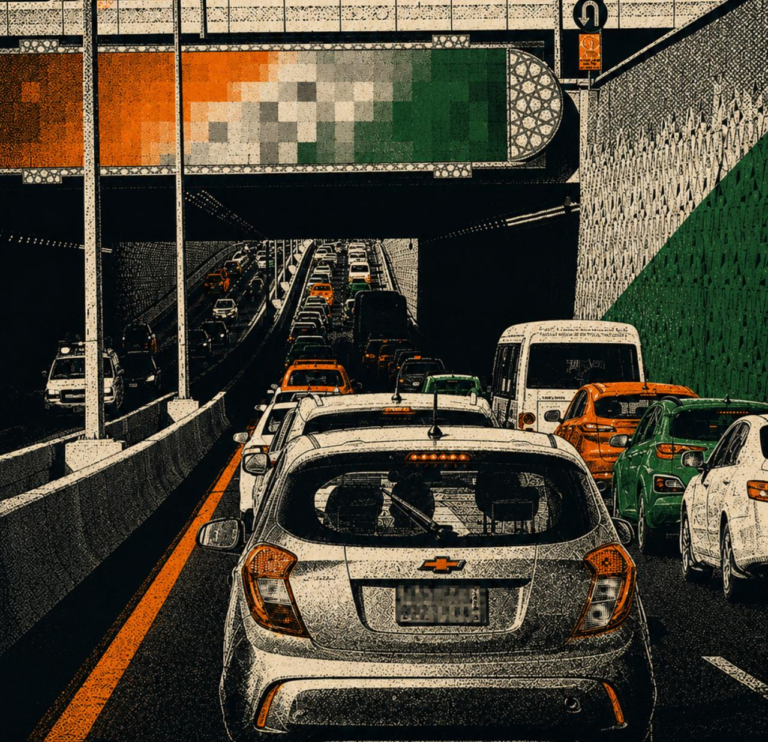
Ibrahim Fawakherji — ArchUpThere is a room that appears in almost every Gulf villa built in the last four decades….
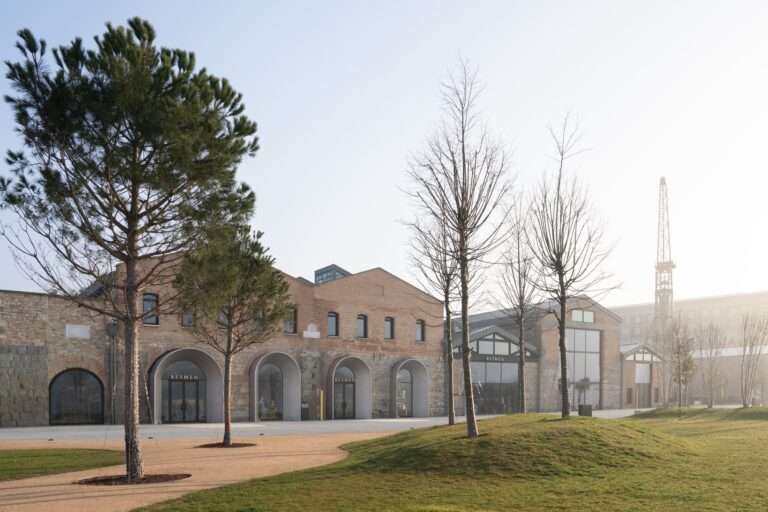
Spatial Configuration and Dialogue of Independent StructuresThe architectural proposition of the project is based on creating a deconstructive dialogue between…
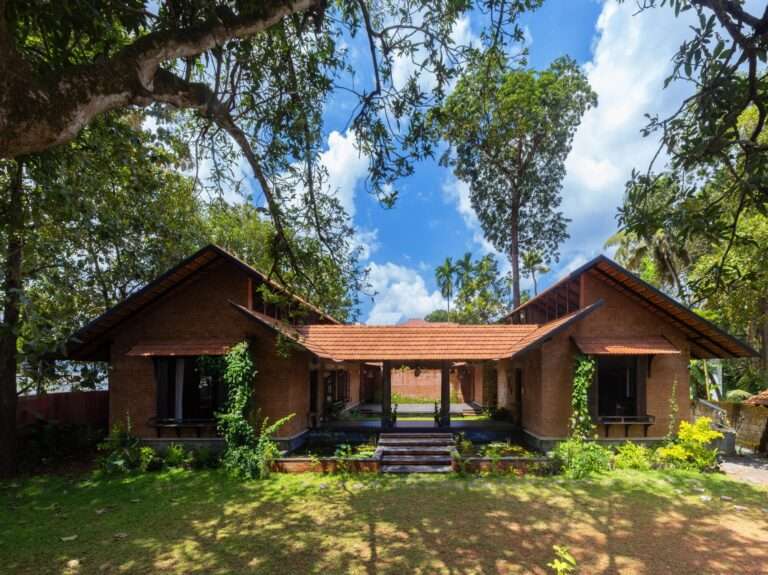
Penetrating Urban Density and Deconstructing BoundariesThe spatial experience in this architectural composition begins at the moment of transition from the…

Modern conflicts increasingly rely on “cognitive and subversive” warfare rather than physical destruction, with urban infrastructure and spatial memory becoming…
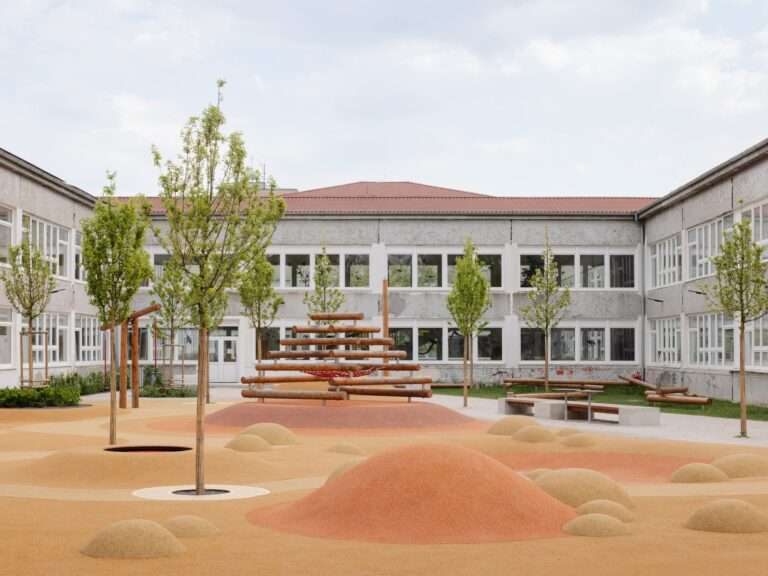
Urban Context and Site ConditionThe site is located within the cadastral zone of the city of Trnava on parcel No….
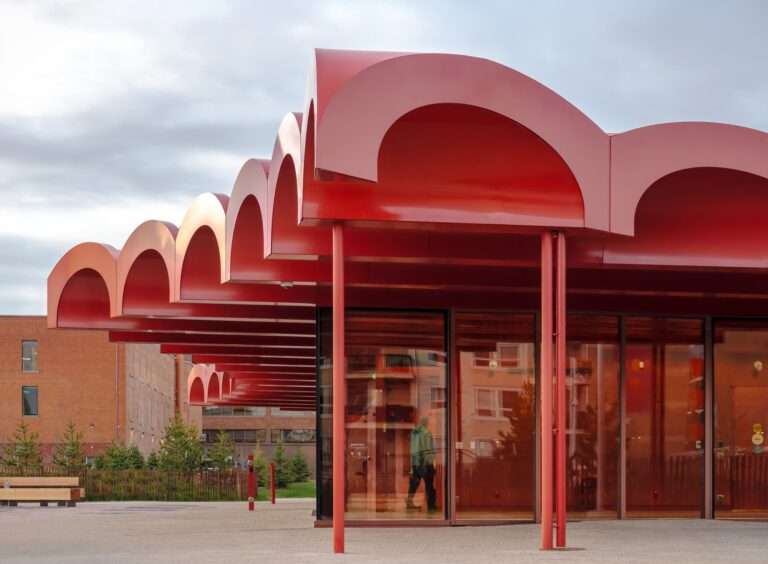
Land Use Transformation in the Warehouse Campus DistrictO-day’min Park is located in the Warehouse Campus district in downtown Edmonton, an…