Marble Is Manufactured by Geology


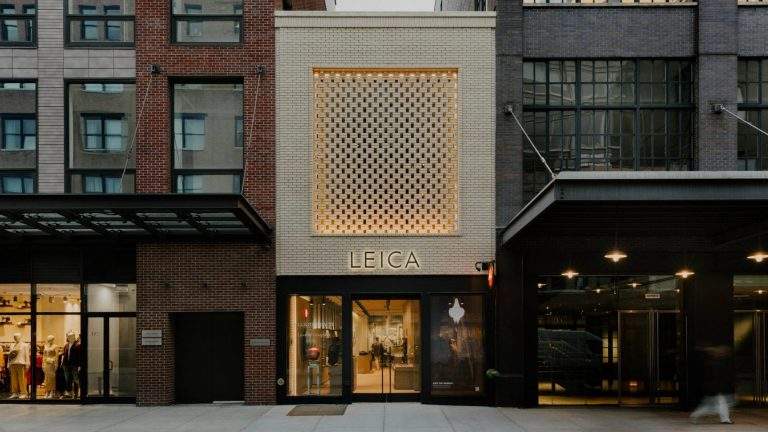
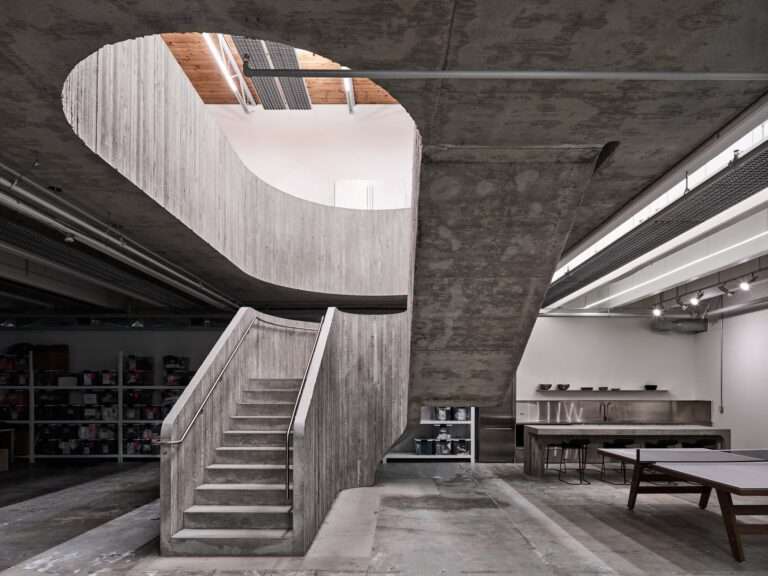
Reading the programme for Architecture Festival Zurich 2026, I paused at VEINS, a film about marble’s journey from quarry to facade. I have not seen it; the programme prompted a question about what we specify when we choose a surface. That question quietly dismantles the way most people, and more than a few architects, think about stone. We tend to meet marble at the very end of its life, as a surface, a finish, a cool pale plane in a lobby, a veined slab on a reception desk, and we judge it the way we judge a photograph, by how it looks. A material history complicates that first impression. We need to remember that before the marble was a facade, before it was a surface in anyone’s architecture, it was a mountain, and between the mountain and the facade lay an entire hidden world of labor, transport, energy, water, machinery, ports, ships, and the slow politics of the environment. This year the festival’s theme is materials, and that is exactly the right frame, because the deepest thing you can say about a material is not what it is. It is where it has been, and where it will go.
The question I care about as an architect continues beyond installation. What happens to this material fifty years after the building opens? And underneath that question sits a smaller, more practical one that every client eventually asks and almost no one answers clearly, which is the difference between marble, porcelain, and ceramic. Architects know this difference in their hands. The rest of the world does not, and it deserves to, because the choice between these three is not a matter of taste or budget alone. It is a choice about time, about energy, about what a building will cost to keep, and about what we are actually buying when we point at a sample and say, that one.
First, a Correction the Whole Argument Depends On
Let me clear away a confusion before anything else, because the entire discussion collapses into nonsense without it. People speak of porcelain and ceramic as though they were two separate species of material, rivals on a shelf. They are not. In the scientific sense porcelain is a type of ceramic tile, not a different family from it. What separates porcelain from ordinary ceramic is not its nature but its degree, a denser clay body, fired at higher temperatures, with the result that porcelain absorbs almost no water, typically under half of one percent, while an ordinary glazed ceramic tile is more porous. So when we line up the three materials, we are not comparing three equals. We are comparing one natural stone against two points on a single manufactured spectrum, one of which, porcelain, has simply been pushed harder in the kiln until it behaves almost like stone. Holding that straight from the beginning is what lets the rest of the comparison make sense rather than dissolve into marketing.
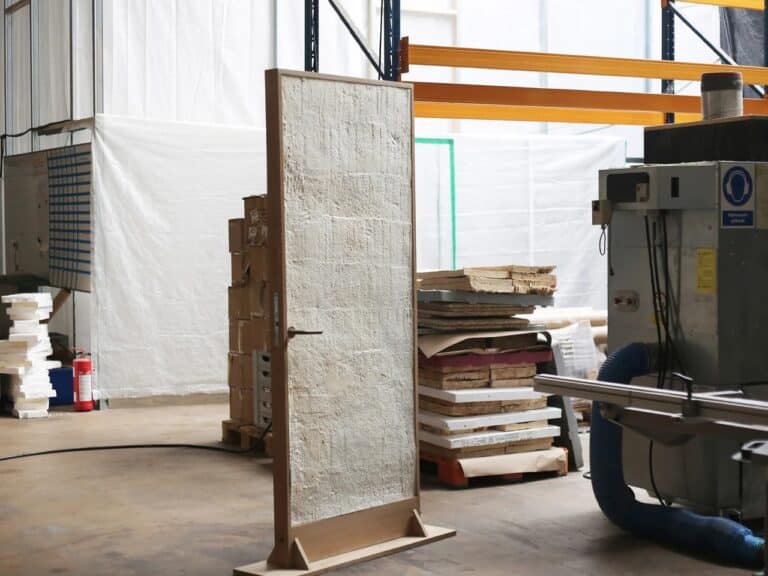
And once it is straight, the real distinction announces itself, and it is not about hardness or price or water absorption. It is about origin, and it can be put in a single sentence that I think is the heart of this whole subject. Marble is manufactured by geology and merely finished by industry. Porcelain is manufactured by industry itself. The marble spent millions of years being made, slowly, by pressure and heat inside the earth, and all that human industry does at the end is cut it, saw it, polish it, and carry it. The porcelain did not exist until a factory willed it into being out of ground clay and minerals, pressed and dried and fired and printed. One material carries geological energy. The other carries industrial energy. That difference is the key that unlocks every other question, including the one everyone gets wrong, the question of which is better for the planet.
The Natural Is Not Automatically the Innocent
Here is where intuition betrays almost everyone, including people who care deeply about sustainability. The untrained assumption is that marble must be the environmental villain, because it begins with an enormous violent wound in a mountainside, while porcelain and ceramic seem cleaner, emerging from an orderly factory. The life cycle tells a more complicated story, and the complication is the whole point. A comparative study found that, within its boundaries and its particular products, marble tile achieved a better environmental profile than ceramic, with the firing, the energy, and some of the glaze components turning out to be the heaviest environmental pressures in the ceramic. That study is relatively old and should not be turned into an absolute law for every product made today, but it breaks a lazy assumption cleanly. The natural material is not necessarily the worst, and the manufactured one is not necessarily the more efficient.

The reason is that the comparison depends entirely on three choices that most people never see being made, the unit you measure by, the service life you assume, and where you draw the boundary of the analysis. A result per kilogram at the factory gate must be converted using the specified mass per square metre before installed surfaces can be compared. Measure instead a square meter of installed, finished floor over forty years, and marble can pull ahead, precisely because it may last the full period while the ceramic has to be torn up and replaced partway through. The two honest studies I have seen reach nearly opposite rankings, and the apparent contradiction is not a mistake by either. It is the direct result of different assumptions about how long each material survives and what you count. This is why the useful question is never the naive which is greener. The useful question is greener measured how, over how long, carried how far, fired with what kind of electricity.
The Material Has a Geography Before It Has a Detail
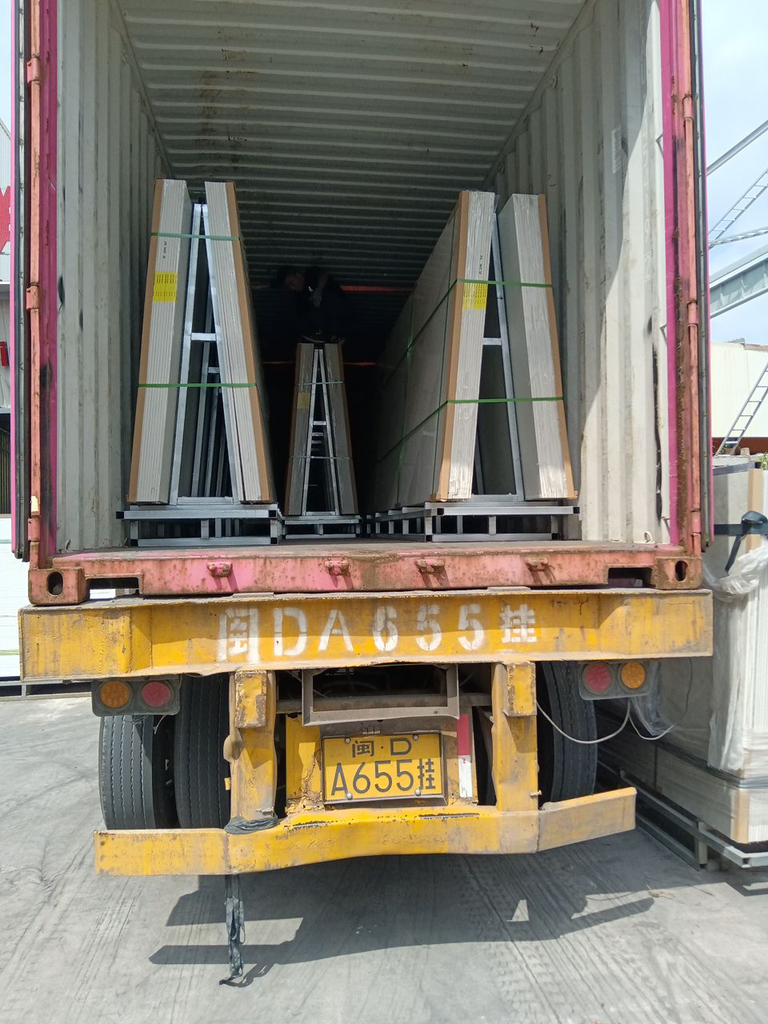
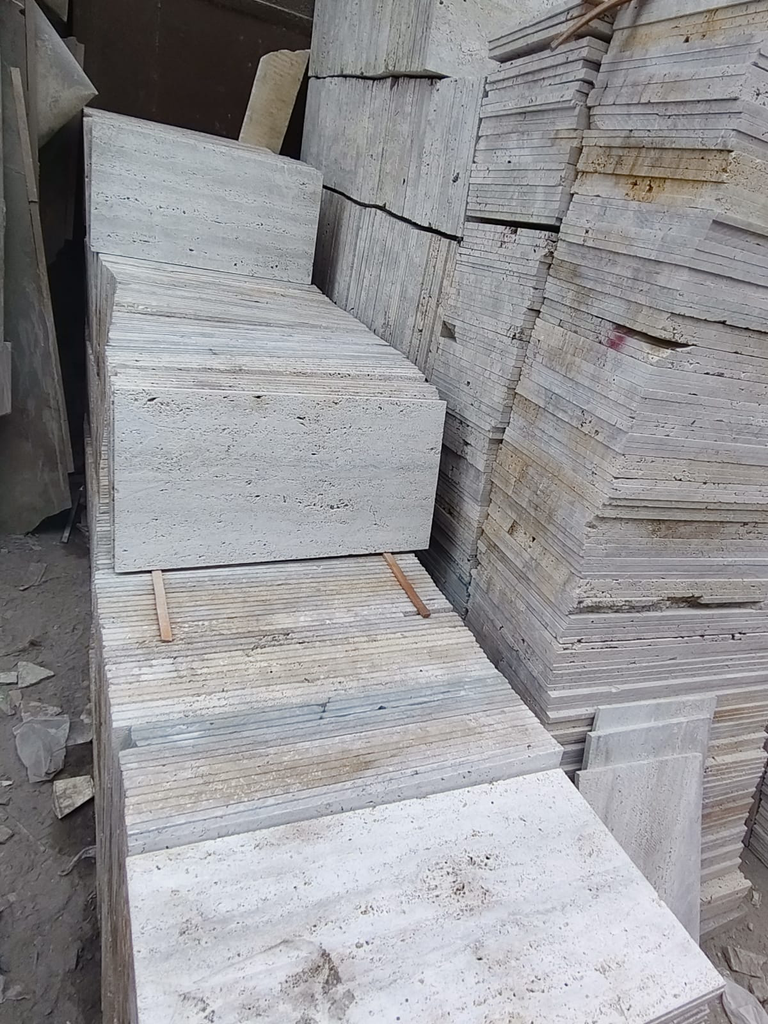
The supply chain deserves a place beside the sample in every specification decision. When you extract marble in Portugal, send it to several European workshops, then ship it across the Atlantic to become a facade in New York, architecture has not bought a stone. It has bought a quarry, the energy of the cutting, the water, the labor, the road transport, the workshops, the packaging, the port, the ship, the movement through the city, the installation, and every future act of maintenance. The material has a geography before it ever acquires a detail. The veined slab you admire in the finished lobby is the visible end of a supply chain that includes a mountain losing its mass, a convoy of trucks, a loaded vessel crossing an ocean. A natural stone industry that now publishes environmental declarations confirms this plainly, that a large part of stone’s footprint comes from extraction, cutting, and above all transport, rather than from any chemical manufacture or firing of the material itself, and standards now exist to audit quarries for water, energy, land management, and social responsibility.
Porcelain carries a different chain, but it is no less a geography. Clay and minerals, ground, pressed, dried, fired at high heat, printed or glazed, packaged, transported. The burden here is concentrated not in a mountain and an ocean crossing but in the kiln and the glaze. In one detailed accounting of ceramic tile production, the inorganic chemicals of the glaze contributed a strikingly large share of the environmental burden relative to their small mass, and the single most decisive factor turned out to be the source of electricity, with the effect of cleaner power depending on the production system and the assessment boundary. This makes supplier data relevant to specification, without establishing a universal ranking between porcelain and stone. The construction choice that actually matters for the planet is often not which of the three materials you pick, but which specific factory or quarry, powered how, sitting how far from your site, you source it from.
What You Are Really Buying Over Fifty Years
Now consider the decades after installation, when maintenance and replacement turn a specification into an operating commitment. The environmental and economic question is not only how much carbon left the factory. It is how many years the material will stay, and how many times you will replace it. A material with a lighter manufacturing footprint that you tear out and replace three times can end up worse than a heavier material that stayed in place for seventy years. This is the difference between the price of a square meter and the real cost of a square meter across the life of the building, and it is measured not in the sticker but in life cycle cost and life cycle carbon together.
Each of the three materials lives out those decades differently, and the differences are exactly the ones that decide real projects. Marble can scratch, stain, react to acids, and it needs periodic sealing or re polishing, and in wet or heavily trafficked floors it is a maintenance managed material rather than a maintenance free one, a truth written plainly in famous public buildings whose marble floors yellowed and decayed within a few years of opening. Porcelain, correctly specified, tends to resist stains, moisture, and daily wear better, which is precisely why it makes such sense in airports, malls, hotels, and anywhere the use is punishing. But porcelain has its own hidden trap, because cheap polished porcelain, where the polishing has opened the pores of the body, can stain almost like a porous stone, so the adjective on the brochure means nothing without the test class behind it. And on repair the logic inverts again, because a modular tile can be lifted and swapped discreetly while a bonded marble slab is a heavy, vein matched, specialist operation, yet a discontinued tile shade can render a structurally perfect ceramic floor visually irreparable, while marble can be re polished and patched almost indefinitely. There is no winner in the abstract. There is only the right answer for this traffic, this moisture, this budget, this intended life.
Carbon Belongs in the Specification
I would ask for a current Environmental Product Declaration for the proposed product, then check its scope, declared unit and manufacturing location. An industry average can support an early estimate, but it should not be presented as the measured footprint of a particular supplier. Natural Stone Institute resources distinguish industry and product declarations; RICS guidance also distinguishes data by specificity and confidence.
For the project comparison, use an equivalent installed area delivering the required performance over the same assessment period. Include thickness, installation materials, waste, transport, maintenance, replacement and end of life. A value per kilogram cannot answer a question per square metre without converting quantities. Nor should a long life be awarded to marble, or an early replacement imposed on ceramic, without explaining the assumptions. Carbon across these stages is the relevant comparison, not production alone. RICS provides the wider whole life framework.
My specification would record those assumptions beside the sample approval. Carbon is one decision criterion; water, extraction impacts, repairability and the ability to retain the finish also deserve attention. A lower carbon result does not establish environmental superiority on every measure.
The Image of the Stone, Without the Stone
And then there is the question that turns this from a technical comparison into something closer to philosophy, which is imitation. Porcelain factories can now produce a surface that mimics the most famous marbles so precisely that a non specialist cannot tell the difference at a glance, the veining, the color, the depth, all printed and fired into a tile that will outlast and out behave the stone it imitates. So the question becomes unavoidable. If we obtain the look of marble without the marble, what exactly have we bought? We have bought the image. We have not bought the stone. Not the geology, not the genuine veins formed over millions of years, not the uniqueness of each slab differing from the next, not the capacity to age and be re polished into a patina. We bought the photograph of the material rather than the material.
I want to be careful here, because this is not a verdict against porcelain. Very often the image is precisely all a project needs, and in that case imitating marble is a perfectly rational economic and operational decision, sometimes the wiser one. The point is not that simulation is shameful. The point is that the architect must know, consciously, that a simulation is what has been chosen, and not confuse it with the thing itself. This is a matter of honesty in design rather than a matter of virtue, the same honesty that separates a real material decision from a decorative one. The cities are increasingly surfaced in convincing images of materials that are not there, and there is nothing wrong with that as long as everyone, especially the person specifying, understands the difference between a stone and a picture of a stone pressed into fired clay.
The Answer
So let me give the clear judgment this subject deserves, the one that rises above the shallow contest of marble against porcelain against ceramic. The question is not which material is best, because that question is almost childish once you understand the variables. The practical question is this. Does the architect choose a material for how it looks on opening day, or for the journey it will live through across the entire life of the building? Everything decisive is hidden inside that second framing. Over a thirty year horizon, well specified porcelain is the most robust default for hard use, matching ceramic’s low cost envelope while outlasting it on wear and stain and sparing you marble’s restoration burden. Ordinary glazed ceramic is the rational choice where the budget is binding and the traffic moderate, provided the joints and the substrate are executed to standard, because the overwhelming majority of tile failures in real projects are not failures of the tile but of the installation beneath it. And marble is a capital intensive, maintenance managed material whose justification is not cost per meter but something else entirely, aesthetic weight, cultural identity, asset value, the patrimonial capacity to be repaired and re polished for a century, defensible when the premium over the alternative is modest and when someone has actually budgeted for its care.
This is why the shallow article titled marble versus porcelain versus ceramic is a trap, and why the festival was right to call its theme simply materials. A material is not a product you select from a shelf. It is a decision about time, energy, geography, labor, and maintenance that reaches from a mountain in one country to a facade in another and onward into fifty years of a building’s life that no opening day photograph will ever show. The news will keep reporting the glamorous launches and the competitions will keep rewarding the facade in its first clean season, and the serious architectural research that our profession owes the public is the unglamorous accounting underneath, the full life of the material from quarry to kiln to building to the distant year when someone must decide whether to repair it or tear it out. The real story is what the material will cost, require and make possible throughout its service life. That responsibility belongs in the specification from the beginning.
✦ ArchUp Editorial Insight
The essay’s governing move is to refuse the material at the point where most specification decisions are actually made — the sample held at eye level, judged like a photograph by how it looks on opening day — and to insist instead that a material is a decision about time, energy, geography, labor, and maintenance before it is ever a surface. Its sharpest analytical contribution is the demonstration that the intuitive environmental verdict inverts under scrutiny, because the comparison depends entirely on three choices the client never sees being made: the unit measured, the service life assumed, and where the boundary of the analysis is drawn. A result per kilogram at the factory gate cannot rank installed surfaces by itself. A comparison over forty years must state each product’s quantity and replacement assumptions; this is the same gap between the price of a thing and the lifetime cost of a thing that this archive traced in Saving on the Back of a Donkey, where value leaks through the building invisibly until the reckoning arrives. The essay’s most consequential finding is that the decisive variable is often not which of the three materials is chosen but which specific quarry or kiln, powered by what electricity and sitting how far from the site, supplies it, which relocates the environmental decision from the showroom to a supply-chain accounting the procurement process is not structured to perform — precisely the hidden geography this archive examined in Compressed Construction, where the true cost of a building accumulates in stages no handover document records. The philosophical edge, that porcelain can now sell the image of marble without the stone, connects directly to what The Value Is in the Verb, Not the Noun established about buying the photograph rather than the performance behind it — and the essay’s honest verdict is that simulation is often the rational choice, provided the specifier knows consciously that an image is what was selected, because the failure this archive keeps documenting is never the material itself but the governance that judges a fifty-year decision by its first clean season and leaves the distant year of repair-or-replace to whoever inherits the building after everyone who chose the surface has gone.
Ibrahim Fawakherji — ArchUp
Sources
- Architecture Festival Zurich 2026. Official programme and materials theme.
Additional methodological reference: RICS. Whole life carbon assessment for the built environment. Second edition, 2023. Methodology and Appendix B on carbon data. Natural Stone Institute. Sustainability Resources: Environmental Product Declarations and life cycle assessment reports. - Comparative life cycle assessment of single fired ceramic tile versus marble tile, Journal of Cleaner Production.
- Ali AAM. Cradle to gate life cycle assessment of interior floor material alternatives. Journal of Umm Al Qura University for Engineering and Architecture, 2024.
- Ye L, et al. Life cycle environmental and economic assessment of ceramic tile production, a case study in China. Journal of Cleaner Production, 2018.
- Dondi M, et al. The role of surface microstructure on the resistance to stains of porcelain stoneware tiles. Journal of the European Ceramic Society, 2005.
- Dondi M, et al. Resistance to impact of porcelain stoneware tiles. Ceramics International, 2016.
- Gherardi F, et al. The deterioration of Apuan white marble in a contemporary architectural context. Journal of Cultural Heritage, 2019.
- Harris D, Fitzgerald L. Life cycle cost analysis, a comparison of commercial flooring. Facilities, 2017.
- Harris DD, Fitzgerald L. A life cycle cost analysis for flooring materials for healthcare facilities. Journal of Hospital Administration, 2015.
- Sariisik A. Safety analysis of slipping barefoot on marble covered wet areas. Safety Science, 2009.
- Marras G, et al. Circular economy in the marble industry, from stone scraps to sustainable water based paints. Construction and Building Materials, 2022.
- Nase I, Berry J, Adair A. Impact of quality led design on real estate value. Journal of Property Research, 2016.
- Natural Stone Institute, sustainability resources and the ANSI/NSI 373 standard for quarries and processing.
- ISO 13006 and ISO 10545 series, classification and testing of ceramic and porcelain tiles.