
Beyond the R-Value: Why Smart Walls Are No Longer About Insulation Alone
Building envelope performance can no longer be reduced to a single thermal metric. Climate zone,…
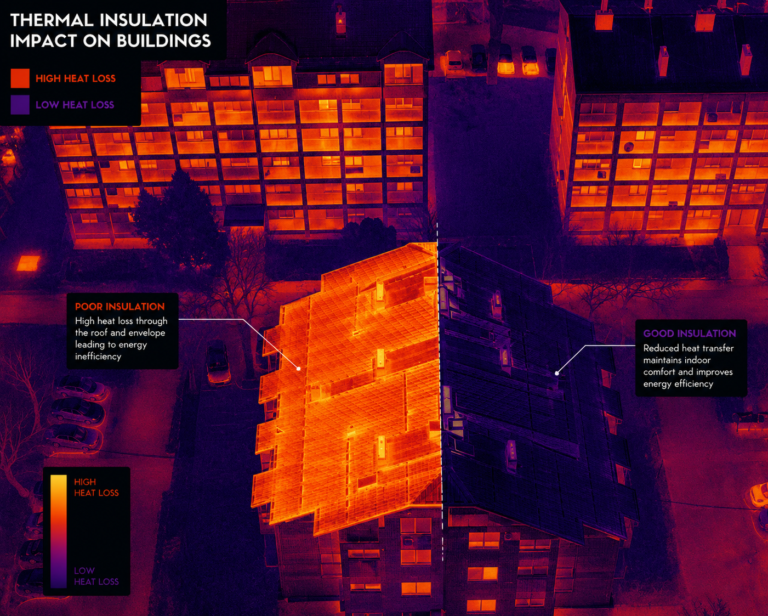
Building envelope performance can no longer be reduced to a single thermal metric. Climate zone,…
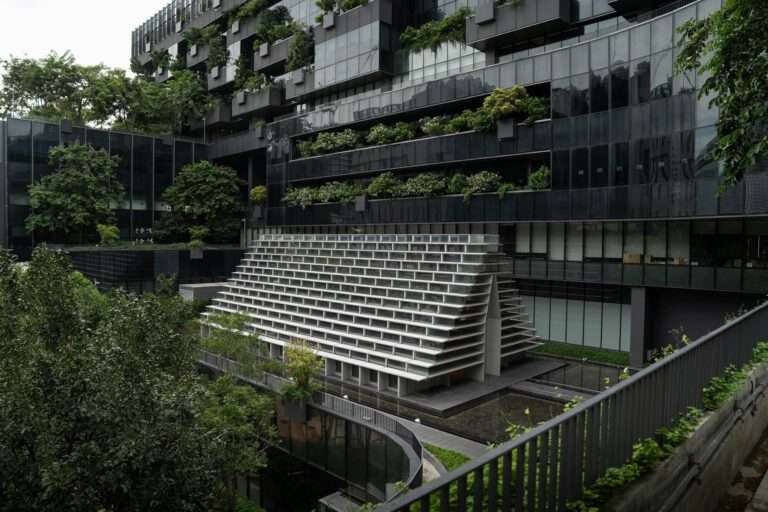
Spatial Orientation and Context The Glass Pavilion is positioned above the garden surface, with its…

Artificial intelligence is far more than a tool for generating facades or automating floor plans. This article examines AI as a civilizational substrate reshaping medicine, education, manufacturing, and the built environment through machine learning, deep neural networks, and autonomous decision-making. It also confronts the ethical, technical, and governance challenges these systems introduce, arguing that the future belongs to those who understand the machine as a new organizational foundation.

Context and Architectural Challenges The grasslands of the Ulanqab Plains belong to a traditional nomadic…

Color Pit is a post-disaster playground intervention in Beirut that uses chromatic gradients and painted floor patterns to transform a damaged school yard into a vibrant social space. Developed following the 2020 explosion, the project redefines play as a therapeutic and social act, using paint alone to create visual depth and flexible interaction without structural excavation or significant construction costs.
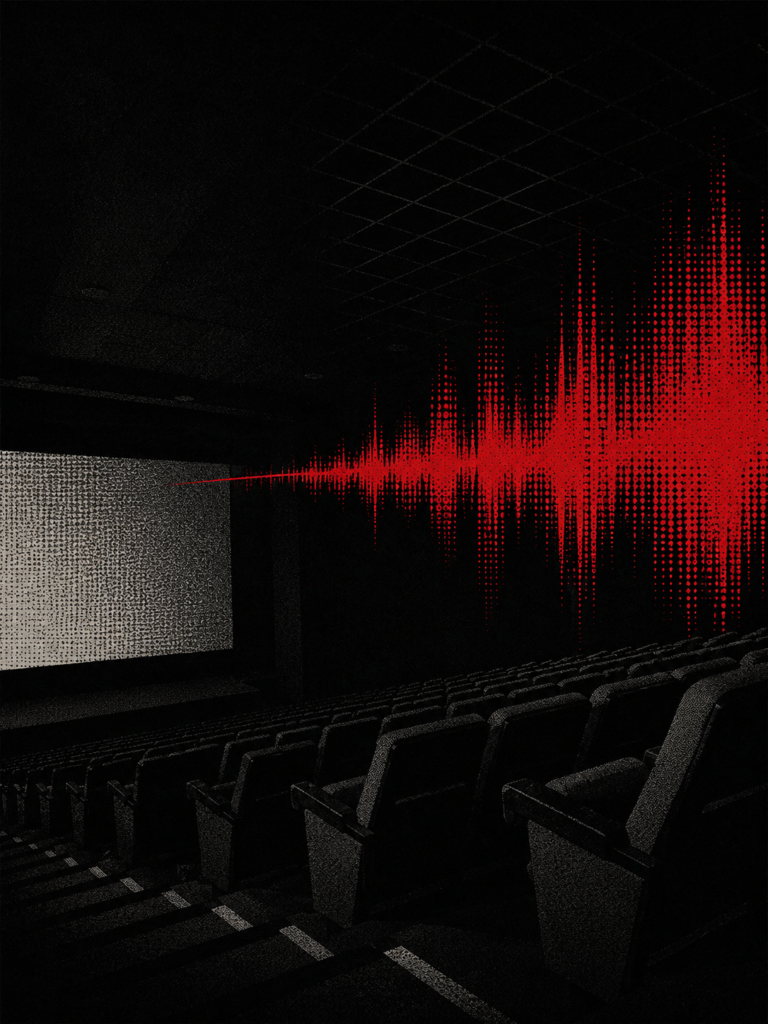
In modern cinema halls, the choice of dark materials is far more than an aesthetic decision — it is an acoustic contract. This article explores how sound absorption coefficients, reverberation times, and immersive audio formats like Dolby Atmos demand that architects and interior designers understand acoustic physics from the earliest material specification stages, not as an afterthought outsourced to engineers.

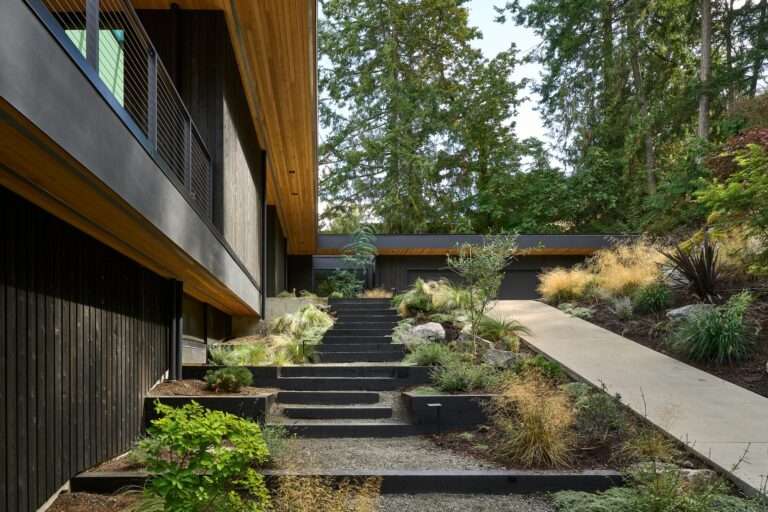
General Context of the Project and Site General Context of the Project and Site The…
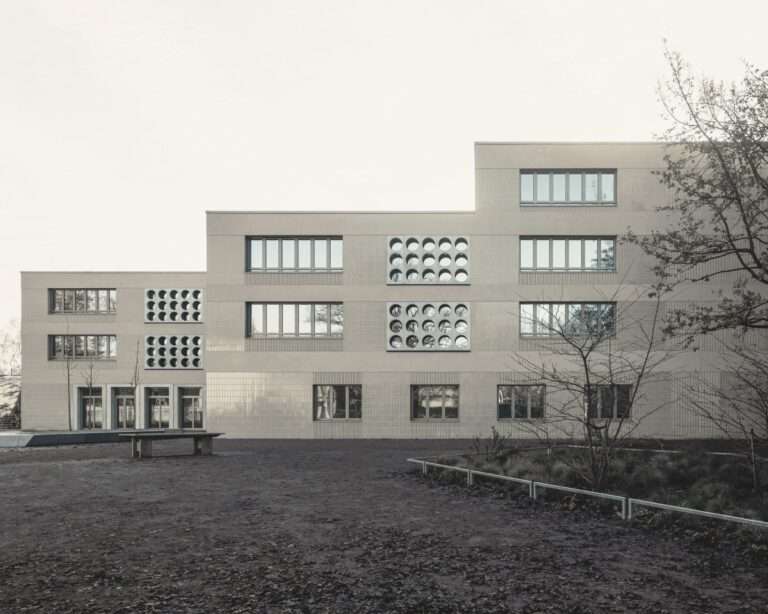
Urban Context of the Site The school complex is located in the Karlshorst district within…

Architecture has always recorded what a society truly values, and Kant’s philosophy reveals why. Drawing on his concepts of a priori spatial cognition, the Categorical Imperative, and the sublime, this essay argues that every design decision operates as an involuntary psychological transaction. In 2026, when capital pressures eliminate ambition, spatial ethics demand treating occupants as ends, never means.

Architecture as a Means of Presenting Specialized Technologies The Pantanal Biopark project demonstrates how public…

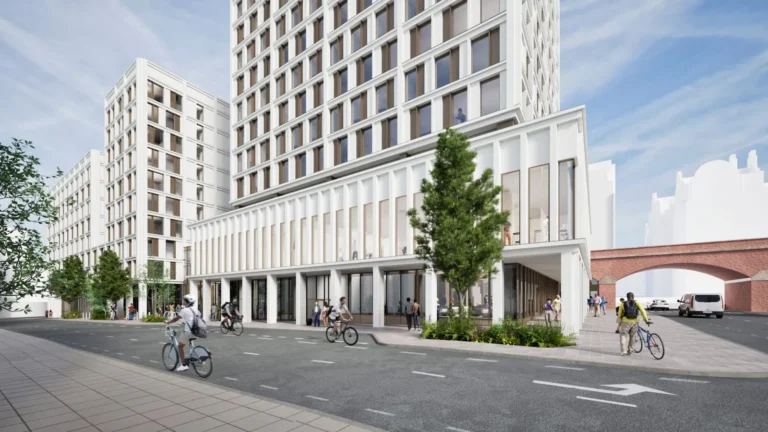
Hodder + Partners submitted proposals to Manchester City Council for a 38-storey student accommodation development…
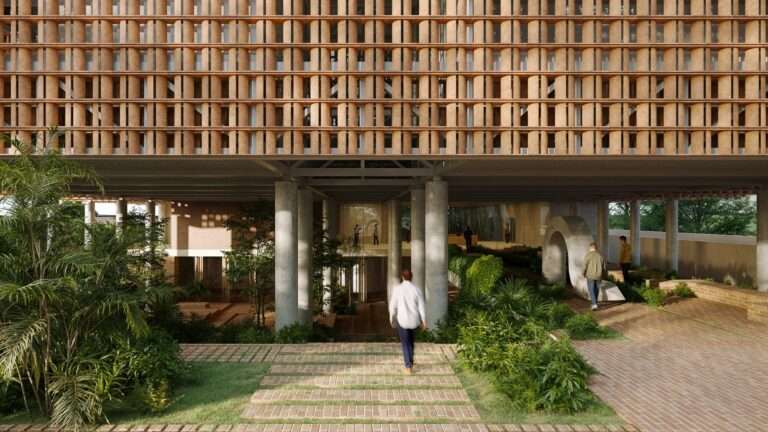
Mexico City-based studios TO and Palma won a competition to design the extension of the…
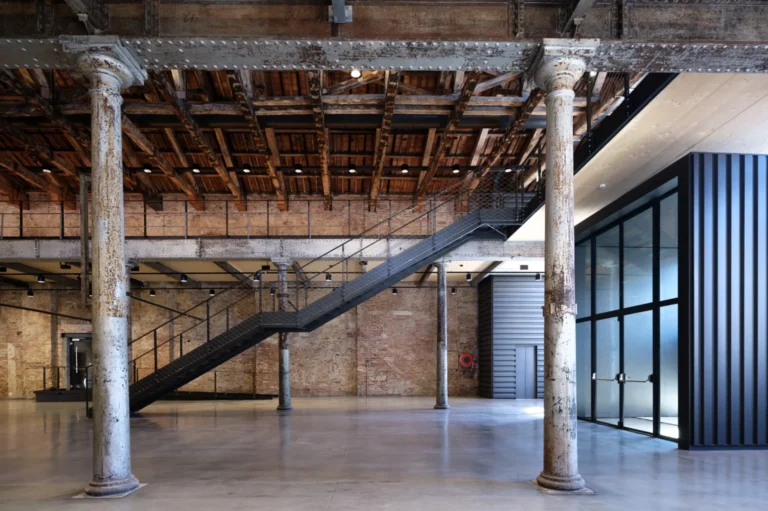
La Biennale di Venezia recently unveiled the new headquarters for its Historical Archive – International…
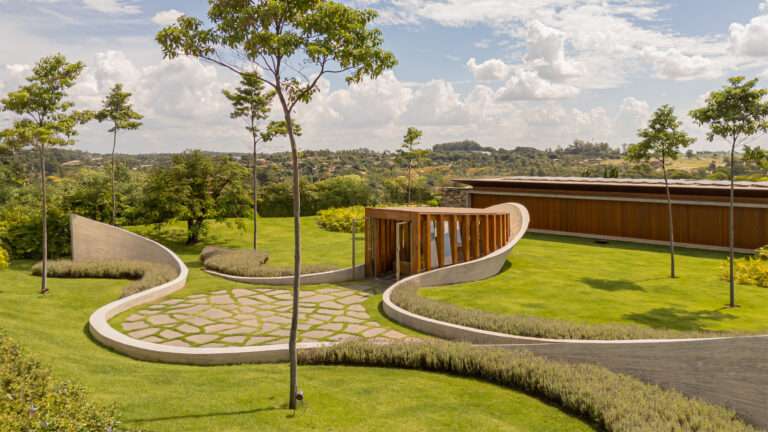
Felipe Caboclo Arquitectura completed a 10-square-metre religious space on a residential property in São Paulo,…
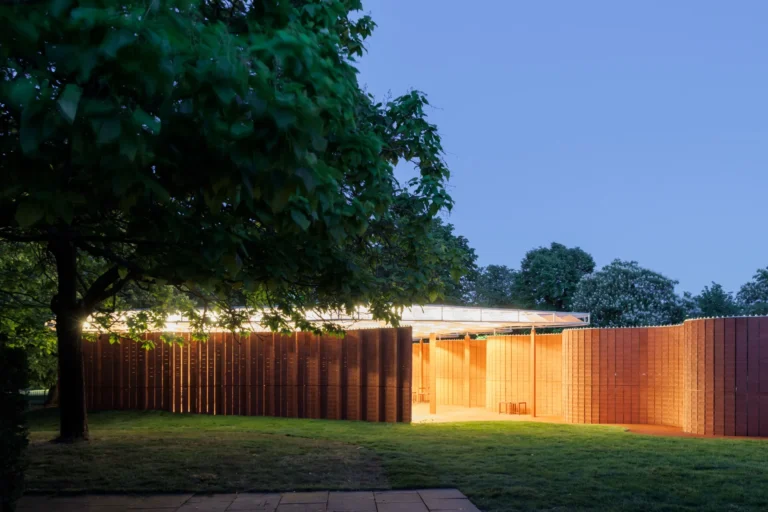
Mexico City-based studio LANZA atelier completed the 2026 Serpentine Pavilion in London’s Kensington Gardens ahead…

Modern conflicts increasingly rely on “cognitive and subversive” warfare rather than physical destruction, with urban…
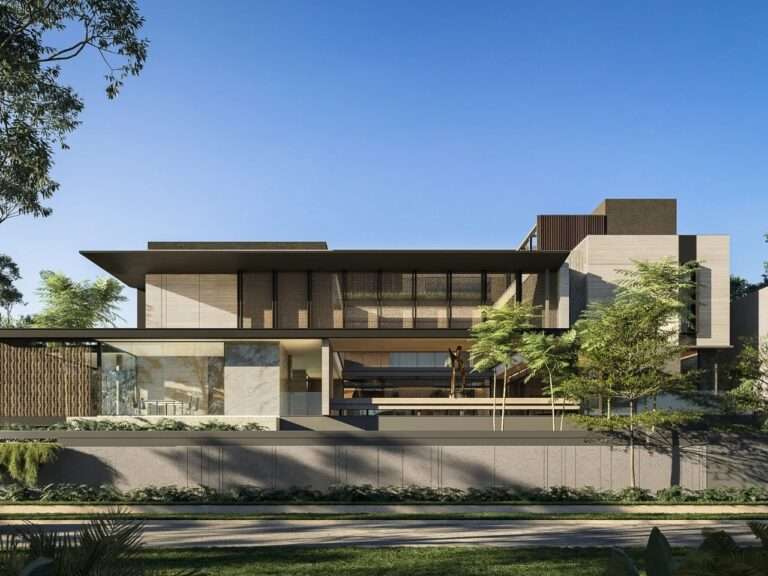
Departure from the Open Tropical Model Most homes in tropical environments tend to rely on…
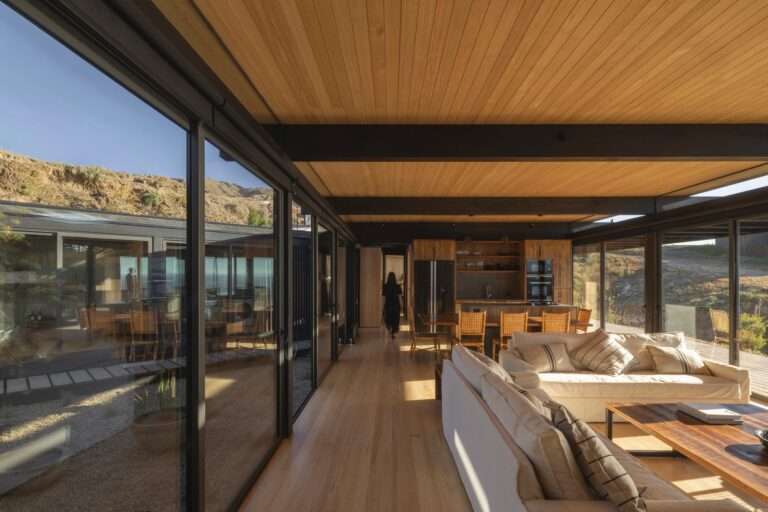
Response to Natural Topography The house is located on a slope descending toward Matanzas Beach,…
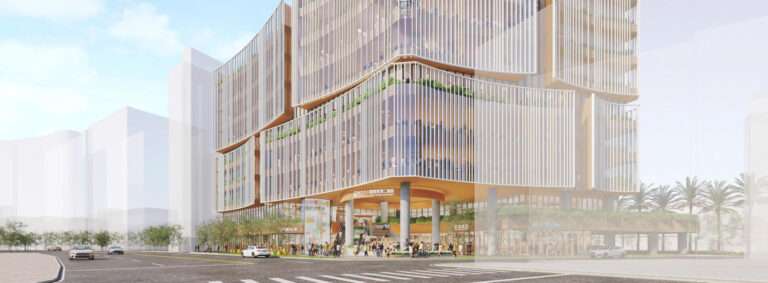
Nine Architects recently revealed the design for the New Taipei City Library Second Main Branch,…